Matthew Weaver Takes Over Nissan Global Design as Brand Looks to Its Next Shape
Nissan has appointed Matthew Weaver as its global design chief, putting a designer linked to the Juke and Qashqai in charge of the brand’s future styling direction.

Nissan has named Matthew Weaver as its global design chief, putting one of the company’s notable European design figures in charge of the look and feel of future Nissan vehicles around the world.
The move matters because design is not just an aesthetic decision for Nissan right now. The brand is preparing for a product cycle that must balance electric vehicles, family crossovers, affordability, and heritage nameplates in a market where visual identity can be as important as range, software, or horsepower. For buyers, that means the next generation of Nissans may become more expressive rather than more anonymous.
Weaver is closely associated with two of Nissan’s most recognizable modern crossover projects: the Juke and the Qashqai. Those models played very different roles, but both helped define how Nissan approached compact SUVs. The Qashqai became a major family crossover name in several markets, while the Juke became known for a bolder, more divisive design language that made it instantly recognizable.
That background gives Weaver’s promotion added significance. Nissan is not simply assigning a caretaker to an established design formula. It is handing global responsibility to someone whose best-known work sits in the territory between mainstream practicality and visual risk.
Why a design chief matters
Automakers often talk about platforms, batteries, driver-assistance systems, and manufacturing efficiency. Those are critical, but design leadership determines how all of that technology is presented to customers. A strong design boss sets proportions, brand cues, lighting signatures, cabin philosophy, and the emotional tone of a lineup.
For Nissan, that is especially important because the brand competes across a wide range of segments. Its portfolio includes small cars in some markets, crossovers such as Rogue/X-Trail and Qashqai, electric models including Ariya and Leaf, commercial vehicles, performance icons such as Z, and rugged nameplates such as Patrol and Armada. A single design direction cannot make all of those vehicles look identical, but it can make them feel like they come from the same company.
That has been a challenge for many global automakers. EVs often push brands toward smooth, aero-focused shapes. SUVs require upright stance and visual toughness. Affordable models need simple surfacing and cost-aware details. Enthusiast cars need drama. The job of a global design chief is to tie those demands together without sanding off the character that makes individual models memorable.
Weaver’s Juke connection is important, but not the whole story
The Juke remains one of Nissan’s most discussed modern designs because it did not try to disappear into traffic. Its unusual lighting arrangement, high-riding stance, compact footprint, and coupe-like attitude made it stand out in a segment that later became one of the industry’s most important. Not everyone liked it, but that was partly the point: it gave Nissan a vehicle with a clear personality.
That history should not be read as a promise that every future Nissan will become as unconventional as the Juke. A global design role is broader than one vehicle or one regional studio. Weaver will have to guide products for different markets, regulations, customer expectations, and price points. A city-focused crossover for Europe cannot be styled with exactly the same priorities as a body-on-frame SUV for the Middle East or a family EV for North America.
Still, the appointment suggests Nissan sees value in stronger visual differentiation. In a crowded market, safe design can be risky in its own way. If buyers cannot identify a brand’s vehicles at a glance, price and incentives become more important. Distinctive design can help a car stand out before a shopper ever compares specifications.
What this could mean for future Nissan EVs
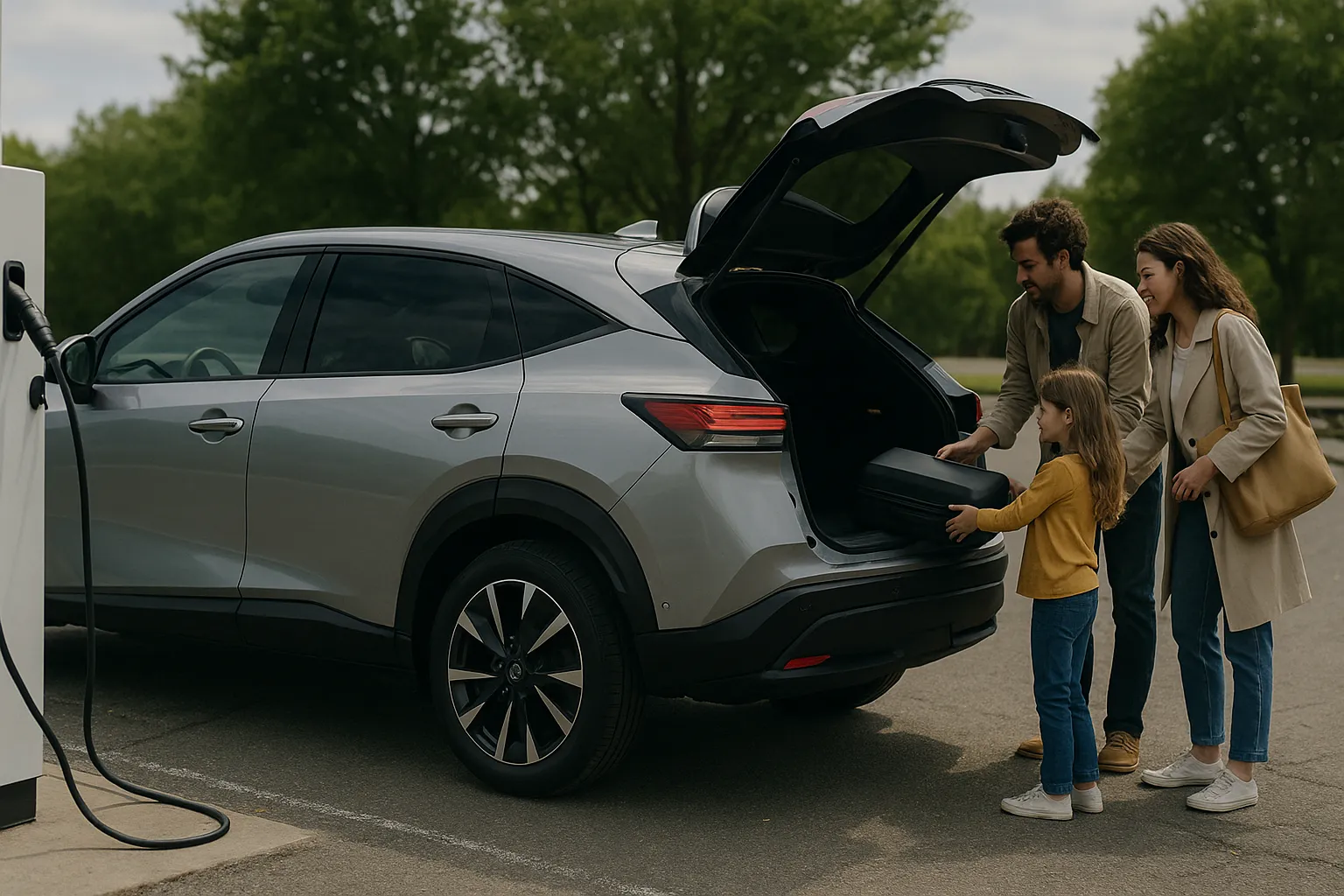
Electric vehicles are likely to be one of the biggest areas affected by Nissan’s next design direction. Nissan was early to mass-market EVs with the Leaf, and the Ariya later gave the company a more upscale electric crossover. But the EV market has changed quickly. Buyers now compare electric Nissans not only with mainstream rivals, but also with dedicated EV brands that use design as a core part of their appeal.
Future Nissan EVs will need to communicate efficiency and technology without looking generic. That may mean cleaner front-end treatments, more distinctive lighting, smoother aerodynamics, and interiors with a stronger digital focus. It may also mean finding a way to keep Nissan’s approachable image while giving EVs enough presence to justify their pricing.
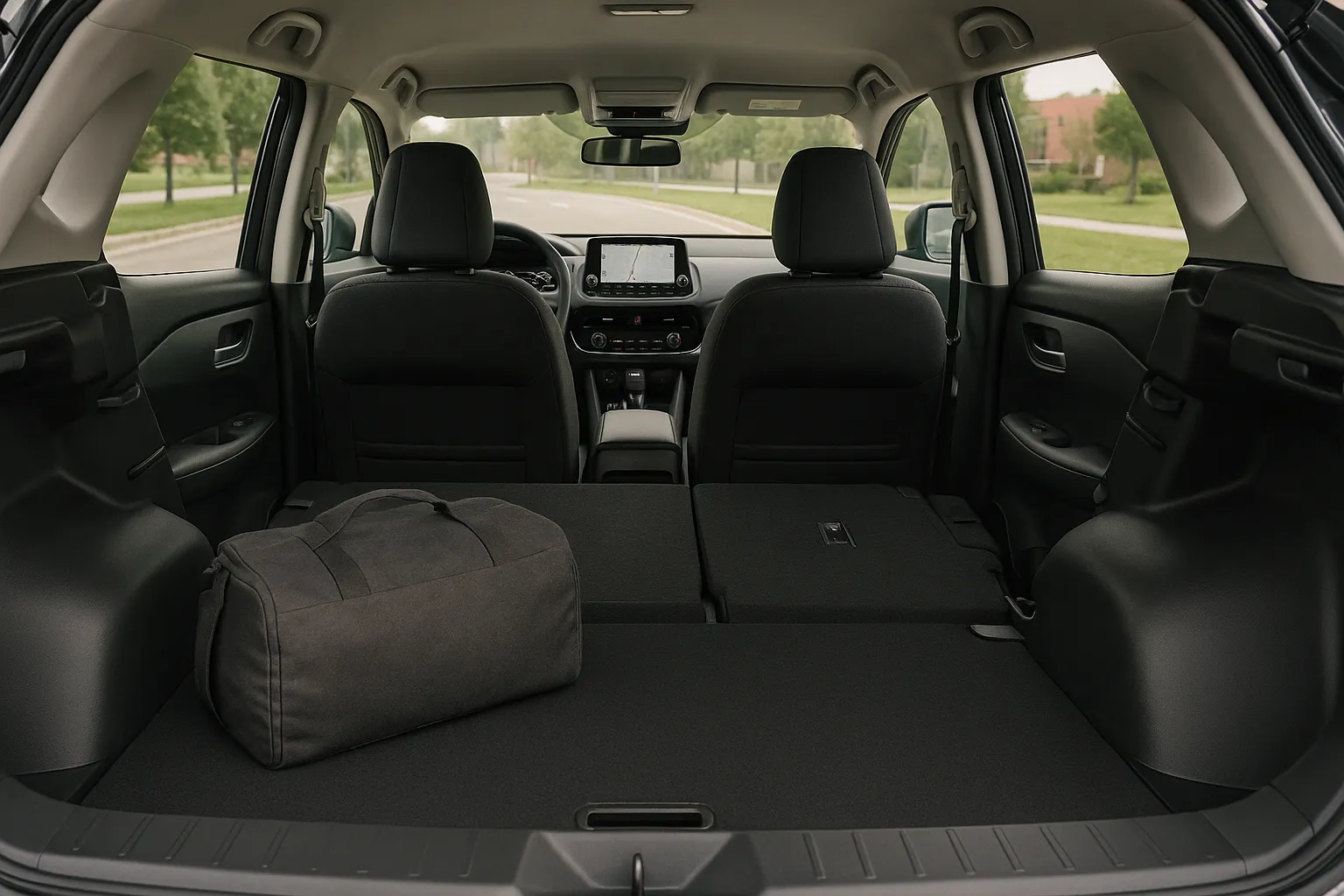
Design will also influence how owners experience these vehicles day to day. Cabin layout, material choices, visibility, storage, switchgear, and screen integration all fall under the broader design umbrella. For EV buyers, the interior can be especially important because quiet powertrains make cabin quality and interface design more noticeable.
Crossovers remain central
Weaver’s experience with Qashqai and Juke is relevant because crossovers remain the backbone of Nissan’s global business. Whether badged as Qashqai, Rogue, X-Trail, Kicks, Juke, Murano, Patrol, or Armada depending on market and segment, SUVs and crossovers are where many customers encounter Nissan.
The next phase of crossover design will require careful balance. Buyers want practicality, good visibility, useful cargo space, and durability. They also want vehicles that look modern and feel worth the monthly payment. A crossover that is too conservative can be overlooked; one that is too experimental can narrow its audience.
Nissan has a long history of taking chances in this area. The original Qashqai helped popularize the compact crossover formula in Europe. The Juke pushed small-SUV styling further. The latest design leadership change may encourage Nissan to keep treating crossovers as brand-shaping products rather than simple utility vehicles.
Enthusiast models and heritage names
Nissan’s enthusiast community will also be watching closely. Design is central to cars like the Z and GT-R, where heritage carries real weight. Even when performance specifications dominate the conversation, styling determines whether a new generation feels connected to the nameplate’s past.
There is no confirmed indication here of how Weaver’s leadership will affect specific enthusiast models. But globally consistent design leadership can shape how Nissan handles retro cues, modern aerodynamic demands, and brand symbols across performance and specialty vehicles. For fans, the hope will be that future icons keep recognizable character rather than becoming interchangeable with mainstream products.
The buyer impact
For shoppers, this appointment will not change the Nissan vehicles sitting in showrooms immediately. Production-car design timelines are long, and vehicles launching soon may already be largely complete. The more meaningful effects will appear over the next several years as concepts, mid-cycle updates, and new-generation models reflect the priorities of the new design leadership.
The practical question is whether Nissan can make its future vehicles more desirable without sacrificing usability, value, or reliability expectations. Good design can bring buyers into showrooms, but ownership satisfaction depends on the whole product. The strongest outcome for Nissan would be a lineup that looks more confident while also delivering the efficiency, safety, comfort, and pricing that mainstream customers expect.
For the industry, Weaver’s promotion is another reminder that legacy automakers are treating design as a strategic weapon in the EV and crossover era. As mechanical differences become harder for casual buyers to see, the shape, lighting, interior experience, and brand identity of a vehicle become more influential.
Nissan’s next global design chapter now has a clear leader. The question is not simply whether future models will look bolder. It is whether they will look unmistakably like Nissans at a time when the company needs every new product to make a stronger first impression.