Mazda3 and CX-30 Add Hybrid Power as Mazda Extends Two Core Models
Mazda is giving the Mazda3 and CX-30 new hybridized powertrains before their next full redesigns, a move that should improve efficiency and keep both aging-but-competitive models relevant.
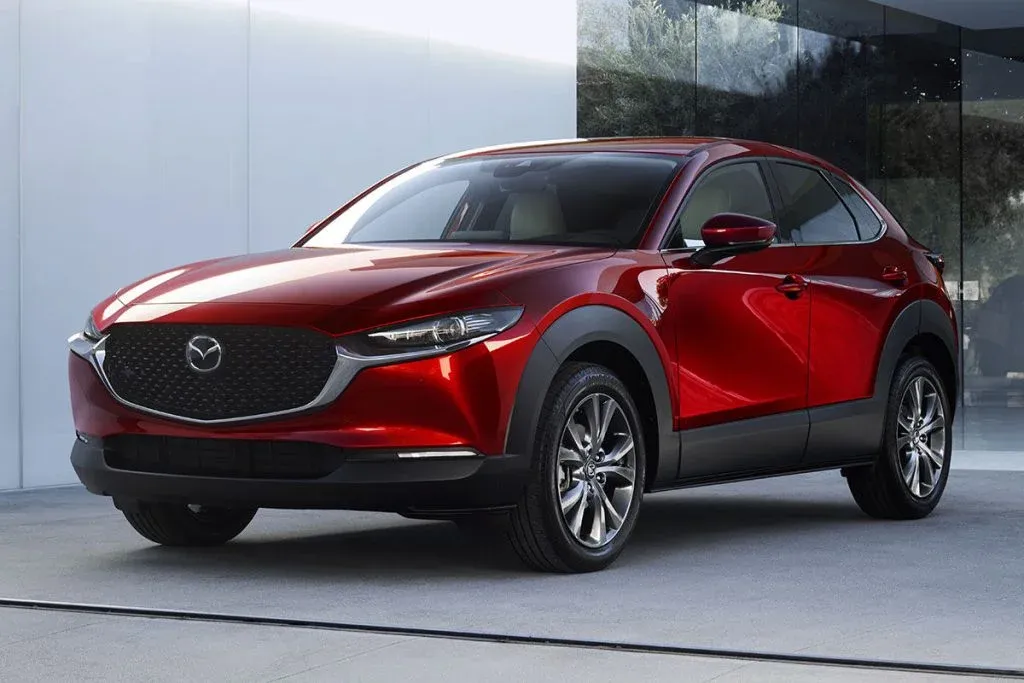
Mazda is preparing to give two of its most important compact models a fresh round of hybrid power. The Mazda3 and Mazda CX-30 are set to receive new hybridized powertrains before their next full redesigns arrive, extending the life of both nameplates while addressing a market that increasingly expects some form of electrification even in mainstream gasoline vehicles.
The move matters because neither model is new. The current Mazda3 made its global debut in late 2018, while the CX-30 followed in 2019. In car-industry terms, that puts both vehicles well into the mature phase of their product cycles. Yet they remain central to Mazda’s showroom strategy: the Mazda3 represents the brand’s compact-car identity, while the CX-30 gives buyers a small crossover with more style and refinement than many budget-focused rivals.
A powertrain update before a design reset
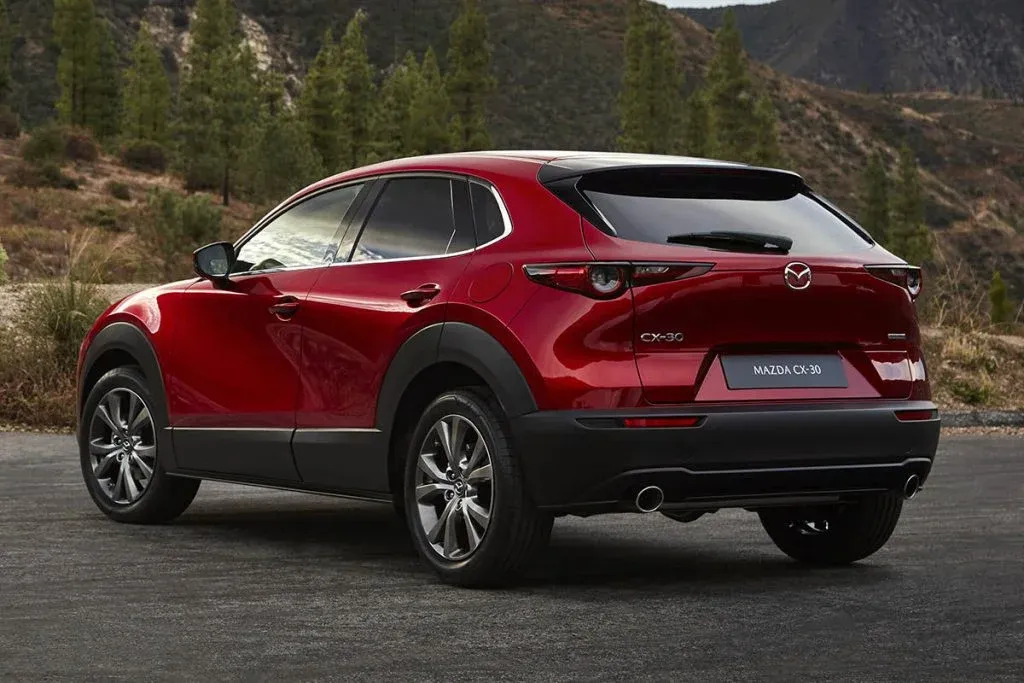
Rather than waiting for an all-new generation, Mazda is using powertrain changes to keep the Mazda3 and CX-30 competitive. Full redesigns usually bring new platforms, revised interiors, updated safety technology, and major styling changes. They also require significant engineering investment. A new hybrid system can be deployed more quickly and can improve the ownership proposition without forcing Mazda to replace two vehicles that still have appeal.
Exact market timing, pricing, power output, battery specifications, and fuel-economy figures have not been confirmed across all regions. That distinction is important. Mazda often varies engines and electrification strategies by market, and a hybrid system offered in one region may not automatically be available in another. Buyers should treat the announcement as a sign of Mazda’s direction, not as a guarantee that every Mazda3 or CX-30 sold globally will receive the same setup at the same time.
Still, the broad message is clear: Mazda wants these models to do more than simply carry on unchanged until replacements arrive. Hybrid assistance can help improve city fuel economy, smooth low-speed driving, reduce emissions, and potentially sharpen drivability if the system adds electric torque at takeoff.
Why hybrids make sense for Mazda now
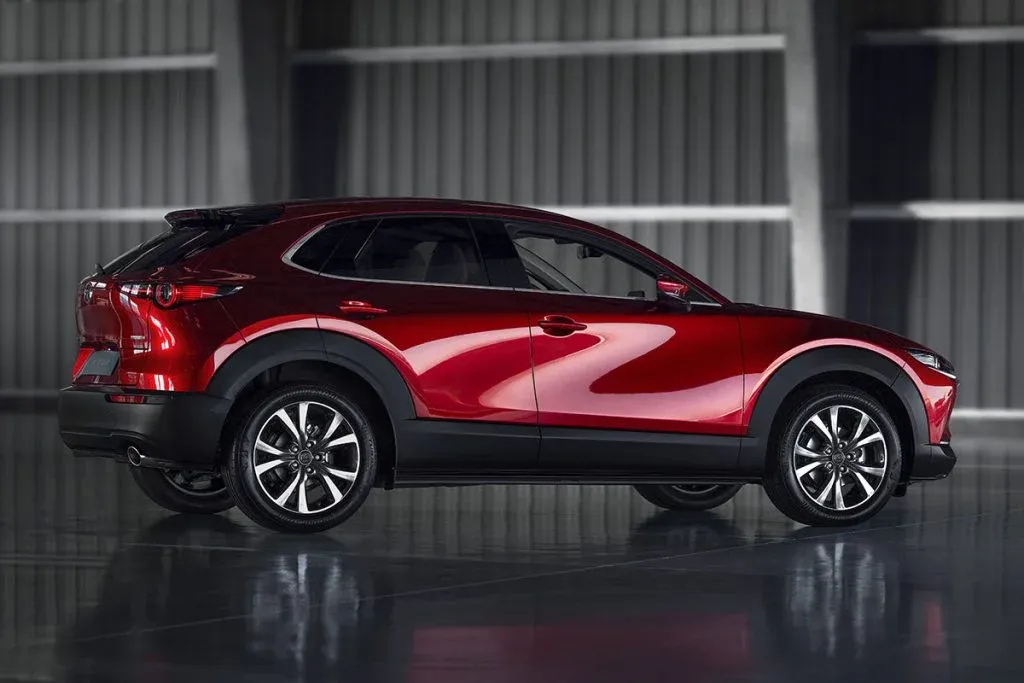
Mazda has taken a more gradual approach to electrification than some larger automakers. The company has emphasized efficient combustion engines, lightweight vehicle dynamics, and premium-feeling interiors rather than chasing every EV segment at once. That strategy has helped preserve Mazda’s distinct character, but it has also left some buyers comparing Mazda products against rivals with more visible hybrid lineups.
For compact vehicles, hybrids are especially useful. Owners often use cars such as the Mazda3 and CX-30 for commuting, school runs, city driving, and short regional trips. Those are driving patterns where hybrid systems can deliver tangible benefits. Even a modest improvement in fuel use can matter over years of ownership, especially for shoppers who are not ready for a plug-in vehicle or who lack consistent home charging.
A hybrid update also helps Mazda respond to tightening emissions standards. Automakers face regulatory pressure in Europe, Asia, North America, and other markets, though the exact requirements differ widely. Adding electrified powertrains to high-volume models can improve fleet averages without forcing a brand to abandon familiar vehicle formats.
What this could mean for Mazda3 buyers
The Mazda3 has long appealed to shoppers who want a compact car that feels more upscale than its price suggests. It is available in sedan and hatchback forms in many markets, and its strengths have typically included steering feel, cabin quality, exterior design, and a more mature driving character than many mainstream compact cars.
A hybrid powertrain could broaden its appeal. Compact-car shoppers often cross-shop based on fuel economy, monthly payment, safety technology, and reliability expectations. If Mazda can add meaningful efficiency gains without dulling the car’s driving feel, the Mazda3 could become easier to recommend to buyers who like the car’s design but have hesitated because competitors offer stronger hybrid options.
The key question will be execution. Some hybrid systems prioritize economy above all else, while others also improve response and refinement. Mazda’s brand identity depends heavily on how a car feels from behind the wheel, so the company will need to make the hybrid Mazda3 feel natural rather than merely efficient.
What this could mean for CX-30 shoppers
The CX-30 may benefit even more from hybridization. Small crossovers are among the most competitive vehicles in the market, and fuel economy is a major purchase factor. The CX-30 has succeeded by offering a more premium cabin feel and distinctive styling, but rivals increasingly use hybrid systems to claim better efficiency and lower running costs.
For buyers, a hybrid CX-30 could make the model more practical without changing its basic appeal. The CX-30’s size suits urban and suburban driving, where hybrid assistance tends to be useful. If the new powertrain also preserves available all-wheel-drive options in relevant markets, it could strengthen the model’s position with shoppers who want a small SUV for year-round use but do not want to move into a larger, more expensive vehicle.
The update may also help current Mazda owners looking to stay with the brand. Someone driving an older Mazda3, CX-3, CX-5, or previous-generation compact may now have a more efficient step-up option without leaving Mazda’s lineup.
Not a full redesign, but still significant
It is worth keeping expectations in check. A new hybrid powertrain is not the same as an all-new vehicle. The basic body structures of the current Mazda3 and CX-30 date back to their original launches, and buyers waiting for major packaging improvements, a completely new interior layout, or a next-generation infotainment experience may still want to watch for future redesigns.
However, late-cycle powertrain updates can be meaningful. They often improve the parts of ownership that drivers notice every week: fuel stops, low-speed smoothness, operating costs, and resale appeal. In some cases, a well-executed powertrain refresh can make an older model feel newly relevant.
For enthusiasts, the question will be whether hybrid assistance enhances or dilutes Mazda’s driver-focused reputation. Electrification does not automatically make a vehicle less engaging. Electric torque can improve throttle response, and regenerative braking can be tuned to feel predictable. But Mazda will need to balance efficiency with the natural controls and road feel that have made the Mazda3 in particular a favorite among drivers who still care about compact cars.
The industry angle
The Mazda3 and CX-30 update reflects a broader industry reality: hybrid technology is no longer limited to dedicated eco models. Automakers are using electrification to extend the life of existing vehicles, comply with regulations, and meet buyers where they are. Many consumers remain interested in lower fuel costs but are not yet ready to rely entirely on public charging infrastructure or pay for a full EV.
That makes conventional hybrids and mild hybrids strategically important. They can be sold through familiar dealership channels, require little behavior change from owners, and fit into established vehicle platforms more easily than battery-electric conversions.
For Mazda, the challenge is scale. The company is smaller than Toyota, Volkswagen, Hyundai, General Motors, and other global giants, so every powertrain decision has to serve multiple goals. A hybrid Mazda3 and CX-30 can help Mazda keep its compact lineup alive while the brand prepares its next-generation products.
Bottom line
The Mazda3 and CX-30 are not being reinvented yet, but new hybrid power should make them more competitive at a critical point in their life cycles. For shoppers, the most important details to watch will be market availability, fuel-economy ratings, pricing, warranty coverage, and whether Mazda offers the hybrid system across a broad range of trims or limits it to select versions.
If Mazda gets the calibration and pricing right, this update could give buyers a useful middle ground: the familiar style and driving character of the Mazda3 and CX-30, paired with better efficiency and a more modern powertrain strategy. That is not as dramatic as a clean-sheet redesign, but for real-world buyers comparing monthly costs and long-term usability, it may be exactly the kind of change that matters.