McLaren Manual Hypercar Rumor Signals a New Push for Driver Engagement
McLaren is rumored to be considering a manual-equipped hypercar, potentially reviving a gearbox format the brand has not used since the F1 era.
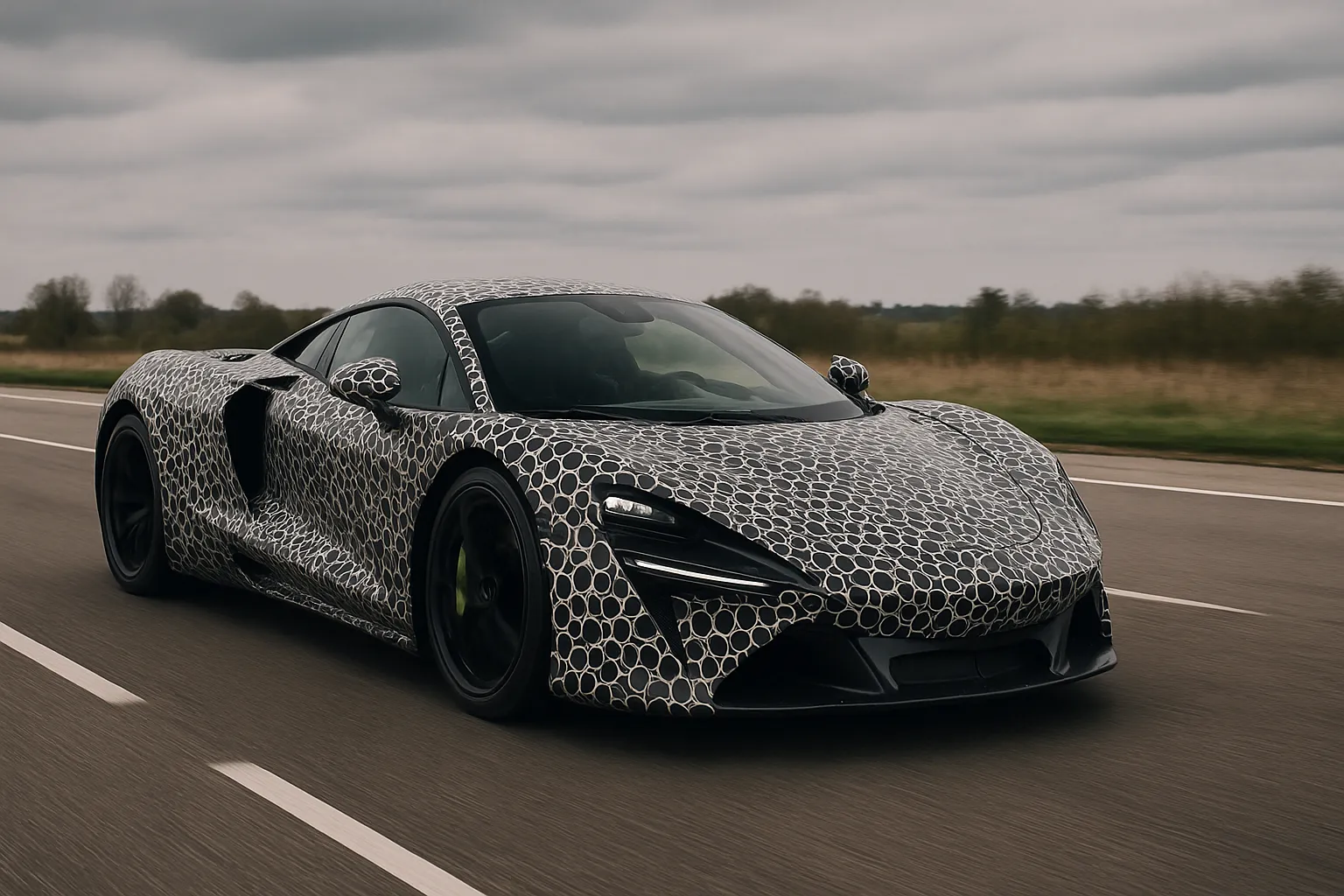
McLaren may be preparing to do something that has become almost unthinkable in the modern hypercar class: offer a manual gearbox.
The rumored project, described as a new driver-focused flagship or ultra-limited model, would mark a major shift for a brand that has built its modern road-car identity around carbon-fiber structures, turbocharged engines, hybrid assistance, and fast-shifting dual-clutch transmissions. If it reaches production, it would be McLaren’s first manual road car since the original McLaren F1, which ended production in the late 1990s.
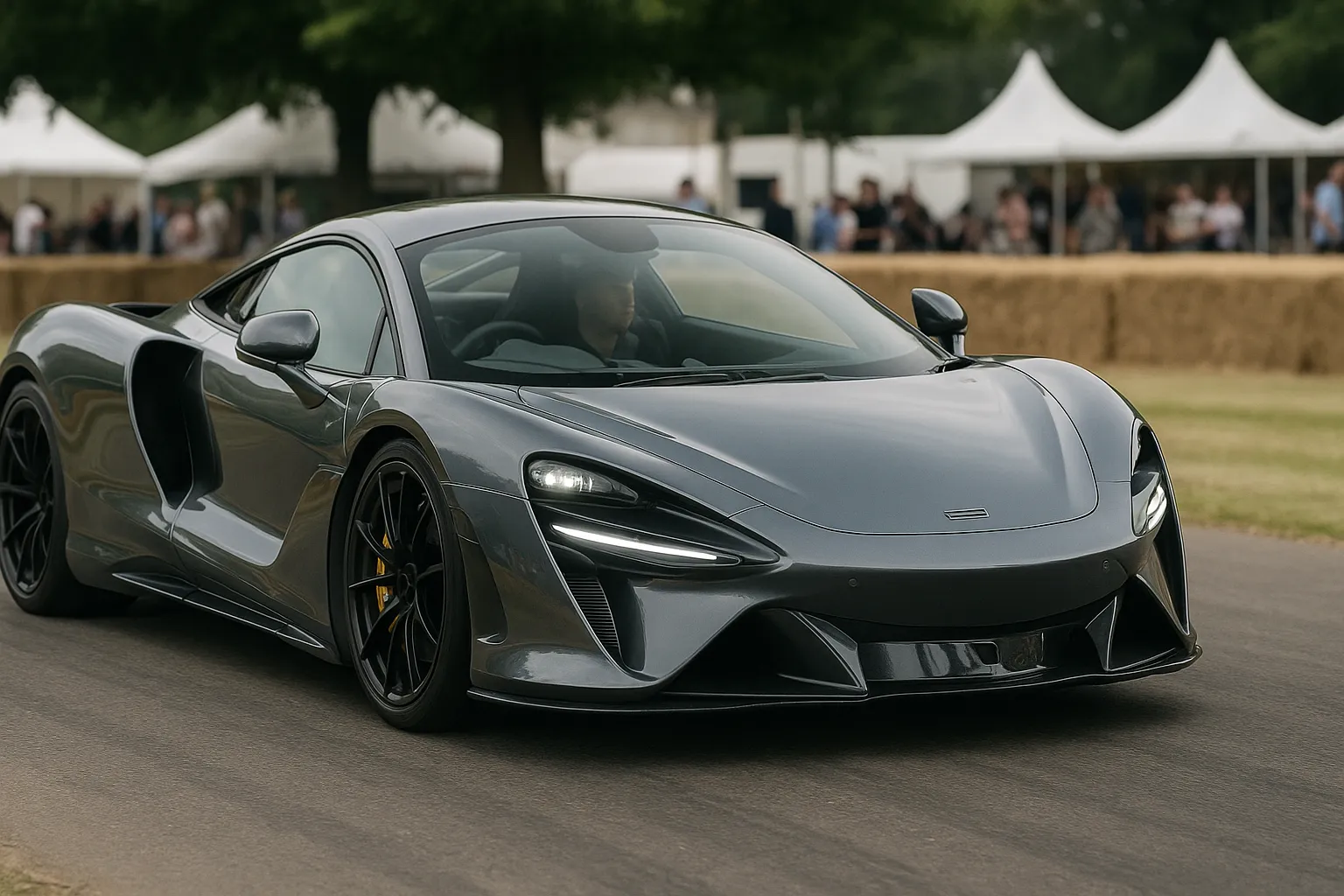
That timing matters. The F1 remains one of the most revered analog supercars ever built, not only because of its central driving position and naturally aspirated V12, but also because it paired immense performance with a traditional manual transmission. Every series-production McLaren road car of the modern era, beginning with the MP4-12C, has used some form of automated gearbox. The company’s current portfolio has moved further toward electrification, with cars such as the Artura using hybrid power and dual-clutch hardware to deliver speed, efficiency, and consistency.
A manual hypercar would therefore not be a small product tweak. It would be a statement about what high-end performance buyers still value.
Why a manual McLaren would be unusual now
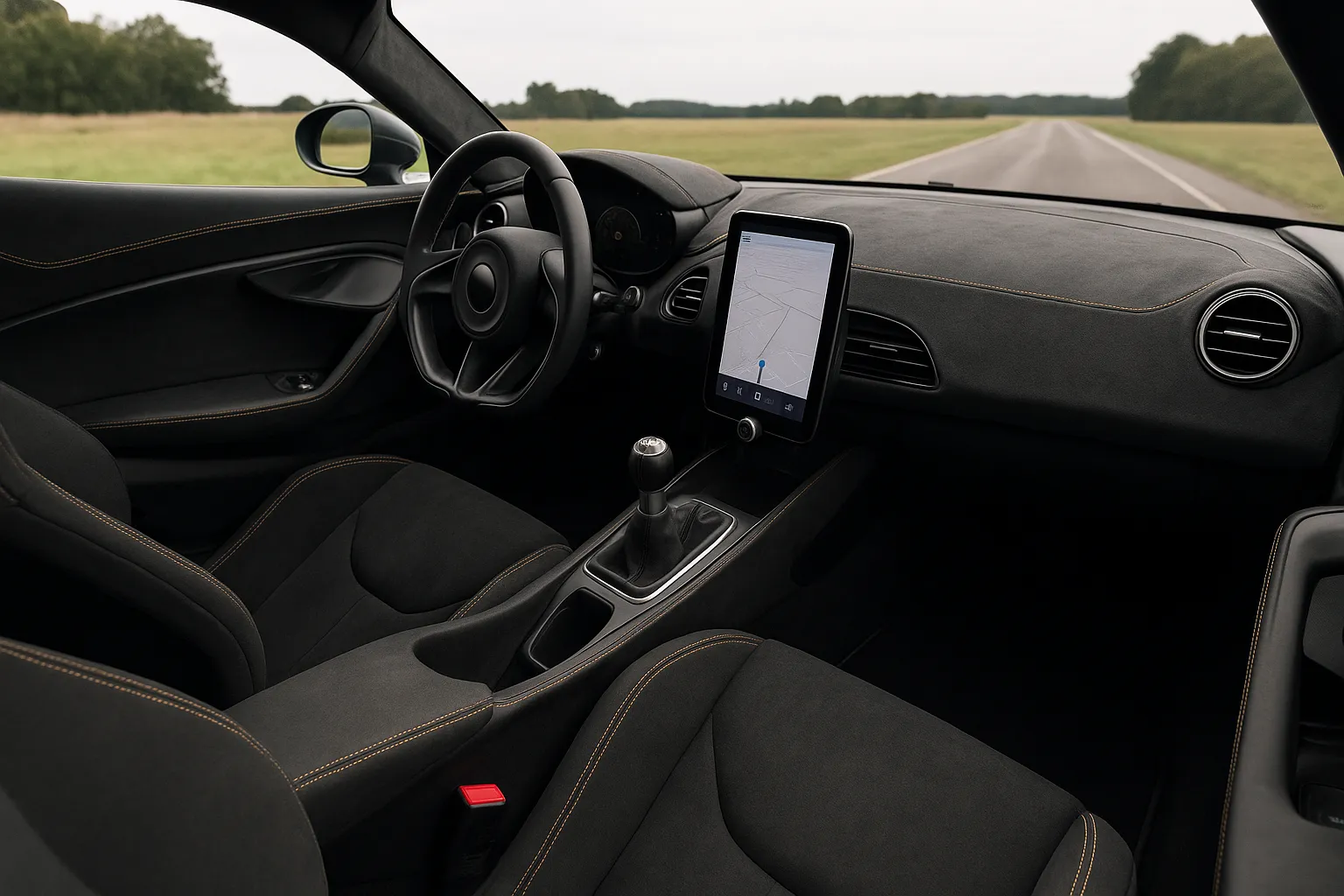
Manual transmissions have been disappearing from the upper end of the performance market for clear reasons. Dual-clutch and automated gearboxes shift faster, integrate more easily with hybrid systems, support launch-control programming, and help manufacturers meet performance, emissions, and drivability targets. In a class where 0-60 mph times, Nürburgring laps, and electric torque-fill all shape development priorities, the manual gearbox has often been seen as a constraint.
That is especially true for hypercars. These vehicles are not merely expensive sports cars; they are technology showcases. Automakers use them to preview materials, battery systems, active aerodynamics, and control software. A clutch pedal and a manual shift pattern do not obviously fit into that brief.
But the market has also shown that ultimate speed is no longer the only metric that matters. Collectors and enthusiasts increasingly distinguish between a car that is numerically faster and one that feels more memorable. A manual gearbox can be slower on paper while making the driver more central to the experience. At this price level, that distinction can be commercially powerful.
Recent interest in manual or manual-like high-end cars reflects that shift. Ferrari’s 12Cilindri Manuale has brought renewed attention to the idea of driver-controlled shifting in an era dominated by automation, even though the newest systems do not necessarily replicate the fully mechanical feel of older gated manuals. The point is less about nostalgia alone and more about control, ritual, and differentiation.
What is known — and what is not

At this stage, key details of the rumored McLaren remain unconfirmed. There is no official specification, launch date, production volume, price, powertrain description, or nameplate announcement. The project has been linked in industry discussion to the idea of a new, highly exclusive model, sometimes referred to with an internal-style code, but that should not be treated as a finalized production identity.
The biggest unanswered question is what form the manual system would take. A conventional mechanical manual paired to a high-output engine would be the purist’s dream, but it would also create significant engineering challenges in a modern hypercar. A hybrid powertrain, high torque output, emissions requirements, and advanced stability systems all add complexity. A more likely solution could involve an electronically managed manual-style interface, a clutch pedal, or a shift mechanism designed to reproduce the involvement of a manual while still communicating with modern control systems.
That distinction matters. Buyers who want a true mechanical gearbox will judge the car differently from those who simply want a more engaging shift experience. If McLaren pursues this route, the feel of the clutch, the shift action, throttle response, and calibration will matter as much as the headline specification.
Why McLaren might consider it
McLaren operates in a difficult part of the performance-car market. It competes with Ferrari, Lamborghini, Porsche’s most extreme models, Aston Martin’s limited-run specials, and a growing set of boutique hypercar manufacturers. In that environment, acceleration figures alone are no longer enough to create separation. Many cars are now brutally quick. Fewer feel genuinely distinct.
A manual hypercar would give McLaren a clear emotional hook. It would connect the company’s present to the F1, one of the strongest assets in its road-car history. It would also create an immediate talking point among collectors, many of whom already treat manual transmission cars as long-term keepers.
For McLaren owners, such a car could become a future halo model with unusual significance. For prospective buyers, it would likely be less about everyday usability and more about securing a rare driving experience before electrification and software-defined powertrains become even more dominant. For enthusiasts who may never buy one, it would still be meaningful as evidence that the highest tier of the market has not completely abandoned tactile driving.
The business case for analog features
Manual gearboxes are no longer mainstream performance technology, but scarcity has made them valuable. In recent years, manual variants of sports cars have often carried stronger enthusiast appeal and, in some cases, stronger residual values. That does not automatically guarantee investment-grade status, but it does show that buyers can place a premium on involvement.
For manufacturers, the equation is more complicated. Developing low-volume hardware is expensive, and validating it for emissions, safety, durability, and global markets can be difficult. A manual hypercar would almost certainly be limited in production and priced accordingly. It would not be a volume play; it would be a brand-building product.
That may be exactly why the idea is attractive. As performance cars become more electrified, brands need new ways to define their character. Some will lean on software, sound synthesis, torque vectoring, or track capability. Others may use analog controls as a form of luxury. In that sense, a manual shifter could become less a cost-saving component and more a high-end feature.
A signal for the wider performance market
If McLaren follows through, it would not mean manual transmissions are returning across the supercar world. The broader direction of the industry still favors electrification, automation, and integrated control systems. Dual-clutch and single-speed electric drivetrains will remain dominant because they deliver measurable performance and regulatory advantages.
What it would show is that a niche remains for cars designed around participation rather than pure optimization. That niche is small, expensive, and likely limited to special models, but it matters because it influences brand identity. Automakers watch how collectors respond to these projects. Strong demand for a manual McLaren could encourage more limited-run driver’s cars, even if they use modern electronic assistance behind the scenes.
For now, the manual McLaren hypercar remains a rumor rather than a confirmed product. The important point is that such a project is plausible in today’s market. The fastest cars have become so capable that some buyers are asking for something different: not less performance, but more responsibility in extracting it.
If McLaren can deliver that without making the car feel artificial, it would have one of the most compelling enthusiast stories in the hypercar segment.