Nearly 1.2 Million Tesla Vehicles Under Review for Suspension Failures
A safety investigation is examining reports of suspension failures in nearly 1.2 million Tesla vehicles, raising questions for owners about inspections, repair records, and the difference between an investigation and a recall.
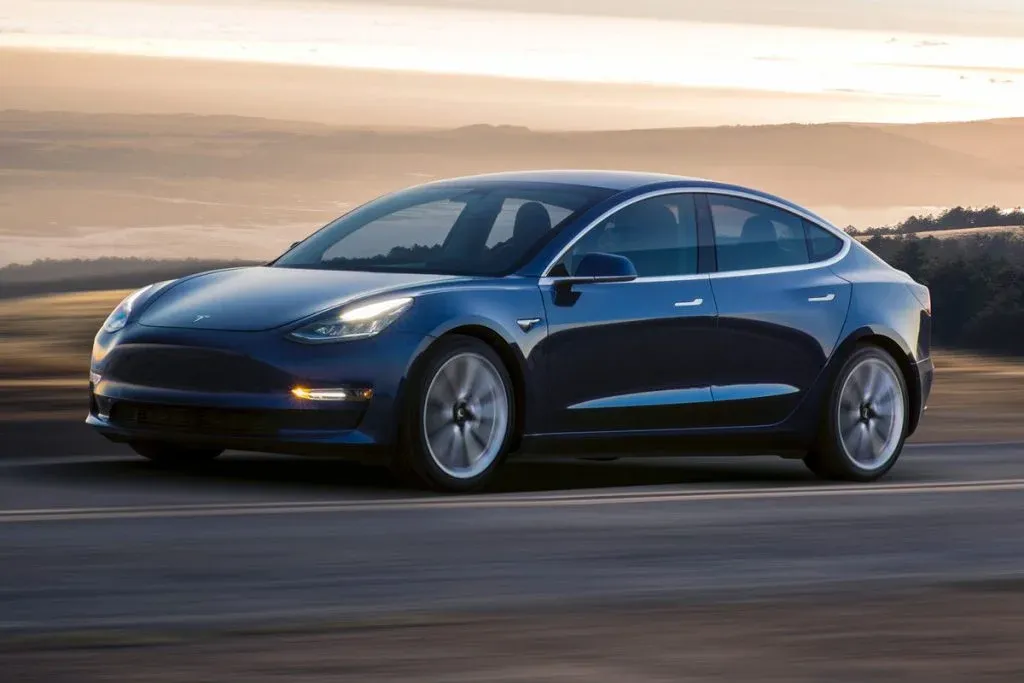
Nearly 1.2 million Tesla vehicles are now part of a safety investigation focused on reported suspension failures, a development that matters far beyond a typical service complaint. Suspension and steering components are fundamental to keeping a vehicle controllable, especially at speed, during braking, or when a driver needs to make an emergency maneuver.
The review does not automatically mean every vehicle in the population has a defect, and it is not the same thing as a recall. It does mean regulators have seen enough information to examine whether a safety-related problem may exist, how widespread it could be, and whether Tesla should be required to take further action.
For owners, the practical takeaway is straightforward: pay attention to new noises, steering changes, uneven tire wear, or any warning signs from the front or rear suspension. For shoppers considering a used Tesla, the investigation is another reason to look closely at service history and to get a pre-purchase inspection from a shop familiar with EVs and Tesla suspension hardware.
Why suspension failures are treated seriously
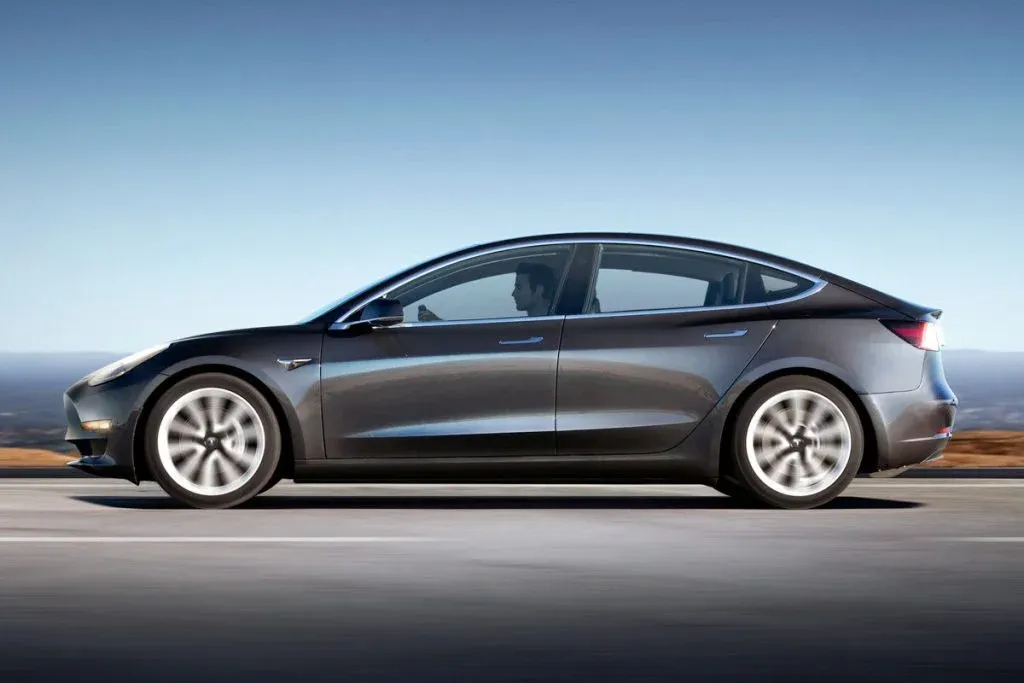
A suspension issue is different from a convenience problem such as a slow infotainment screen or a faulty trim piece. Suspension parts help locate the wheels, manage road impacts, maintain tire contact, and preserve steering geometry. If a key component bends, cracks, separates, or otherwise fails, the driver may experience anything from a clunking sound to a sudden loss of directional control.
Modern EVs put their own demands on suspension systems. Battery packs add substantial mass, and the instant torque delivery of electric motors can increase loads during acceleration. None of that automatically points to a defect, but it explains why suspension durability is especially important in high-volume electric vehicles that see a wide range of road conditions, climates, tire choices, and driving styles.
Tesla’s vehicles also tend to accumulate software and hardware changes during a model’s production run. That can make an investigation more complex. Investigators typically need to determine which model years, build dates, components, suppliers, or service procedures are relevant before deciding whether a recall is justified.
An investigation is not a recall
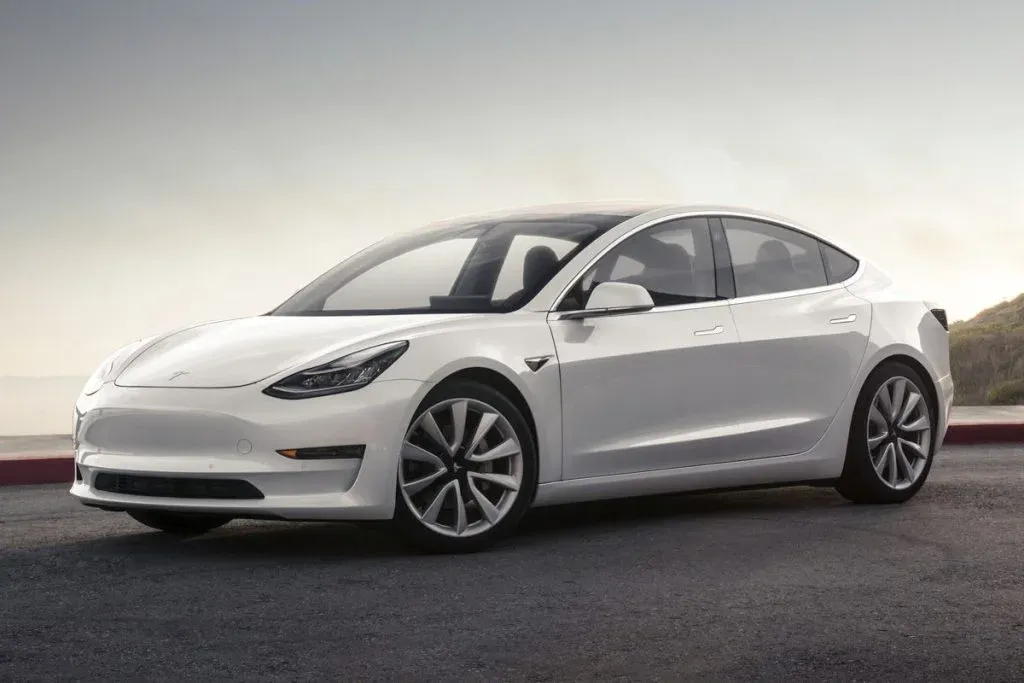
It is important to separate the current situation from a confirmed safety recall. A recall usually requires a defined defect, an affected vehicle population, and a remedy such as an inspection, replacement part, software update, or reimbursement plan. An investigation is an earlier step. It can lead to a recall, be expanded, be narrowed, or be closed without further action.
That uncertainty matters for owners because there may not be an immediate free repair campaign tied to this review. If a Tesla is out of warranty and develops a suspension concern, owners may still need to work through normal service channels unless a formal recall or special service action is later announced.
Owners should keep copies of repair invoices, diagnostic notes, photos, tow receipts, and any communications about suspension or steering complaints. Good documentation can help if a broader campaign is launched later, particularly if reimbursement becomes part of a remedy.
What owners should watch for
A suspension problem does not always begin with a dramatic failure. Warning signs can be subtle at first. Owners should take note of clunks over bumps, popping sounds while turning, vibration through the steering wheel, a pull to one side, abnormal tire wear, a visibly tilted wheel, or a steering wheel that no longer returns to center normally.
Any sudden change in handling should be treated as a safety issue. If the vehicle feels unstable, makes a loud metallic noise, or shows a wheel-position problem, it is safer to stop driving and arrange a tow than to continue to a service appointment.
Tesla owners can schedule service through the vehicle app, but a second opinion may be useful for vehicles outside warranty or for used-car buyers. Independent EV repair facilities and alignment specialists can often identify worn control arms, bushings, links, ball joints, or other suspension components, though access to Tesla parts and procedures may vary by location.
What used Tesla shoppers should do
The investigation is especially relevant for used-car buyers because suspension wear can be expensive and may not be obvious during a short test drive. Before buying a used Tesla, shoppers should review the vehicle’s service records, check whether any open safety campaigns apply, and inspect tire wear carefully. Mismatched or heavily worn tires may point to alignment or suspension issues.
A pre-purchase inspection should include a lift inspection of suspension links, bushings, joints, wheel bearings, tires, underbody panels, and evidence of prior impact damage. Buyers should also test the car on smooth pavement, rougher roads, and at parking-lot speeds where clunks and turning noises are easier to hear.
The issue should not automatically disqualify every used Tesla from consideration. Many vehicles in a large investigation population may never experience the reported problem. But the size of the review makes diligence more important, especially for shoppers comparing Tesla ownership costs with gasoline vehicles or newer EV rivals.
Why this matters for the EV market
Tesla remains one of the most influential EV manufacturers, so large safety investigations can shape buyer confidence across the broader electric-vehicle market. As EVs move from early adopters to mainstream households, expectations around durability, repair transparency, and long-term ownership costs are rising.
The case also highlights the limits of software-led vehicle ownership. Tesla can fix many issues remotely, but suspension failures are physical hardware problems. If investigators determine that parts need inspection or replacement, that work would require service capacity, parts availability, and clear communication with owners.
For the industry, the investigation reinforces a basic point: EV technology may be new, but buyers still judge vehicles on traditional fundamentals such as steering feel, ride quality, tire wear, braking, and mechanical durability. A quiet cabin and quick acceleration are valuable, but they do not reduce the importance of robust chassis components.
What happens next
The next steps depend on what investigators find. They may request more data, analyze complaint patterns, review warranty claims, inspect failed parts, or evaluate whether specific production ranges are affected. If a safety defect is identified, a recall could follow. If the evidence does not support a defect finding, the review could be closed.
Until there is a final determination, Tesla owners do not need to assume their vehicles are unsafe, but they should not ignore symptoms. Suspension and steering complaints deserve prompt attention on any vehicle, electric or not.
For buyers, the best approach is balanced: recognize that an investigation involving nearly 1.2 million vehicles is significant, but also understand that it is part of a fact-finding process. The most useful steps are practical ones—check for open campaigns, inspect carefully before buying, document repairs, and respond quickly to any change in how the vehicle drives.