NHTSA Reviews Honda Odyssey Complaints Over Possible Airbag Deployments Without a Crash
Federal safety regulators are reviewing complaints involving 2011-2017 Honda Odyssey minivans after claims that airbags may deploy when no crash has occurred. The review is not a recall or a defect finding.
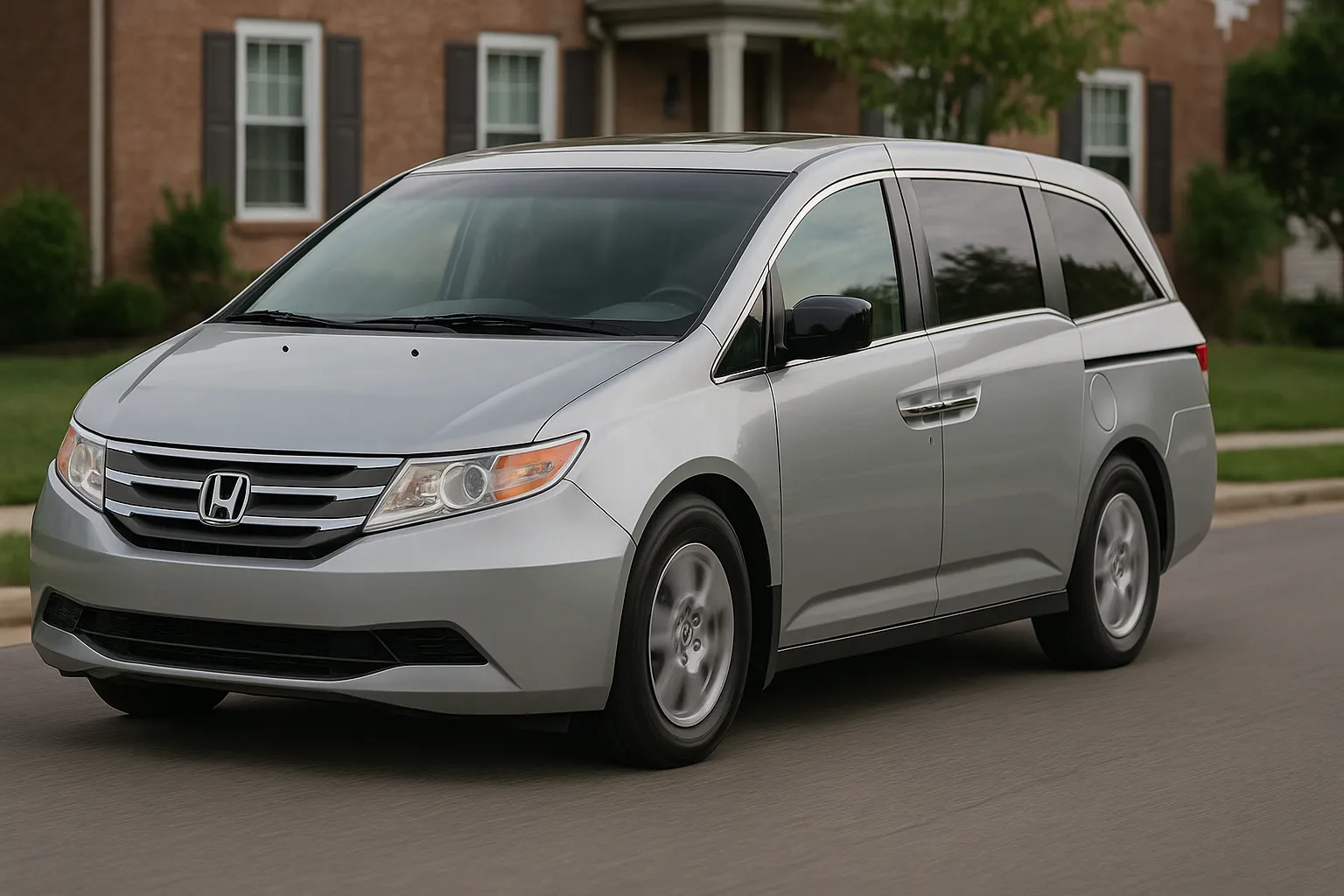
Federal auto-safety regulators are reviewing complaints involving the 2011-2017 Honda Odyssey after reports that airbags may deploy when the minivan has not been involved in a crash. The action covers an estimated 806,963 vehicles from those model years and is currently described as a defect-petition review, not a recall and not a final determination that a safety defect exists.
That distinction matters. A defect petition is one of the early mechanisms that can bring an issue onto the National Highway Traffic Safety Administration’s formal radar. It allows regulators to evaluate whether complaints, field data, manufacturer information, or other evidence justify a deeper investigation. The agency can deny the petition, request additional information, or move toward a broader safety probe. Only later could the matter lead to a recall, service campaign, or no action at all.
For Odyssey owners, the key takeaway is simple: there is no new repair program tied to this review at this stage. But because the allegation involves airbags—one of a vehicle’s most important safety systems—the review is worth following, especially for families using these minivans as daily transportation.
What is being reviewed
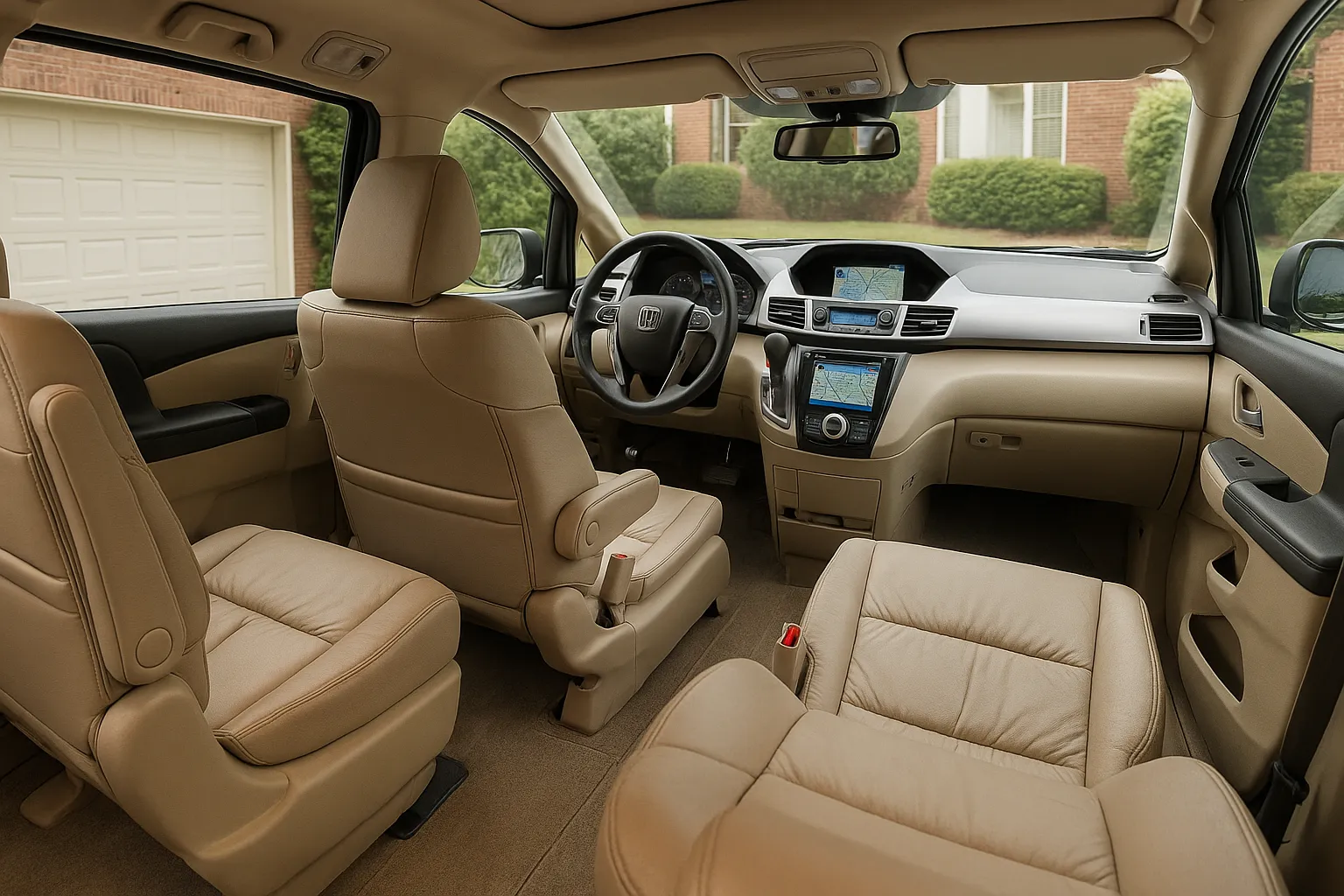
The review centers on claims that airbags in certain fourth-generation Honda Odyssey models may deploy without a collision. The affected population listed for review spans the 2011 through 2017 model years, which covers the full run of that Odyssey generation in the U.S. market.
Unexpected airbag deployment can create several risks. An airbag is designed to inflate extremely quickly during a crash, and if it deploys in normal driving, it can startle the driver, obscure visibility, cause minor injuries, or lead to loss of vehicle control. It can also leave the vehicle in need of costly repairs, because deployed airbags, sensors, trim panels, seatbelt components, and control modules may need replacement.
The available information does not establish how many confirmed incidents have occurred, which airbags are alleged to be involved, or whether any injuries are linked to the complaints. It also does not identify a confirmed root cause. Those are the kinds of questions regulators typically examine during a petition review or any investigation that may follow.
Not the same as a recall
A safety review can sound alarming, but owners should avoid treating it as proof that every 2011-2017 Odyssey has a defective airbag system. At this point, the government has not ordered Honda to recall the vehicles for this issue, and there is no announced fix connected to the airbag-deployment complaints.
Recalls happen when a manufacturer or the government determines that a vehicle or component has a safety-related defect or fails to meet a federal safety standard. A defect-petition review is earlier and more limited. It is a screening step to decide whether the evidence supports further action.
That means buyers shopping for a used Odyssey should not automatically cross these model years off their list. The Odyssey remains a popular family hauler because of its passenger space, sliding doors, cargo flexibility, and long-running reputation among minivans. Still, this review adds another item to check during pre-purchase research.
Why this matters for used-minivan shoppers
The 2011-2017 Odyssey is now firmly in used-car territory, with many examples serving second or third owners. That can complicate safety communication. Recall notices may go to outdated addresses, maintenance records can be incomplete, and independent repair histories may not include software updates or dealer inspections.
Anyone considering one of these minivans should run the vehicle identification number through official recall lookup tools and ask a Honda dealer to check for open campaigns. A pre-purchase inspection is also worthwhile, particularly if the vehicle has prior accident damage, warning lights, water intrusion, or evidence of electrical repairs.
Because the current airbag matter is only under review, a VIN check may not show anything related to it. That does not mean the review is irrelevant; it simply means there is no recall remedy to look up yet. Prospective buyers can still ask the seller whether the airbag warning light has ever illuminated, whether any airbags or crash sensors have been replaced, and whether the vehicle has had unexplained electrical problems.
What current owners should do
Owners of 2011-2017 Honda Odyssey models should first make sure all existing recalls and service campaigns have been completed. This is good practice for any older family vehicle, and it is especially important for a model that has recently drawn regulatory attention for a separate issue involving rearview-camera systems on more than 325,000 vehicles.
If an airbag warning light appears, owners should not ignore it. The supplemental restraint system is complex, and a fault light can indicate a problem with sensors, wiring, control units, seatbelt components, or airbag modules. A qualified technician can scan the system and determine whether the vehicle is safe to drive or needs repair.
If an airbag deploys without a crash, the owner should document the event carefully. Useful information includes the date, speed, road conditions, weather, whether any warning lights were present, which airbag deployed, whether there was a pothole or curb impact, whether injuries occurred, and what diagnostic codes were stored afterward. Reporting the incident to regulators helps build the record used to evaluate whether a broader safety issue exists.
Owners should also contact Honda or a franchised dealer before authorizing major repairs when possible. Airbag-related repairs can be expensive, and preserving diagnostic data may be important if the issue becomes part of a wider investigation.
The broader industry context
Modern airbag systems depend on a network of sensors and software that must distinguish between crash events and non-crash events in fractions of a second. Automakers calibrate these systems to account for impacts, vehicle speed, deceleration, rollover risk, seat occupancy, and other variables. False deployments are uncommon, but when they are alleged, they draw attention because the system is supposed to remain inactive until needed.
For the industry, the Odyssey review is a reminder that safety oversight does not end when a vehicle leaves production. Older vehicles can generate new concerns years later as mileage accumulates, components age, repair histories vary, and vehicles operate in different climates. Regulators often rely on owner complaints, warranty data, field reports, and manufacturer responses to decide whether an issue is isolated or systemic.
For Honda, the review arrives as the fourth-generation Odyssey continues to play a major role in the used-minivan market. These vehicles are common family transportation, ride-share support vehicles, road-trip machines, and accessible cargo haulers. Any potential restraint-system issue in such a high-volume model has practical importance beyond enthusiast circles.
What happens next
The next step is regulatory evaluation. The review may end without further action if the available evidence does not support opening a broader investigation. It could also lead to a more formal probe if regulators determine that the complaints warrant deeper technical analysis.
Until there is a recall or official repair instruction, the best approach for owners is to stay informed, keep recall records current, pay attention to airbag warning lights, and report unusual restraint-system behavior. For shoppers, the review should be part of the due-diligence process rather than a reason for panic.
The Odyssey remains one of the most recognizable minivans on American roads. This review does not change that overnight, but it does underline why safety history, maintenance documentation, and VIN-based recall checks are essential when buying or owning an older family vehicle.