Nissan Ends Altima and Rogue Plug-In Hybrid as Lineup Shifts
Nissan is discontinuing the Altima sedan and Rogue Plug-In Hybrid, narrowing its current lineup while clearing room for upcoming products, including off-road-focused models.
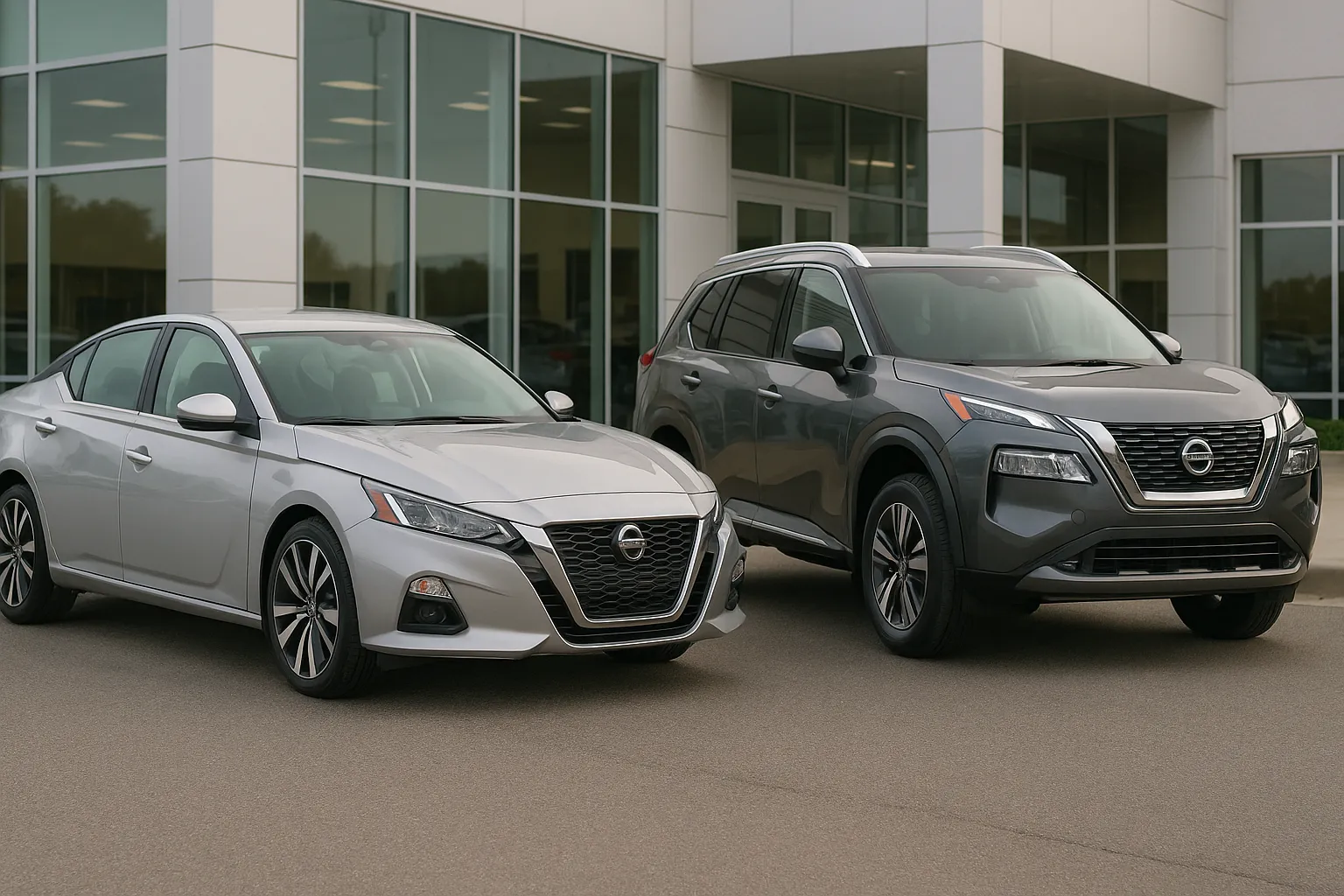
Nissan is trimming two familiar pieces from its U.S. product plan: the Altima midsize sedan and the Rogue Plug-In Hybrid. The move ends one long-running mainstream sedan nameplate and removes a plug-in version of Nissan’s best-known compact SUV from the near-term lineup.
The decision comes after the Altima had appeared to get a short stay of execution for the 2026 model year. Nissan had previously indicated the sedan would continue, but the company’s latest product direction now points elsewhere. The Rogue Plug-In Hybrid is also being dropped as Nissan makes space for future models, including vehicles expected to broaden the brand’s SUV and adventure-oriented offerings.
For shoppers, the change matters because it reduces choice in two different parts of the market. Buyers looking for an affordable, conventional midsize sedan will have one fewer option. Buyers hoping for a Nissan-branded plug-in hybrid compact SUV will need to consider remaining inventory, used examples, or alternatives from other brands.
The Altima’s exit marks another sedan retreat
The Altima has been a core Nissan nameplate for decades, competing against cars such as the Toyota Camry, Honda Accord, Hyundai Sonata, and Kia K5. It has traditionally appealed to buyers who wanted a spacious four-door with lower operating costs than many SUVs, plus available all-wheel drive in recent years.
Its discontinuation is part of a broader industry pattern rather than an isolated product decision. Mainstream sedans have lost ground as buyers continue to favor crossovers and SUVs. Automakers have responded by redirecting investment toward utility vehicles, electrified platforms, and higher-margin models. Nissan is not alone in reducing sedan emphasis, but the Altima’s departure is significant because it leaves a smaller field for shoppers who still prefer traditional cars.
The Altima also held a practical role in the market. It was one of the more attainable midsize sedans available from a major brand, and it offered a familiar ownership formula: a roomy cabin, efficient four-cylinder power, broad dealer support, and predictable daily usability. For commuters, families, fleet users, and buyers who did not want the ride height or price of an SUV, that combination still had value.
With the Altima leaving, Nissan’s car lineup becomes more dependent on smaller sedans and performance or specialty models, depending on availability by model year and market. The shift puts more pressure on Nissan’s crossovers to cover ground once shared by both sedans and SUVs.
Rogue Plug-In Hybrid cancellation narrows electrified choice
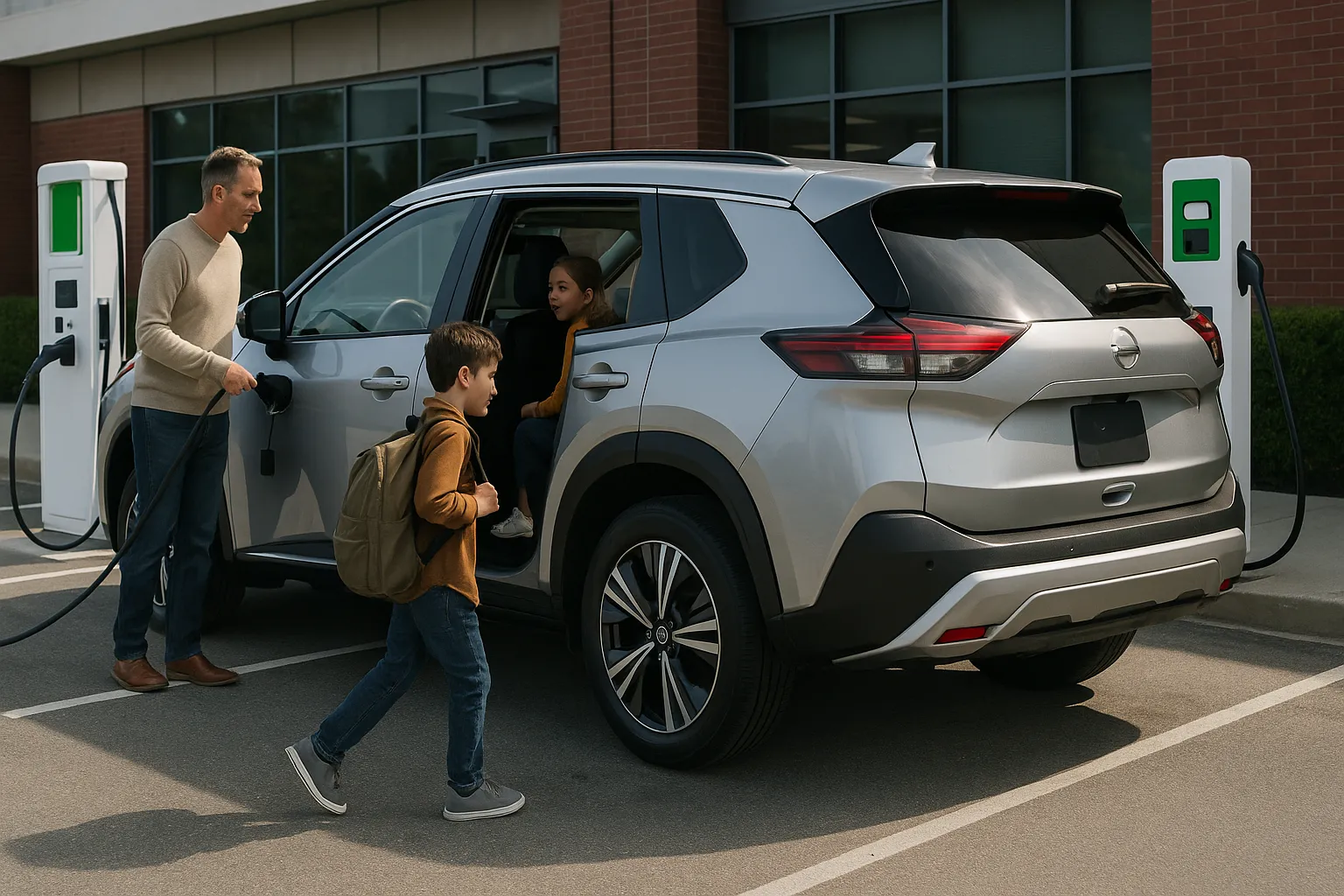
The Rogue Plug-In Hybrid’s end is notable for a different reason. Compact SUVs are among the most important vehicles in the U.S. market, and plug-in hybrids occupy a useful middle ground for many buyers. They can provide electric driving for short daily trips while retaining gasoline range for longer drives.
That formula has become increasingly attractive to shoppers who are interested in electrification but not ready to rely on a fully electric vehicle. Plug-in hybrids can be especially compelling for households with home charging access, predictable commutes, and occasional road-trip needs. Removing the Rogue Plug-In Hybrid from the plan leaves Nissan without that specific answer in one of the industry’s highest-volume segments.
The standard Rogue remains a central model for the brand, and Nissan still has electrification experience through vehicles such as the Leaf and Ariya. Even so, a plug-in hybrid Rogue would have addressed a different buyer: someone who wants an SUV body style, electric capability, and gas-engine backup in one package.
This change may also affect how Nissan competes against brands offering hybrid or plug-in hybrid compact SUVs. Toyota, Hyundai, Kia, Ford, Mitsubishi, and others have leaned into electrified crossover choices to varying degrees. As emissions rules, fuel prices, and consumer preferences continue to shift, plug-in hybrids remain strategically important even as full EV development continues.
Why Nissan is making room
Nissan’s lineup reshuffling appears tied to a larger effort to refocus product investment. The company has been expected to add new or revived nameplates, including an Xterra-style model aimed at buyers interested in rugged SUVs. That kind of product fits a market where off-road branding, outdoor styling, and lifestyle-oriented capability have become major sales tools.
A revived Xterra would speak directly to enthusiasts who remember Nissan’s earlier body-on-frame SUV, but the business case is broader than nostalgia. Adventure-themed SUVs have become a profitable niche, with buyers paying for tougher styling, ground clearance, all-terrain hardware, and factory-backed accessories. Even models that are not extreme off-roaders can benefit from that image.
For Nissan, the challenge is balancing heritage with market realities. Dropping the Altima frees resources from a shrinking sedan segment. Ending the Rogue Plug-In Hybrid avoids supporting a powertrain and product variant that may not fit the company’s revised priorities. But those decisions also create gaps that rivals can exploit.
What buyers should do now
Anyone considering an Altima should pay close attention to remaining dealer inventory, incentives, and model-year availability. Discontinued vehicles can sometimes become strong values if dealers are motivated to clear stock. However, shoppers should compare prices carefully because reduced supply can also limit color, trim, and option choices.
A discontinued model is not automatically a bad purchase. Owners should still have access to warranty coverage, service, and parts support through Nissan’s dealer network. The Altima’s long production history and mainstream mechanical layout should help with maintenance familiarity. The bigger concern is resale value, which can vary depending on demand, incentives, and how quickly buyers shift away from the nameplate.
For Rogue Plug-In Hybrid shoppers, the situation is more specific. If new inventory exists, buyers should examine tax-credit eligibility, charging needs, warranty details, and long-term ownership costs. Plug-in hybrids are most beneficial when owners can charge regularly. Without routine charging, the added hardware may not deliver its full value compared with a conventional hybrid or gasoline SUV.
Shoppers who wanted a Nissan PHEV may need to cross-shop other compact SUVs with plug-in capability. They should compare electric-only range, total driving range, cargo space, charging speed, and real-world fuel economy after the battery is depleted. Lease terms may also be worth considering because electrified-vehicle incentives and residual values can change quickly.
The industry takeaway
Nissan’s decision highlights the tension facing automakers in 2026. Companies need to fund future products, meet regulatory requirements, and compete in profitable SUV segments, but they also risk abandoning buyers who still want affordable sedans or transitional electrified models.
The Altima’s end further confirms that the mainstream sedan market is becoming a smaller club. The Rogue Plug-In Hybrid’s cancellation shows that electrification plans remain fluid, especially as automakers weigh plug-in hybrids against conventional hybrids, EVs, and internal-combustion SUVs.
For enthusiasts, the trade-off may be mixed. Losing the Altima removes a familiar everyday sedan from Nissan showrooms. Gaining future SUVs, potentially including an Xterra-inspired model, could give the brand more personality in a crowded market. For the industry, the message is clear: product portfolios are being rewritten around where automakers believe demand and profit will be strongest next.