Nissan Leaf Nismo Debuts With Sharper Chassis and No Power Boost
The new Nissan Leaf Nismo gives the electric family crossover a lower, more aggressive look and chassis upgrades, but it does not add extra motor output.
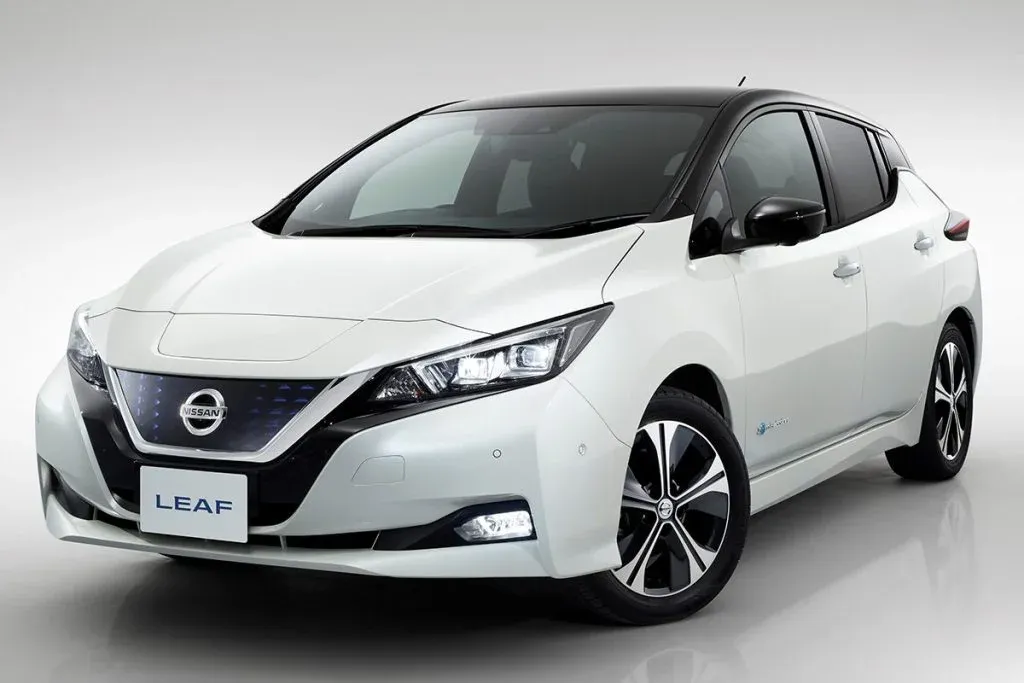
Nissan has revealed a new Leaf Nismo, giving its latest-generation electric family car a sportier look and a more focused chassis setup without increasing power.
The model follows a familiar Nismo formula for road cars that sit below full performance flagships: a more assertive body kit, red-accented detailing, suspension revisions and cabin changes designed to make the car feel more special. What it does not bring is a more powerful electric motor or a major change in straight-line performance.
That makes the Leaf Nismo an interesting addition to Nissan’s expanding performance-branded lineup, but not a true electric hot hatch in the traditional sense. For buyers, the key question is whether a sharper-feeling Leaf with stronger visual character is enough, especially when many EV shoppers now expect performance variants to come with meaningful power upgrades.
What changes on the Leaf Nismo
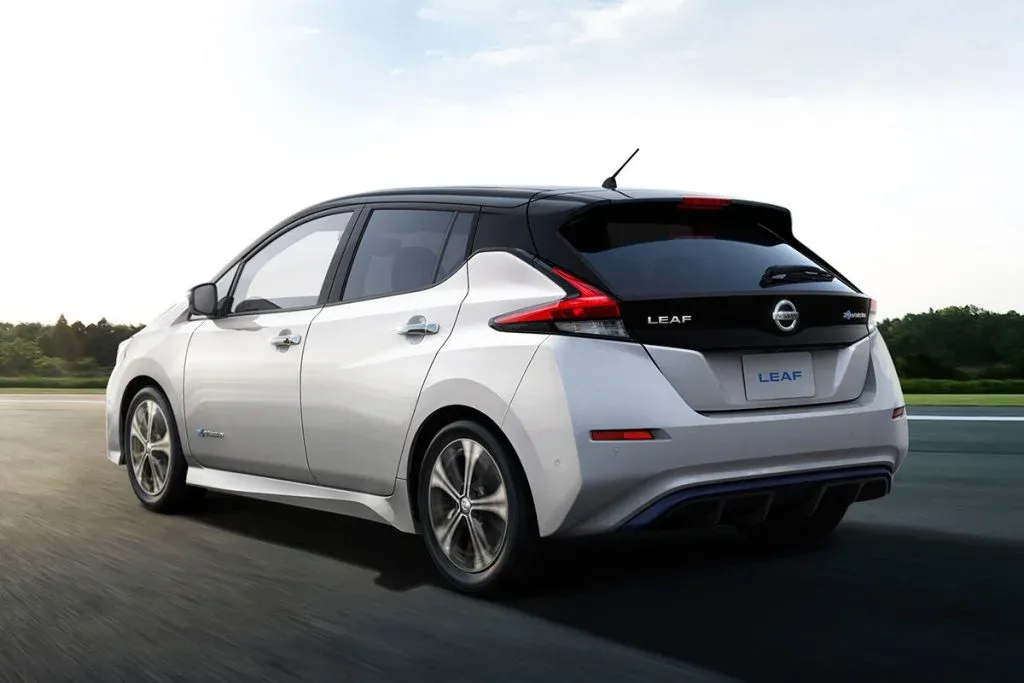
The new Leaf has moved away from the original hatchback format and into a more crossover-like shape, and the Nismo treatment leans into that broader stance. The exterior gains a more aggressive front end, deeper lower body elements and the familiar red Nismo highlights that have become a signature of Nissan’s performance arm.
The changes are not just cosmetic. Nissan has fitted dedicated lowering springs, revised stabilisers and new bushes intended to increase body control and improve steering response. The Leaf Nismo also uses uprated dampers, with the aim of reducing roll and making the car feel more alert through corners.
Those changes matter because the standard Leaf is designed primarily as an easy-going electric family car. EVs often feel quick in town because of instant torque, but their battery weight can make them feel less agile when driven harder. Nissan’s chassis work appears targeted at making the Leaf feel tidier and more responsive rather than dramatically faster.
Nissan describes the result as a more agile take on the Leaf, with everyday usability still intact. That positioning is important: this is not a stripped-out track special, nor is it a replacement for a dedicated performance EV. It is a sportier version of a mainstream electric crossover.
No extra output
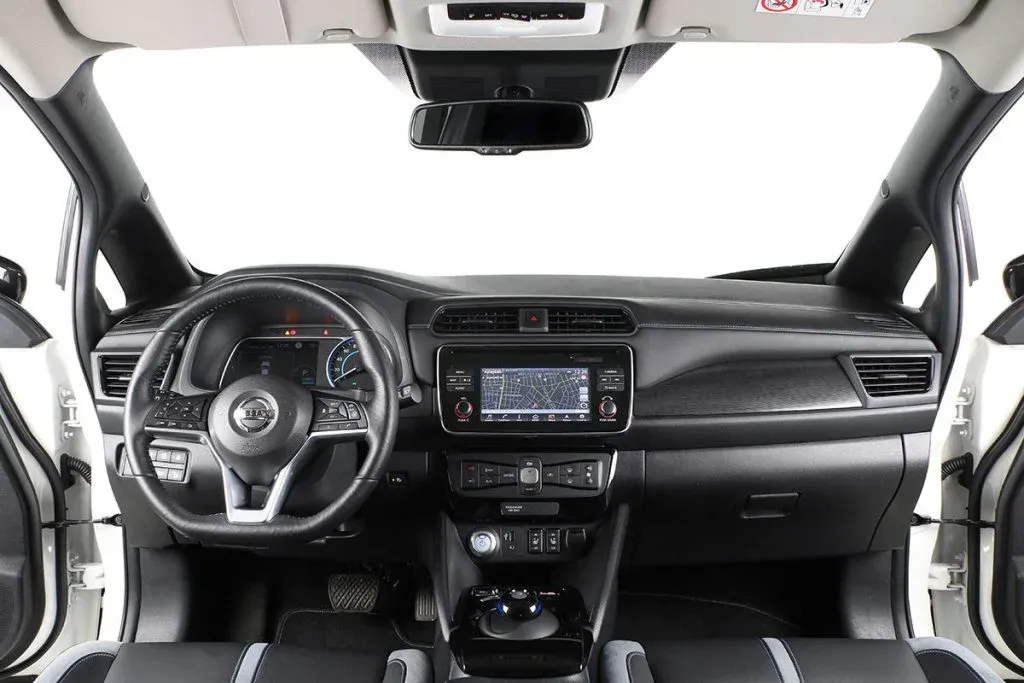
The biggest limitation for enthusiasts is that the Leaf Nismo does not receive a more powerful electric drivetrain. Output is understood to be unchanged from the regular version on which it is based, so the performance gains are likely to come from handling feel rather than acceleration.
That separates the Leaf Nismo from many modern performance EVs, where the performance model often brings a second motor, a larger battery, higher peak output or dedicated launch-control software. Nissan has instead chosen a subtler route: make the car look and feel sharper, but avoid the cost and complexity of a major powertrain change.
There is logic to that decision. More power can reduce efficiency, raise prices and increase demands on cooling and braking hardware. For a compact family EV, a lower, better-controlled chassis may be more relevant in daily use than a significant jump in horsepower. Still, the Nismo badge carries expectations, and some shoppers will see the lack of added power as a missed opportunity.
A familiar Nismo approach
This is not the first time the Leaf has worn Nismo branding. Nissan previously offered a Nismo version of the second-generation Leaf in Japan, while the wild Leaf Nismo RC demonstrated what an electric Nissan with serious circuit intent could look like. The new model sits much closer to the road-car end of that spectrum.
It also arrives as Nissan works to apply Nismo branding more widely across its lineup. The strategy is broader than simply building high-output sports cars. Nismo is increasingly being used to give mainstream models stronger visual identity and more driver-focused tuning.
That can help Nissan differentiate its electric cars at a time when many EVs are converging around similar performance numbers, touchscreen-heavy interiors and aerodynamic shapes. A Nismo version gives the Leaf a clearer enthusiast angle, even if the hardware beneath it remains close to the standard car.
Why it matters for EV buyers
For buyers considering an electric family car, the Leaf Nismo points to a growing split in the EV market. Not every sporty EV will be about huge horsepower or supercar acceleration. Some brands are trying to create lower-cost, more attainable performance-flavored models that prioritize appearance, steering feel and suspension tuning.
That could appeal to drivers who want an EV that looks more distinctive without sacrificing the usability, range and comfort expected from a daily car. It may also interest long-time Nissan fans who like the Nismo identity but do not need, or cannot justify, a more expensive performance model.
The downside is value perception. If the Nismo commands a meaningful premium over a regular Leaf, shoppers will need to decide whether the styling and chassis work are worth it without an accompanying power increase. In the EV world, where even ordinary models can feel brisk, the absence of extra output may be less of a deal-breaker for some drivers. For others, it will make the car feel more like a trim package than a genuine performance variant.
Availability remains limited
Market availability is still an important unanswered question. The previous Leaf Nismo was sold in Japan, and early indications suggest the new version may also be limited rather than widely exported. UK sales have not been confirmed, and the model is not expected to reach every market where the standard Leaf is offered.
That matters because the Leaf name has long had global recognition. It helped bring electric motoring into the mainstream, and the latest model is part of Nissan’s attempt to keep the nameplate relevant as competition intensifies. A Nismo variant could give the car more showroom appeal, but only if customers in key markets can actually buy it.
For now, the new Leaf Nismo should be viewed as a sharper, more characterful version of Nissan’s electric crossover rather than a full performance breakthrough. It brings meaningful suspension changes and a stronger visual identity, but leaves the electric drivetrain alone.
For enthusiasts, that may not be enough to make it a dream EV. For everyday buyers who want a Leaf with more attitude, it could be exactly the kind of restrained performance treatment that makes sense.