Nissan Raises North American Output as Rogue, Pathfinder and Frontier Take Priority
Nissan is increasing North American production of core models including the Rogue, Pathfinder and Frontier, a move that could improve supply, reduce tariff risk and give dealers more room to compete in a softer U.S. market.
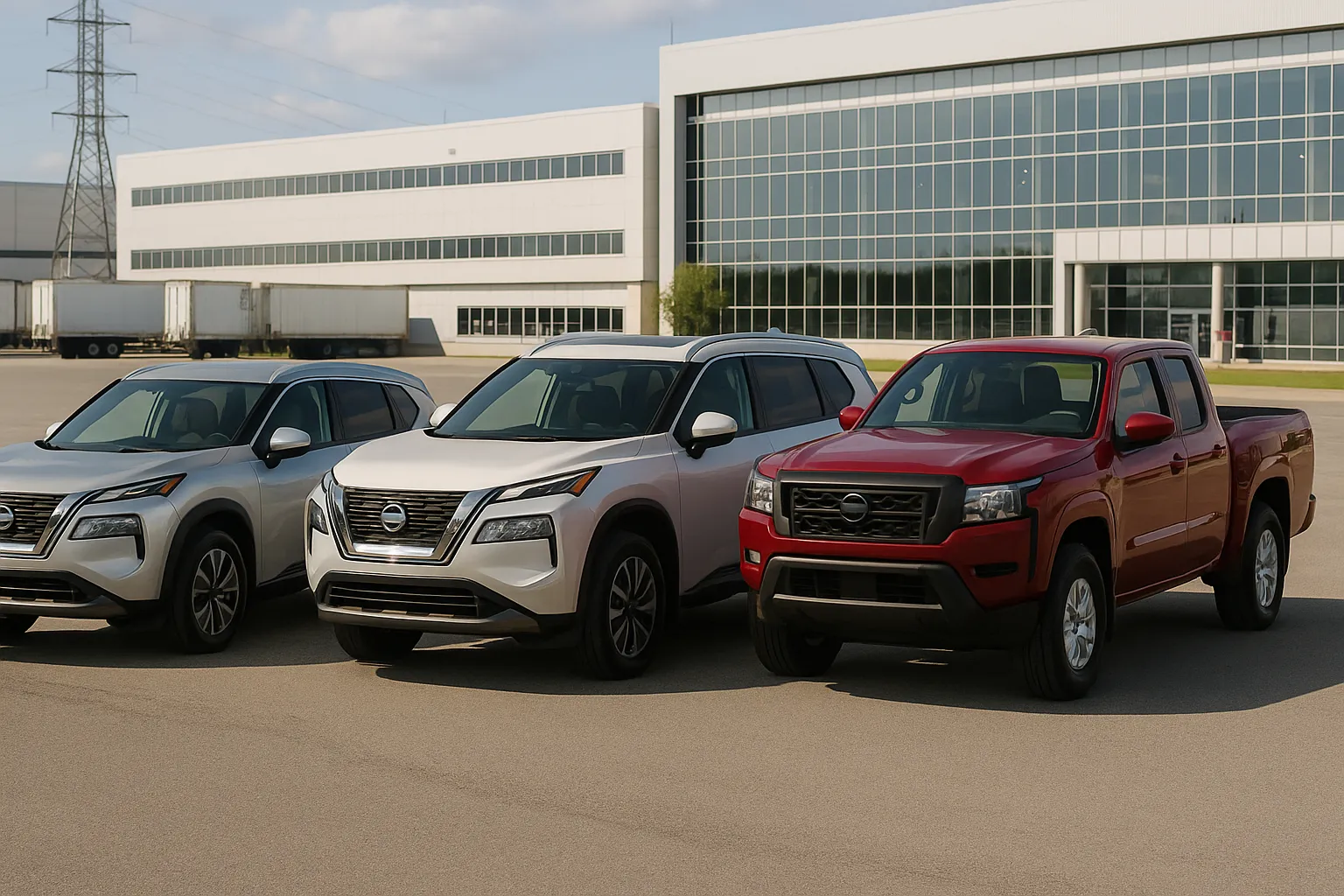
Nissan is increasing North American production of some of its most important U.S.-market vehicles, with the Rogue, Pathfinder and Frontier at the center of the push. The move comes as the automaker works to strengthen its position in the United States while limiting exposure to trade costs that can affect imported vehicles.
The production increase is significant because these are not niche products. The Rogue is Nissan’s highest-volume nameplate in the U.S., competing in the compact SUV segment against the Toyota RAV4, Honda CR-V, Chevrolet Equinox and Hyundai Tucson. The Pathfinder gives Nissan a three-row family SUV in one of the market’s most competitive categories. The Frontier, meanwhile, is Nissan’s entry in the midsize pickup segment, where buyers often cross-shop the Toyota Tacoma, Chevrolet Colorado, GMC Canyon and Ford Ranger.
For car shoppers, the practical result could be more availability of Nissan’s mainstream models at dealerships. When automakers build more vehicles close to where they are sold, they can sometimes respond faster to local demand, reduce shipping complications and give retailers a steadier flow of inventory. That does not automatically mean lower prices, but it can improve the odds of finding the desired trim, color and powertrain without waiting or compromising.
Why North American production matters
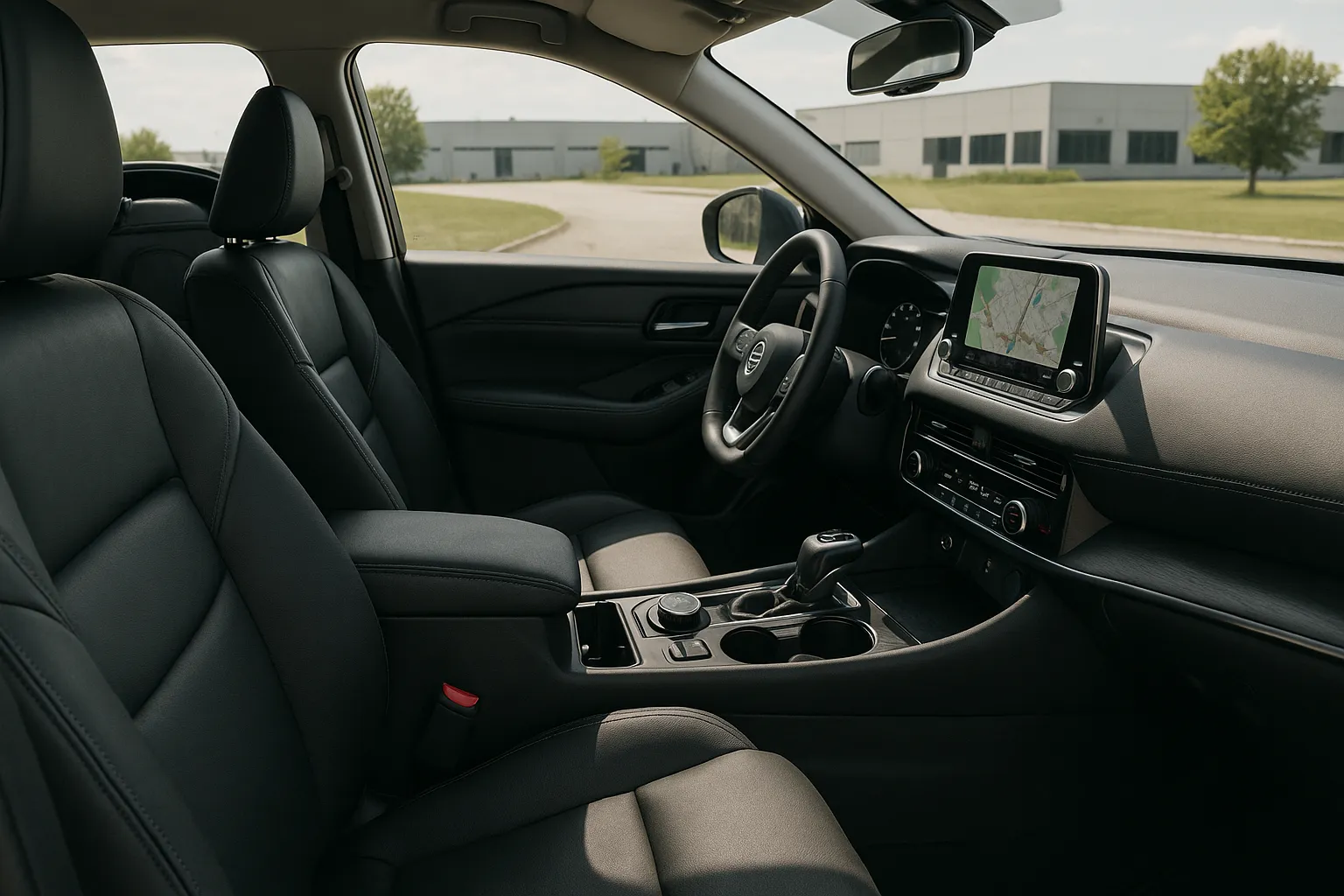
Nissan’s larger North American manufacturing push also reduces the risk tied to importing vehicles into the U.S. market. Vehicles assembled outside the region can be more vulnerable to tariffs, exchange-rate swings, port delays and policy changes. Local or regional production does not make those risks disappear entirely, because parts still move through global supply chains, but it can make final vehicle pricing less exposed to sudden import-cost changes.
That matters in a market where affordability remains a major concern. New-vehicle prices are still high by historical standards, and buyers are sensitive to monthly payments, interest rates and incentives. If Nissan can build more of its key U.S. products in North America, it may have more flexibility to protect margins, support discounts or simply avoid passing along higher import-related costs.
The Rogue, Pathfinder and Frontier are especially important because they sit in segments where Nissan needs to stay visible. Compact SUVs remain the heart of the U.S. retail market. Three-row crossovers are essential for families that have moved away from minivans and traditional sedans. Midsize pickups continue to attract buyers who want truck capability without the size or cost of a full-size model.
A turnaround depends on the right products

Nissan’s U.S. business has been in a rebuilding phase, and production planning is a key part of that effort. A turnaround is not only about fresh advertising or short-term discounts. It also depends on having the right vehicles in the right places at the right time.
In recent years, the industry has repeatedly shown how quickly inventory swings can change the balance of power between automakers, dealers and customers. Too little supply can push buyers to rival brands. Too much supply can force heavier incentives that hurt profits and residual values. Nissan’s decision to raise North American output suggests it wants to support sales momentum without relying solely on imports or aggressive price cuts.
The reported increase in regional output, described as a 24 percent production rise, points to a meaningful shift rather than a minor scheduling adjustment. The exact distribution by plant, trim and model mix has not been detailed publicly in full, so shoppers should not assume every dealer will immediately receive more inventory of every version. Still, the models named in the production increase are the ones most likely to affect everyday retail traffic.
What shoppers may notice at dealers
The most visible change could be improved selection. Rogue buyers may see more choices among front-wheel-drive and all-wheel-drive models, family-focused trims and higher-content versions. Pathfinder shoppers may benefit if more units reach dealers in popular configurations. Frontier buyers could see better availability across cab, bed and off-road-oriented variants, though truck demand varies heavily by region.
More supply can also influence negotiations. Dealers with healthier inventory are typically less dependent on holding firm at sticker price, especially in a softer market. That does not guarantee deep discounts, and incentives will still vary by region, trim and model-year timing. But a stronger production base gives Nissan more tools to compete with brands that already have deep U.S. manufacturing footprints.
Owners may see an indirect benefit as well. A stronger sales and production base can support parts distribution, dealer throughput and brand confidence. However, increased production alone does not determine long-term resale values. Those still depend on reliability, demand, incentives, fuel prices and how well each model holds up against newer competitors.
Industry implications
Nissan’s production shift fits a broader industry pattern: automakers are trying to localize more output for their most important markets. The reasons are both economic and political. Shipping vehicles across oceans adds cost and complexity. Trade policy can change quickly. Regional manufacturing also helps brands present themselves as more invested in the markets where they sell.
For Nissan, the U.S. is too important to treat as a secondary market. The company needs strong performance from core crossovers and trucks while it continues to manage the transition toward electrification, software-driven vehicles and more efficient production. The Rogue, Pathfinder and Frontier may not be the newest technology flagships in the lineup, but they are the kinds of vehicles that keep showrooms active and factories busy.
The move also highlights the tension facing many automakers in 2026. Demand is not collapsing, but it is more price-sensitive. Buyers still want SUVs and trucks, yet they are weighing higher borrowing costs and monthly budgets. Automakers with flexible regional production may be better positioned to adjust output, manage incentives and avoid sudden pricing shocks.
The bottom line
Nissan’s North American production increase is not just a factory story. It is a retail-market strategy. By building more Rogue, Pathfinder and Frontier models closer to U.S. buyers, Nissan can reduce tariff exposure, strengthen dealer inventory and improve its ability to compete in high-volume segments.
For shoppers, the potential upside is straightforward: better availability and possibly more competitive deals, especially if the broader market remains soft. For Nissan, the stakes are larger. A successful U.S. turnaround depends on more than making extra vehicles; it depends on building the models customers actually want, pricing them carefully and keeping supply aligned with demand.