Nissan Returns to Profit After Two Years of Losses
Nissan is back in the black after a difficult stretch marked by weak sales, restructuring pressure and abandoned Honda tie-up talks. The recovery is encouraging, but the automaker still faces major product and profitability tests.
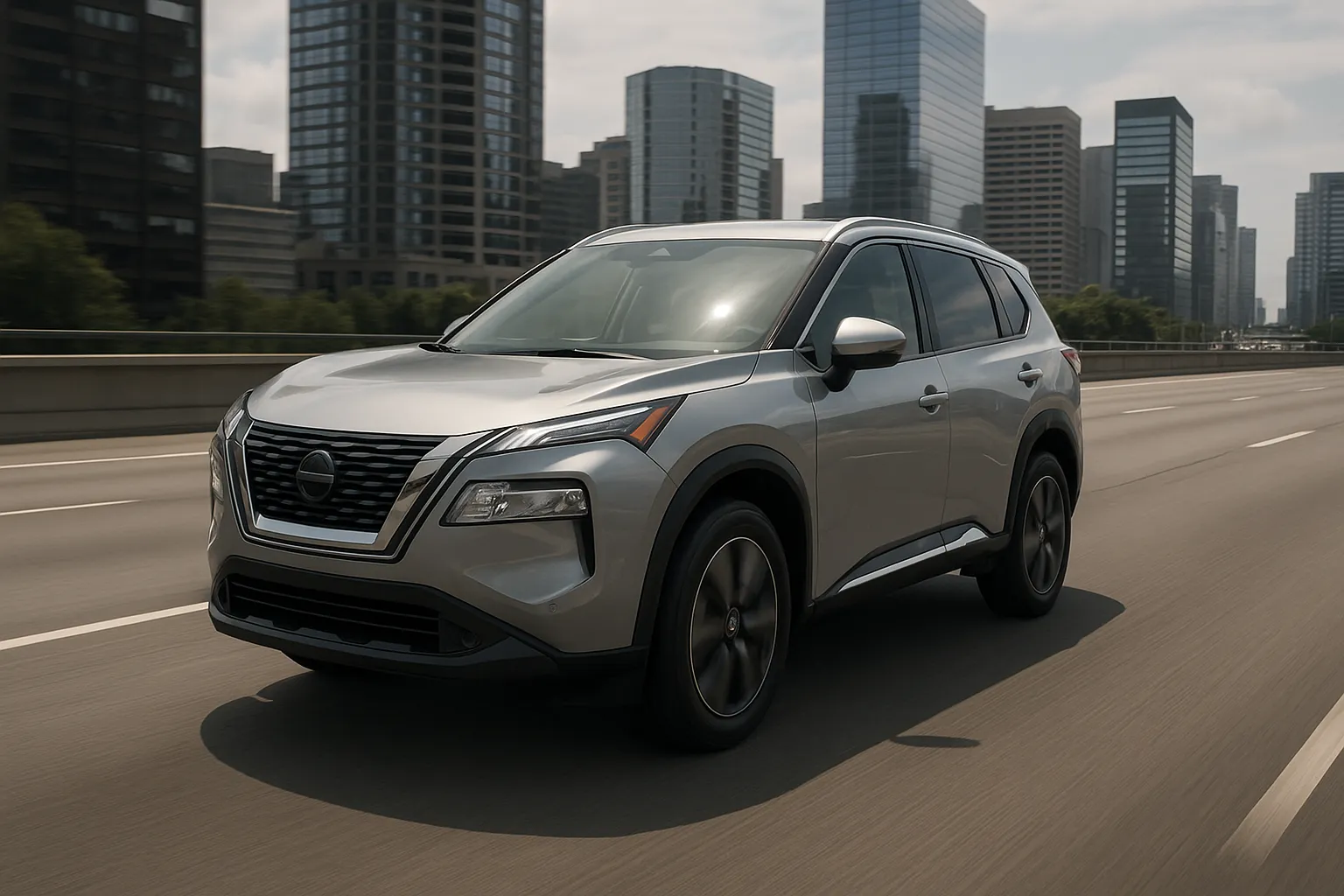
Nissan has returned to profit after two years of losses, giving the automaker a badly needed sign of stability after one of the most difficult periods in its modern history.
The result matters beyond the company’s balance sheet. Nissan is a major global carmaker with a large footprint in North America, Japan, Europe and emerging markets. Its financial health affects future products, dealer investment, parts availability, motorsport programs, electric-vehicle development and the pace at which new technology reaches showrooms.
A return to the black does not mean the turnaround is complete. It does mean Nissan has bought itself more time.
A recovery after a rough stretch

Nissan’s recent troubles were not caused by a single issue. The company has been dealing with weaker sales momentum, an aging or uneven product mix in key markets, pressure from electrification costs, intense competition from Chinese automakers, and the long tail of management upheaval after the Carlos Ghosn era.
The automaker also faced uncertainty around its strategic direction. Talks with Honda over a deeper partnership collapsed, removing what some investors viewed as a possible shortcut to scale in software, electrification and manufacturing efficiency. The idea of a closer Honda-Nissan arrangement was significant because both companies face the same industry pressures: costly EV development, lower-cost Chinese rivals, software-defined vehicle investments and the need to spread new technology across enough vehicles to make it profitable.
With that route closed, Nissan’s latest profit puts the emphasis back on its own restructuring efforts and product plan.
Why profit matters to car buyers
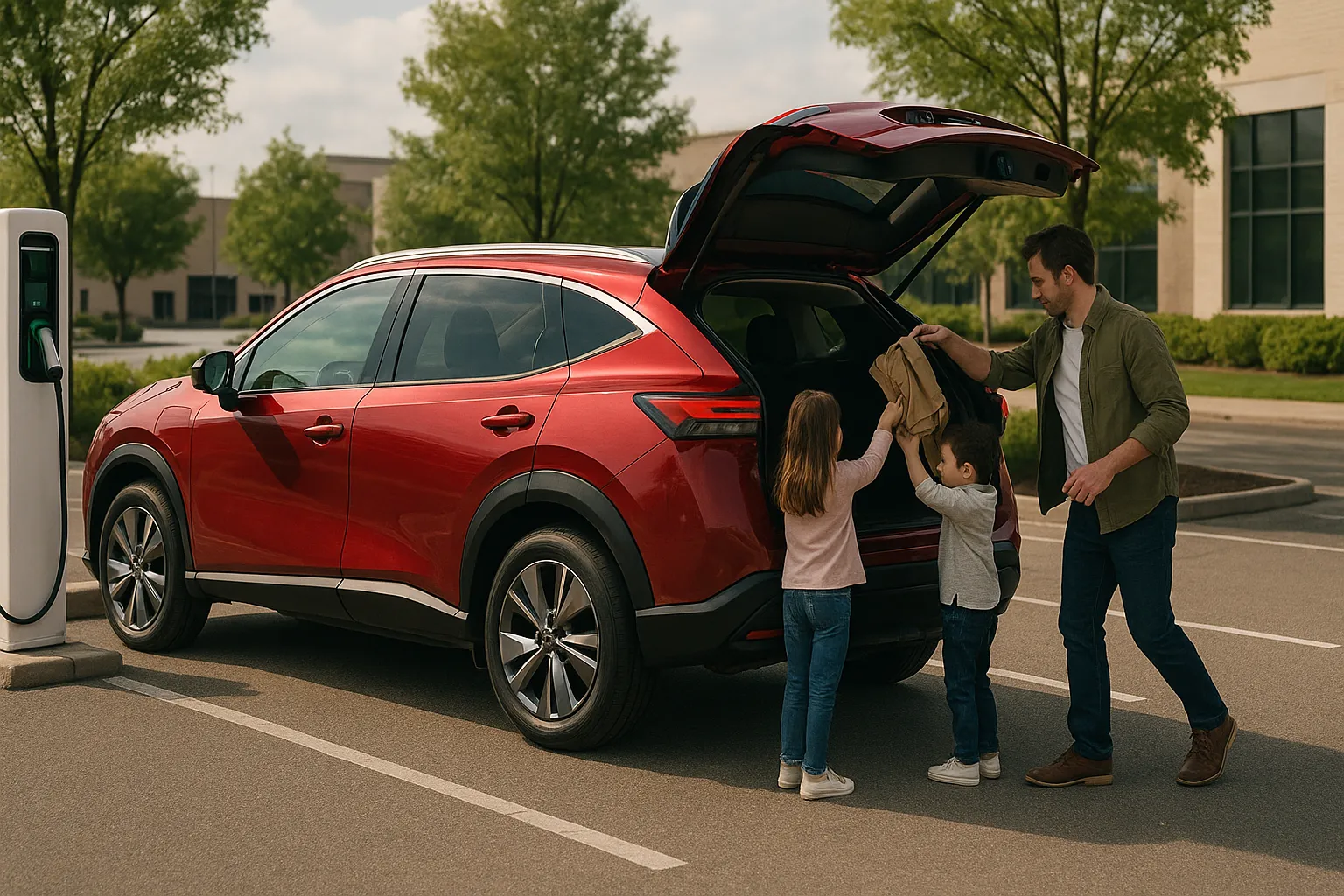
For shoppers, an automaker’s profitability may sound distant from the showroom. In practice, it can influence almost everything a customer experiences.
A healthier Nissan is better positioned to fund redesigned vehicles, updated infotainment systems, stronger hybrid and EV offerings, and improved quality control. It can also support dealers with marketing, training and inventory planning. That matters for owners who rely on warranty coverage, software updates, replacement parts and a stable service network.
When a car company loses money for an extended period, it often has to make hard choices. Those can include delaying product launches, cutting low-volume models, reducing incentives, trimming engineering budgets or retreating from certain markets. Returning to profit gives Nissan more flexibility, even if cost discipline remains essential.
For buyers considering a Nissan Rogue, Sentra, Pathfinder, Frontier, Ariya, Z or the next generation of electric and hybrid models, the company’s financial footing is part of the ownership picture. A profitable manufacturer is generally better able to support vehicles over the long term.
The product challenge is still central
Nissan’s biggest task remains straightforward: it needs vehicles that customers want, priced and equipped competitively.
In the United States, Nissan still benefits from recognizable nameplates. The Rogue is a core compact SUV entry in one of the industry’s most important segments. The Sentra gives the brand a role in affordable compact sedans, a category many rivals have abandoned. The Frontier has regained relevance with a more modern design. The Pathfinder and Armada serve families and SUV buyers, while the Z and GT-R maintain enthusiast credibility, even as those performance models face changing emissions and market realities.
But the industry has moved quickly. Toyota and Honda continue to lean on strong hybrid lineups. Hyundai and Kia have gained ground with aggressive design, long warranties and broad EV portfolios. Tesla remains a major EV force, even as competition increases. Chinese automakers, especially in markets outside the U.S., are reshaping expectations for price, technology and speed of development.
Nissan has EV credibility because of the Leaf, one of the first mass-market electric cars, and the Ariya crossover. But early leadership does not guarantee future advantage. The company must now prove it can turn EV experience into desirable, profitable products while also offering hybrids and gasoline models for customers who are not ready to go fully electric.
The Honda talks underscore a bigger industry problem
The failed Honda partnership talks are important because they show how difficult the industry’s transition has become. Automakers need enormous investment in batteries, software, driver-assistance systems, manufacturing flexibility and digital services. At the same time, many consumers remain price-sensitive, charging infrastructure is uneven, and EV demand growth has varied by region.
Scale helps. That is why automakers are exploring alliances, shared platforms and joint technology programs. Nissan already has experience with global partnerships through its long-running alliance with Renault and Mitsubishi, though that relationship has been reshaped over time.
Without a Honda tie-up, Nissan must either generate more of its own savings, deepen other partnerships, or focus its resources more narrowly. Profitability gives it more leverage in those decisions. A company negotiating from a position of crisis has fewer good options.
Enthusiasts will be watching closely
For enthusiasts, Nissan’s return to profit raises a familiar question: will financial improvement protect the fun stuff?
Nissan’s performance heritage is deep. The Z, GT-R, Silvia, Skyline and Nismo badge have built a following far beyond ordinary commuter cars. But performance vehicles are expensive to develop and often sell in modest volumes. In a turnaround, they can be vulnerable unless they also serve a brand-building purpose.
A profitable Nissan has a better chance of keeping enthusiast products alive, though not necessarily in traditional form. Future performance models may rely more heavily on electrification, limited production, shared architectures or software-controlled performance. The next stage of Nissan performance will likely depend on whether the company can connect heritage with modern emissions rules and customer expectations.
The road ahead is not easy
Nissan’s return to profit should be viewed as a meaningful step, not a finish line. The company still needs sustained earnings, stronger sales consistency and a clearer long-term identity. It must avoid relying too heavily on discounts, because incentives can move vehicles quickly while damaging margins and resale values.
The next few product cycles will be crucial. If Nissan can refresh its core crossovers, strengthen electrified options, maintain affordability and improve perceived technology, the recovery can become more durable. If new models arrive late or fail to stand out, the company could slide back into the same problems that caused the recent losses.
For the broader industry, Nissan’s improvement is a reminder that legacy automakers are not standing still, even under pressure. Turnarounds are possible, but they require more than cost cuts. They require compelling vehicles, disciplined investment and a clear answer to where the market is going.
For now, Nissan has changed the conversation. After two years in the red, it has returned to profit. The next challenge is proving that profit can last.