Omoda 9 Updated for 2026 With Black Noble Trim and Cabin Revisions
Omoda’s flagship plug-in hybrid SUV gains a darker Black Noble version, upgraded front seats and further 2026 model-year changes, with UK pricing from £44,995.
Omoda gives its flagship SUV an early refresh
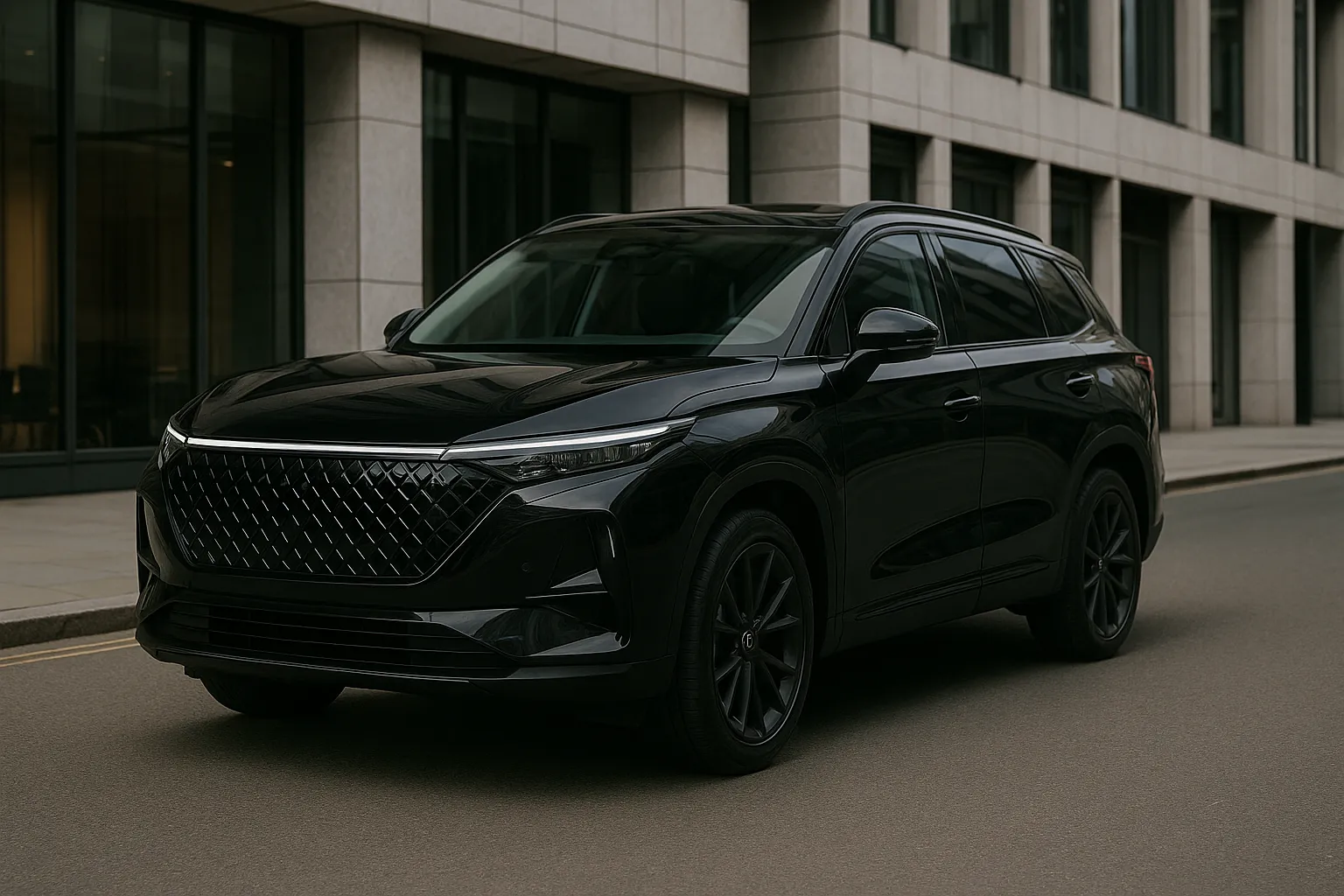
The Omoda 9 has received a 2026 model-year update in the UK, bringing a revised interior specification and a new Black Noble trim level to the brand’s large plug-in hybrid SUV. The changes arrive shortly after the model’s market launch, underlining how quickly newer Chinese brands are adjusting their products for European buyers.
Pricing for the Omoda 9 continues to start at £44,995 in standard form. The new Black Noble version costs £46,495, a £1,500 increase, and is available to order now. First UK customer deliveries are scheduled to begin in August.
The Omoda 9 sits at the top of the brand’s SUV line-up and is positioned against other large electrified family SUVs, including plug-in hybrid versions of the Volkswagen Tayron and BYD Seal U. It also shares broader corporate context with Chery Group models, including the Tiggo 9, as the company continues to expand its presence in export markets.
What changes with Black Noble?

The new Black Noble trim is primarily a styling and equipment upgrade. As the name suggests, it gives the Omoda 9 a darker appearance throughout. The exterior is finished in black and gains matte black roof rails, black front and rear bumper details and black alloy wheels.
Inside, the dark theme continues with a mix of black suede-style cloth and black leather upholstery. Multi-colour ambient lighting remains available to add contrast to what is otherwise a deliberately understated cabin treatment.
The most useful additions are in the front seats. The 2026 update brings massaging functionality to the Omoda 9’s front seats, a feature previously offered in other markets. Electric adjustment has also been improved, with eight-way adjustment for the driver and six-way adjustment for the front passenger. The driver’s seat also gains an electrically operated thigh support.
These are the kinds of changes that matter in a large SUV, particularly one aimed at families and high-mileage drivers. Plug-in hybrid SUVs are often chosen by company-car users or households that regularly mix shorter electric journeys with longer trips, so seat comfort and adjustability can be just as important as headline powertrain figures.
A more comfort-led pitch

Omoda’s update suggests the 9 is being pushed further toward the comfort and value end of the market rather than trying to trade purely on badge appeal. Premium-style equipment such as massaging seats, ambient lighting and extensive electric seat adjustment is commonly found on more expensive SUVs, so including these features at under £47,000 gives the Black Noble a clear showroom hook.
That does not automatically make it a premium SUV in the traditional sense. Buyers will still weigh factors such as dealer coverage, long-term residual values, software usability, real-world efficiency and aftersales confidence. But the Omoda 9’s strategy is familiar among newer Chinese-market entrants: offer a strong equipment list, electrified powertrain technology and assertive pricing to challenge established brands.
For private buyers, the value question will depend on how much they want the extra design treatment and cabin equipment. The £1,500 uplift from the standard car is relatively modest in the context of a large SUV, especially if the added front-seat functions are included as part of the trim rather than bundled into optional packages. For company-car users, plug-in hybrid benefit will depend on emissions, electric range and tax rules, so buyers should check final UK specification and official figures before ordering.
Plug-in hybrid SUVs remain a key battleground
Although fully electric SUVs dominate much of the industry conversation, plug-in hybrids remain important for many buyers. They offer the possibility of electric commuting when charged regularly while retaining petrol-powered flexibility for longer journeys. That mix is especially appealing in larger family SUVs, where range, towing needs and charging access can influence purchase decisions.
The Omoda 9 enters a busy part of the market. Volkswagen, BYD, Kia, Hyundai, Toyota, Mazda and several Chinese-owned brands are all competing for buyers who want a spacious electrified SUV without committing fully to battery-electric ownership. In that context, incremental updates can make a difference, particularly for a newer nameplate still building recognition.
The timing is also notable. Omoda has chosen not to wait for a conventional mid-life facelift before adjusting the 9’s specification. Instead, it has moved quickly with a model-year update. That approach reflects a broader industry trend: newer manufacturers, especially those with fast-moving Chinese domestic product cycles, often revise equipment and trim structures rapidly after launch.
For established brands, this creates pressure. A rival that adds equipment within months of launch can make slower update cycles look dated. For consumers, it may mean better standard kit and more competitive pricing, although it can also make it harder to understand which version of a car has which features on the used market.
What is still unclear?
Omoda has indicated that the 2026 update includes interior and chassis revisions, but the currently available details focus mainly on the cabin specification and the Black Noble trim. Specific information on suspension tuning, steering changes or other chassis-related alterations has not been clearly itemised in the available product details.
That means buyers should treat claims of dynamic improvement cautiously until updated cars are driven back-to-back with earlier examples. Comfort, refinement and ride quality are especially important for a large plug-in hybrid SUV, and small chassis revisions can be meaningful, but they need road testing to assess properly.
It is also worth confirming final specification with a retailer before ordering. Early model-year changes can vary by market, production date or trim level, and features that appear on one version may not always apply across the full range.
Why it matters
The updated Omoda 9 is not a radical reinvention, but it is a significant move for a newly launched SUV. The Black Noble trim gives the car a more distinctive visual identity, while the seat upgrades address everyday comfort in a segment where long journeys are common.
For buyers, the key takeaway is straightforward: the Omoda 9 now offers a better-equipped variant at £46,495, while the entry price remains £44,995. Anyone already considering a large plug-in hybrid SUV should compare the updated specification against rivals not only on price, but also on real-world electric range, charging practicality, warranty terms, dealer support and resale expectations.
For the industry, the update is another sign that Chinese brands are willing to iterate quickly as they establish themselves in the UK. The Omoda 9 Black Noble may be a trim-level addition rather than a major engineering overhaul, but it shows how competitive the plug-in hybrid SUV market has become — and how quickly manufacturers are responding to it.