Polestar Barred From U.S. Sales Starting With 2027 Model Year
A U.S. connected-vehicle security rule is set to stop Polestar from selling new cars in America beginning with the 2027 model year, while existing owners are not expected to lose support.
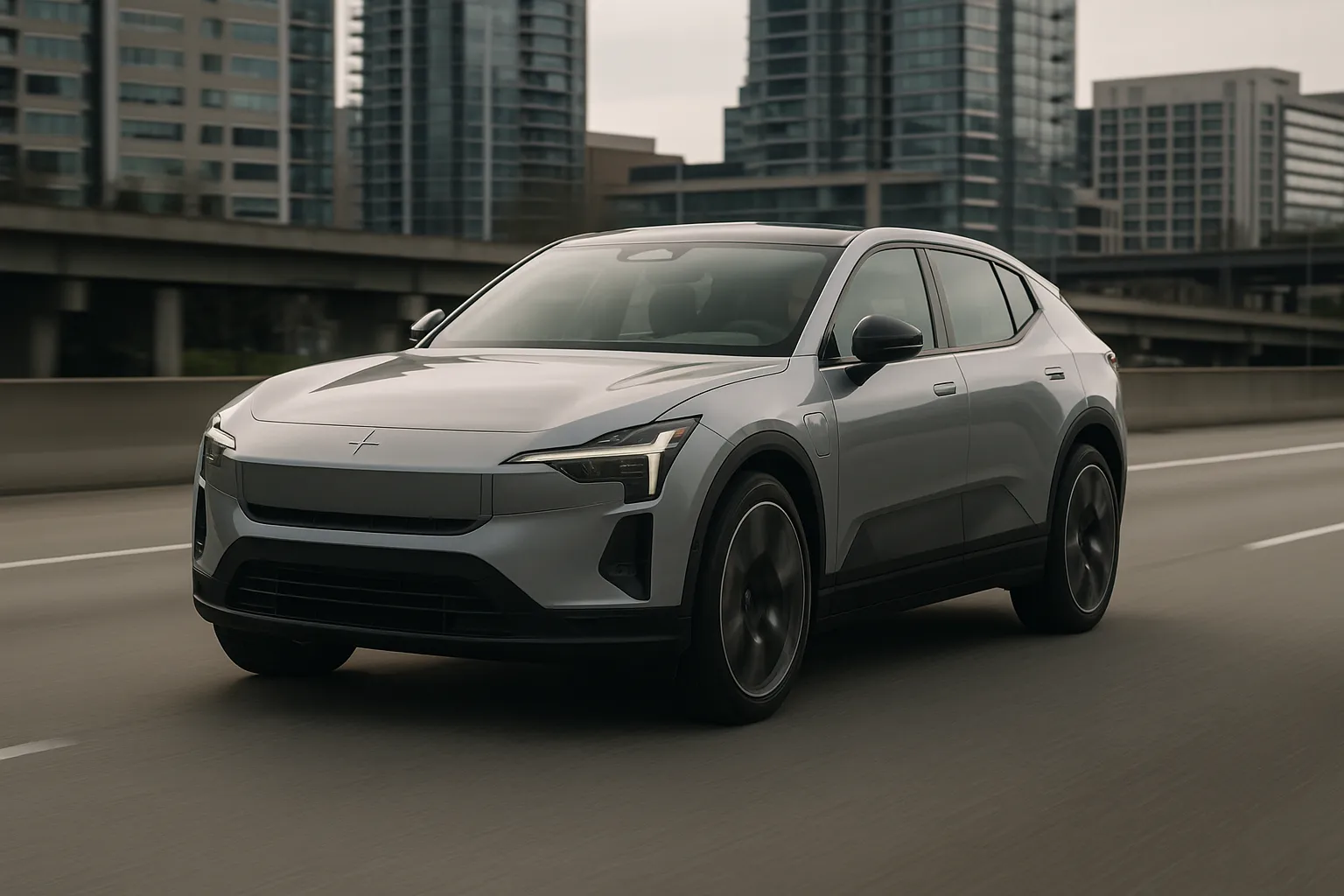
Polestar is facing a major U.S. market setback: the Department of Commerce has barred the EV brand from selling new vehicles in America beginning with the 2027 model year under federal rules aimed at connected-vehicle technology tied to China or Russia.
The decision does not mean Polestar cars already on U.S. roads suddenly become illegal, nor does it appear to cut off owners from basic support. The practical effect is narrower but still significant: unless the company secures a change, exemption, restructuring, or compliance path, Polestar’s ability to sell new cars in one of the world’s most important premium EV markets would stop with the 2027 model year.
That matters because Polestar has spent the past several years trying to grow from a niche electric offshoot into a broader luxury EV competitor. Its U.S. lineup has included the Polestar 2 fastback, the Polestar 3 SUV, and the Polestar 4 coupe-like SUV. The brand has also been working to expand production beyond China, including U.S. assembly for the Polestar 3 in South Carolina. A sales ban tied to corporate ownership or connected-vehicle systems could complicate that strategy even where final assembly takes place outside China.
Why the government is targeting connected cars

Modern EVs are not just vehicles with batteries and motors. They are rolling software platforms with cameras, sensors, cellular connections, cloud services, navigation systems, driver-assistance features, over-the-air update capability, microphones, location data, and user accounts. Federal regulators have increasingly treated those systems as potential national-security risks when they are designed, supplied, controlled, or supported by companies with close ties to countries the U.S. government considers adversarial.
The policy at issue targets connected-vehicle hardware and software linked to China or Russia. The concern is not limited to where a car is assembled. It extends to who controls key software, who can access vehicle data, where remote systems are managed, and whether vehicle functions could theoretically be monitored, disrupted, or influenced from outside the United States.
Polestar is headquartered in Sweden, but its ownership structure and industrial base are closely connected to China through Geely. That corporate connection is central to why the brand is exposed to the rule. The case shows that future auto trade restrictions may be shaped less by traditional import categories and more by software, data security, and corporate control.
What changes for shoppers
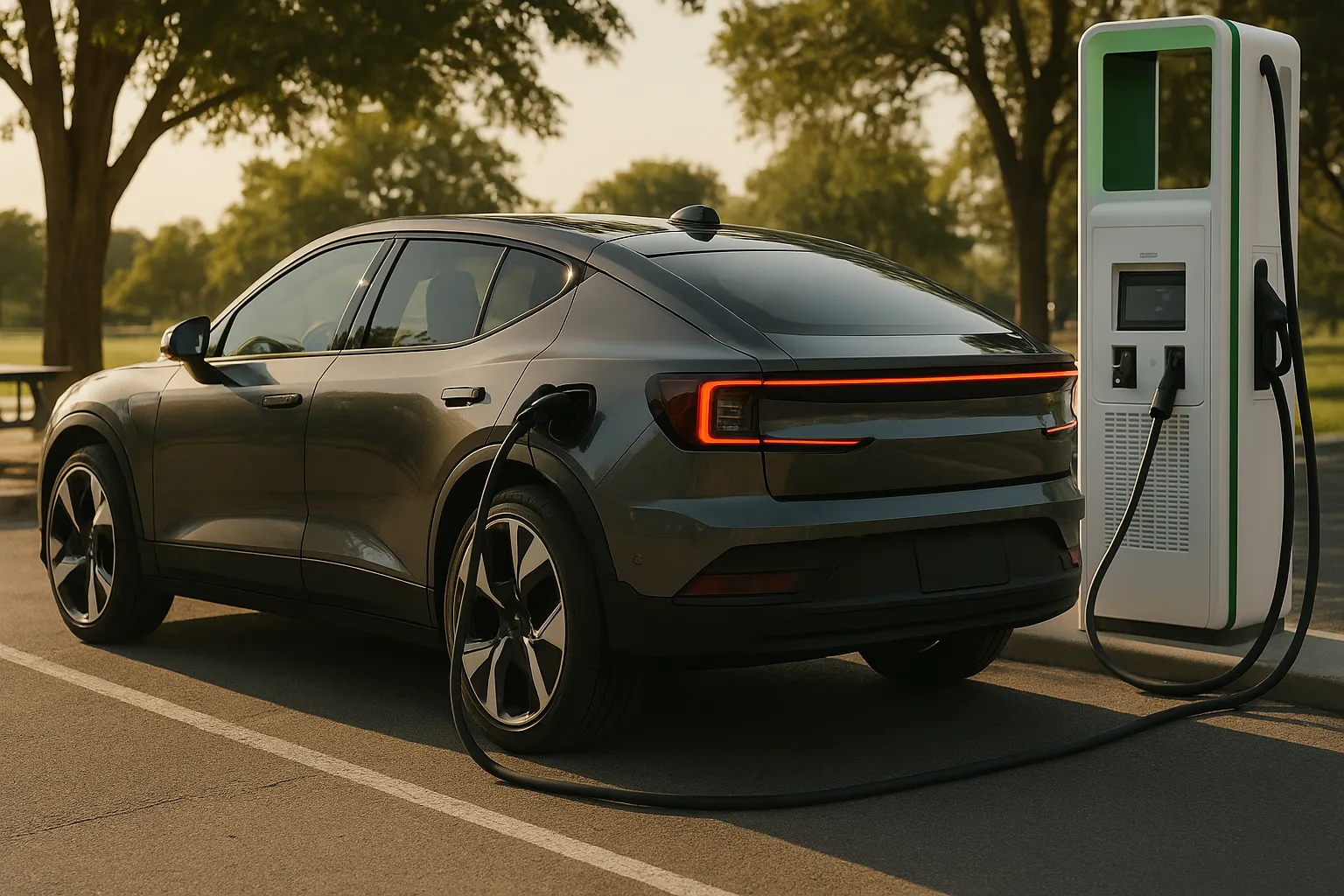
For consumers considering a Polestar, the most important date is the 2027 model year. Vehicles already sold, and vehicles sold before the restriction takes effect, are a different matter from future new-car sales. Shoppers looking at current inventory should still ask dealers and the company direct questions about warranty coverage, software updates, parts availability, lease support, resale implications, and long-term service plans.
A government sales restriction can affect buyer confidence even before it changes showroom availability. Some shoppers may hesitate to buy a vehicle from a brand whose future U.S. sales are uncertain. Others may see discounts if retailers try to move remaining inventory ahead of a deadline. Lease customers should pay particular attention to residual values and end-of-term options, because uncertainty around brand continuity can influence used-car pricing.
For buyers comparing EVs, this development may push attention toward brands with fewer regulatory questions in the U.S. market. That could benefit established luxury EV rivals and mainstream automakers with North American manufacturing and software supply chains designed around U.S. compliance.
What current owners should know
The decision is not described as an abandonment of current Polestar drivers. Owners should still expect the company to support vehicles already sold through warranty service, repairs, parts distribution, recalls, and customer care, though the exact long-term structure will matter if new-car sales are halted.
The biggest owner questions involve software and connectivity. Polestar vehicles rely heavily on digital systems for infotainment, navigation, app features, charging tools, driver-assistance functions, and updates. If federal rules restrict certain connected software or data pathways, the company may need to modify how some services are delivered in the United States. That does not necessarily mean features disappear, but owners should watch for official notices about software compliance, privacy settings, and future updates.
Resale value is another concern. Cars from brands that exit or pause a market can become harder to value, even when they remain reliable and serviceable. On the other hand, EV depreciation is already influenced by battery health, incentives, charging access, and new-model pricing, so the Polestar-specific effect may vary by model and region.
The industry implications are bigger than Polestar
This case is a warning to the entire auto industry. The U.S. is moving toward a regulatory environment where vehicle software supply chains can be as important as battery sourcing, crash compliance, or emissions certification. Automakers that use code, sensors, modules, cloud infrastructure, or corporate entities tied to restricted countries may face more scrutiny, even if the car itself is built in a friendly market.
The rule could also influence how global automakers design future vehicles. Companies may need separate U.S.-market software stacks, domestic data storage, stricter supplier audits, and clearer ownership separation for connected-vehicle systems. That adds cost and complexity, particularly for smaller brands that rely on global platforms.
Polestar’s situation is especially notable because it highlights the blurred identity of modern car companies. A vehicle can be styled in Europe, assembled in the U.S., financed through global capital markets, use batteries or components from Asia, and run software maintained across multiple countries. Regulators are now examining that full chain, not just the badge on the hood.
Unanswered questions
Several important details remain unresolved. It is not yet clear whether Polestar will challenge the decision, seek an exemption, alter its U.S. software architecture, change supplier relationships, or restructure parts of its business to meet the rule. It is also unclear how the restriction will apply to every model and configuration, especially vehicles assembled outside China.
The timing also leaves room for action. A 2027 model-year cutoff is close in automotive planning terms, but it is not instantaneous. Automakers typically lock in engineering, supplier, certification, and production plans years ahead of launch, so Polestar will need a fast and credible response if it wants to preserve U.S. sales.
For now, the message for consumers is straightforward: existing Polestar owners should not assume their cars are unsupported, but prospective buyers should factor regulatory uncertainty into any purchase or lease decision. For the industry, the decision signals a new phase in which connected-car security can directly determine which brands are allowed to compete in the U.S. market.