Polestar Faces U.S. Sales Halt Under Connected-Vehicle Rules
Polestar has been denied approval to sell 2027-model-year vehicles in the United States under new connected-car rules aimed at China-linked manufacturers.
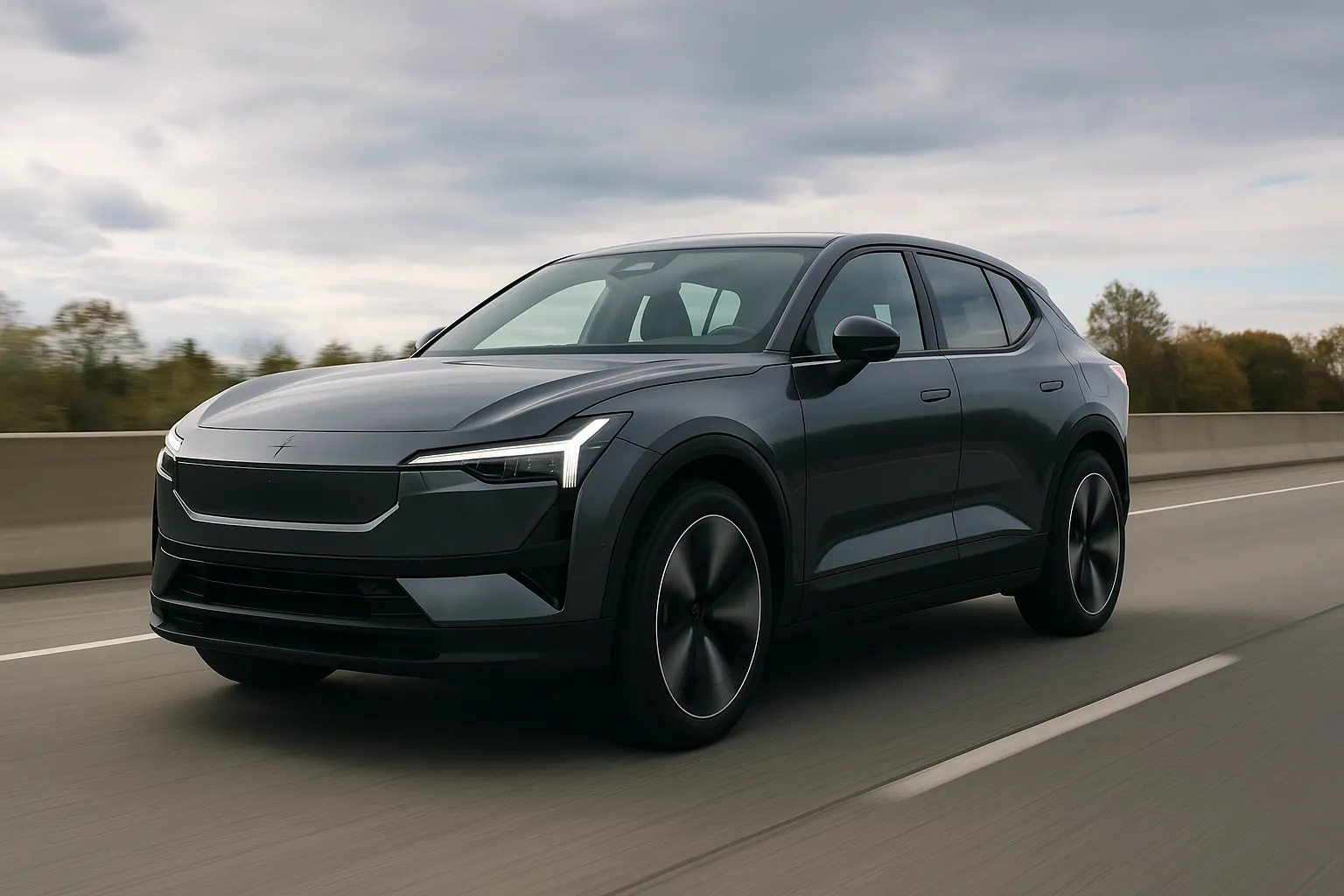
Polestar’s U.S. growth plan has run into a major regulatory barrier. The electric-car brand has been denied permission to sell new vehicles in the United States from the 2027 model year under federal connected-vehicle rules aimed at companies linked to China or Russia.
The decision is significant because Polestar is not a small startup testing the American market from the sidelines. It has already launched vehicles in the U.S., has a flagship SUV assembled in South Carolina, and has been positioning itself as a premium EV alternative to Tesla, BMW, Mercedes-Benz, Audi, and Porsche. The ruling now puts that strategy in doubt just as the brand is expanding beyond the Polestar 2 sedan-like fastback into SUVs and higher-performance models.
Why Polestar is affected
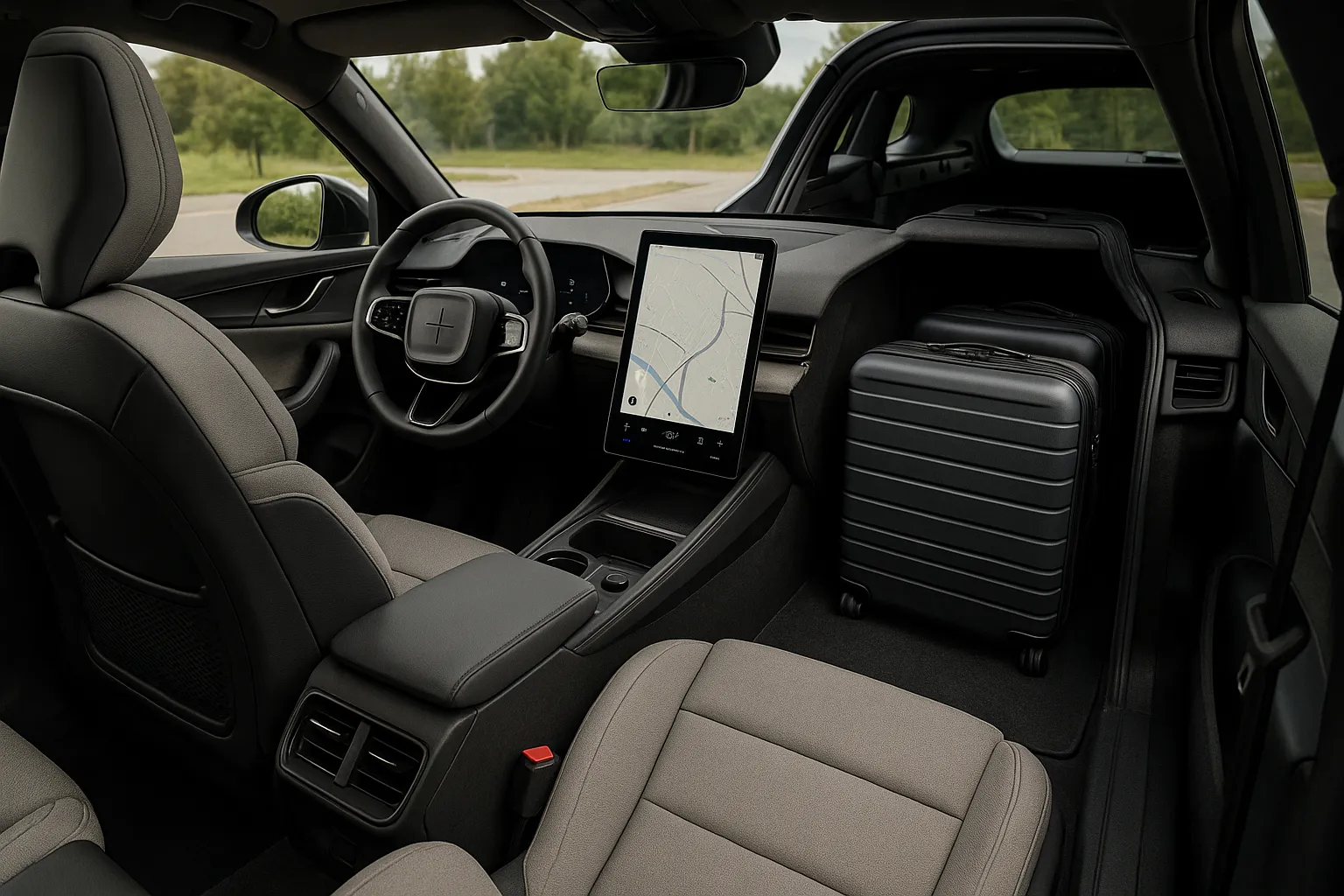
Polestar has Swedish roots and was spun out of Volvo, but its corporate structure is closely tied to China. Volvo and Polestar sit within the wider orbit of Geely, the Chinese automotive group that also has stakes in or ownership links with several other global brands.
That ownership connection matters under the U.S. connected-vehicle framework. The rules are designed to restrict the sale of vehicles from manufacturers that are owned by, controlled by, or subject to the jurisdiction or direction of China or Russia, where those vehicles use covered software or connected-vehicle systems.
The policy is framed around national security rather than conventional import protection. Modern cars continuously collect, process, and transmit data. They use embedded modems, over-the-air update systems, cloud services, cameras, location tracking, driver-assistance hardware, smartphone integration, and remote diagnostics. U.S. officials have argued that connected vehicles could present risks if foreign governments were able to compel companies to share data or influence vehicle software.
For car buyers, that means a vehicle’s eligibility for sale is no longer determined only by where it is assembled, how clean it is, or whether it meets crash and emissions standards. Software origin, data pathways, corporate control, and supplier relationships are becoming part of the approval process.
Local production did not solve the problem
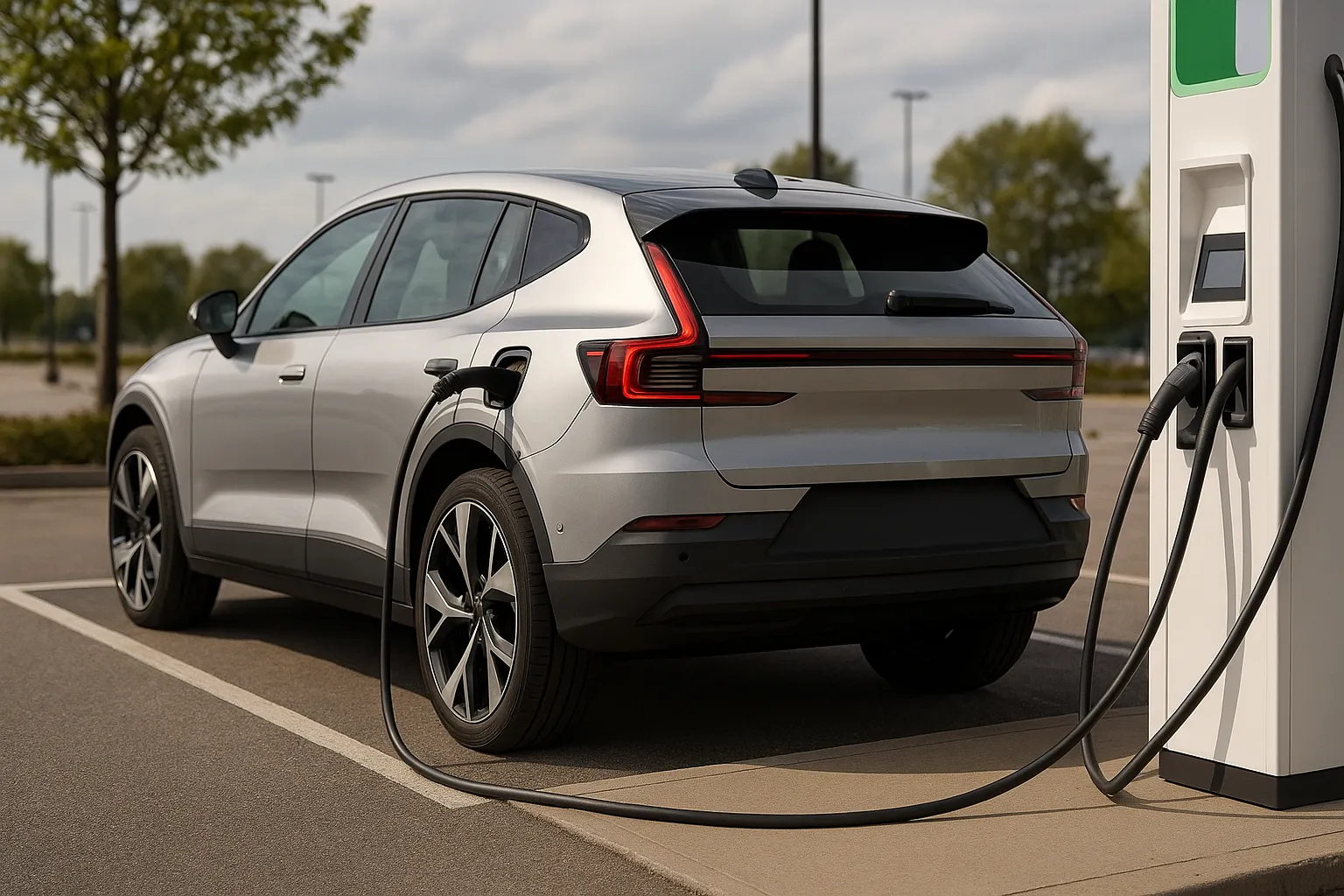
One of the most notable details is that Polestar already has a U.S.-built model. The Polestar 3 electric SUV is assembled at the Ridgeville, South Carolina plant that also builds the Volvo EX90. In normal trade-policy terms, local assembly would be a major advantage, helping a manufacturer reduce exposure to tariffs, shipping disruption, and political pressure around imported vehicles.
In this case, U.S. production appears not to be enough on its own. The connected-vehicle rule is not simply an import restriction on cars shipped from China. It is aimed at the manufacturer and the vehicle’s covered technology.
That distinction matters for the wider industry. Automakers have spent years localizing production to qualify for incentives and reduce tariff exposure. The Polestar decision shows that future market access may also depend on software governance, cybersecurity assurances, ownership structures, and the ability to demonstrate that sensitive systems are not subject to foreign control.
Which Polestar models are involved?
Polestar’s current and planned lineup includes several vehicles with different production footprints.
The Polestar 2, the brand’s established electric fastback, has been built in China. The Polestar 4, a coupe-style electric SUV, is also associated with Chinese production. The Polestar 5, a higher-end electric grand tourer intended to push the brand further into premium performance territory, is also part of the China-built side of the portfolio.
The Polestar 3 is different because it is built in the United States for this market. It is also one of the most important vehicles in the brand’s lineup because American luxury-EV demand is heavily skewed toward SUVs. Even so, the regulatory issue appears to apply to Polestar’s ability to sell new 2027-model-year vehicles in the U.S., rather than only to vehicles imported from China.
The practical timing will depend on inventory, model-year changeovers, regulatory appeals or revisions, and any changes Polestar can make to satisfy the rule. Based on the information currently available, the key cutoff concerns new vehicles from model year 2027 onward.
What this means for U.S. buyers
For shoppers considering a Polestar, the most immediate question is availability. If the sales halt remains in place, buyers may see limited access to new Polestar vehicles as the 2027 model year approaches. Remaining inventory from earlier model years could become more important, but availability would vary by dealer or retail location, region, and configuration.
Prospective lessees should also pay attention. EV lease programs depend heavily on predictable supply, residual values, and manufacturer support. A regulatory interruption can complicate pricing, lease terms, and incentives, even before vehicles disappear from showrooms.
For existing owners, the situation is different. A sales restriction on future model-year vehicles does not automatically mean current Polestar cars are illegal to drive, must be recalled, or will immediately lose service support. There is no indication from the available details that existing owners are being ordered off the road.
However, a halt in new-vehicle sales could still affect the ownership experience over time. A smaller U.S. business could influence retail staffing, parts logistics, software support priorities, resale values, and confidence among potential secondhand buyers. Those effects are not guaranteed, but they are realistic considerations for owners and shoppers.
Why enthusiasts should care
Polestar has been one of the more design-led EV brands in the premium market. Its cars are not positioned as low-cost compliance vehicles; they are aimed at buyers who care about minimalist interiors, performance, sustainability messaging, and a distinct alternative to the German luxury brands and Tesla.
Losing or limiting Polestar in the U.S. would reduce choice in a market that is still sorting out what premium EVs should look and feel like. The Polestar 5 in particular was expected to give enthusiasts another electric performance option with a grand-touring character rather than a conventional SUV focus.
The case also signals a new era for car enthusiasm. Debates about horsepower, handling, charging speed, and design now sit alongside questions about code, data sovereignty, and supply-chain trust. The connected car is as much a technology platform as it is a mechanical product, and regulators are treating it that way.
A broader warning for global automakers
The Polestar decision could become a reference point for other companies with Chinese ownership, Chinese software, Chinese-built electronic systems, or complex joint-venture structures. It also highlights the difficulty of operating global automotive brands in an increasingly fragmented regulatory environment.
A company can be European in design, American in assembly, Chinese in ownership, and global in its supplier base. That was once considered a strength. Under emerging security-focused vehicle rules, it can become a compliance challenge.
For Polestar, the likely near-term response is to lean more heavily on markets where it can continue selling without the same restriction. Europe is an obvious priority, especially as EV adoption remains central to regional emissions policy. But the U.S. is too large and too influential for the brand to abandon lightly.
The next question is whether Polestar can restructure software, data management, corporate governance, sourcing, or regulatory documentation enough to regain approval. Until that happens, its American future is uncertain, and buyers who wanted one of its upcoming EVs may need to act carefully, watch model-year timing, or consider alternatives.