Polestar Will Not Challenge U.S. Ban on Future Vehicle Sales
Polestar’s decision not to fight a federal restriction leaves the EV brand with an uncertain path in the U.S., even as some production has moved outside China.
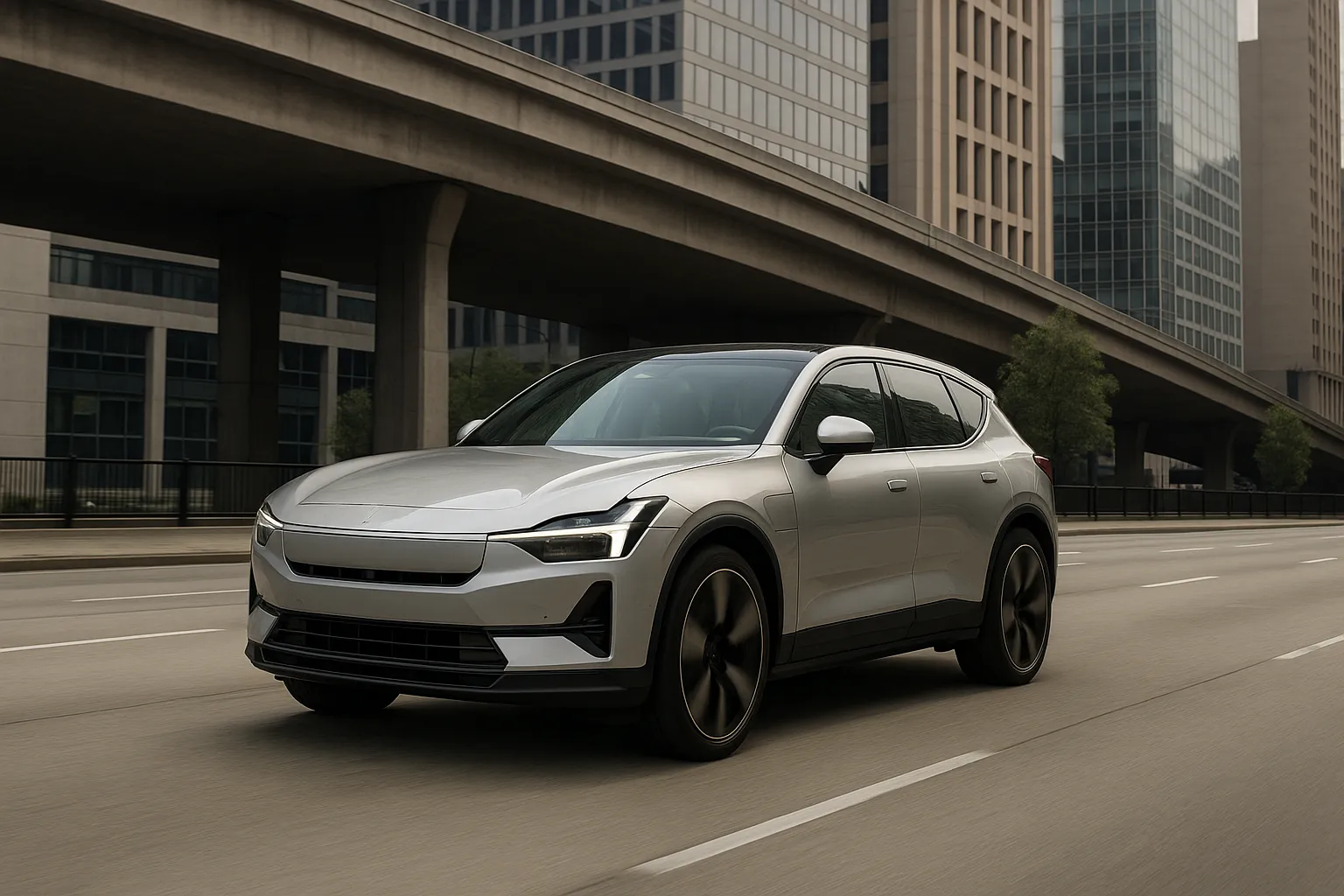
Polestar will not challenge a federal U.S. ban that blocks the company from selling future vehicles in the American market, a decision that puts the brand’s long-term U.S. business in serious doubt.
The move is significant because Polestar has spent years trying to establish itself as a premium electric-vehicle alternative to Tesla, BMW, Mercedes-Benz, Audi, Genesis, and Volvo. The company already sells vehicles in the U.S. and has attempted to reduce its exposure to China-specific trade and security restrictions by diversifying production. Even so, the latest federal restriction is not aimed only at where a vehicle is assembled. It also centers on corporate control, software, connectivity hardware, and perceived national-security risk in modern connected cars.
For shoppers, the practical takeaway is straightforward: Polestar’s current U.S. lineup may remain relevant in the near term, but the brand’s ability to offer future model-year vehicles is now unclear. For owners, the decision raises longer-term questions about resale values, parts availability, software support, warranty administration, dealer operations, and brand presence. None of those outcomes is automatically determined by the decision not to challenge the ban, but uncertainty will now be part of any U.S. Polestar ownership calculation.
Why Polestar is affected
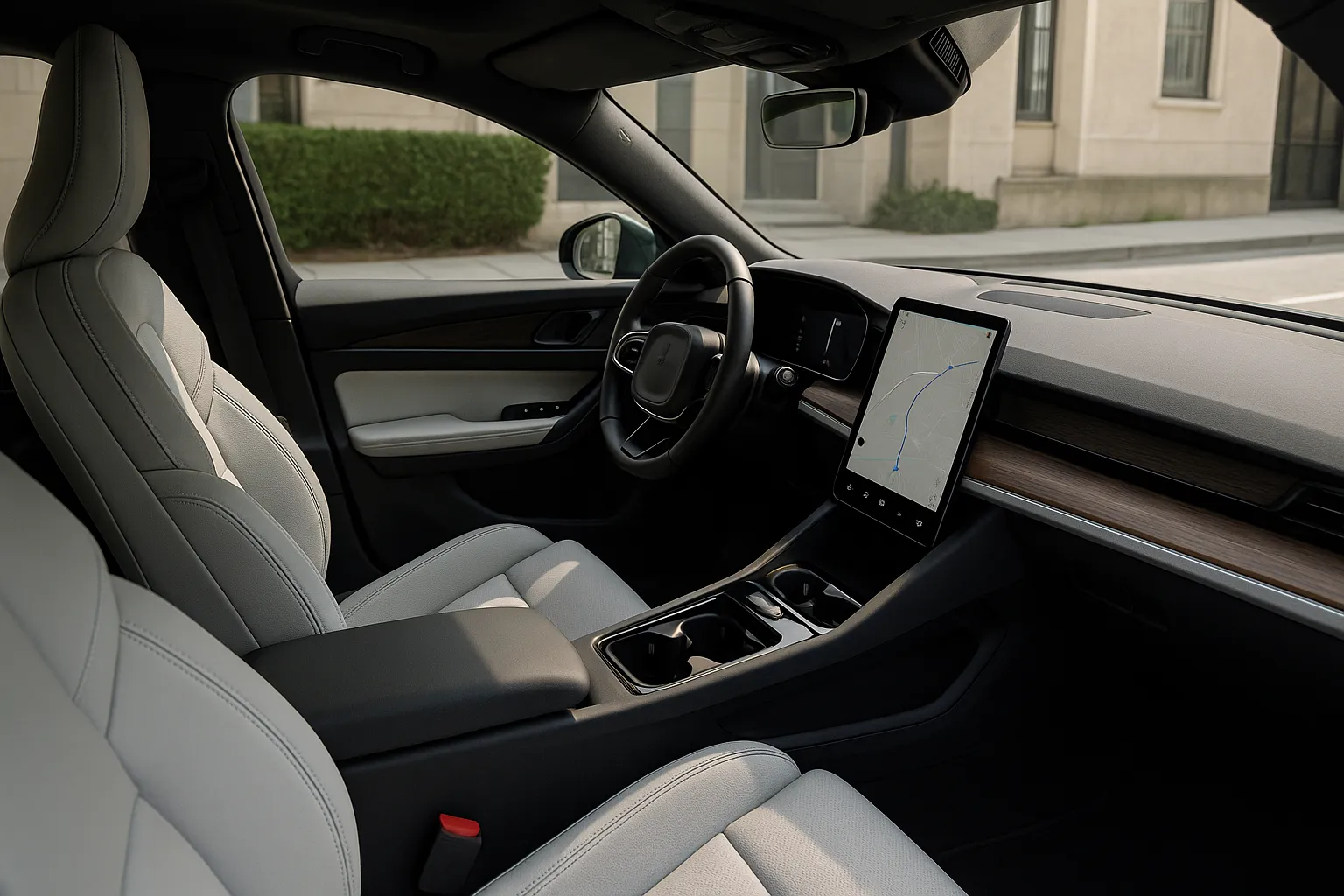
Polestar is headquartered in Sweden and presents itself as a global EV brand, but its ownership structure ties it closely to China’s Geely group. That relationship has become increasingly important as the U.S. government tightens rules around connected vehicles, Chinese-made EVs, battery supply chains, software systems, and vehicle data.
The federal restriction at issue targets future sales of connected vehicles from companies with certain links to China or Russia. The concern is that modern cars are no longer purely mechanical products. They collect and transmit data, receive over-the-air updates, use connected infotainment systems, rely on telematics modules, and in some cases include advanced driver-assistance or automated-driving technology. Regulators view those systems as potential cybersecurity and data-security risks when they are designed, supplied, or controlled by entities tied to countries deemed adversarial.
That creates a difficult problem for Polestar. Moving assembly outside China can help with tariffs, logistics, and political perception, but it may not solve a rule based on ownership, software, hardware, and connected-vehicle systems. Polestar has already been working to broaden its manufacturing footprint, including production outside China for certain models. The company’s decision not to challenge the ban suggests it does not see a viable near-term legal or regulatory path that would preserve future U.S. sales under the current framework.
What it means for the current lineup
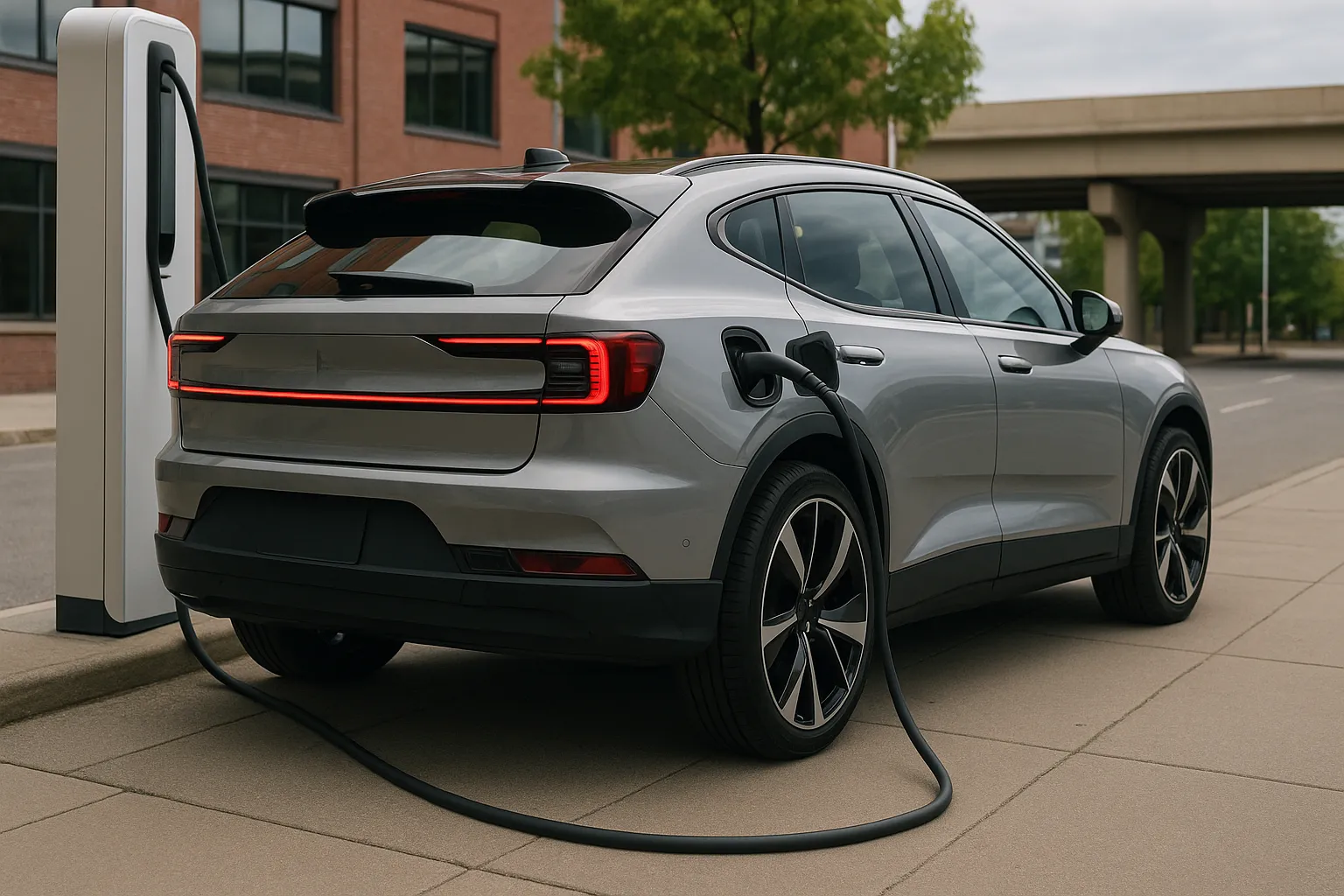
Polestar’s U.S. lineup has included the Polestar 2 fastback, the Polestar 3 SUV, and the Polestar 4 coupe-like SUV. Each plays a different role in the brand’s strategy.
The Polestar 2 helped introduce the brand to American buyers as a compact premium EV with a minimalist cabin and Google-based infotainment. It competed most directly with the Tesla Model 3, BMW i4, Hyundai Ioniq 6 in higher trims, and other premium-leaning electric sedans and hatchbacks.
The Polestar 3 is more important to the U.S. market because it enters the high-demand premium electric SUV segment. It is also symbolically important because some production has been tied to South Carolina, giving Polestar a North American manufacturing connection. Under the federal restriction, however, domestic assembly may not be enough if the company itself is considered covered by the rule.
The Polestar 4 is another key product because it targets the popular midsize electric crossover space with a more design-focused shape. Polestar has also planned production diversification for that model, including output outside China. Again, the issue is that the sales ban is broader than a simple country-of-origin rule.
Existing vehicles already sold to customers are not the same as future vehicle sales. Owners should not assume their cars will stop functioning, lose service support immediately, or become illegal to drive. The more realistic concerns involve the durability of the U.S. retail network, the future supply of replacement components, long-term software updates, and how used-car buyers value a brand whose new-vehicle pipeline may be cut off.
The owner and buyer impact
For anyone currently shopping a Polestar in the U.S., the decision changes the risk profile. A discounted lease could still make sense for a buyer who wants a premium EV for a defined term and is less concerned about long-term resale value. Leasing can reduce exposure to depreciation and brand uncertainty, particularly if the lease is backed by a strong captive finance or partner finance structure.
Purchasing is a more complicated decision. Buyers who plan to keep a vehicle for many years will want clear answers on warranty coverage, service locations, parts supply, battery support, software updates, and roadside assistance. They should also evaluate how far they live from an authorized service point. If Polestar’s U.S. sales operations shrink over time, service convenience could become a bigger issue than the vehicle itself.
Current owners should monitor official communications on warranty and service support. Automakers that exit or reduce operations in a market can still maintain obligations to customers, but the experience often depends on how much infrastructure remains in place. In Polestar’s case, its relationship with Volvo retailers and service facilities may be especially important, though the exact long-term structure will matter.
Resale value is another likely pressure point. Used EV prices are already sensitive to incentives, battery-health perceptions, charging standards, and rapid technology changes. A brand facing a halt in future U.S. sales could see additional depreciation unless parts and service support remain strong and transparent.
A broader warning for the EV industry
Polestar’s decision is not just a brand-specific setback. It shows how geopolitics is becoming a central factor in the car business, especially for EVs and connected vehicles. Automakers can no longer treat software, data, ownership structure, and supply chains as background details. They can determine whether a vehicle is allowed into a market at all.
The U.S. has already used tariffs, tax-credit rules, battery sourcing requirements, and national-security reviews to reshape the EV market. Connected-car restrictions add another layer. The policy direction favors manufacturers that can demonstrate trusted software stacks, transparent supply chains, and corporate control outside restricted jurisdictions.
That could benefit established automakers with North American, European, Japanese, or Korean ownership structures, particularly if they localize battery and vehicle production. It could also complicate expansion plans for brands with Chinese ownership or deep Chinese supply-chain integration, even when their vehicles are engineered for global markets and assembled elsewhere.
For enthusiasts, the outcome is unfortunate because Polestar has contributed distinctive design and a performance-oriented EV identity. The brand’s cars are not simply rebadged appliances; they have brought Scandinavian styling, clean interiors, and chassis tuning that appealed to drivers looking for something outside the most common EV choices. Losing or limiting that option would make the U.S. premium EV market less varied.
What happens next
The next key question is how Polestar manages its existing U.S. obligations and whether any future restructuring, technical changes, licensing arrangements, or ownership changes could alter its status under federal rules. At this stage, there is no clear indication that such a fix is imminent.
The company’s decision not to challenge the ban does not necessarily mean every U.S. operation ends overnight. It does mean the path for future new-vehicle sales has narrowed sharply. Dealers, service partners, lenders, leasing companies, fleet operators, and customers will all need clarity on timelines and support plans.
For car buyers, the best approach is caution rather than panic. Anyone considering a Polestar should ask detailed questions in writing about warranty coverage, service access, software updates, parts support, lease terms, and what happens if U.S. sales wind down. Existing owners should keep service records current, stay alert for software updates, and follow official owner communications closely.
Polestar’s situation underscores a new reality for the auto industry: in the connected-EV era, a vehicle’s competitiveness is no longer defined only by range, charging speed, design, or price. Corporate ownership, software provenance, data security, and regulatory alignment can be just as decisive.