Ram Recalls 1.3 Million 1500 Pickups Over Seat-Belt Anchor Concern
Ram is recalling more than 1.3 million 1500 pickups because of a seat-belt anchor defect, a safety issue that matters for owners, used-truck shoppers, and Stellantis’ truck strategy.
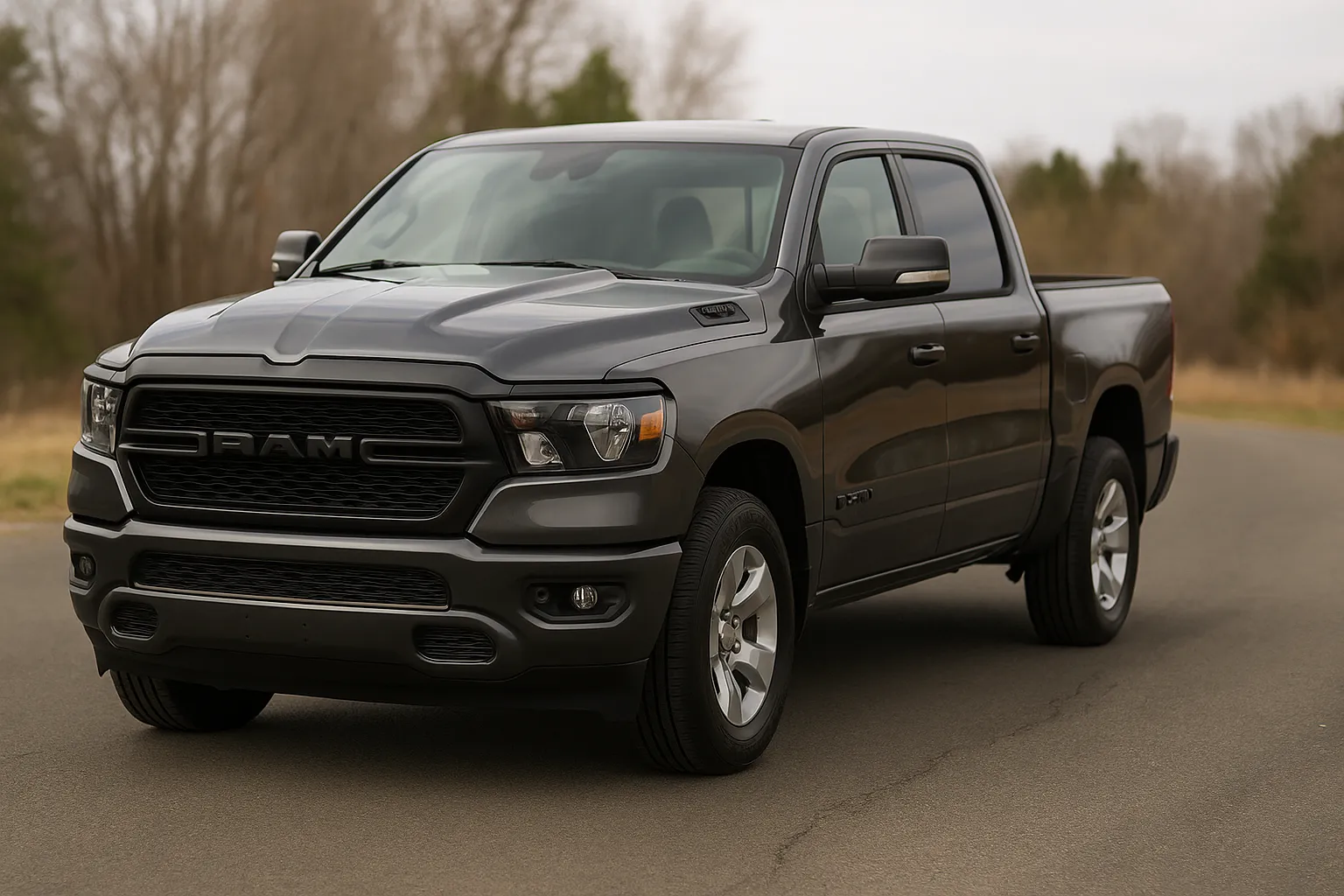
Ram is recalling more than 1.3 million 1500 pickups because of a defect involving a seat-belt anchor, a component that is central to occupant protection in a crash.
The recall is described as voluntary and affects Ram’s core full-size pickup line, the 1500. Specific model years, production dates, trim levels, and repair instructions were not identified in the available summary, so owners should not assume their truck is included or excluded based only on appearance, trim, cab style, or powertrain. The safest next step is to check the vehicle identification number through the manufacturer’s recall tool or the federal recall database once the campaign is fully listed.
What the defect means
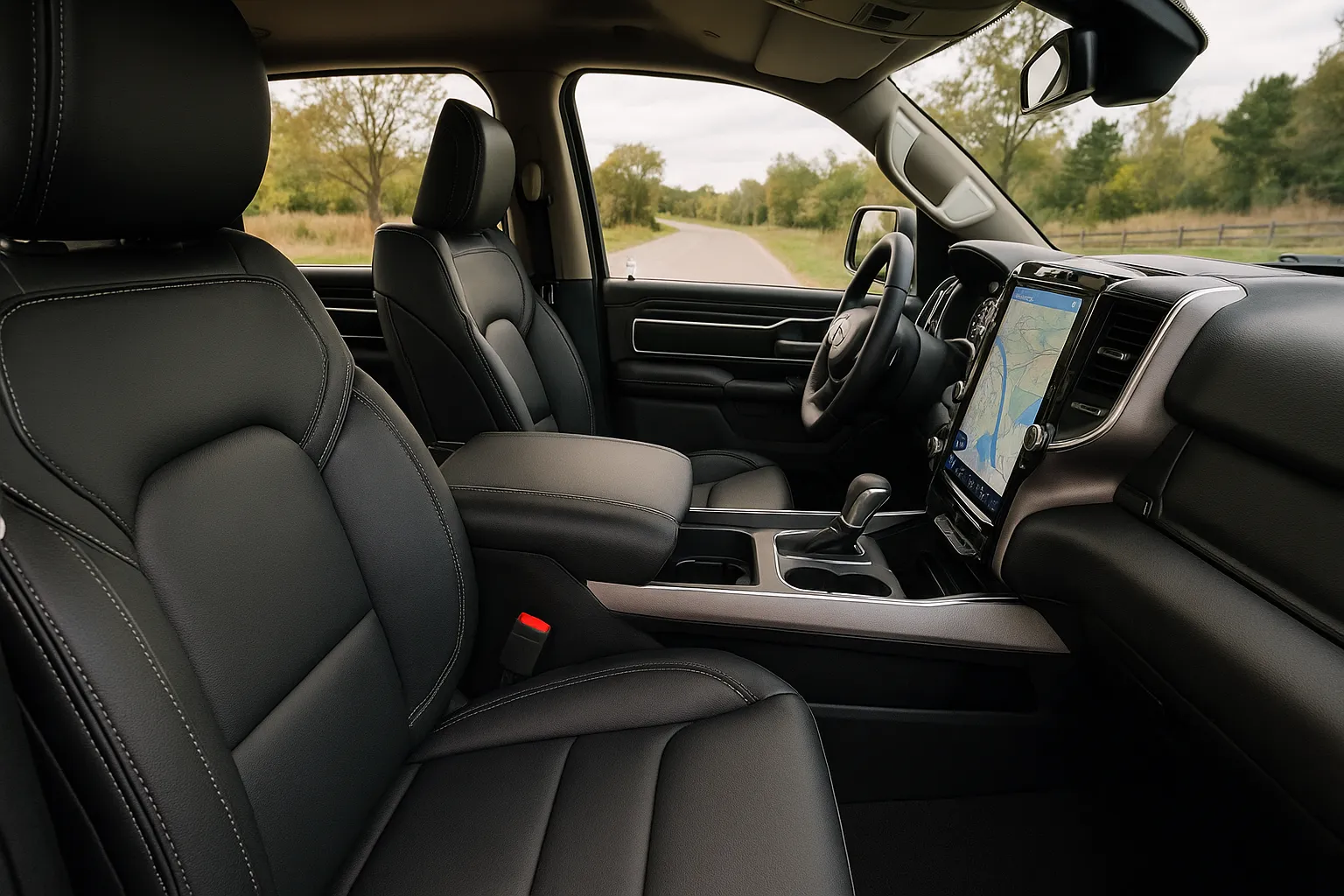
A seat belt is only as effective as the structure that holds it in place. The belt webbing, buckle, pretensioner, retractor, and anchor points work together to restrain an occupant during a crash. If an anchor is improperly attached, weakened, mispositioned, or otherwise unable to perform as intended, the restraint system may not manage crash forces correctly.
That does not mean every affected truck is unsafe to drive in normal conditions, and a recall notice is not the same thing as a confirmed failure on every vehicle. But a seat-belt anchor defect is not a cosmetic or convenience issue. It concerns the hardware that helps keep occupants in position during a collision, which is why owners should treat the campaign as a priority once parts and appointments are available.
Until a repair is completed, owners should continue wearing seat belts in all seating positions. If a belt feels loose at its mounting point, does not latch securely, fails to retract, shows visible damage, or appears misaligned, the truck should be inspected by a dealer or qualified technician promptly. If the concern appears to involve a specific seating position, avoid using that seat until the vehicle is checked.
What Ram 1500 owners should do next
Owners of Ram 1500 pickups should watch for official recall notifications and check their VIN. Safety recall repairs are typically performed at no cost to the owner at an authorized dealer. Depending on the final remedy, the repair could involve inspection, reinforcement, replacement of hardware, or another corrective procedure. The exact repair process has not been detailed in the available information.
For many owners, the practical challenge will be scheduling. A campaign covering more than 1.3 million trucks can place heavy demand on dealer service departments, especially if replacement parts are required. Owners who depend on their truck for work, towing, family transportation, or fleet use should contact a dealer early, ask whether parts are available, and confirm how long the repair is expected to take.
It is also worth keeping documentation. Save the recall notice, repair order, and any dealer communication. That paper trail can be useful for warranty records, future resale, fleet compliance, or if a related concern appears later.
Why used-truck shoppers should pay attention
The Ram 1500 is one of the most common full-size pickups on the used market, so this recall matters beyond current owners. Anyone shopping for a used Ram 1500 should run the VIN before purchase and confirm whether the recall is open or already completed.
An open recall is not automatically a reason to walk away from an otherwise solid truck, particularly when the fix is available and free. But it should be part of the buying process. A shopper can ask the selling dealer to complete the recall before delivery, request proof of completion, or account for service timing if buying from a private seller.
Certified pre-owned shoppers should be especially direct. A vehicle marketed as inspected and retail-ready should not leave questions about open safety campaigns unanswered. Buyers should ask for a printed service history or recall status report rather than relying only on a verbal assurance.
For fleet buyers, the issue is more operational. Even if the repair is simple, taking trucks out of service can affect scheduling, jobsite logistics, and driver assignments. Large fleets should identify affected VINs quickly and coordinate with dealers to minimize downtime.
Why this recall matters for Ram and Stellantis
The Ram 1500 is not a niche product. It is a high-volume, high-margin vehicle in one of the most competitive and profitable segments in North America. Full-size pickups are brand-defining products, and they influence everything from dealer traffic to parts revenue to customer loyalty.
The timing also matters because Stellantis is leaning heavily on Ram as part of its broader U.S. business strategy. The truck brand is expected to play an increasingly important role as the company works through its FaSTLAne 2030 plan. In that context, a large safety recall is not just a service issue; it is a reputational test.
Recalls are common across the industry, especially on high-volume vehicles with complex supply chains. The number attached to this campaign is large, but scale alone does not indicate negligence or an unusual risk compared with other major safety campaigns. What matters now is execution: clear owner communication, sufficient parts supply, consistent dealer handling, and a remedy that resolves the defect without creating follow-up problems.
Ram also competes in a segment where buyers are often highly brand-loyal but not indifferent to reliability. Ford, Chevrolet, GMC, Toyota, and Nissan all fight for truck customers who use these vehicles as daily drivers, family vehicles, tow rigs, and work tools. A safety recall involving seat-belt anchorage gives rivals an easy talking point, but the long-term effect will depend on how quickly and smoothly Ram addresses the issue.
The bigger safety context
Modern trucks are larger, heavier, and more powerful than earlier generations, but basic restraint integrity remains one of the most important safety fundamentals. Advanced driver-assistance systems can help prevent certain crashes, and airbags can reduce injury risk, but seat belts remain the primary restraint system in most collisions.
That is why anchor-related recalls deserve attention. The anchor is not a visible feature owners interact with every day, yet it is part of the load path that protects occupants when the belt tightens during an impact. A defect there can undermine the performance of the entire system.
For owners, the message is straightforward: do not ignore the notice, do not assume the truck is unaffected without checking the VIN, and do not postpone the repair once it is available. For shoppers, add recall status to the same checklist as accident history, maintenance records, tire condition, and warranty coverage.
Ram has moved to address the issue through a large voluntary recall. The next phase is what owners will experience directly: notification, parts availability, dealer scheduling, and repair quality. In a market where pickups are both personal vehicles and business tools, getting that process right is essential.