Ram’s New CEO Brings Ford Truck Experience to a Critical Moment
Stellantis has put a pickup veteran in charge of Ram as the brand prepares for new electrified trucks, a tougher retail market, and renewed investment under its long-range product plan.
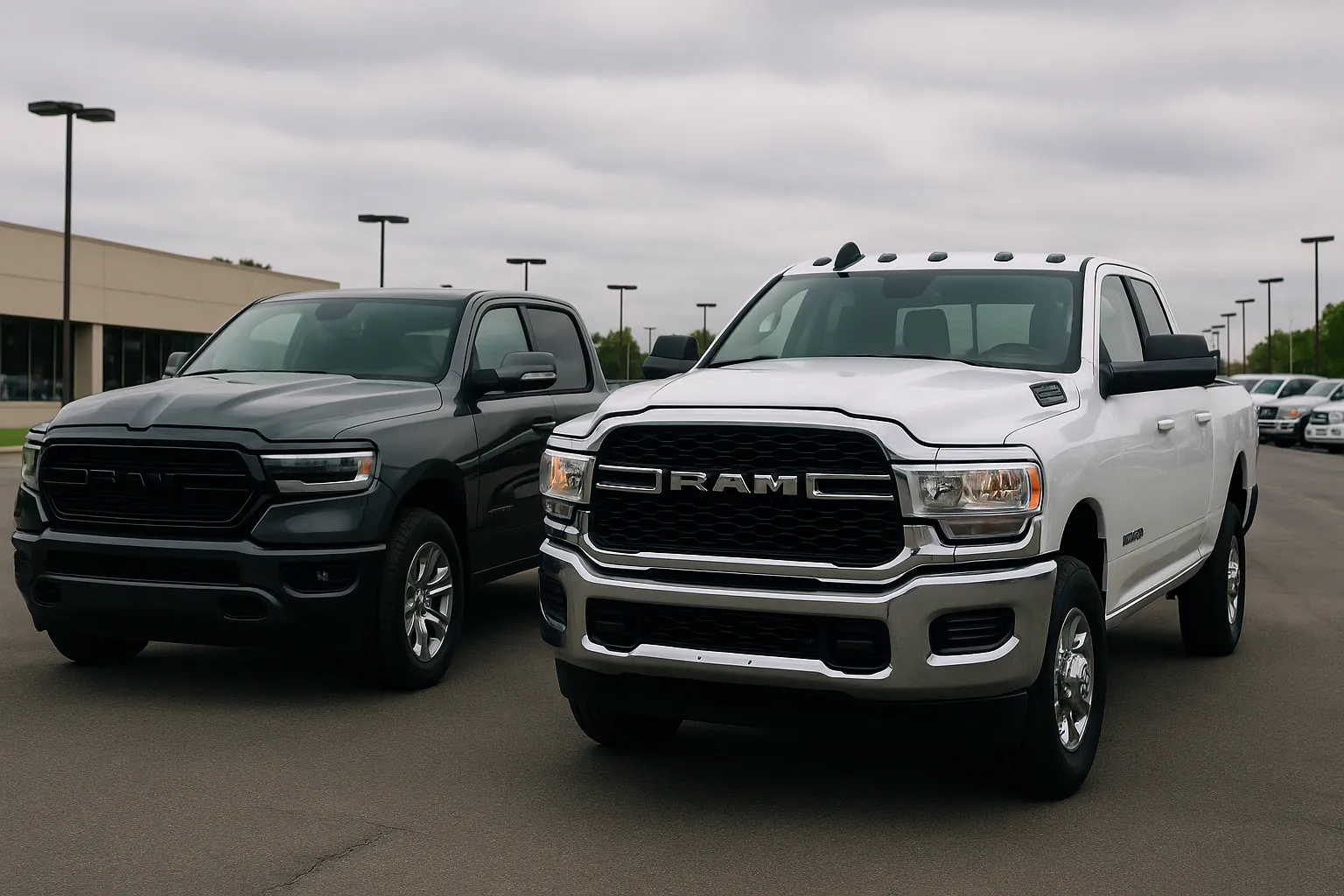
Stellantis has placed a new chief executive in charge of Ram, and the appointment is notable for one reason above all: the brand is turning to leadership with direct experience in Ford’s pickup ecosystem.
That matters because Ram is not a side project inside Stellantis. It is one of the company’s most important North American profit engines, a high-margin truck brand with light-duty pickups, heavy-duty pickups, chassis cabs, commercial vans, and a growing list of electrified programs. It is also competing in the toughest and most lucrative corner of the U.S. vehicle market, where Ford’s F-Series has long set the pace and Chevrolet, GMC, Toyota, and others keep applying pressure.
The leadership change arrives as Stellantis is reshaping its priorities under its five-year FaSTLAne 2030 plan. The company has indicated that a large share of brand and product investment will be concentrated in a smaller group of key operations, including Jeep, Ram, Peugeot, Fiat, and the Pro One commercial-vehicle unit. For Ram, that suggests the next several years are not just about maintaining today’s lineup. They are about defending the core pickup business while expanding into electrification, fleet sales, and commercial use cases where customers expect durability, uptime, and strong dealer support.
Why Ford experience is relevant
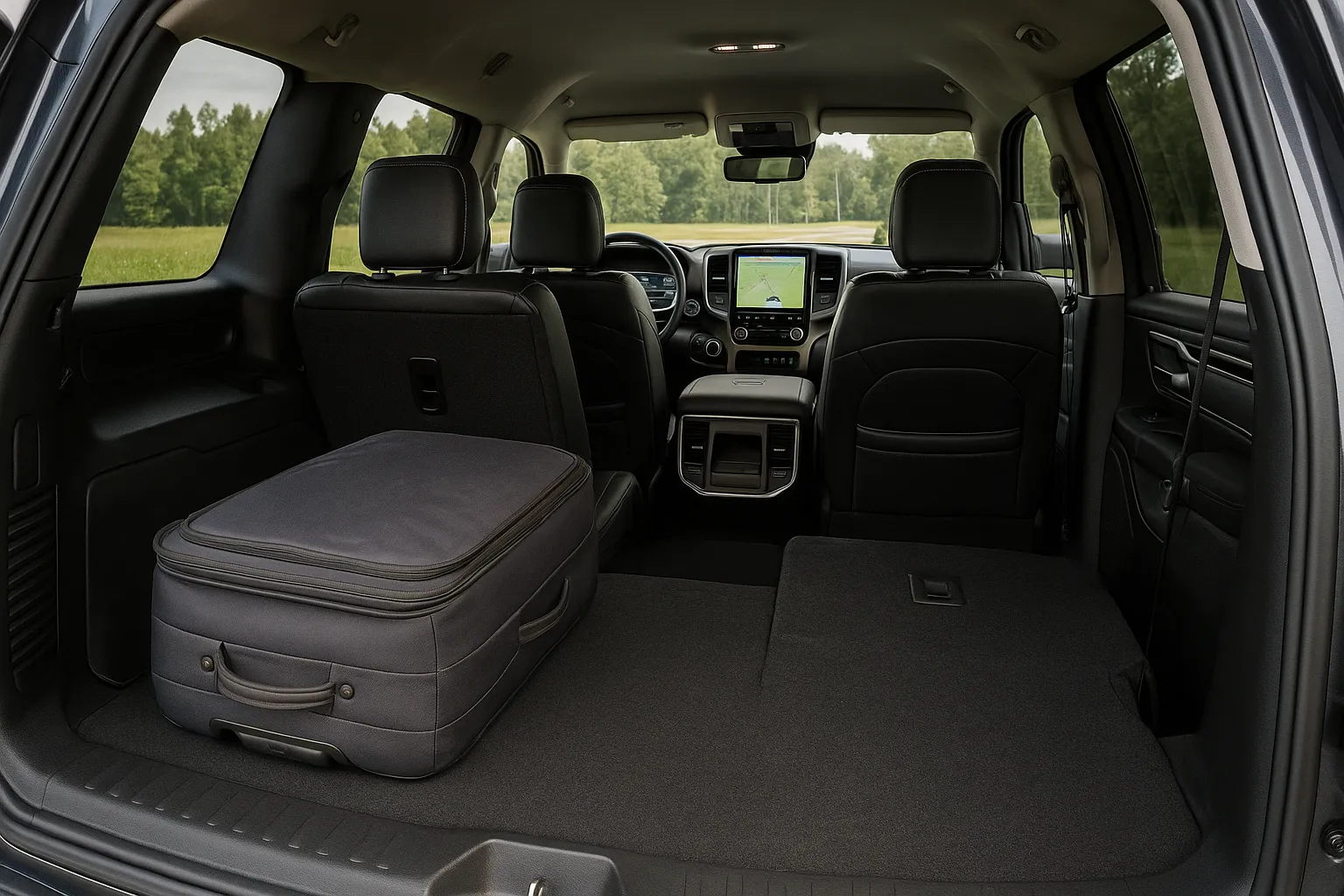
Ford’s truck business is more than the F-150. It includes Super Duty pickups, chassis cabs, fleet programs, high-end retail trims, work-focused commercial services, hybrid powertrains, and electric-truck experiments. A leader who has worked inside that environment brings familiarity with how pickup buyers are segmented and how truck profits are made.
That experience could be useful at Ram because the brand faces several overlapping challenges. It must keep traditional truck customers engaged, especially buyers who care about towing, payload, ride quality, engine choice, and resale value. It also has to convince fleets that Ram trucks and vans can deliver low operating costs and predictable service. At the same time, Ram needs to make its electrified products feel credible to truck owners who may be skeptical of range, charging time, cold-weather performance, and towing efficiency.
The Ford comparison is especially relevant because Ford has treated trucks as an ecosystem rather than a single nameplate. The F-Series spans basic work trucks, luxury-oriented trims, off-road variants, and high-output heavy-duty models. Ford also built a major commercial operation around telematics, fleet services, and business customers. Ram already plays in many of those areas, but the question is whether new leadership will push for a more integrated strategy across retail, commercial, and electrified products.
Ram’s product decisions are under scrutiny
The Ram 1500 remains the heart of the brand, and recent changes have made it a closely watched model. The current-generation truck moved away from the traditional Hemi V8 in favor of newer six-cylinder powertrains, a decision that has drawn attention from buyers who associate full-size pickups with V8 character. Whether that transition ultimately helps or hurts Ram will depend on how customers respond to real-world performance, fuel economy, pricing, reliability, and dealer inventory.
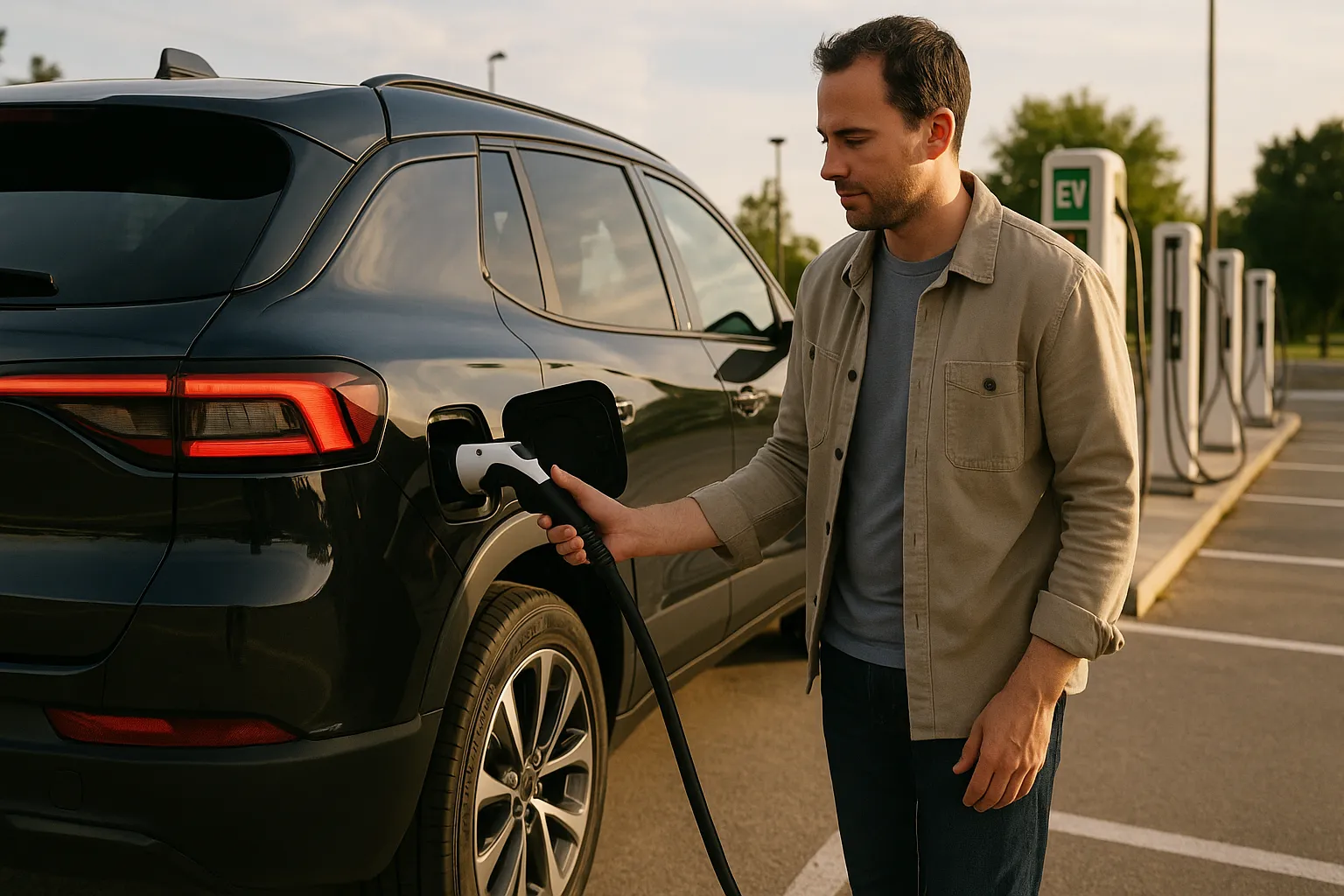
Ram also has two major electrified pickup programs on the horizon: the battery-electric Ram 1500 REV and the range-extended Ram 1500 Ramcharger. The REV is aimed at buyers ready for a fully electric truck, while the Ramcharger is designed to address range anxiety by pairing electric drive with onboard gasoline-generated electricity. The Ramcharger concept is particularly important because it targets a known pain point in the electric-truck market: towing and long-distance use.
For truck buyers, electrification only works if it fits the job. A pickup that performs well in a short test drive may still fall short if it loses too much range with a trailer attached, cannot charge conveniently near worksites, or costs too much compared with a conventional truck. Ram’s next CEO will have to balance regulatory pressure, technology investment, and customer acceptance without alienating the buyers who made the brand profitable in the first place.
Commercial vehicles are part of the story
Ram’s future is not limited to pickups. The ProMaster van and related commercial products give the brand a role in delivery, service, trades, and fleet operations. Stellantis’ focus on the Pro One commercial-vehicle unit gives Ram a clearer connection to global van and fleet strategy.
That connection could influence product development and dealer support. Commercial customers often care less about brand image and more about total cost of ownership, service speed, parts availability, upfitter compatibility, financing, and vehicle downtime. If Ram can improve those areas, it could strengthen its position with small businesses and larger fleets.
This is another area where experience with Ford’s truck and commercial approach may be valuable. Ford has spent years cultivating business buyers through dedicated fleet products and services. Ram has the hardware to compete, but execution will determine whether it can gain ground.
What could change for buyers
A CEO change does not immediately alter the trucks on dealer lots. Shoppers should not expect overnight changes to pricing, incentives, powertrains, or warranty coverage simply because Ram has new leadership. Vehicle programs take years to develop, and many decisions about upcoming models are already locked in.
Still, leadership matters in several ways that eventually reach customers. It can affect how aggressively Ram prices its trucks, which trims get priority, how quickly quality issues are addressed, how dealers are supplied, and how much attention goes to fleet versus retail buyers. It can also influence whether Ram leans harder into off-road models, luxury trims, electrified trucks, or work-focused configurations.
Owners may see the effects through software updates, service programs, parts availability, and dealer communication. Enthusiasts will be watching for signals about performance models, V8 strategy, off-road packages, and the future of the TRX nameplate. Fleet operators will be looking for clearer operating-cost data and support for electric or range-extended trucks.
A high-stakes appointment
Ram has strong brand equity, but it operates in a segment where loyalty is earned repeatedly. Full-size truck customers compare payload charts, tow ratings, incentives, interior comfort, fuel economy, and dealer relationships. They also remember reliability problems and product missteps.
Stellantis’ decision to put a Ford-trained truck executive at the center of Ram’s strategy shows how seriously the company views the next phase of the pickup battle. The brand needs to protect its profitable core while adapting to changing emissions rules, powertrain technology, and commercial-customer expectations.
The appointment does not guarantee a turnaround, a sales surge, or a specific product shift. It does, however, give Ram leadership with firsthand knowledge of how the segment’s benchmark competitor thinks about trucks. For buyers and industry watchers, the next signals to watch will be product timing, dealer inventory, pricing discipline, and how Ram positions its electrified pickups against conventional models.
In the truck business, strategy becomes real only when customers believe the product can do the work. Ram’s new leadership will be judged by that standard.