Range Rover Sport Electric Prototype Preview: Quiet Pace, Familiar Luxury, Unanswered Range Questions
An early drive in the Range Rover Sport Electric prototype suggests battery power suits the luxury SUV’s character, but range and charging data remain crucial missing pieces.
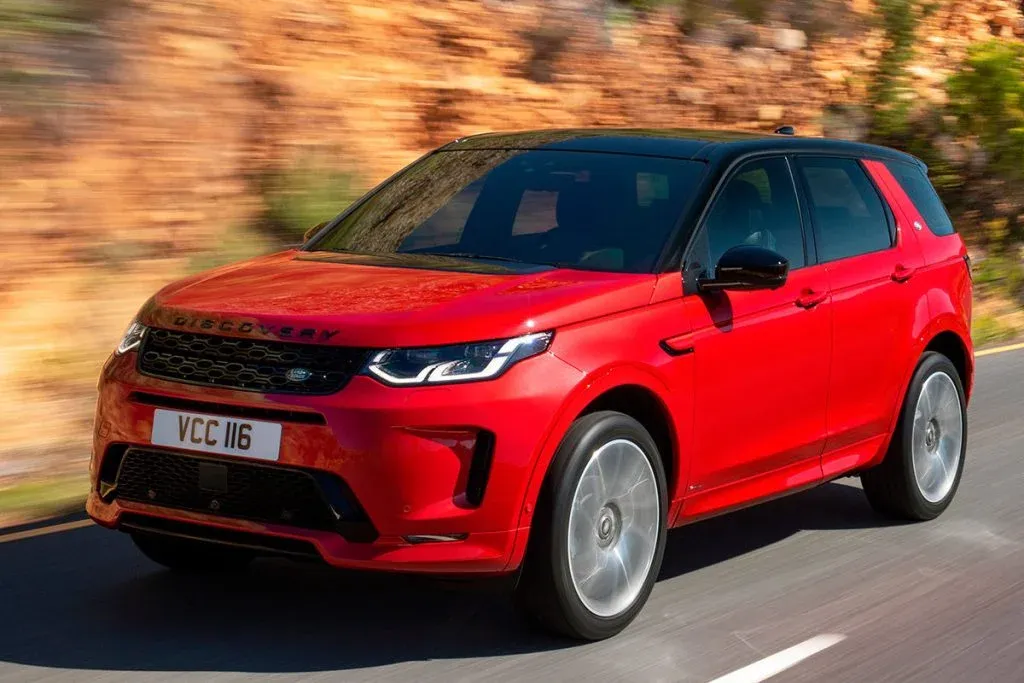
A familiar Range Rover Sport, now with battery power
The Range Rover Sport Electric has moved from promise to prototype, and an early drive suggests the shift to electric power could fit the model’s luxury-SUV brief especially well. The important caveat is that this is still a pre-production vehicle, and the information that matters most to many buyers — certified range, charging speed, battery capacity and final pricing — has not yet been confirmed.
What is clear is the direction of travel. Rather than turning the Sport into an overtly futuristic EV with radically different styling, Range Rover has kept the exterior close to the combustion-engined model already on sale. The prototype has been seen without disguise, and the changes are deliberately subtle: a new 22-inch wheel design, a slightly more closed-off upper grille and detail revisions around the lower rear bumper. To most people, it will simply read as a Range Rover Sport.
That conservative visual approach is important. Range Rover buyers are often paying for familiarity, presence and status as much as powertrain technology. The electric version appears designed to reassure existing customers that they are not being asked to adopt a niche-looking experiment. It is still meant to be a Range Rover Sport first, with the electric drivetrain operating in the background.
Why the electric drivetrain makes sense here
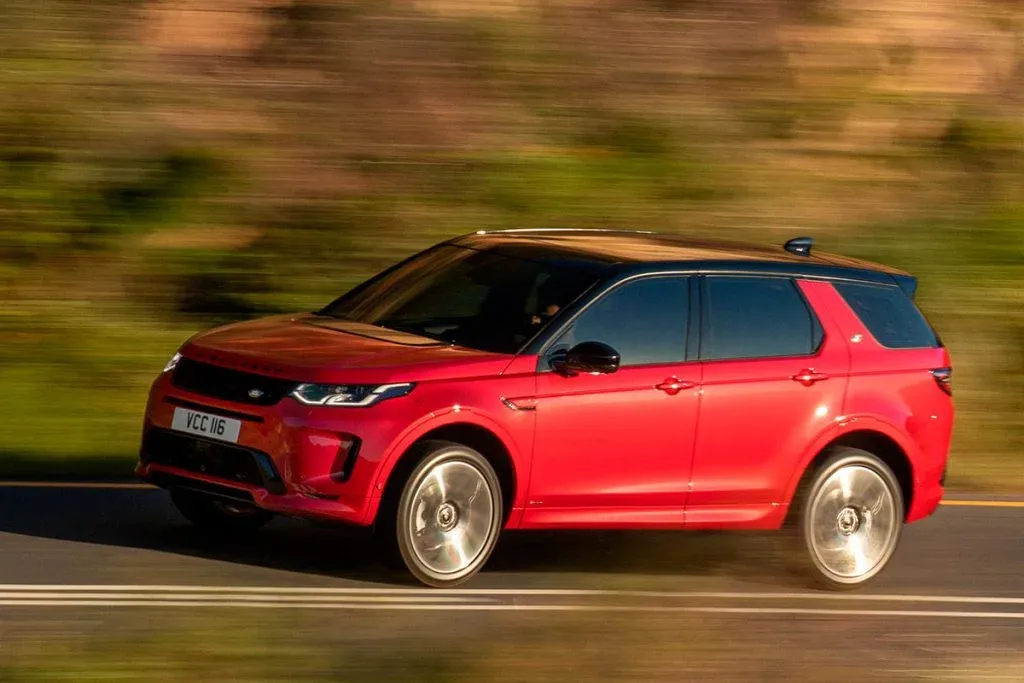
Large luxury SUVs have an awkward relationship with electrification. They are heavy, aerodynamically challenging and often bought by people who expect effortless long-distance travel. At the same time, they are among the vehicles that can benefit most from electric motors. Instant torque suits relaxed acceleration, near-silent running enhances cabin refinement, and a low-mounted battery can help composure by placing mass low in the vehicle.
That appears to be the central appeal of the Range Rover Sport Electric prototype. The early driving impression is of a calmer, smoother and more composed version of a vehicle already built around comfort and isolation. Removing combustion noise and gearshift interruptions naturally aligns with Range Rover’s traditional strengths: quiet progress, easy performance and a sense of separation from the road surface.
For enthusiasts, the appeal is different but still relevant. Electric performance can give a big SUV sharper initial response than an equivalent petrol or diesel model, particularly at urban and suburban speeds. The key challenge is making that performance feel natural rather than abrupt. A Range Rover Sport cannot simply be quick; it has to feel measured, controlled and expensive in the way it moves.
Styling changes are intentionally minimal
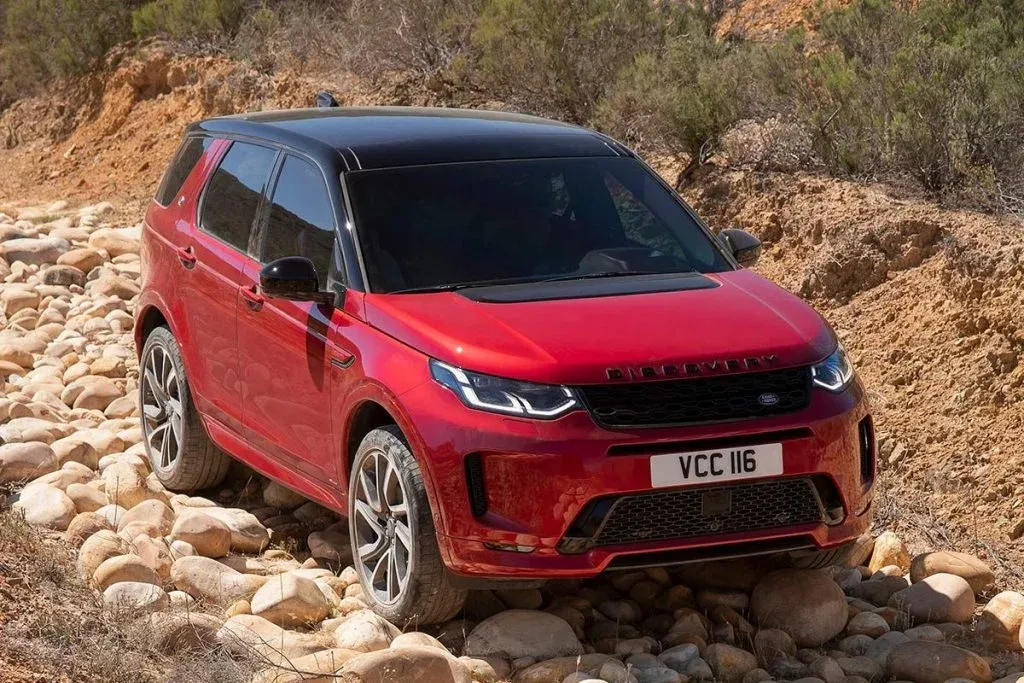
The prototype’s restrained appearance also tells us something about how the brand is positioning the vehicle. This is not being treated as a separate EV sub-brand or a dramatic design reset. The electric model is being integrated into the existing Range Rover Sport family.
That should matter to owners who want an electric SUV without advertising the fact too loudly. Some EV buyers like distinctive styling and visible aero features. Others, particularly in the luxury segment, prefer continuity. The Sport Electric’s limited visual changes suggest it is aimed at the second group.
The more closed-off grille is expected for an EV because cooling requirements differ from those of combustion models, though high-performance electric vehicles still need thermal management for batteries, motors and power electronics. The wheel design may also play a role in efficiency, but final aerodynamic details and production specifications have not been released.
The unanswered questions: range and charging
The biggest issue is not whether the electric drivetrain feels appropriate. Early signs indicate that it does. The bigger question is whether the finished vehicle will deliver enough usability to satisfy Range Rover Sport customers.
Range matters in any EV, but it is particularly important here. A premium SUV of this size is likely to be used for long motorway journeys, airport runs, weekends away, towing and winter driving. Buyers in this segment may also have multiple vehicles, but that does not reduce the expectation that a Range Rover should feel versatile and dependable.
Charging speed is just as important as headline range. A large battery can produce an impressive official figure, but if rapid-charging performance is not competitive, long trips become less convenient. Conversely, a vehicle with only moderate range can still be easy to live with if it adds miles quickly and manages charging consistently in cold weather or under repeated rapid-charge sessions.
At this stage, those details remain unknown. That makes any final judgment premature. The prototype can show the character of the car, but it cannot yet answer the practical ownership questions that will define whether it competes convincingly with other premium electric SUVs.
What buyers should watch before ordering
Prospective buyers should focus on several areas when final specifications arrive. First is official range, but that number should be treated as only the starting point. Real-world motorway efficiency, winter performance and the effect of larger wheels will be more relevant for many owners.
Second is DC rapid-charging capability. Peak charging rate is useful, but the charging curve — how long the car sustains high speeds — matters more in practice. A luxury EV should be able to recover meaningful range during a short stop.
Third is practicality. The packaging of the battery, boot space, cabin floor height and towing capability will all affect whether the electric model can replace a petrol, diesel or plug-in hybrid Range Rover Sport without compromise.
Fourth is ride quality. Large wheels, heavy batteries and performance-focused tyres can work against comfort if not carefully tuned. Range Rover’s reputation gives it a strong starting point, but the production car still needs to prove that it can combine mass, refinement and body control over poor roads.
Why it matters for the industry
The Range Rover Sport Electric is more than another premium EV launch. It is a test of whether established luxury SUV makers can electrify their most profitable, image-defining models without losing the qualities that made those vehicles desirable.
Many early electric SUVs leaned heavily on novelty, screen technology and acceleration claims. The next phase is different. Buyers now expect EVs to feel complete: quiet, fast, efficient, easy to charge and emotionally aligned with the badge on the bonnet. For Range Rover, that means an electric Sport must feel opulent and capable, not merely battery-powered.
It also arrives at a time when luxury buyers have more choices than ever, from electric SUVs built on dedicated EV platforms to high-output plug-in hybrids that offer electric commuting with combustion backup. The Range Rover Sport Electric will need to justify itself not only against other EVs, but also against the existing Range Rover Sport lineup.
Early verdict
The first impression is promising. Electric power appears to complement the Range Rover Sport’s core personality: quiet, confident and effortlessly quick. The restrained design should also help it appeal to customers who want electrification without a dramatic change in image.
But the final verdict cannot be delivered yet. Until range, charging performance, battery details, pricing and production tuning are confirmed, the Range Rover Sport Electric remains a highly relevant but incomplete story. For buyers, the message is simple: the concept looks right, but the numbers will decide how convincing it is as a real-world luxury SUV.