Rivian Tops Q2 2026 Expectations as EV Output Rebounds
Rivian built 12,613 vehicles in the second quarter of 2026, beating its prior quarterly outlook and giving the EV maker a stronger first half after a difficult delivery trend last year.
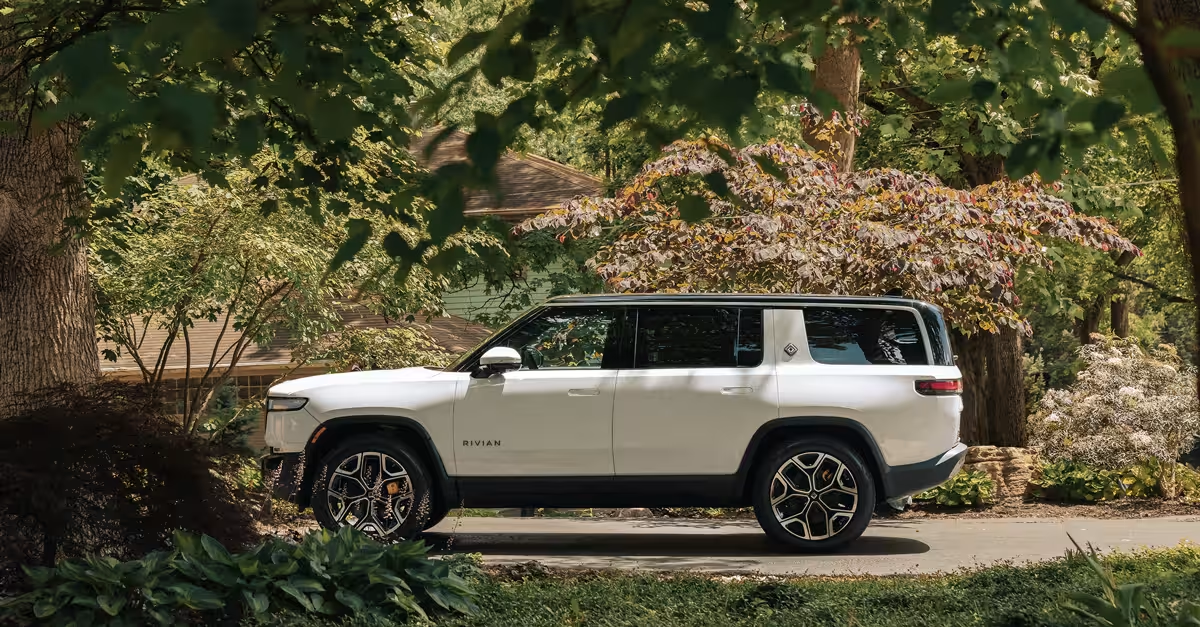
Rivian entered the second half of 2026 with a cleaner production story than many investors, shoppers, and EV watchers expected. The electric vehicle maker built 12,613 vehicles in the second quarter, a result that topped its previously stated quarterly outlook of 9,000 to 11,000 vehicles for the period ending June 30, 2026.
That is a meaningful beat for a company still working through the expensive transition from promising EV startup to durable automaker. Rivian’s lineup remains relatively focused, centered on the R1T pickup, R1S SUV, and commercial electric van platform. With fewer nameplates than legacy rivals and a still-developing manufacturing base, each quarterly production update carries outsized importance.
The stronger Q2 result does not erase Rivian’s challenges, but it does point to better operational footing after a softer delivery trend last year. For an automaker trying to scale while preparing for future, more affordable products, consistent factory execution is more than a financial metric. It affects vehicle availability, delivery timing, service planning, supplier confidence, and buyer perception.
Why the Q2 number matters
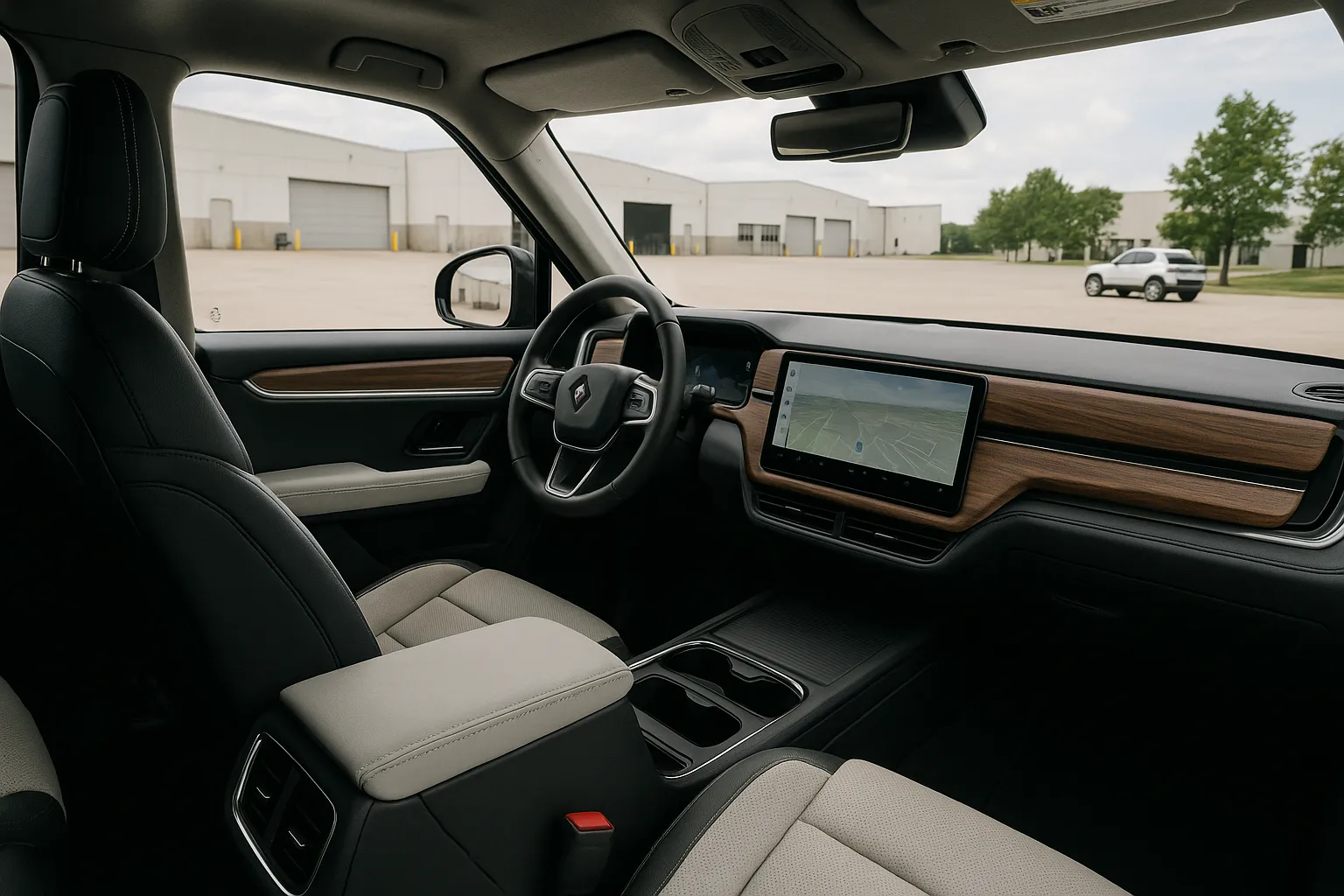
Building 12,613 vehicles in a quarter is not high volume by mainstream auto-industry standards. Ford, Toyota, General Motors, and Hyundai operate on a much larger global scale. But for Rivian, the number is important because it landed above the company’s own near-term expectations.
Production guidance in the 9,000-to-11,000 range suggested a more cautious quarter. Clearing that range gives Rivian evidence that its manufacturing system can run better than planned, at least over a single three-month period. In an industry where underused factories can quickly become a cash drain, higher output can help spread fixed costs across more vehicles.
For buyers, the practical implication is straightforward: if Rivian can keep production steady, order-to-delivery timing may become more predictable. That matters especially for customers choosing between an R1S and other premium electric SUVs, or between an R1T and gasoline, hybrid, or electric truck alternatives. EV buyers are often asked to commit before seeing every configuration in dealer-like inventory, so confidence in build pace and delivery communication has value.
For owners, rising production can also support the broader ecosystem around the vehicle. More vehicles on the road can improve parts flow, service familiarity, accessory support, and third-party interest. Those benefits do not appear overnight, and service capacity can still lag in fast-growing markets, but scale gives Rivian more incentive and more data to improve the ownership experience.
Rivian’s recovery comes in a mixed EV market
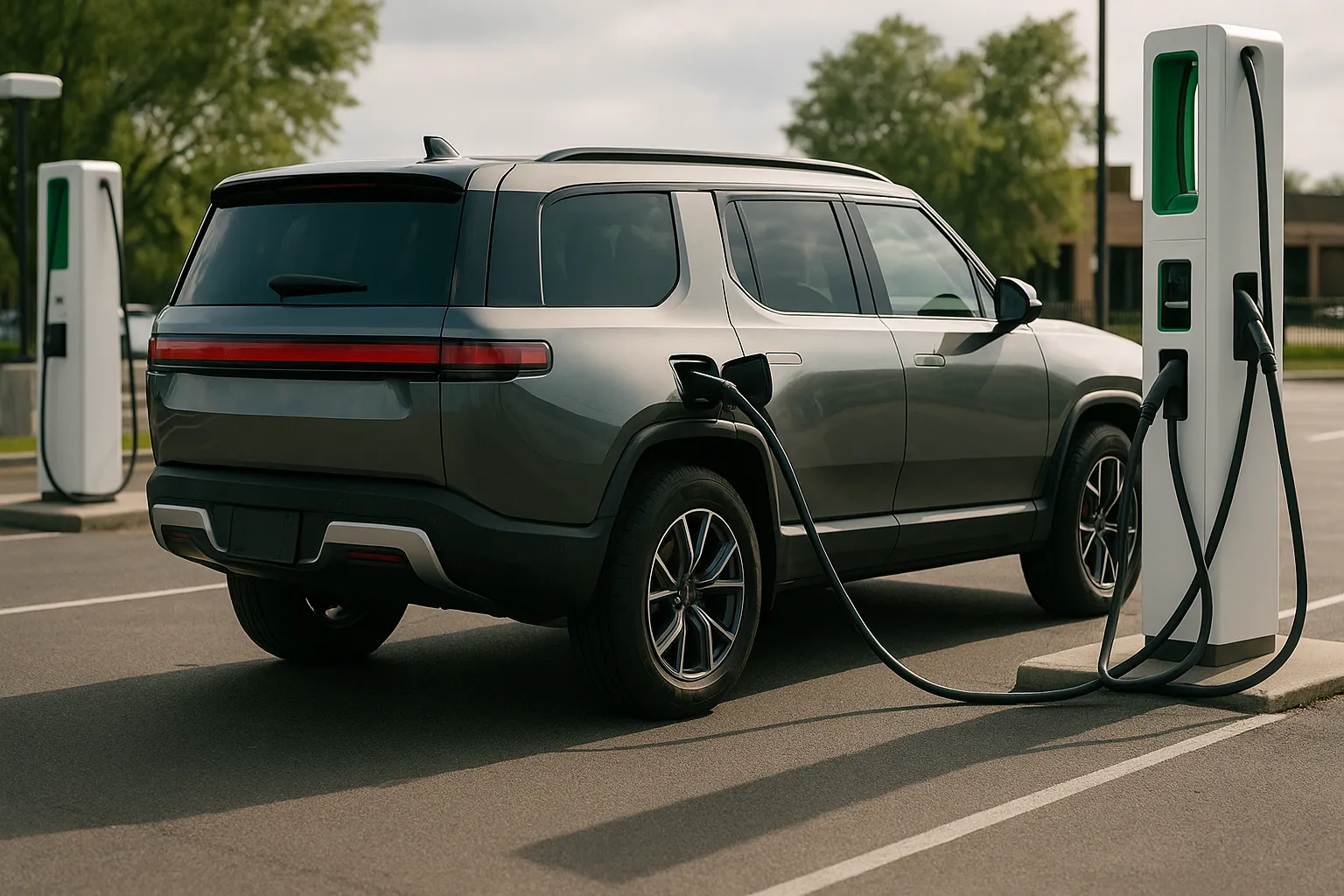
Rivian’s improved quarter arrives after a period in which the EV market became more uneven. Demand for electric vehicles has not disappeared, but the easy-growth phase has cooled in several segments. High interest rates, pricing pressure, charging concerns, and a wave of new competitors have made shoppers more selective.
That is especially relevant for Rivian because its current consumer vehicles sit in the premium price band. The R1T and R1S are desirable, adventure-oriented EVs, but they are not mass-market commuter cars. Rivian has to convince buyers that its software, design, capability, charging access, and ownership experience justify the price.
The company’s delivery decline last year reflected those broader market pressures as well as Rivian-specific scaling issues. A stronger first half of 2026 suggests the company has found more stability, though one quarter is not the same as a long-term trend. The next questions are whether Rivian can maintain momentum, balance production with real customer demand, and avoid building inventory that requires heavy discounting.
A production beat is only one part of the story
The headline number is positive, but production volume alone does not determine Rivian’s health. Automakers also need healthy margins, controlled incentives, efficient logistics, strong quality, and enough service coverage to keep customers satisfied.
Rivian’s cost structure remains one of the biggest industry questions. Building EVs at scale is capital-intensive, and young automakers often spend years trying to reduce per-vehicle losses. Manufacturing improvements, simplified vehicle architectures, supplier renegotiations, and higher plant utilization can all help, but none are instant fixes.
Quality and consistency also matter. Rapid production increases can expose weak points in supply chains or assembly processes. Rivian has generally built a strong brand among EV enthusiasts and adventure-vehicle buyers, but its long-term reputation will depend on how well vehicles age, how quickly issues are resolved, and how easily owners can access service.
For enthusiasts, the production beat is encouraging because Rivian occupies a distinctive space in the EV market. The R1T helped prove that an electric pickup could be more than a work truck, while the R1S has become one of the more compelling three-row electric SUVs available in the U.S. Stronger production keeps those products visible and relevant at a time when traditional automakers are recalibrating some EV programs.
Competitive pressure is not easing
Rivian’s Q2 performance should be viewed alongside growing competition. Electric SUVs are becoming more common, and electric trucks continue to evolve as automakers refine range, towing capability, charging speed, and pricing. Buyers comparing a Rivian will increasingly have alternatives from established brands with larger dealer and service networks.
That means Rivian’s advantage cannot rest only on being early or different. It needs to keep improving manufacturing efficiency while preserving the personality that made its vehicles stand out. The brand’s outdoors-focused design, software-led interface, and performance capability remain strengths, but long-term success will depend on affordability and reliability as much as excitement.
The upcoming next generation of lower-priced Rivian products will be central to that effort. While the Q2 2026 update is about current production, the result matters because today’s factory discipline helps fund and validate tomorrow’s expansion. Investors and potential buyers alike will watch whether Rivian can bridge the gap between premium early products and broader-market EVs.
What shoppers should take from this
For anyone considering an R1T or R1S, the Q2 result is a positive signal rather than a reason to rush. A stronger production quarter can mean more configuration availability and potentially smoother delivery estimates, but shoppers should still compare real transaction pricing, incentives, charging access, insurance costs, and service proximity.
Existing owners may see indirect benefits if Rivian’s scale continues to grow. More stable production can support better parts availability and a larger ownership base, though service wait times will still vary by region.
For the industry, Rivian’s 12,613-vehicle quarter shows that the EV market is not simply moving in one direction. Some companies are slowing plans or adjusting expectations, while others are finding pockets of strength. Rivian still has much to prove, but beating its Q2 outlook gives it a stronger platform for the remainder of 2026.