Skoda Octavia Facelift Points to Plug-In Hybrid Comeback
A lightly camouflaged Skoda Octavia prototype suggests the family hatch and estate are in line for another design update, with plug-in hybrid power expected to return after a UK absence.
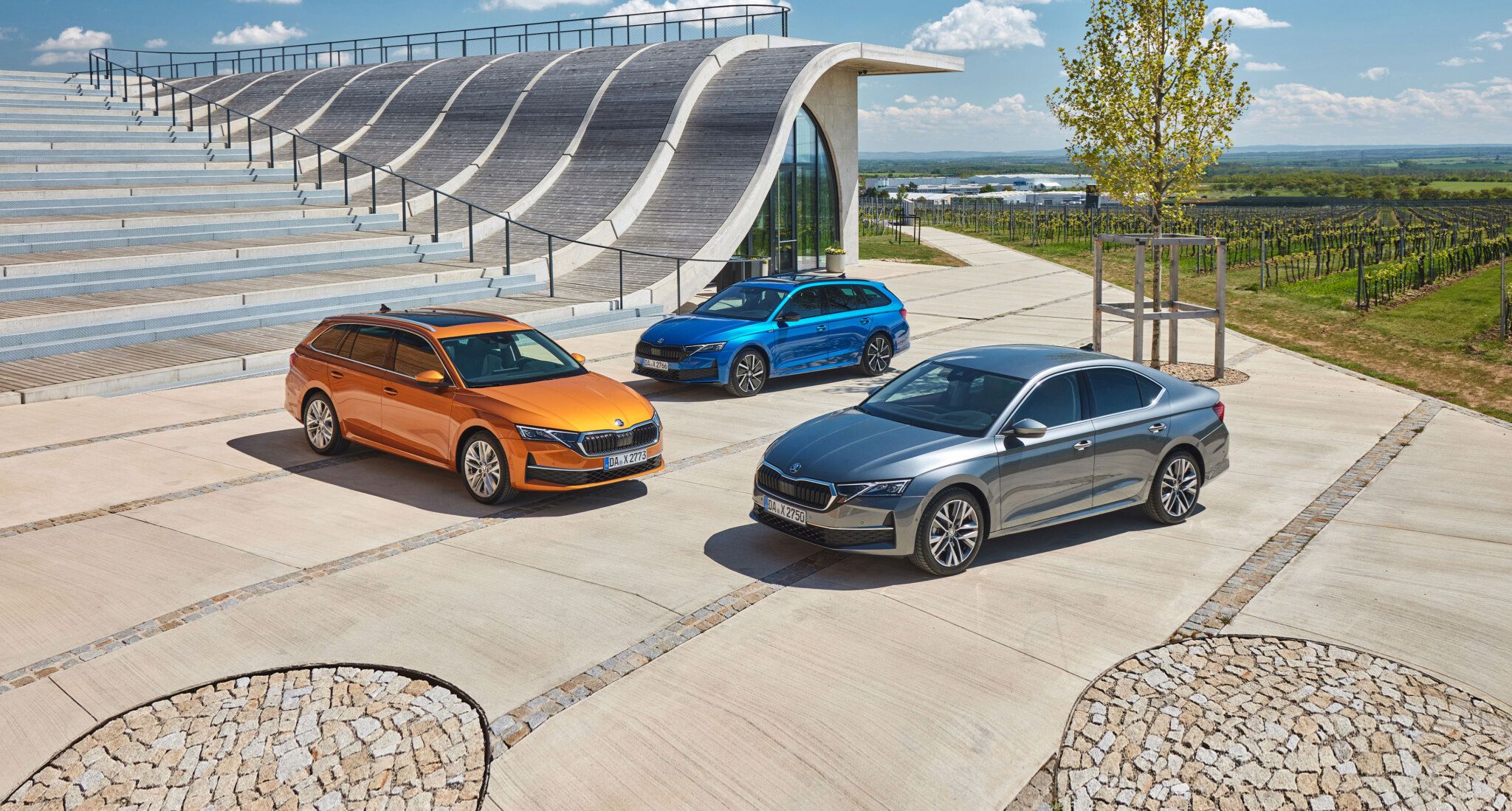
Skoda appears to be preparing another update for the Octavia, and the most important change may be under the skin rather than in the bodywork. A recently seen test car shows the familiar family model wearing camouflage and, crucially, a charging flap on the front wing. That points strongly to the return of plug-in hybrid power for the Octavia after the drivetrain disappeared from UK sale several years ago.
The updated model is not expected imminently. Timing has not been confirmed, and current indications suggest UK showroom arrivals are unlikely before late 2027. Even so, the prototype is significant because the Octavia remains one of the most practical alternatives to a family SUV, especially in estate form, and a renewed plug-in hybrid option would make it more relevant to company-car users and private buyers trying to cut fuel use without moving to a full electric vehicle.
What the prototype shows
The car seen testing was an Octavia estate, but the changes are expected to apply to the hatchback as well. Skoda has traditionally kept the Octavia range broad, and the model’s appeal depends heavily on offering both body styles: the hatch for buyers who want a large, conventional family car, and the estate for those prioritising load space.
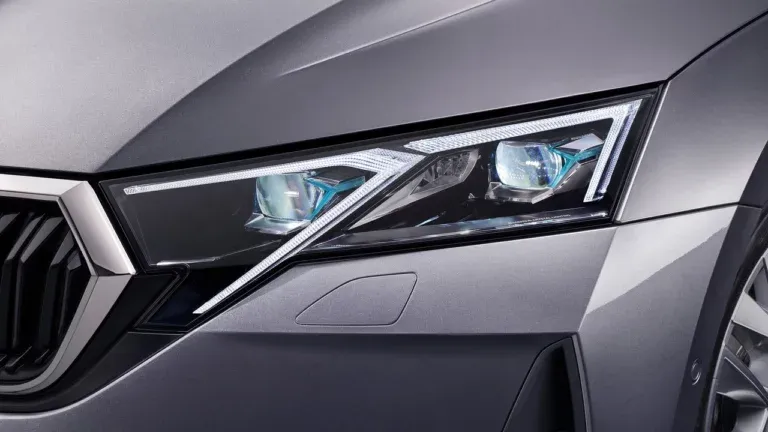
The camouflage suggests a restrained exterior revision rather than a full redesign. The Octavia is already in its current generation, so this looks like a second update designed to keep it competitive until a replacement arrives. The visible changes point toward revised front and rear detailing, with the broader design direction expected to move closer to Skoda’s latest electric models. That likely means cleaner surfaces, updated lighting signatures and a front-end treatment that helps the Octavia sit more comfortably beside the brand’s newer EVs.
This matters because Skoda’s line-up is evolving quickly. As electric SUVs and crossovers become more prominent, older combustion-based models need to look and feel connected to the same design family. The Octavia is too important to be left behind visually, particularly in Europe where it remains a major fleet and family-car contender.
Plug-in hybrid power is the bigger story
The charging flap is the clearest clue that the Octavia plug-in hybrid is being revived. The expected setup is based around a 1.5-litre four-cylinder petrol engine paired with an electric motor, using a battery of around 20kWh. In other Volkswagen Group applications, this newer-generation plug-in hybrid system is offered in two broad outputs: about 200bhp and about 268bhp.
Whether Skoda will offer one or both versions in the Octavia has not been confirmed. The Octavia is usually positioned as a practical, value-focused family car rather than a performance flagship, so a lower-output version would be the obvious fit for mainstream trims. However, a stronger version could make sense for higher-spec models, especially if Skoda wants to give the updated Octavia a wider spread of powertrains.
The system is expected to drive the front wheels through a dual-clutch automatic gearbox. That would be consistent with the Octavia’s family-car brief and with the way similar plug-in hybrid systems are packaged across related models.
Electric range could be a major advantage
The current Volkswagen Group plug-in hybrid hardware is capable of a much longer electric-only range than older PHEV systems. A realistic target in related models is roughly 60 to 75 miles on battery power, depending on specification, wheels, body style and test cycle.
If the Octavia lands in that range, it would be a meaningful improvement over earlier plug-in hybrids. For many drivers, that could cover a weekday commute without using petrol, provided they can charge regularly at home or work. Longer electric range also helps company-car drivers in markets where tax rules reward low official CO2 emissions.
There is still uncertainty here. The Octavia update is not yet officially detailed, and plug-in hybrid technology is advancing quickly. Final battery capacity, electric range and power output could differ by the time the car reaches showrooms. Still, the direction is clear: Skoda wants the Octavia to rejoin the growing group of family cars that can run on electricity for short journeys while retaining petrol power for long-distance travel.
Why this matters for buyers
For private buyers, a plug-in hybrid Octavia would offer a middle ground between a conventional petrol or diesel model and a full EV. The Octavia has long been popular because it provides generous space, sensible running costs and understated design. Adding a modern PHEV option could broaden its appeal to households that are interested in electrification but not ready to depend entirely on public charging.
The estate version is especially important. The market is full of electrified SUVs, but roomy plug-in hybrid estates are less common. For drivers who need a large boot, low loading height and efficient motorway manners, an Octavia estate PHEV could be a more practical and less bulky alternative to an SUV.
There are considerations, though. Plug-in hybrids only deliver their best efficiency when they are charged frequently. Drivers who rarely plug in can end up carrying the weight of a battery without getting the benefit of electric running. Buyers will also need to check whether the PHEV version affects boot space or towing limits once final specifications are released.
Why it matters for Skoda and the industry
The Octavia’s expected plug-in hybrid return reflects a wider industry pattern. Carmakers are still investing in EVs, but plug-in hybrids are regaining importance as a transitional technology. They help manufacturers reduce fleet emissions while giving customers a less abrupt shift from combustion engines to battery-electric cars.
For Skoda, the move also protects one of its strongest nameplates. The Octavia competes in a segment that has been squeezed by SUVs, yet it remains attractive because it offers space and value in a lower, more efficient package. A refreshed design and a modern electrified drivetrain could help it stay relevant as rivals push deeper into hybrid and electric territory.
The updated Octavia is therefore more than a cosmetic facelift. If the plug-in hybrid returns with competitive electric range and sensible pricing, it could become one of the most pragmatic electrified family cars on sale: not a radical reinvention, but potentially a very useful evolution of a model that many buyers already understand.