Subaru’s Flexible Factory Plan Keeps Gas, Hybrid, and EV Options Open
Subaru will begin building combustion, hybrid, and electric vehicles on the same assembly line in Japan this August, a strategy that could later reach the U.S.
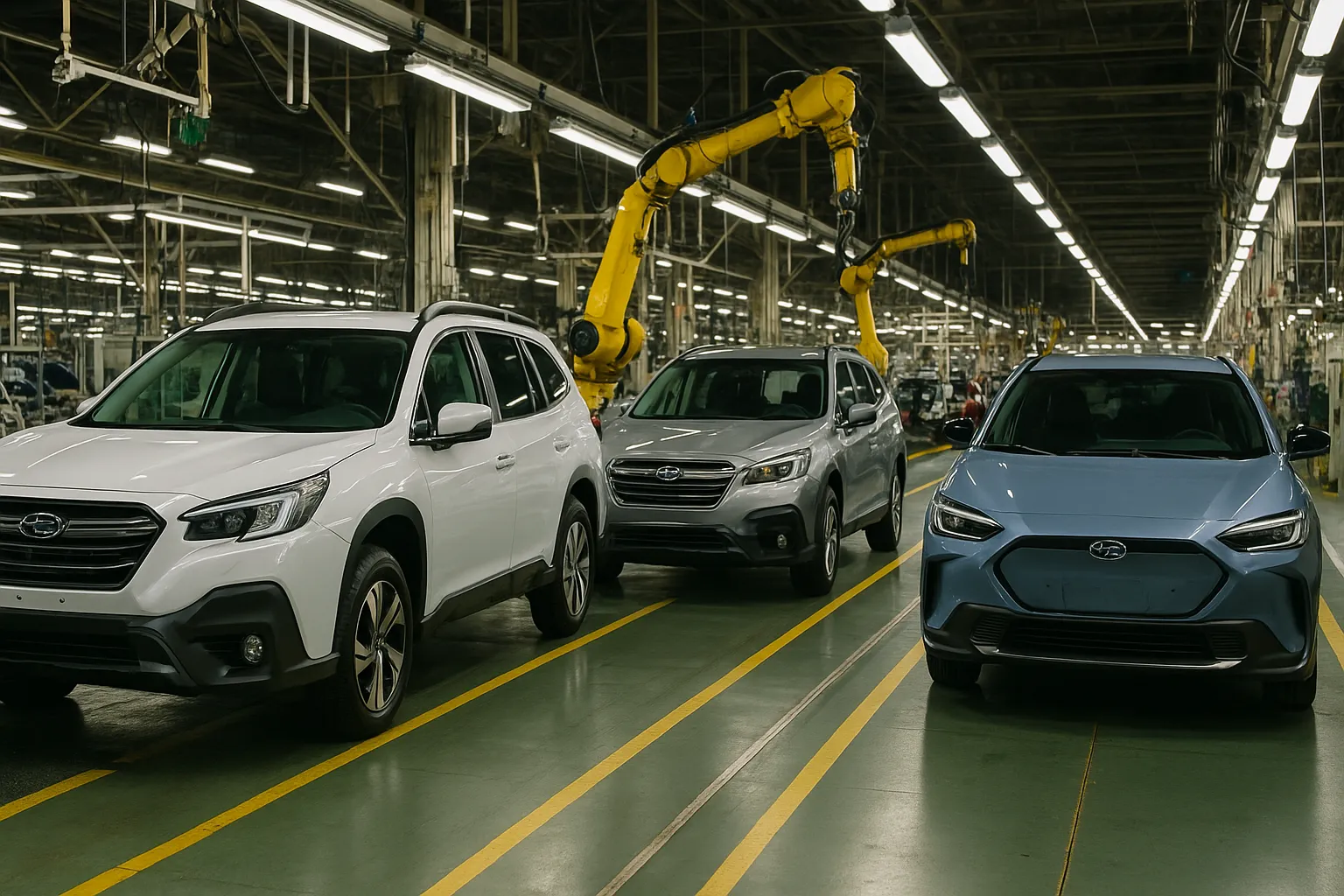
Subaru is preparing a more flexible manufacturing system that reflects the uneven pace of the industry’s transition to electrification. Beginning this August, the company plans to build gasoline-powered vehicles, hybrids, and battery-electric vehicles on the same assembly line at its Yajima plant near Tokyo.
Subaru describes the approach as “ultra-efficient production,” and the significance is not simply that the company is adding more electrified models. The bigger change is that Subaru wants one line to handle multiple powertrain types instead of separating internal-combustion models from hybrids and EVs. For the first time in Subaru’s production network, conventional vehicles, gasoline-electric models, and fully electric vehicles will be assembled side by side.
The company is also leaving the door open to using the same strategy in the United States, although no U.S. plant, timeline, or model plan has been confirmed. That uncertainty matters: this is a manufacturing direction, not a product announcement with pricing, specifications, or showroom dates attached.
Why Subaru is choosing flexibility
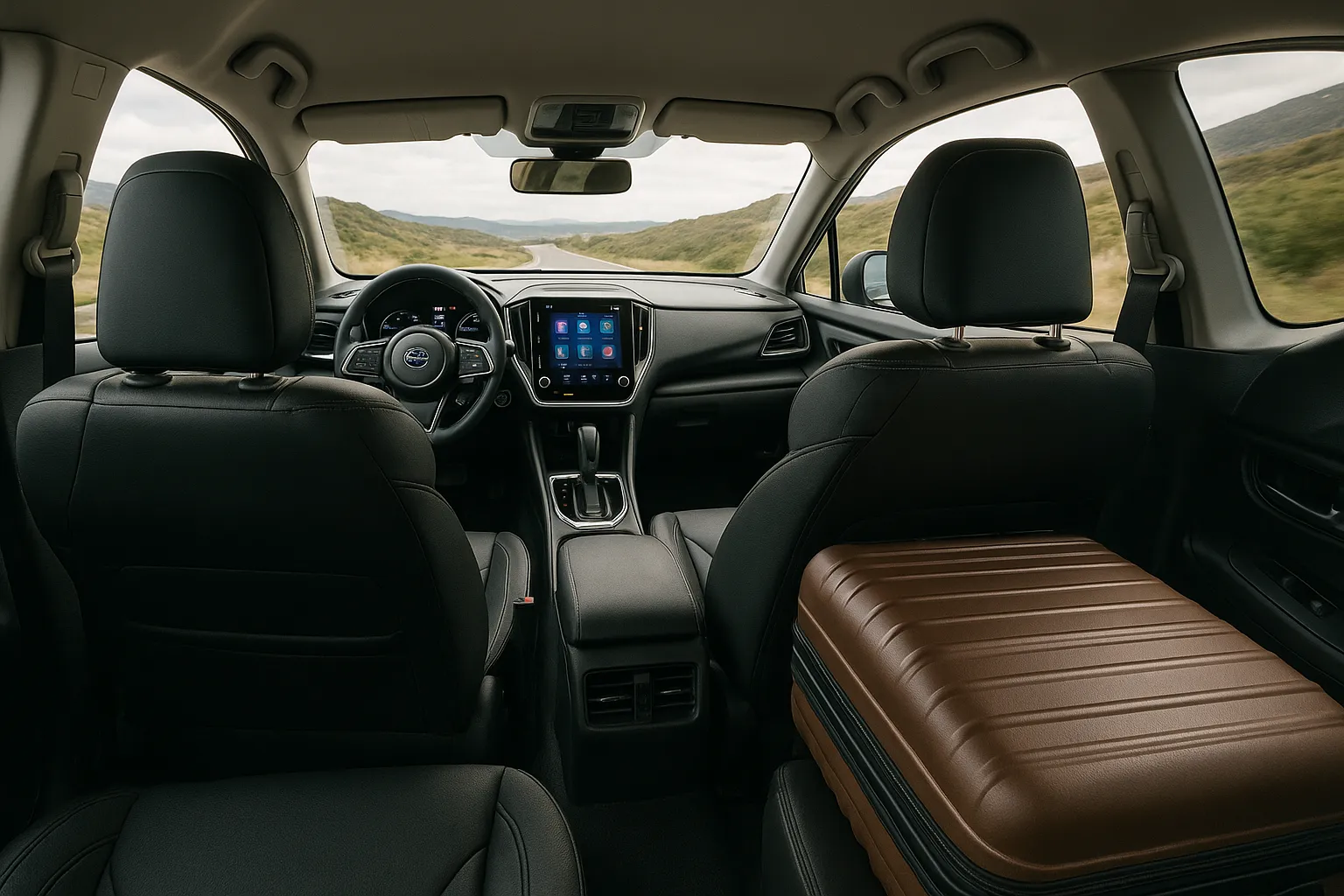
Automakers are facing a difficult planning problem. EV sales continue to grow in many markets, but not at a steady or uniform rate. Some buyers are ready to go fully electric now. Others are choosing hybrids because they want better fuel economy without changing their driving or charging habits. Many shoppers still prefer gasoline models because of price, towing needs, rural driving patterns, winter range concerns, apartment living, or limited charging access.
For a company such as Subaru, flexibility can be especially valuable. Subaru does not operate at the same global scale as the industry’s largest automakers, and its identity has long been tied to all-wheel drive, outdoors-oriented vehicles, and loyal repeat buyers. A dedicated EV-only line can be efficient when demand is predictable and high. But if demand shifts suddenly, that same line can become a costly constraint. A mixed line allows an automaker to raise or lower output of different powertrain types without reworking the entire factory.
In practical terms, Subaru’s plan is a hedge against guessing wrong. If hybrid demand rises faster than expected, production can tilt toward hybrids. If EV demand improves, the same facility can support more electric output. If gasoline models remain strong in certain regions, Subaru can keep supplying them while still investing in electrification.
What changes for buyers?
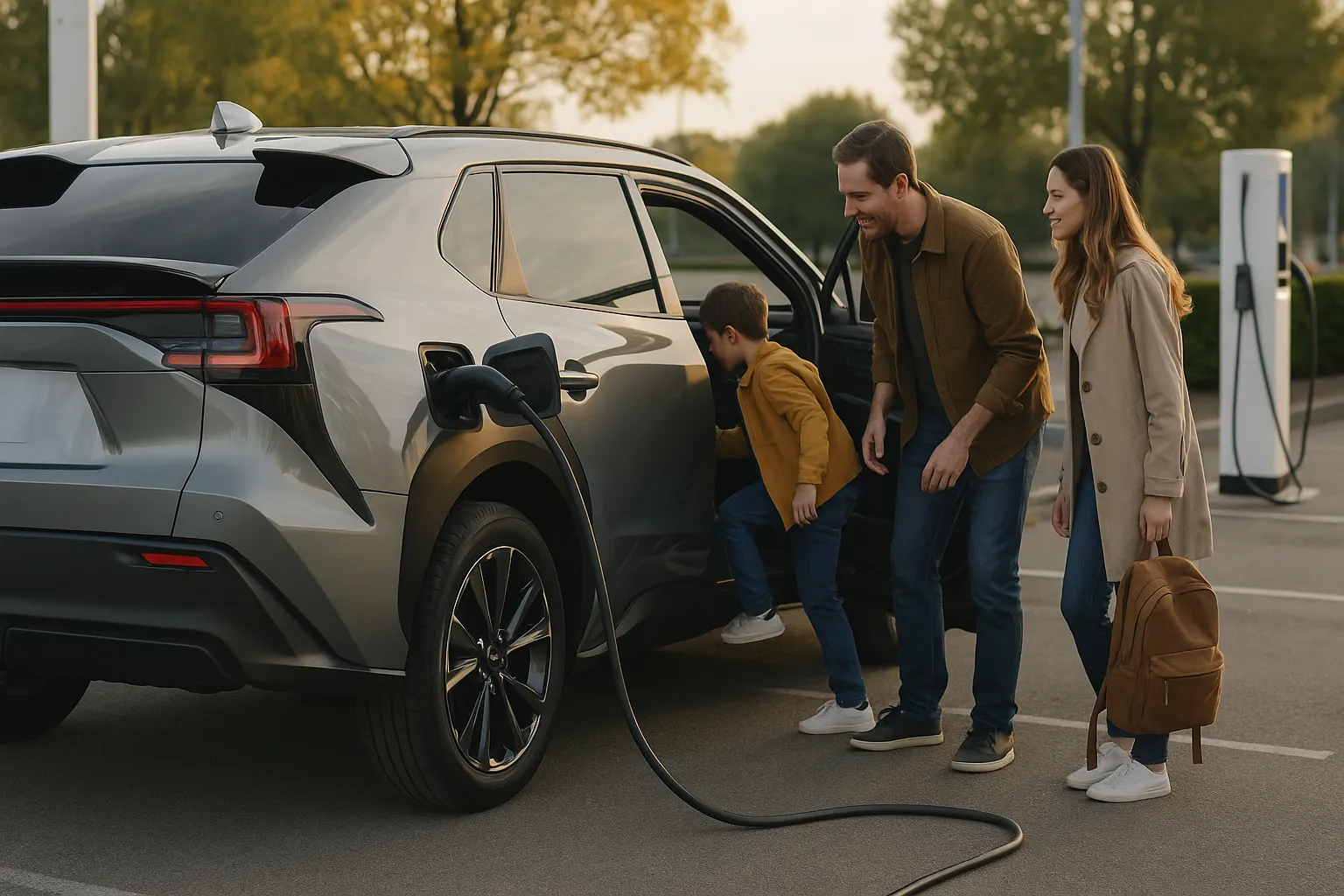
For car shoppers, the most important takeaway is choice. Subaru’s plan suggests the brand does not intend to force a single powertrain path across its lineup in the near term. Buyers who want a traditional gasoline Subaru, a hybrid, or an EV may continue to see those options coexist rather than one immediately replacing the others.
The factory strategy could also help with availability. When production lines are highly specialized, a mismatch between what a plant is building and what customers want can create inventory problems. Dealers can end up short of high-demand models while other versions build up. A more adaptable assembly system can make it easier to respond to real-world demand, though it does not guarantee short wait times or lower transaction prices.
Cost is another possible benefit, but it should be viewed carefully. Subaru’s goal is to make production more efficient, and efficiency can help reduce manufacturing expense. That does not automatically mean window stickers will drop. Vehicle prices are shaped by materials, batteries, labor, exchange rates, regulations, dealer inventory, incentives, and competition. Still, a less rigid production system can help an automaker avoid waste, and over time that can support more stable pricing or better-equipped models.
Owners may see indirect benefits as well. When an automaker keeps several powertrain types in regular production, parts supply, technician training, and service procedures tend to evolve across a broader fleet. For EV owners, mixed production could help normalize high-voltage systems inside Subaru’s manufacturing and service ecosystem. For gasoline and hybrid owners, it signals that Subaru is not abandoning combustion-related support while it expands electric options.
Why building all three types on one line is hard
Combining gasoline, hybrid, and EV production is not as simple as parking different cars on the same conveyor. EVs require large battery packs, high-voltage wiring, different safety procedures, and specific quality checks. Hybrids add their own complexity because they combine combustion hardware with electric motors, power electronics, and battery systems. Gasoline vehicles have exhaust systems, fuel tanks, engines, and transmissions that EVs do not.
A flexible line must manage those differences without slowing down production or increasing defects. Workers need training for multiple build processes. Suppliers must deliver the right components in the right sequence. The plant needs tooling that can accommodate different underbody layouts and powertrain installations. Quality-control systems must confirm that each vehicle receives the correct hardware and software for its configuration.
That is why the move is meaningful from an industry perspective. It is not merely a branding exercise around electrification. It is an attempt to change the way Subaru allocates factory capacity at a time when forecasting demand has become harder.
A middle path in the EV transition
Subaru’s plan also illustrates a broader shift in automotive strategy. Several years ago, the industry conversation often framed the future as a rapid move from gasoline vehicles directly to EVs. The reality has become more complicated. EVs remain central to long-term emissions goals, but hybrids have gained renewed attention because they can reduce fuel use without relying on public charging infrastructure. At the same time, combustion vehicles remain important in markets and use cases where EV adoption is slower.
Subaru’s mixed-line approach fits that environment. It does not reject EVs, but it also does not assume that EV demand will rise in a perfectly linear way. Instead, it gives Subaru room to keep building what buyers are actually purchasing while preparing for a more electrified lineup.
For enthusiasts, the plan may feel less dramatic than a new performance model or a dedicated EV platform, but manufacturing decisions shape what reaches showrooms. A flexible factory can influence which variants survive, how quickly new models can be introduced, and how much risk Subaru can take on niche products or regional differences.
U.S. implications remain uncertain
The possibility of bringing the system to the United States is important, but still unconfirmed. Subaru has not locked in a U.S. launch date for the production method or identified which American-built models would be affected. Until those details are announced, buyers should not assume that a specific U.S.-market Subaru will be built under this system.
Still, the direction is clear. Subaru is preparing for a market where gasoline, hybrid, and electric vehicles coexist for years rather than months. By starting with the Yajima plant, the company can prove the system in Japan before deciding how widely to apply it.
The result is a pragmatic manufacturing strategy. Subaru is investing in EV capability, but it is not betting its factories on a single outcome. For buyers, that could mean more powertrain choice. For Subaru, it could mean lower risk. For the industry, it is another sign that the transition to electrification is being managed not only through new models, but through more adaptable ways of building them.