Tesla Autopilot Lawsuit Challenges Older Cars' Self-Driving Claims
A proposed class action argues that Tesla vehicles built with earlier Autopilot hardware cannot deliver the self-driving capability buyers say they paid for.
Tesla’s self-driving promises face another legal test
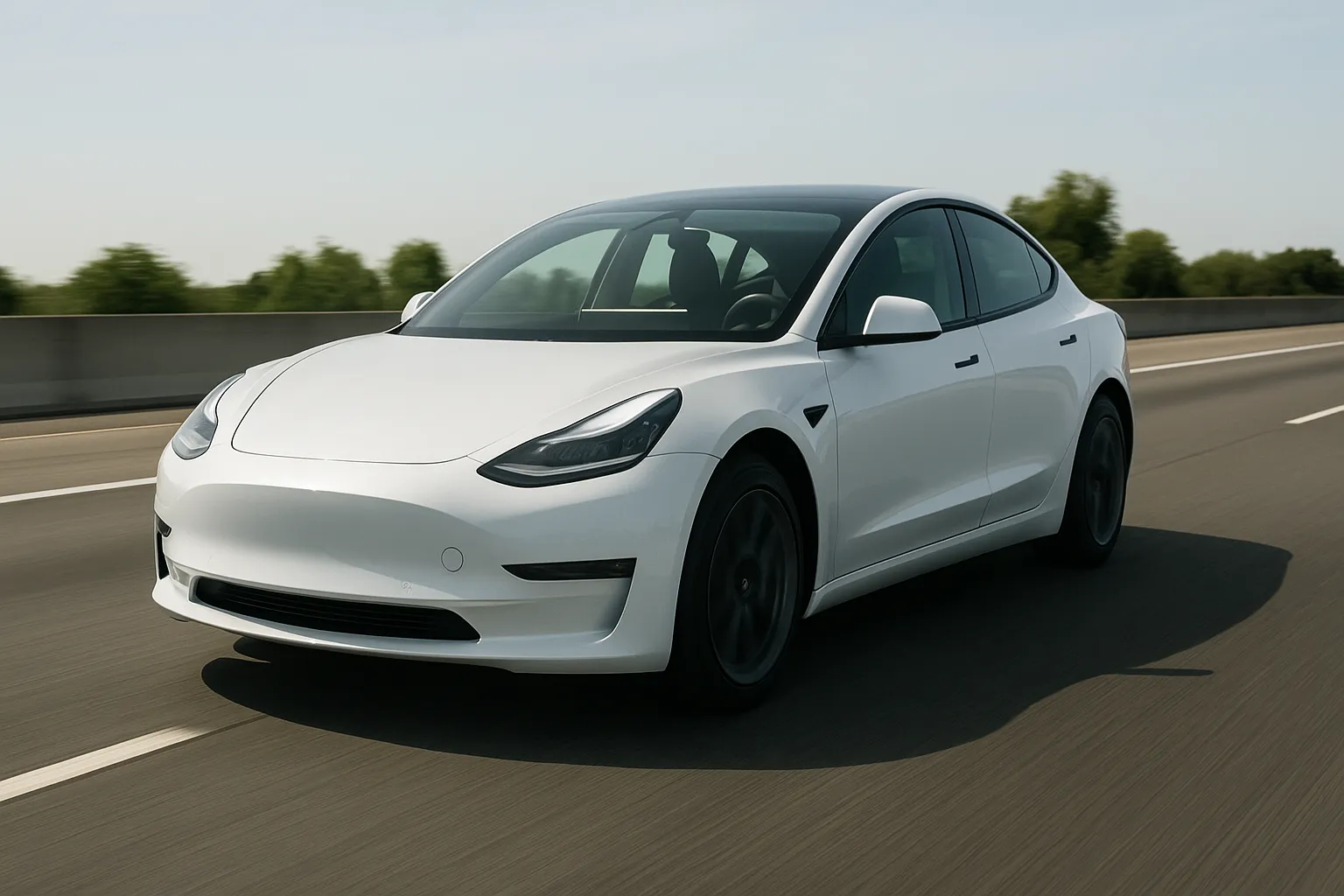
Tesla is facing a proposed class-action lawsuit over claims tied to Autopilot and the company’s long-running Full Self-Driving marketing. The complaint centers on vehicles equipped with Tesla Hardware 1, Hardware 2, Hardware 2.5 and Hardware 3, alleging that those cars were sold with promises of future autonomous capability that the hardware cannot actually deliver.
The case is still at the allegation stage. A proposed class action must clear procedural hurdles before it can represent a broader group of owners, and the claims have not been proven in court. Still, the dispute matters because it goes directly to one of the most consequential questions in modern vehicle technology: when an automaker sells a car with software-based features that may arrive years later, what exactly has the customer bought?
What the lawsuit is about
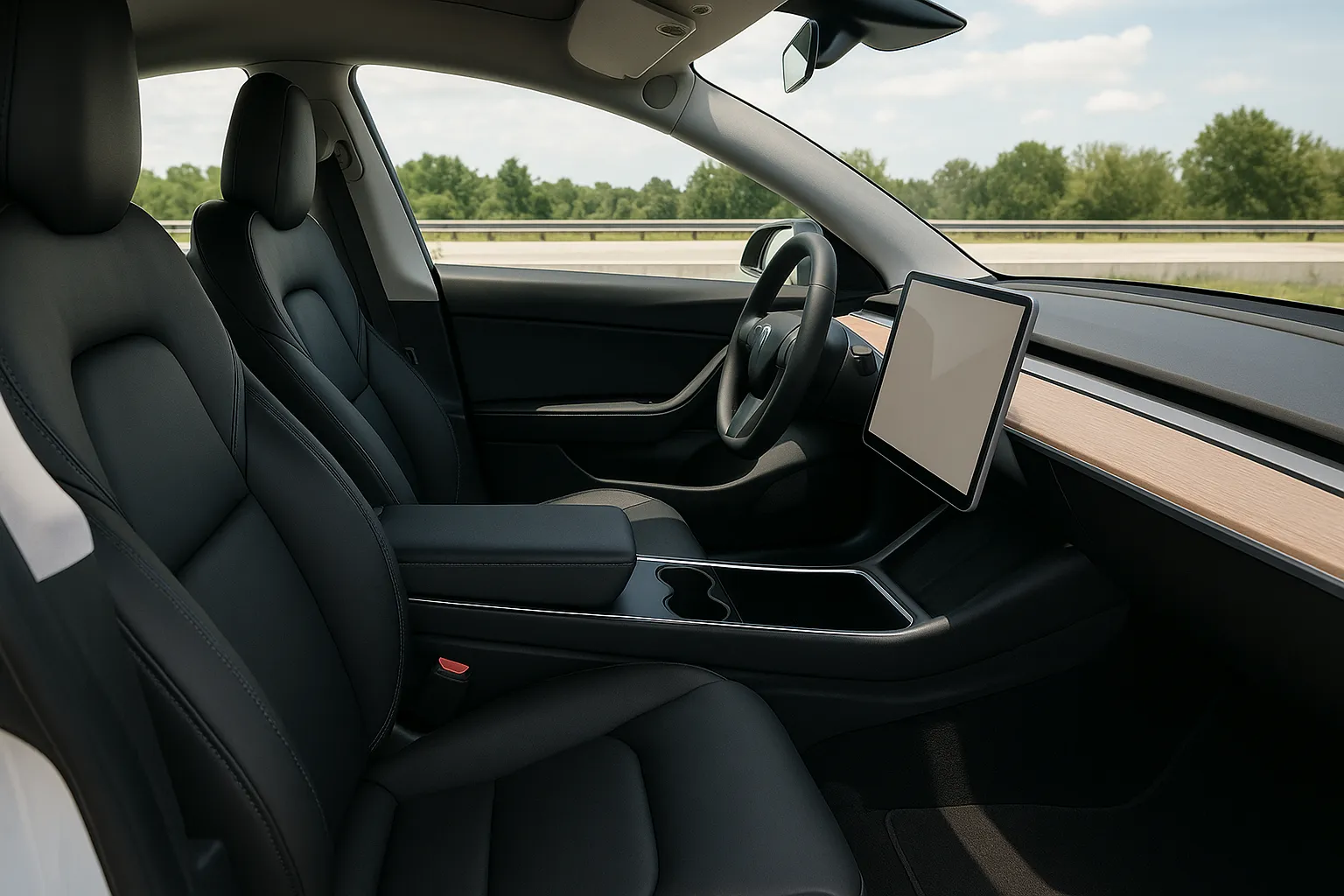
The complaint argues that Tesla buyers paid for technology described as capable of reaching a high level of automated driving, but that earlier generations of Tesla hardware are not sufficient to fulfill those claims. The vehicles named in the dispute include models fitted with Autopilot computer generations used across much of Tesla’s growth period, including Model S, Model X, Model 3 and Model Y vehicles built before newer computer systems arrived.
Tesla’s driver-assistance story has evolved through several hardware eras. Early Autopilot vehicles used what is commonly known as Hardware 1. Tesla later moved to Hardware 2, then Hardware 2.5, and then Hardware 3, also called the FSD Computer. A newer Hardware 4 system has since been introduced on more recent vehicles. The lawsuit focuses on the earlier generations and the gap between the capabilities buyers expected and what the systems can do today.
Autopilot and Full Self-Driving are not the same product in Tesla’s lineup, though the terms are often discussed together. Autopilot generally refers to adaptive cruise control and lane-centering functions. Full Self-Driving, often abbreviated as FSD, is Tesla’s more advanced option that can add functions such as automated lane changes, navigation-guided highway driving, traffic light and stop sign control, and supervised city-street driving where available. Even with those features active, Tesla’s current consumer system requires driver attention and is not a fully autonomous replacement for a human driver.
That distinction is central to why the case has attracted attention. Tesla has repeatedly sold the idea that its cars could improve over time through software. The lawsuit challenges whether buyers of older vehicles received a realistic path to the autonomous functionality they were led to expect.
Why hardware generations matter
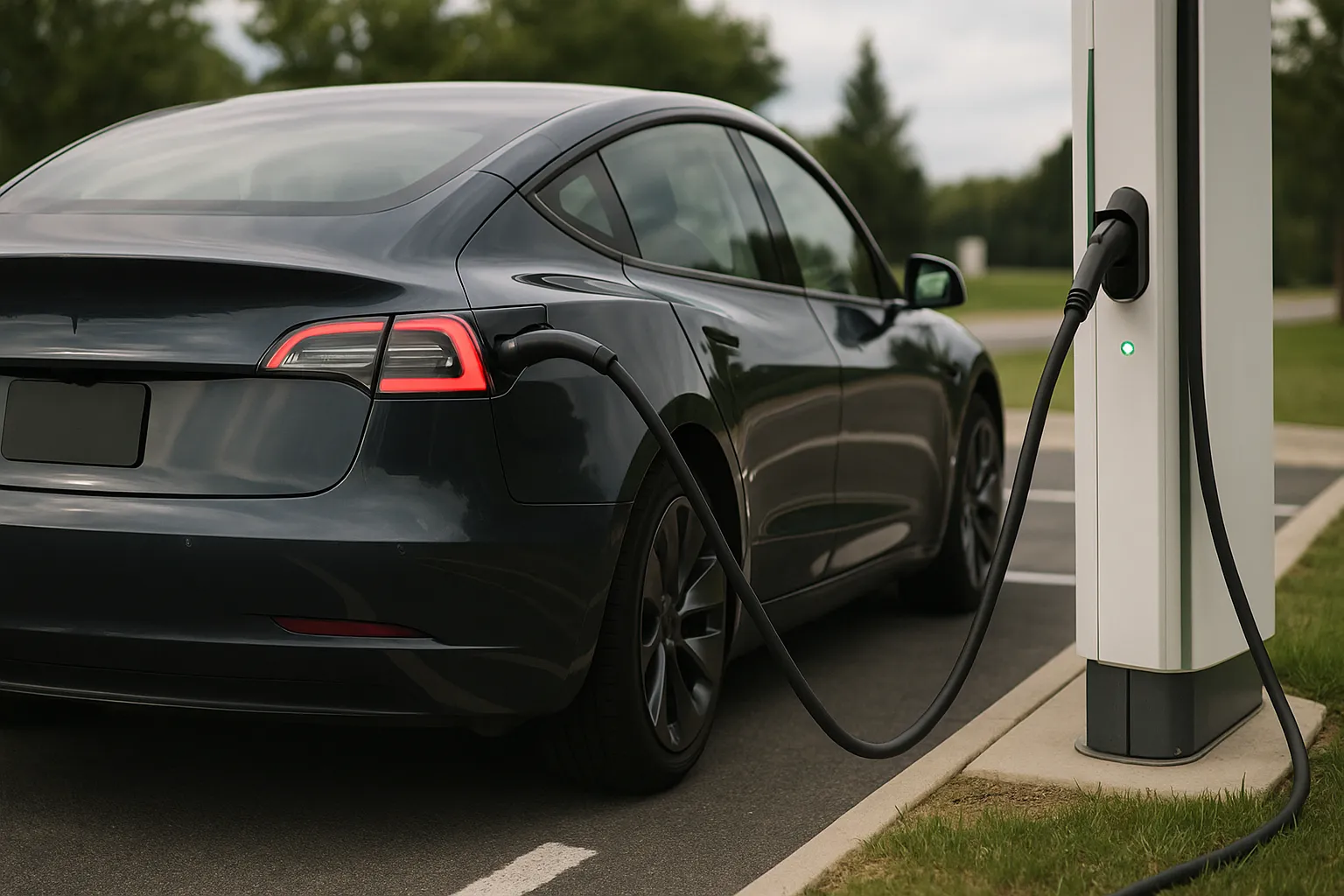
Modern driver-assistance systems depend on cameras, sensors, processors, software and data. Software updates can significantly change how a vehicle behaves, but software cannot always overcome hardware limits. Processing power, camera placement, camera resolution, sensor redundancy and electrical architecture all affect how far a system can be pushed.
For Tesla owners, the hardware question is not abstract. Some customers paid thousands of dollars for Full Self-Driving Capability at the time of purchase or added it later. Others subscribe to FSD on a monthly basis. If a vehicle cannot receive the same feature set or performance level as a newer model because of its computer or sensor package, that difference affects the value of the car and the owner’s ability to use what was sold.
Tesla has performed some hardware upgrades in the past, most notably retrofitting certain vehicles with the FSD Computer under specific circumstances. But upgrade eligibility, cost, availability and final capability have varied by vehicle and configuration. Vehicles with the earliest Autopilot hardware have long been in a different position from later cars because they were built around a different supplier and sensor suite.
The proposed lawsuit appears aimed at resolving a broader question: whether selling future autonomy as an option created obligations that remain unmet for owners of older vehicles.
What changes for current Tesla owners?
Nothing changes immediately for owners simply because a lawsuit has been filed. Tesla vehicles equipped with Autopilot or FSD-related features can continue to operate within the limits of their installed software, subscriptions and regional availability. Owners should still treat these systems as driver-assistance tools, not as autonomous driving systems.
The practical advice for owners is to document what was purchased, when it was purchased and how the feature was described in the order agreement or vehicle account. That matters because Tesla has changed feature names, pricing and capability descriptions over time. A 2016 purchase may not have been presented in the same way as a 2021 or 2024 purchase.
Owners considering buying a used Tesla should pay close attention to which Autopilot hardware generation the vehicle has, whether Full Self-Driving Capability is attached to the car, and whether any promised upgrades have already been performed. A used-car listing that says “FSD” may not tell the whole story. Buyers should verify the vehicle’s software screen, build date and eligibility for current features before paying a premium.
What it means for new-car shoppers
The case is a reminder that software-defined vehicles still require hardware-defined due diligence. Shoppers should separate features that work on the car today from features that may be enabled later. That is especially important when an automaker charges for a future capability at the time of sale.
For Tesla shoppers, the safest way to evaluate Autopilot or FSD is to assume the value lies in currently available supervised driver-assistance features rather than in a future promise of autonomy. A feature that may improve through updates can still be useful, but it should not be priced like a guaranteed robotaxi function unless that function is available, legal and supported in the buyer’s market.
This issue extends beyond Tesla. More automakers are selling software options, subscriptions and advanced driver-assistance packages. The industry is moving toward vehicles that can gain features after delivery, but automakers will need clearer language about what is included now, what may arrive later, and what depends on hardware that cannot be changed with a download.
The broader industry impact
Tesla helped popularize the idea that a car could be sold with latent capability and improved dramatically through over-the-air updates. That model has real benefits. It can add convenience, refine performance and fix problems without a service visit. But it also creates tension when marketing gets ahead of deployment.
If the lawsuit advances, it could influence how automakers describe advanced driver-assistance technology, especially when features depend on regulatory approval, unfinished software or hardware that may age before the promised capability arrives. It may also affect how courts view paid options tied to future vehicle autonomy.
For enthusiasts, the case is another chapter in the debate over whether Tesla’s camera-heavy approach and rapid software iteration can deliver on its most ambitious goals. For ordinary buyers, the lesson is simpler: advanced driver-assistance systems can reduce fatigue and add convenience, but they are not a substitute for understanding what the car can do today.
The lawsuit does not settle whether Tesla’s technology will continue to improve, nor does it determine the final legal outcome. It does, however, put a spotlight on a key consumer question that will only grow more important as cars become more software-dependent: when the future is sold as an option, buyers need to know how much of that future their vehicle can actually support.