Tesla Model 3 crash into Texas home raises new Autopilot questions
A 76-year-old woman was killed inside a Katy, Texas, home after a Tesla Model 3 crashed into the living room. The driver told investigators Autopilot was engaged, but the cause remains under investigation.
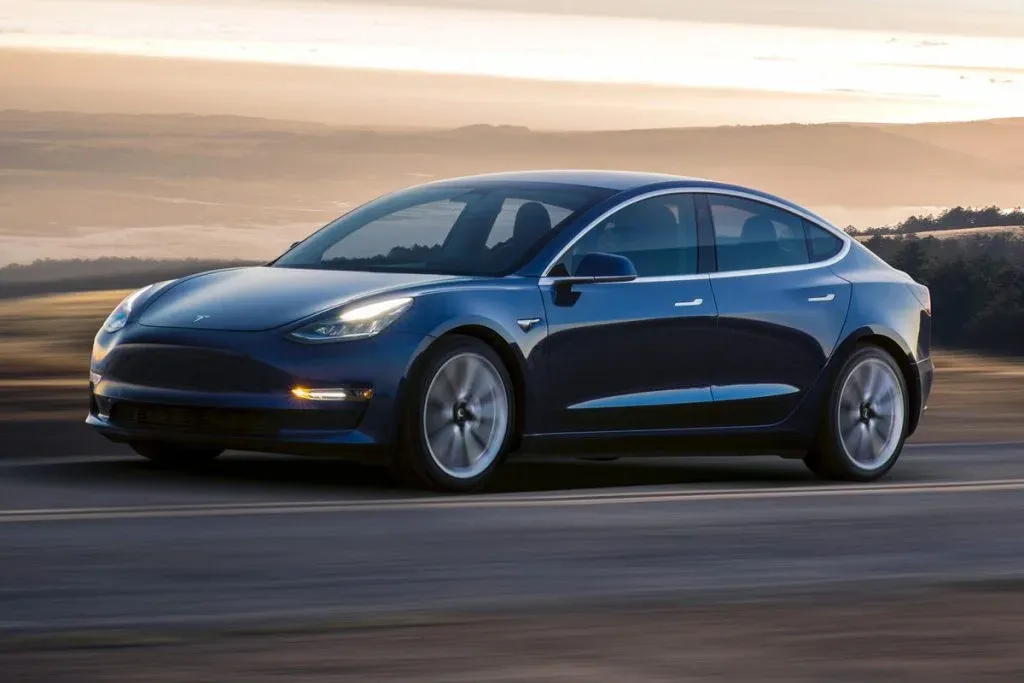
A fatal crash in Katy, Texas, is again putting the limits of advanced driver-assistance systems under scrutiny after a Tesla Model 3 struck a home and killed a 76-year-old woman who was inside.
The 44-year-old driver told investigators that the car’s Autopilot system was engaged when the crash happened. That statement is an important detail, but it is not the same as a completed technical finding. Investigators will need to determine whether Autopilot was actually active, what functions were in use, how fast the vehicle was traveling, what warnings or interventions occurred, and what the driver was doing immediately before impact.
The crash is reported to have sent the Model 3 into the living room of the home, where the woman was standing. The location matters because Tesla’s Autopilot is not marketed as a fully autonomous system, and its intended use is very different from a vehicle operating independently in a residential setting. The circumstances around how the car left the roadway, whether the driver attempted to brake or steer, and whether the system was operating within its limitations remain central unanswered questions.
Autopilot is not a self-driving system
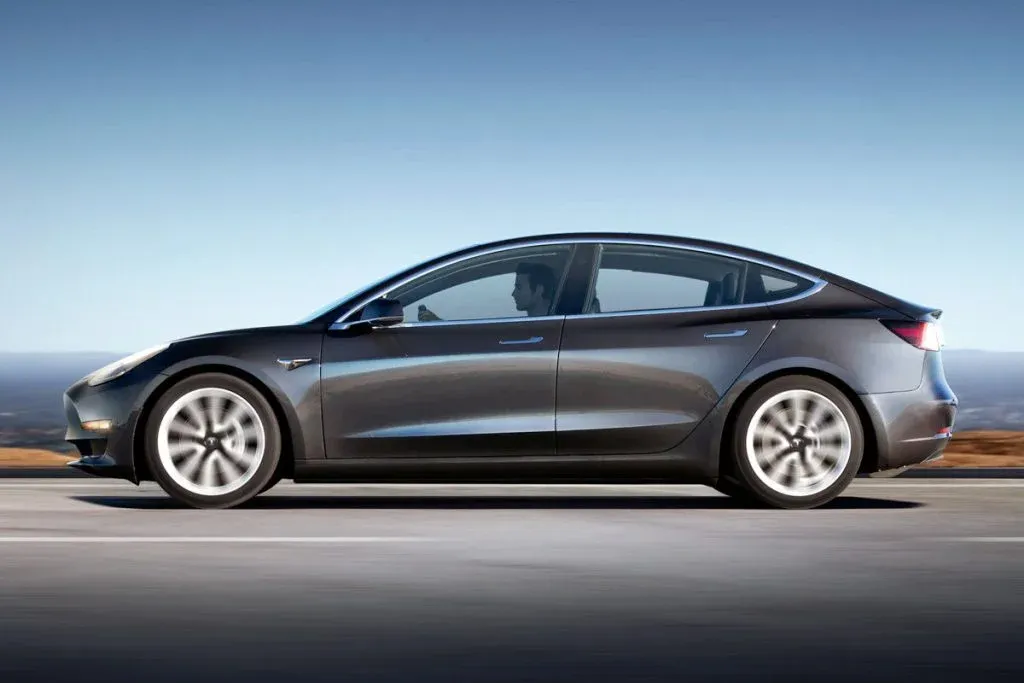
Tesla’s Autopilot name has long been controversial because it can suggest a level of automation that the technology does not provide. In Tesla vehicles, Autopilot generally refers to driver-assistance features such as traffic-aware cruise control and lane-centering assistance. These systems can control speed and steering under certain conditions, but they still require an attentive human driver ready to take over at any time.
That distinction is not a legal technicality; it is the core safety issue for anyone using the technology. Driver-assistance systems can reduce workload on highways and in predictable traffic, but they do not replace judgment, situational awareness, or responsibility behind the wheel. They may struggle with unusual road layouts, poor lane markings, construction zones, intersections, emergency situations, or scenarios outside their design limits.
This crash, if the driver’s statement is verified, will likely renew debate over whether drivers understand those limits clearly enough. It may also raise questions about where the system was being used, whether the vehicle provided alerts, and whether safeguards prevented misuse.
What investigators will likely examine
Modern Teslas record extensive vehicle data. That data can help reconstruct the seconds before a crash, including vehicle speed, accelerator position, brake use, steering input, driver-assistance status, warnings, and potentially whether the driver’s hands were detected on the wheel. Event data and onboard logs are often central in crashes involving advanced driver-assistance systems.
The driver’s account is only one piece of the investigation. A full review would typically compare statements with physical evidence from the crash scene, vehicle telemetry, roadway conditions, camera data if available, and witness accounts. Investigators may also look at whether the car encountered a roadway edge, failed to follow a curve, accelerated unexpectedly, or continued straight when driver input was required.
At this stage, it would be premature to say Autopilot caused the crash. It is equally premature to dismiss the driver’s claim without data. The central question is how the human driver, the vehicle, and the operating environment interacted.
Why this matters to Tesla owners and EV buyers
For current Tesla owners, the case is a reminder to treat Autopilot as assistance, not automation. Even if a system steers smoothly for long periods, the driver remains responsible for monitoring the road and intervening immediately. That means hands on the wheel, eyes forward, and an understanding that the system can disengage, make an incorrect input, or fail to respond appropriately to certain conditions.
For shoppers considering a Tesla Model 3 or any vehicle with similar technology, the lesson is broader. Driver-assistance features vary widely in capability, driver monitoring, operating domain, and user interface. A car that can center itself in a lane on a highway is not necessarily prepared to handle complex neighborhood streets, driveways, intersections, pedestrians, cyclists, or unexpected obstacles without active human control.
Buyers should ask specific questions before relying on any advanced driver-assistance system: Where is it intended to be used? How does it monitor driver attention? What happens if lane markings disappear? How clearly does it alert the driver when conditions exceed its limits? Does the owner’s manual restrict operation to certain road types? Those details matter more than marketing names.
A broader industry issue
Tesla is not alone in offering increasingly capable driver-assistance systems, but it remains the most visible company in this space because of the size of its fleet, the prominence of its software, and the public familiarity of the Autopilot brand. The industry is moving toward more automated features, and each serious crash involving those systems affects consumer trust, regulation, insurance practices, and automaker design decisions.
The challenge for the industry is not just improving sensors and software. It is also improving human-machine communication. Drivers need to know when a system is helping, when it is uncertain, and when control must return to the human immediately. Poorly understood automation can create overconfidence, especially when it works well most of the time.
That is why crash investigations like this one matter beyond a single model or brand. They help clarify whether a system failed, whether a driver misused it, whether warnings were insufficient, or whether the design allowed a foreseeable misuse scenario. Each answer can influence software updates, driver-monitoring rules, owner education, and future safety standards.
The key facts are still developing
The known facts are stark: a 76-year-old woman died inside her home after a Tesla Model 3 crashed into it, and the driver said Autopilot was engaged. The unknowns are just as important: whether the system was truly active, whether it was being used in an appropriate setting, how the vehicle behaved before impact, and what the driver did in response.
Until those details are confirmed, the crash should be understood as a serious safety investigation rather than a simple verdict on one technology. For drivers, however, the practical takeaway is immediate. No driver-assistance feature sold on today’s consumer vehicles makes the car driverless. The person in the driver’s seat remains the final safety system.