Tesla Model Y L Arrives in the U.S. as a Longer, Pricier Family EV
Tesla has introduced the stretched Model Y L in the United States, giving shoppers a roomier and more expensive version of its core electric crossover.
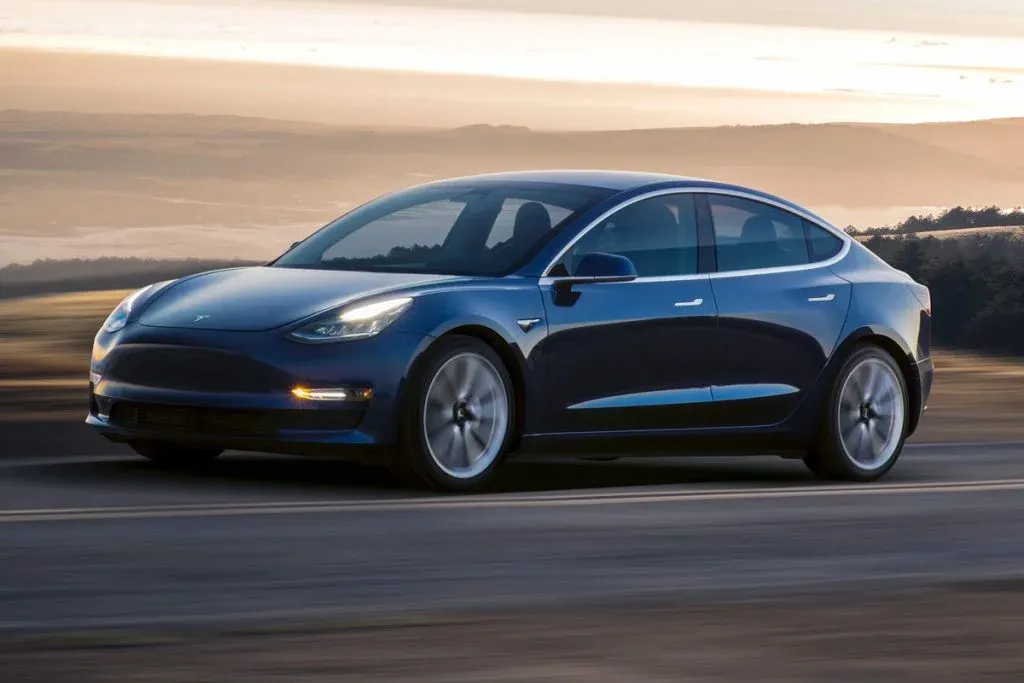
Tesla has expanded its U.S. Model Y lineup with the Model Y L, a stretched version of its electric crossover aimed at buyers who want more passenger space without moving into the larger and more expensive Model X.
The Model Y L is now the costliest Model Y variant in America. Its main difference is right in the name: the L denotes a longer body, giving Tesla room to rework the cabin for buyers who have found the standard Model Y useful but tight for family duty. The U.S. arrival follows the model’s introduction in China last year, where Tesla used the longer variant to broaden the appeal of its highest-volume vehicle in the world’s most competitive EV market.
For American shoppers, the Model Y L matters because it gives Tesla a more direct answer to a familiar problem in the EV market: many buyers want the efficiency, charging network access and software ecosystem of a Model Y, but they also want a cabin that works better for children, car seats, grandparents, road trips and daily school runs. The regular Model Y has long been available with family-focused configurations in some markets, but packaging three rows into a compact-to-midsize crossover shape has always required compromise. A longer version gives Tesla more room to address that limitation.
A bigger Model Y, not a replacement

The Model Y L should be understood as an expansion of the lineup rather than a replacement for the standard Model Y. Tesla’s core crossover remains the more accessible choice for many buyers, especially those prioritizing price, efficiency and easier maneuverability. The L model instead moves the nameplate into a more premium family-vehicle role.
That positioning is important. Tesla already sells the Model X, but that vehicle occupies a very different place in the range. It is larger, more complex, more expensive and defined by features such as its distinctive rear doors. The Model Y L gives Tesla a simpler alternative for households that need extra space but do not necessarily want to pay Model X money or live with a vehicle that feels substantially bigger.
The longer body also helps Tesla compete with a growing class of electric family crossovers and SUVs. Mainstream and premium brands have been filling the market with larger EVs designed around three-row usability, cargo flexibility and rear-seat comfort. Not all of them match Tesla’s charging convenience or software familiarity, but many are strong on interior packaging. The Model Y L is Tesla’s response to that pressure using its most recognizable and widely adopted vehicle platform.
More than captain’s chairs

The most obvious interior change is the move toward a more passenger-focused cabin layout, including available captain’s chairs. That detail will attract attention because second-row captain’s chairs have become a major selling point in family SUVs. They make it easier to separate children, improve access to the rear row and give the cabin a more upscale feel.
But the bigger story is the vehicle’s overall packaging. A stretched Model Y can improve more than just seating style. Extra length can affect legroom, rear-seat access, cargo space behind the final row and the general sense of openness inside the cabin. Those are practical details that matter more in daily use than a headline feature.
For buyers cross-shopping gasoline three-row crossovers, the question will be whether the Model Y L feels like a true family hauler or simply a more accommodating version of a compact EV crossover. The answer will depend on final U.S.-market specifications, seat measurements and real-world impressions once more vehicles reach customers. A longer wheelbase can create meaningful gains, but three-row comfort still depends on seat height, floor design, roofline, door openings and cargo room with every seat occupied.
Price will shape its audience
Because the Model Y L sits at the top of the U.S. Model Y range, it will not be the value pick. That may limit its reach among shoppers who came to the Model Y because of its comparatively attainable price and strong ownership economics. However, a higher price does not automatically make the L model a niche product.
Family buyers often compare vehicles by monthly payment, seating flexibility and long-term usability rather than base price alone. If the Model Y L can reduce the need to step up to a larger luxury EV, it could still make sense for households that want extra space but prefer Tesla’s smaller crossover footprint. It may also appeal to current Model 3 or Model Y owners whose needs have changed since their first EV purchase.
There is also a brand-retention angle. Tesla has a large base of owners who are familiar with its controls, charging behavior, route planning, phone-key access and over-the-air software updates. When those owners outgrow a sedan or standard crossover, Tesla benefits if it can offer a bigger option before they shop rival three-row EVs.
What buyers should check before ordering
Anyone considering the Model Y L should look beyond the longer body and the seating layout. The key questions are practical ones:
- How much cargo room remains with all seats in use?
- How easy is it for adults or older children to access the rear row?
- Does the longer body affect range compared with other Model Y versions?
- Are ride comfort and road noise improved, unchanged or affected by the added length?
- How does the price compare with a lightly used Model X or rival three-row EVs?
- Which driver-assistance, wheel, interior and charging-equipment options are included or optional?
Those details will determine whether the Model Y L is a smart family upgrade or simply the most expensive way to buy a Model Y. Range and charging speed will be especially important, because family buyers often rely on their largest vehicle for road trips. A roomier cabin is only part of the equation if the vehicle is expected to carry people and luggage over long distances.
Why it matters for Tesla
The Model Y L also says something about Tesla’s product strategy. Instead of adding an entirely new nameplate, Tesla is extending the reach of its most important vehicle. That approach can be efficient. A longer Model Y lets Tesla serve a broader audience while keeping the design, user experience and manufacturing philosophy closely tied to a vehicle customers already know.
It also reflects the maturation of the EV market. Early electric crossovers could win attention with acceleration, range and charging access. Today, buyers are asking the same practical questions they ask of any family vehicle: Is the third row usable? Can it handle sports gear and luggage? Is the second row comfortable? Will it work for a growing household?
The Model Y L is Tesla’s attempt to answer those questions without abandoning the formula that made the Model Y central to its sales. Its success in the U.S. will depend on whether the added space feels substantial enough to justify the higher price. If it does, Tesla may have a stronger bridge between the standard Model Y and Model X—and a more convincing option for EV shoppers who need one vehicle to do nearly everything.