Tesla Reaches 10 Million EVs as Growth Gets More Complicated
Tesla has built its 10 millionth battery-electric vehicle, a major production milestone for the company that helped push EVs into the mainstream. The achievement also arrives as the next phase of electric-car growth looks harder than the last one.
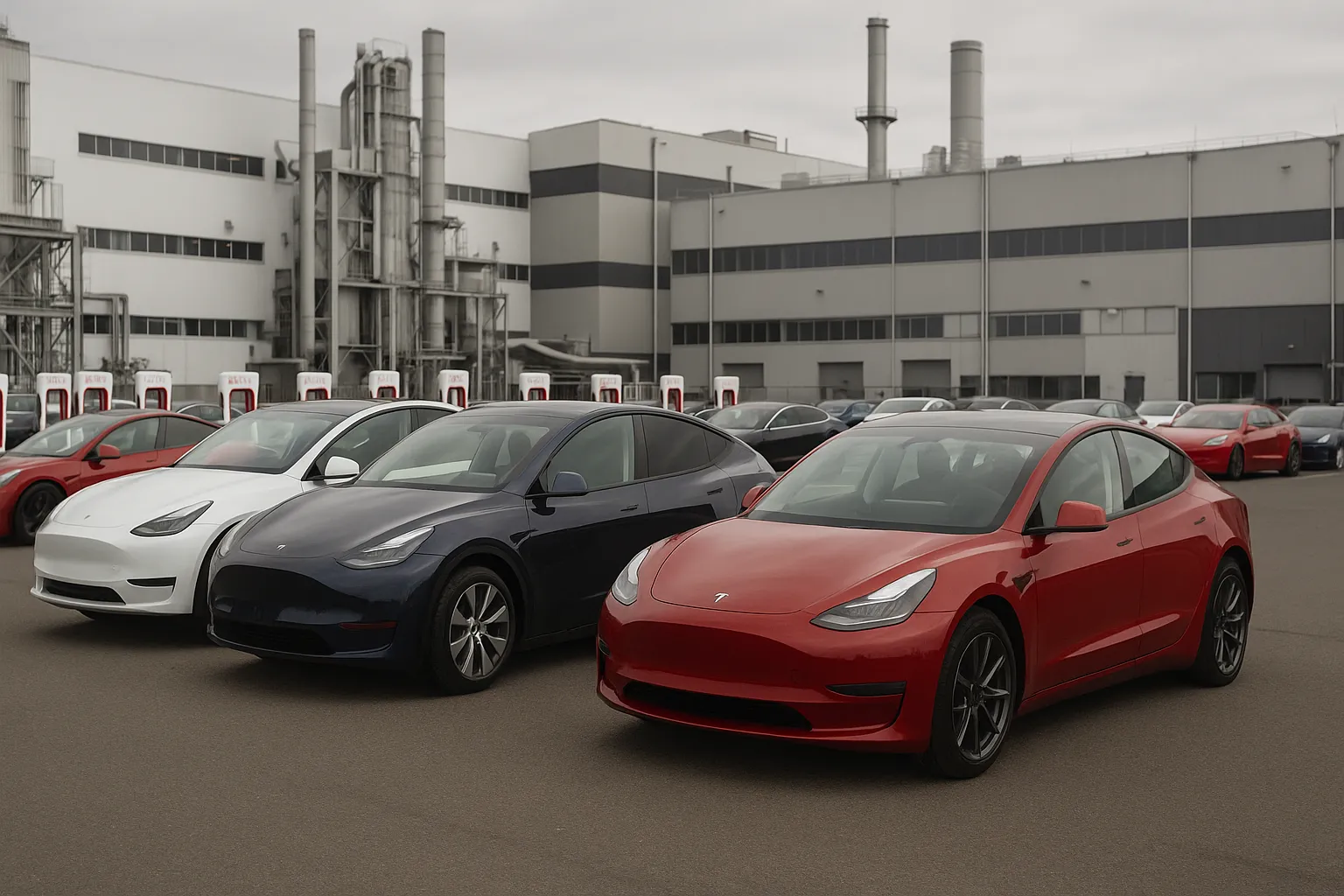
Tesla has produced its 10 millionth battery-electric vehicle, giving the company one of the clearest numerical markers yet of its influence on the modern auto industry.
The milestone matters because Tesla is not simply counting a niche run of specialty cars. Reaching eight figures in cumulative EV production puts the company in the same conversation as established global automakers when measured by a single technology category. It also shows how quickly electric vehicles moved from early-adopter status to a mainstream purchase consideration, especially in markets where charging infrastructure, incentives, and model availability improved over the past decade.
But the timing is important. Tesla’s 10 millionth EV arrives as the company and the wider electric-vehicle market face a more complicated phase. The early growth story was built on limited competition, strong demand from tech-forward buyers, and the rapid scaling of a small number of high-volume models. The next phase is likely to be defined by price sensitivity, tougher rivals, aging product lines, regional policy changes, and more demanding customers.
From Roadster experiment to mass production

Tesla’s path to 10 million vehicles began with the original Roadster, a low-volume sports car that proved a battery-electric car could be quick, desirable, and usable beyond short city trips. The company then expanded into higher-volume luxury vehicles with the Model S sedan and Model X SUV before the Model 3 and Model Y became the core of its production strategy.
The Model 3 gave Tesla a more attainable sedan, while the Model Y arrived at exactly the right time for a market moving toward compact and midsize crossovers. Those two nameplates have done most of the heavy lifting in Tesla’s push toward global scale. Their shared components, simplified configurations, and production-oriented design choices helped Tesla increase output while controlling complexity.
Tesla’s manufacturing footprint also changed dramatically along the way. Production that once centered on California expanded to major plants in China, Germany, and Texas, giving the company access to larger regional markets and reducing some dependence on exports. The Shanghai plant became especially important to Tesla’s global volume, serving both local Chinese demand and export markets at different points.
Why 10 million is a meaningful number
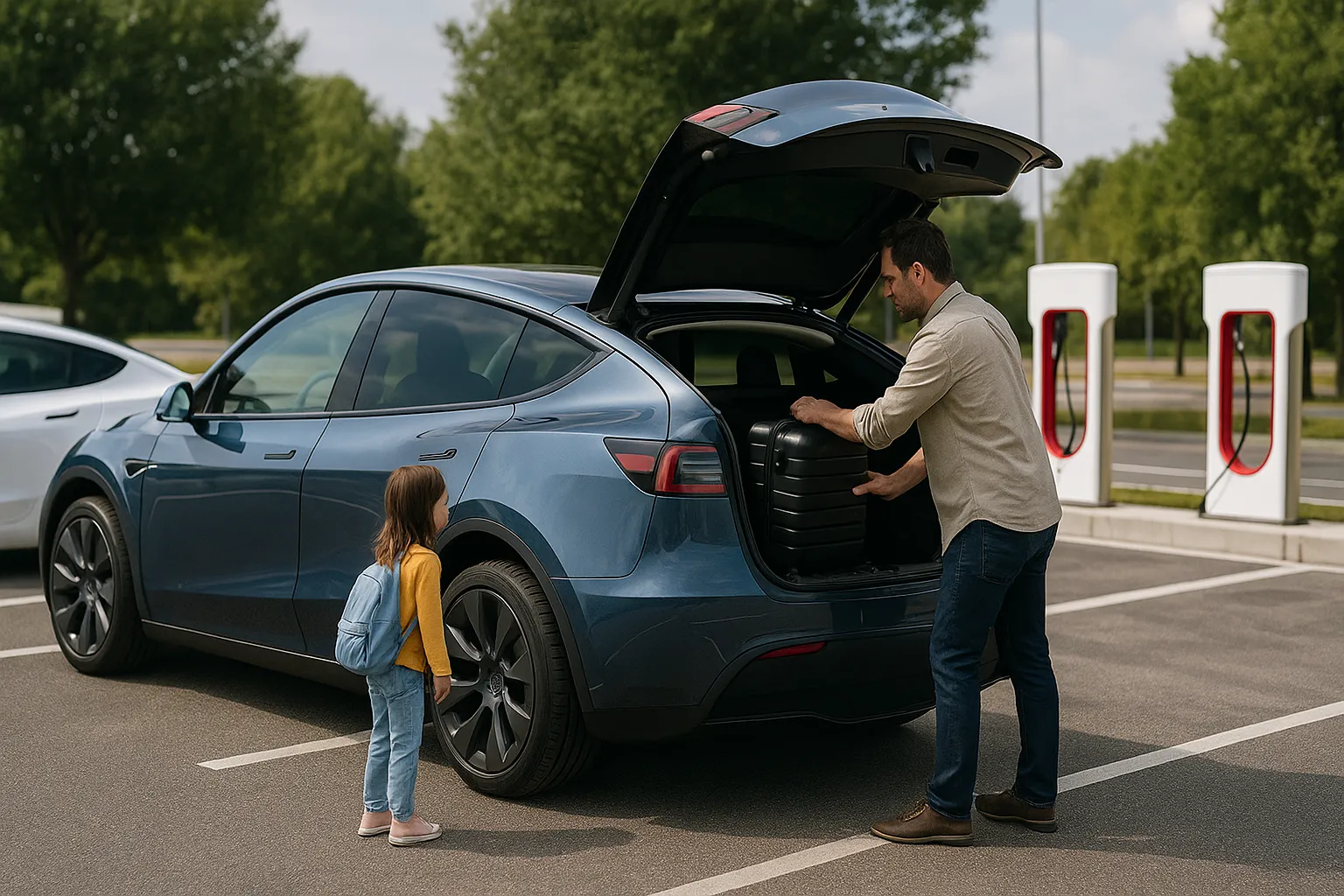
For car buyers, the milestone is a sign that EVs are no longer experimental in the way they were a decade ago. A company does not reach 10 million battery-electric vehicles without building out supply chains, service systems, software support, charging access, parts operations, and used-car channels at significant scale.
That scale can bring advantages. High production volume can lower per-unit costs, support a broader repair and parts ecosystem, and make vehicles more familiar to independent shops, insurers, fleet operators, and used-car buyers. It also gives owners a larger community of real-world experience, from battery longevity data to common maintenance issues.
For enthusiasts, the figure underscores Tesla’s role in changing performance expectations. Instant torque, over-the-air software updates, large central displays, advanced driver-assistance features, and charging-route planning were once novel talking points. Many of those ideas are now common across the EV segment, in part because Tesla made them visible to a broad customer base.
For the industry, the milestone is a reminder that manufacturing scale is still one of the hardest parts of building cars. Many startups have shown prototypes or launched limited production vehicles. Far fewer have managed to build millions of units, sustain global logistics, and support customers after delivery. Tesla’s 10 millionth EV does not erase its operational challenges, but it does demonstrate a level of industrial execution that few new automakers achieve.
The next 10 million may be harder
The first 10 million EVs were not easy, but Tesla benefited from a market where it often had the most recognizable products, the strongest charging story, and relatively few direct competitors at comparable scale. That environment has changed.
In China, domestic EV makers have moved quickly with aggressive pricing, fast product cycles, and broad lineups. In Europe, established automakers have expanded their electric offerings while regulators continue to push emissions reductions. In North America, Tesla remains a central EV player, but buyers now have more electric SUVs, pickups, luxury cars, and lower-cost options to compare.
Price is another challenge. Tesla has used price cuts and incentives at various times to protect demand and maintain factory utilization. That can help shoppers in the short term, but it may pressure margins and affect resale values for existing owners. Buyers who paid earlier, higher prices may find the used market less predictable than it once appeared.
The company also faces product-cycle questions. The Model 3 and Model Y remain crucial, but the broader market is increasingly segmented. Some buyers want lower-cost compact EVs. Others want three-row family vehicles, rugged SUVs, or commercial products. Tesla’s future growth depends not only on building more vehicles, but also on having the right vehicles for the right markets at the right prices.
What it means for current owners
For existing Tesla owners, the milestone has practical implications. A larger vehicle population generally supports better parts availability and a deeper base of repair knowledge over time. It can also encourage third-party accessory makers, tire suppliers, insurers, and service providers to treat Tesla vehicles as normal parts of the vehicle fleet rather than unusual edge cases.
At the same time, scale can expose pain points. Service capacity, collision repair costs, software quality, and customer support become more visible when millions of vehicles are on the road. As Tesla grows, owners will judge the brand less like a disruptive newcomer and more like a mature automaker expected to deliver consistent quality and support.
Charging remains a major part of the ownership equation. Tesla’s charging network has long been one of its strongest advantages, and broader adoption of Tesla-style charging hardware in North America has reinforced that position. However, as more non-Tesla EVs gain access to compatible charging, station reliability, congestion, pricing, and route coverage will matter even more.
What shoppers should watch
For buyers considering a Tesla, the 10 million vehicle mark is reassuring but not a substitute for careful shopping. The best choice still depends on price, range needs, charging access, insurance costs, available incentives, and how well a specific model fits daily use.
Shoppers should compare transaction prices rather than focusing only on sticker prices, because incentives and regional offers can change the value equation quickly. They should also look at insurance quotes before purchasing, especially for performance trims or newer body styles. Used Tesla buyers should pay close attention to battery health, remaining warranty coverage, accident history, and whether major hardware or software features are included.
The milestone also reinforces a broader point: EV buying has matured. Early EV shoppers often accepted compromises because the technology itself was exciting. Today’s buyers expect an electric car to work as a primary household vehicle, handle road trips, receive reliable service, and make financial sense. That raises the bar for Tesla and every competitor.
A milestone, not a finish line
Tesla’s 10 millionth EV is a major achievement for a company that started outside the traditional auto establishment and forced the industry to accelerate its electric plans. It shows that battery-electric vehicles can be built and sold at enormous scale.
The more important question now is what comes next. The company’s future growth will depend on affordability, manufacturing efficiency, software execution, model freshness, charging quality, and its ability to compete in regions where local rivals are moving fast. Tesla has proven it can make EVs by the millions. The challenge ahead is proving it can keep expanding while meeting the expectations of a much broader, more practical, and more demanding car-buying public.