Toyota Recalls More Than 508,000 Camrys Over Blank Driver Displays
Toyota is recalling more than half a million Camry sedans because the driver display may go blank, potentially hiding critical information such as vehicle speed.
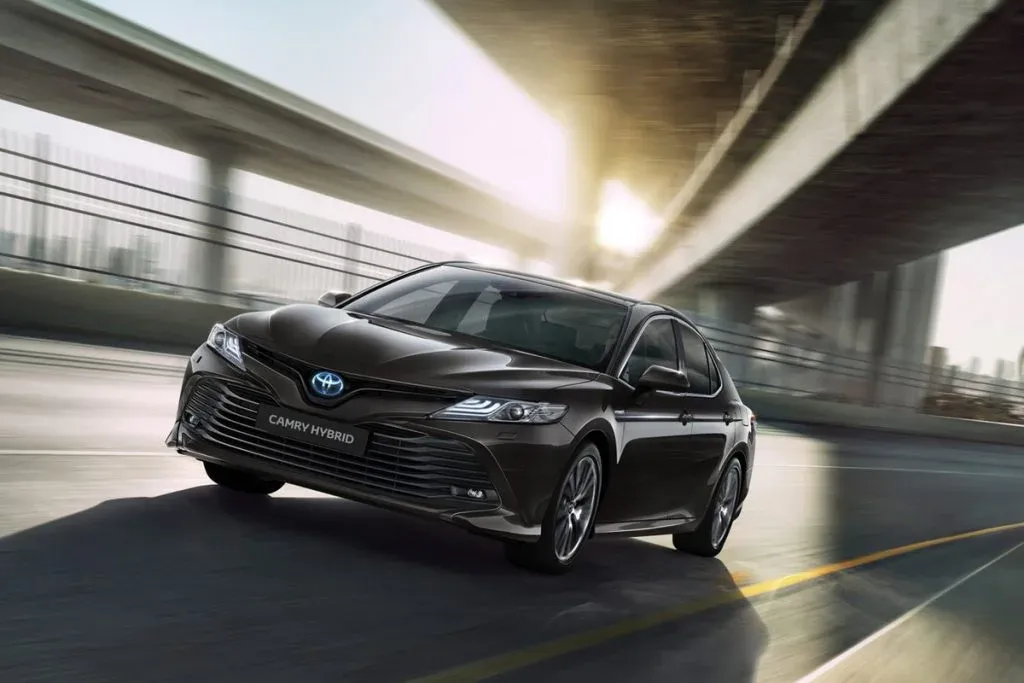
Toyota is recalling more than 508,000 Camry sedans because a fault in the driver display can cause the screen to go blank. The issue matters because the display is where drivers see essential information, including vehicle speed. If that screen fails while the car is in use, the driver may lose immediate access to information needed to operate the vehicle safely and legally.
The recall affects one of the most common passenger cars on American roads. The Camry has long been a default choice for commuters, families, fleet operators and ride-share drivers, so a defect affecting more than half a million vehicles has real-world scale even if the fix is ultimately straightforward.
Exact model years, production ranges and repair instructions were not detailed in the available recall summary. Owners should check their vehicle identification number through Toyota’s owner resources or the federal recall lookup system once the campaign is posted for their vehicle. Recall applicability is determined by VIN, not simply by model name, trim or purchase date.
What the problem is

The core defect involves the Camry’s driver display. In modern vehicles, that screen may replace or supplement traditional analog gauges. It can show speed, warnings, fuel level, gear position, driver-assistance status and other operating information. When it goes dark, the driver may still be able to steer, brake and accelerate, but the loss of a working speed display is a safety concern.
A blank instrument display is different from a convenience-screen failure. If a center touchscreen freezes, a driver might lose navigation, audio controls or climate shortcuts. If the driver display fails, the missing information can directly affect driving decisions. Speed is the obvious example: without a visible speed readout, it becomes harder to maintain legal speed, adjust accurately to school zones or construction zones, or judge speed changes in traffic.
The issue also illustrates a larger shift in vehicle design. Automakers are replacing mechanical gauges and simple warning lamps with configurable screens controlled by software and electronic modules. That allows cleaner interiors, more features and easier updates, but it also creates new failure points. A single display fault can affect several pieces of information that once came from separate physical indicators.
Why this recall matters to Camry owners
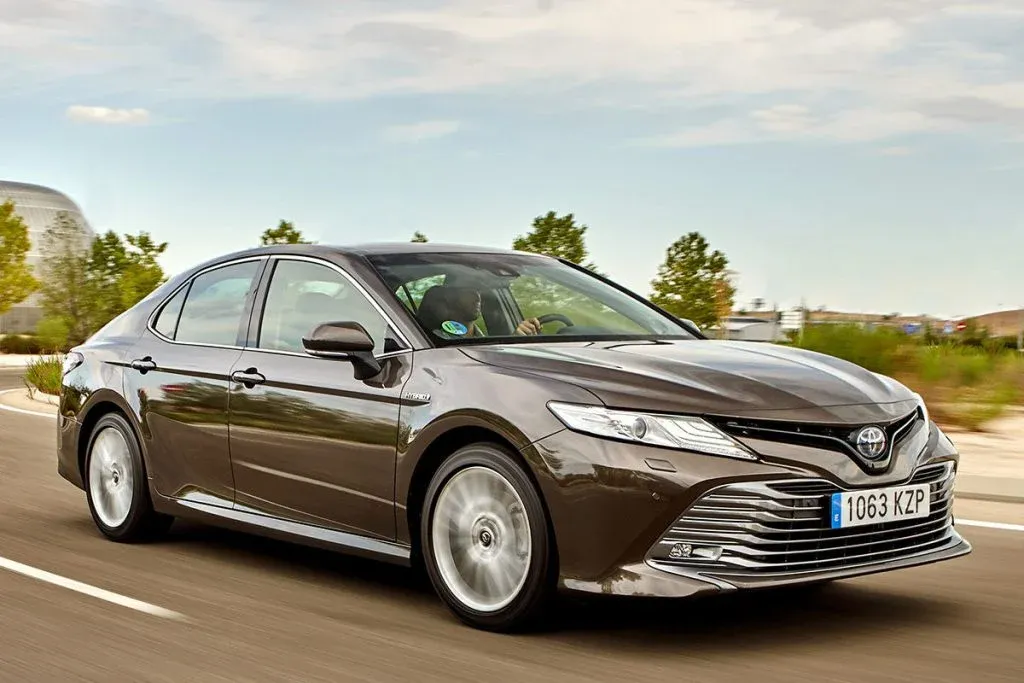
For owners, the practical concern is simple: if the driver display blanks out, do not ignore it. Even if the vehicle continues to drive normally, losing the speedometer or warning information can increase risk. Owners who experience the problem should contact a Toyota dealer and document when it happened, whether the display recovered after restarting the vehicle, and whether any warning lights or messages appeared before the failure.
Until a vehicle is repaired, drivers should be alert for intermittent display behavior such as flickering, delayed startup, random restarts or a screen that remains black after the car is powered on. Those symptoms do not necessarily confirm the recall condition, but they are relevant details for a service visit.
A recall repair should be performed at no cost to the owner. The final remedy may involve software, hardware, inspection or replacement depending on Toyota’s official procedure for the affected vehicles. Owners should wait for their VIN-specific notice or contact a dealer to confirm eligibility rather than assuming every Camry is included.
For used-car shoppers, this recall is a reminder to check open campaigns before purchase. A Camry with an unresolved recall is not automatically a bad buy, but the repair status should be part of the inspection process. Buyers can ask the seller for service records, run the VIN through recall tools and confirm with a Toyota dealer whether the remedy has been completed.
The Camry’s popularity raises the stakes
The Camry’s long-running sales success makes this recall more visible than a similar defect on a lower-volume model. The car is widely used in high-mileage roles, including commuting and commercial driving. That means many affected vehicles may spend hours per day in traffic, on highways and in stop-and-go urban conditions where accurate driver information is important.
Toyota’s reputation for durability also plays a role. Many Camry owners choose the model because they expect low drama and predictable ownership costs. A large recall tied to an electronic display does not erase that reputation, but it does show how even mainstream, reliability-focused vehicles are increasingly dependent on software and digital interfaces.
For enthusiasts, the recall highlights one downside of the industry’s move away from traditional gauges. Digital clusters can be sharp, flexible and visually modern. They can change layouts by drive mode, add hybrid-system graphics or display driver-assistance information. But when the screen is the main gateway to basic vehicle data, reliability becomes just as important as resolution, animation quality or design.
A broader industry issue
Blank or malfunctioning displays have become a recurring issue across the auto industry as cabins become more screen-heavy. Automakers now need to validate not only engines, brakes and suspension components, but also boot sequences, display controllers, software updates, electrical loads and failure behavior. A vehicle can be mechanically sound and still require a safety recall if critical information is not reliably presented to the driver.
That change has implications for how buyers evaluate new cars. Screen size and interface design are easy to compare during a test drive, but long-term dependability of displays and software is harder to judge. Recalls like this put attention on the less glamorous side of vehicle technology: whether the system works every time, in heat, cold, vibration, low battery conditions and daily use.
It also reinforces the importance of over-the-air update capability and dealer service readiness. Some display issues can be corrected with software, while others require parts. Either way, automakers need clear communication with owners and dealers so repairs can be scheduled without confusion.
What owners should do now
Camry owners should watch for recall notices and check their VIN if they are concerned. If the vehicle is included, schedule the repair with a Toyota dealer once the remedy is available. If the driver display has already gone blank, owners should arrange service promptly and avoid treating the failure as a minor annoyance.
Drivers should also keep basic recall habits in mind: make sure the manufacturer has a current mailing address, retain repair paperwork, and verify completion after service. For households with multiple drivers, everyone using the vehicle should know what to do if the display goes dark while driving.
The recall does not mean every Camry on the road will experience a blank display. It does mean Toyota has identified a safety-related condition significant enough to require a formal fix across a large population of vehicles. For owners and shoppers, the best response is not panic, but verification: check the VIN, follow the repair process and take display failures seriously.