Toyota Revives the C-HR as a U.S. EV With Subaru Undercutting Its Price
The returning Toyota C-HR is no longer a small gas crossover. It is now a compact electric SUV with standard all-wheel drive, serious power, and pricing that lands in the mid-$30,000 range.
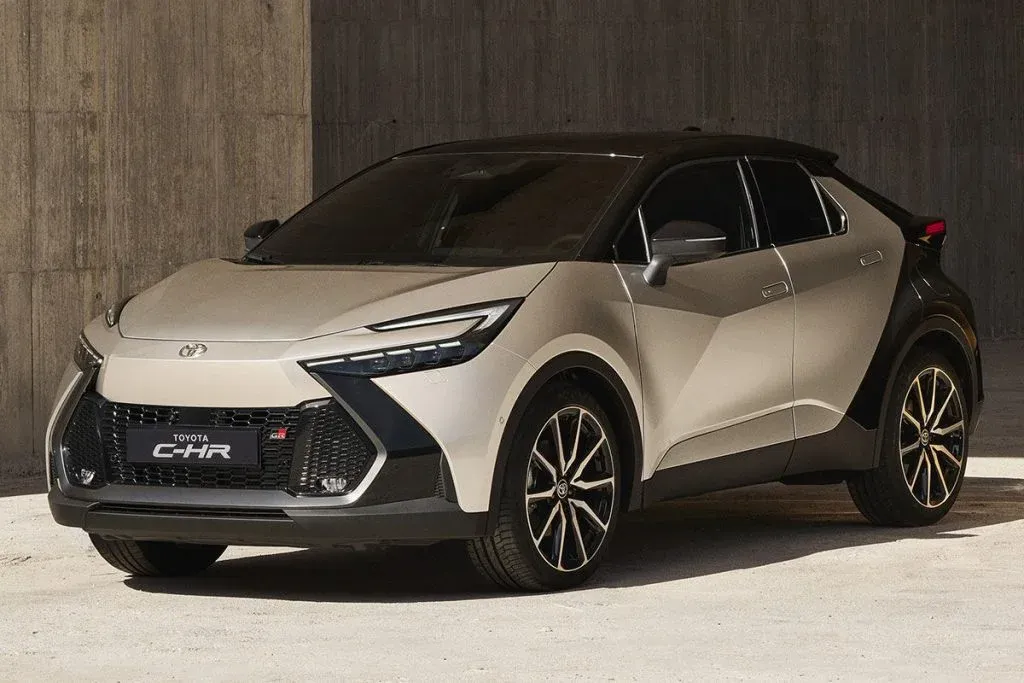
Toyota is bringing the C-HR nameplate back to the United States, but the badge now means something very different. The old C-HR was a small, gasoline-powered crossover with expressive styling, modest performance, and no all-wheel-drive option. The revived model is a fully electric compact SUV, and Toyota has now put it into the U.S. pricing conversation.
The key takeaway for shoppers is that the C-HR has moved from quirky city crossover to one of Toyota’s more accessible EV entries. It slots below larger electric offerings such as the bZ Woodland and gives Toyota dealers a smaller battery-electric SUV at a time when buyers are looking for lower prices, usable range, and familiar brands.
A very different C-HR than before
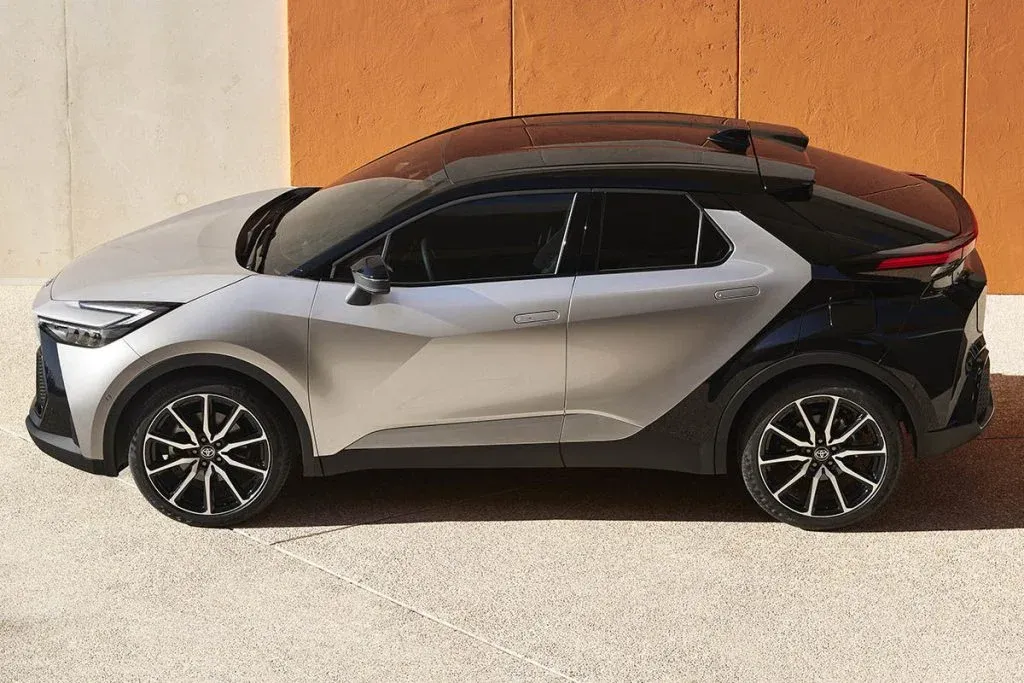
The previous U.S.-market C-HR was sold as a style-focused subcompact crossover, but it never quite matched the expectations many Americans have for an SUV. It was front-wheel drive only, its powertrain was not especially quick, and its dramatic rear styling traded some practicality for design. It appealed to a narrow group of buyers, and Toyota eventually dropped it from the U.S. lineup.
The new C-HR changes the formula. It is electric, it uses a dual-motor all-wheel-drive layout, and it brings performance that would have been unthinkable for the earlier gas model. Toyota has positioned the new C-HR around a 74.7-kWh battery pack, an estimated range of up to about 290 miles, and a combined output of 338 horsepower. That turns the C-HR from a slow commuter into one of the punchier compact EVs in its price neighborhood.
Toyota has also moved with the broader North American charging market. The C-HR is expected to use the NACS charging port, the connector type associated with Tesla’s Supercharger network and now being adopted across much of the industry. For buyers, that matters more than it may sound: convenient public charging access can determine whether an EV feels easy to live with or frustrating outside the home-charging routine.
Pricing puts it in an important part of the market
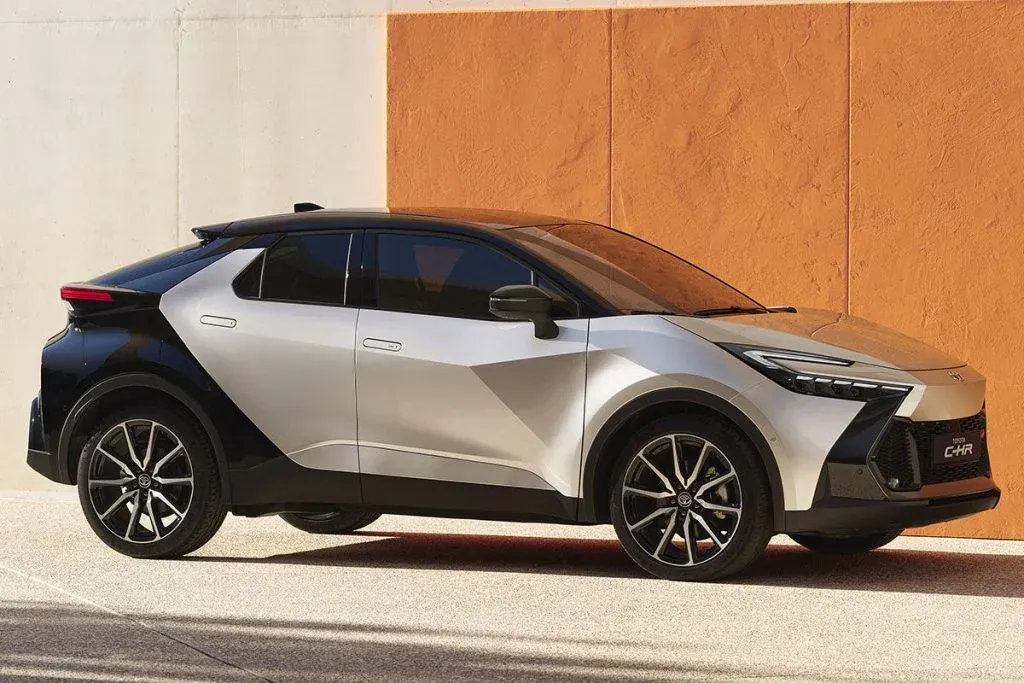
Toyota’s U.S. pricing places the revived C-HR in the mid-$30,000 range before any incentives, taxes, fees, or transaction-price adjustments. That is a critical band for EV growth. Many early electric SUVs clustered well above $40,000, while the most affordable EVs often arrived with compromises in size, power, charging speed, or range. A compact crossover with nearly 300 miles of estimated range and standard all-wheel drive gives Toyota a more direct answer for shoppers who want an EV but do not want to move into luxury pricing.
The pricing story is not only about Toyota, however. Subaru’s closely related electric crossover undercuts the C-HR, giving shoppers another way into similar hardware for less money. That makes the comparison unusually direct. Buyers choosing between them will likely be weighing brand preference, dealer experience, equipment differences, styling, financing offers, and regional availability rather than a completely different mechanical package.
That relationship is important because Toyota and Subaru have already shown they are comfortable sharing engineering on enthusiast and EV products. The GR86 and BRZ occupy one side of that partnership, while electric crossovers occupy another. For consumers, shared development can help spread costs and bring more models to market. The tradeoff is that shoppers need to look closely at trim content and pricing because two vehicles with different badges may be more alike underneath than their marketing suggests.
Why the Subaru comparison matters
If the Subaru alternative is cheaper, why would someone still choose the Toyota? Several reasons could apply. Toyota’s dealer network is broader in many parts of the country. Some buyers may prefer Toyota’s ownership reputation, resale strength, service familiarity, or styling. Others may already own Toyota hybrids and see the C-HR as a natural first EV.
Subaru, meanwhile, has a strong reputation with outdoors-oriented and snowbelt buyers. If its related EV offers a lower entry point with comparable output and all-wheel-drive capability, it will appeal to shoppers who care more about value than badge loyalty. In states where EV adoption is high and Subaru has a loyal following, that price gap could matter.
This is exactly the kind of competition the EV market needs. Instead of asking buyers to choose between an expensive premium EV and a bare-bones budget model, Toyota and Subaru are pushing into a middle ground: compact size, useful range, all-wheel drive, and pricing that starts within reach of more mainstream crossover shoppers.
What buyers should check before ordering
The C-HR’s headline numbers are appealing, but EV shoppers should still do the usual homework. First, range estimates are not the same as real-world range. Highway driving, cold weather, high speeds, roof accessories, and heavy use of cabin heat can reduce miles per charge. Buyers who regularly drive long distances should think about their actual routes, not just the window-sticker number.
Second, charging setup matters. A Level 2 home charger can transform EV ownership by allowing the vehicle to start most days with a full or nearly full battery. Drivers who rely heavily on public charging should check the availability of compatible fast chargers near home, work, and common travel corridors. NACS support should help, but plug access, charging speed, station reliability, and billing systems still vary by location.
Third, incentive eligibility should be verified at the time of purchase or lease. Federal, state, and local EV programs can change, and eligibility can depend on assembly location, battery sourcing, income rules, vehicle price, and whether the vehicle is bought or leased. A lease may sometimes create a different incentive path than a purchase, but shoppers should confirm the current rules rather than assuming a discount applies.
Finally, compare trims carefully. A lower starting price does not always mean the better deal if desirable features are locked behind higher trims. Wheel size, driver-assistance features, seat materials, audio systems, heat-pump availability, and charging equipment can all affect value. The best buy may not be the cheapest version if it lacks equipment that improves daily comfort or winter efficiency.
A sign of Toyota’s changing EV approach
Toyota has long been associated with hybrids more than pure EVs. The Prius, RAV4 Hybrid, Camry Hybrid, and Toyota’s plug-in hybrid models have given the company a strong electrified portfolio without requiring every buyer to go fully electric. The C-HR’s return as an EV does not erase that strategy, but it shows Toyota filling out the battery-electric side with more body styles and price points.
For enthusiasts, the new C-HR is also interesting because it gives a practical compact Toyota a level of output closer to performance-car territory. A 338-hp all-wheel-drive electric crossover is not a sports car, and weight will shape how it feels, but instant torque and a low-mounted battery can make it far more engaging than the old C-HR ever was.
For the industry, the bigger story is cost. EVs will not become truly mainstream on range and charging alone. They also need prices that make sense next to gasoline hybrids and conventional compact SUVs. Toyota’s revived C-HR, especially with Subaru offering a related lower-priced alternative, pushes another established automaker into that contested space.
The new C-HR is therefore more than a badge revival. It is Toyota’s attempt to turn a once-niche nameplate into a more relevant electric crossover for U.S. buyers. Its success will depend on final transaction prices, lease offers, charging experience, and how well it stacks up against its Subaru sibling and the growing field of compact EV SUVs.