Toyota’s EV Growth Isn’t Enough to Stop Another Profit Slide
Toyota enters its next earnings update with EV momentum and a slight June sales rebound, but rising costs and margin pressure are still weighing on profits.
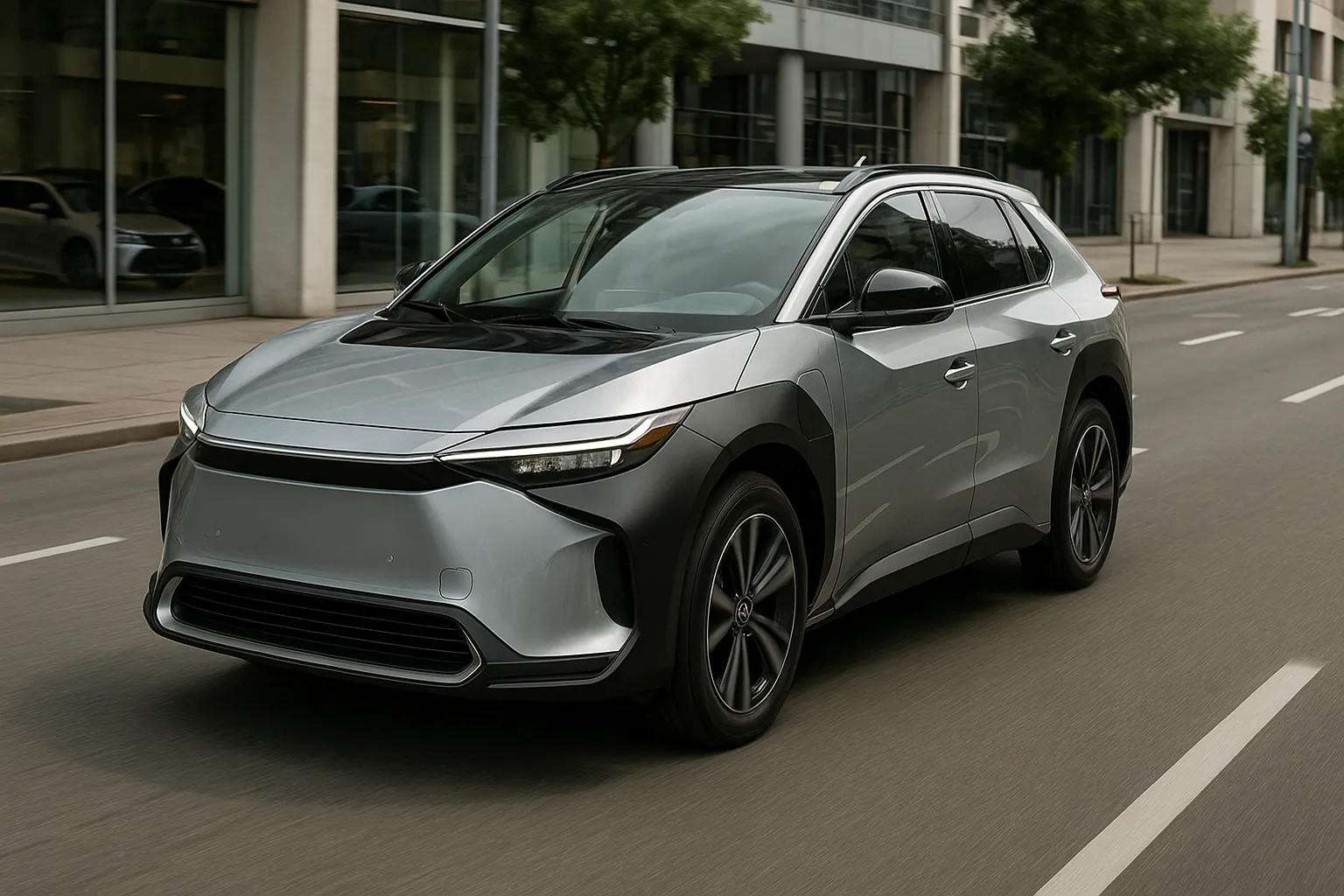
Toyota is approaching its next earnings update with a familiar problem: sales and electrification headlines are improving in places, but profits are still under pressure.
The automaker remains the largest car company in the world by volume, and its product strategy continues to benefit from strong demand for hybrids, crossovers, trucks, and fuel-efficient models. It is also seeing growth in electric vehicles as the industry shifts toward battery-powered products. Yet those positives have not been enough to prevent what is shaping up to be a fifth straight profit decline.
The latest sales signal is mixed rather than disastrous. Toyota had endured four consecutive months of falling international sales before June delivered a small increase of 0.1%. That uptick matters because it shows the downward sales streak was not indefinite. But a gain that narrow is unlikely, on its own, to repair earnings momentum for a company with Toyota’s global scale.
A small sales rebound does not solve the margin issue
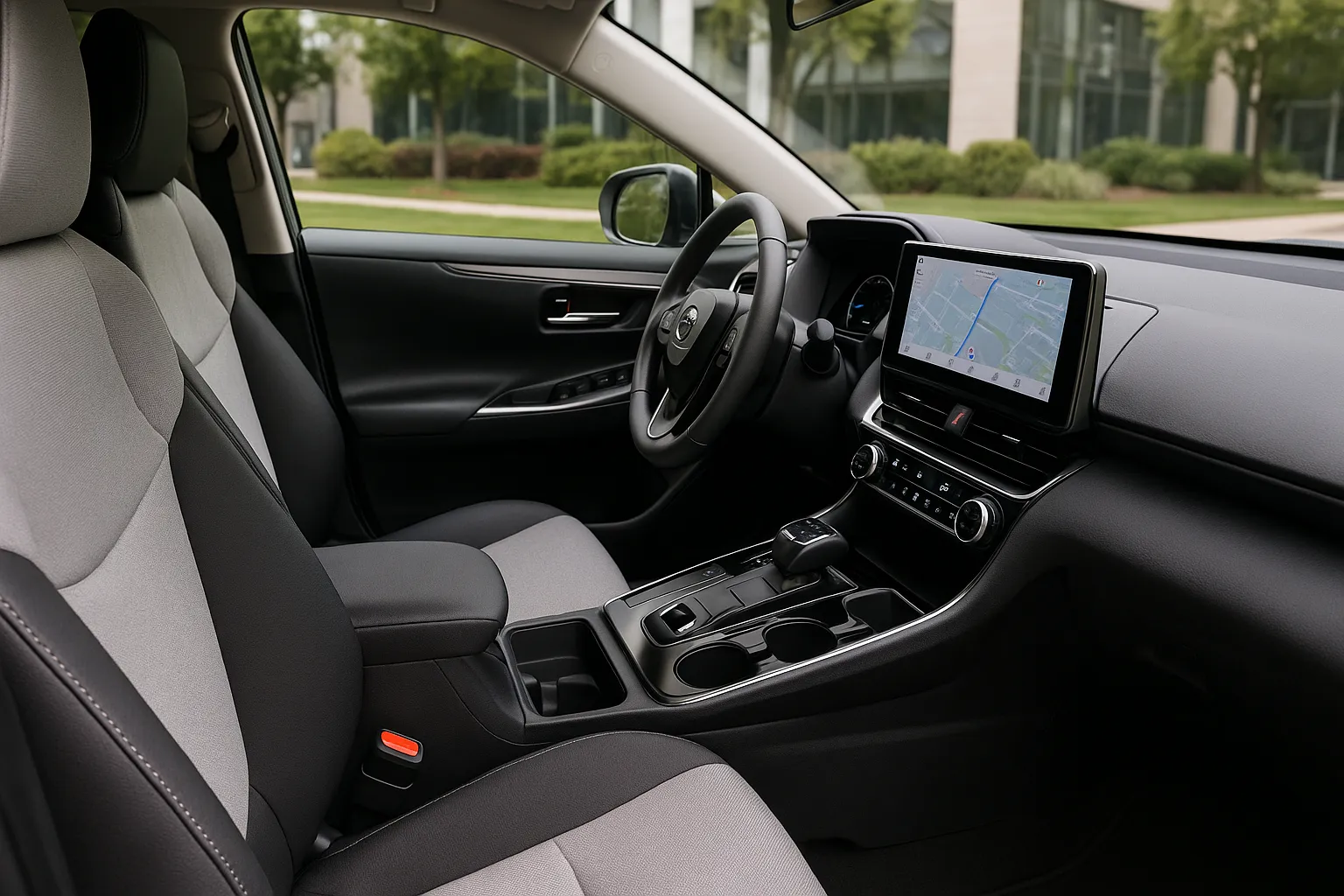
For car buyers, the distinction between sales and profit can sound academic, but it has real consequences. An automaker can sell more vehicles and still earn less if the cost of building, shipping, financing, and discounting those vehicles rises faster than revenue.
That appears to be the tension facing Toyota. The company has demand in key segments, especially hybrids, where it has long held a technical and market advantage. It also benefits from a broad lineup that spans entry-level cars, family SUVs, pickups, luxury vehicles through Lexus, and commercial products in multiple markets. That scale gives Toyota resilience that smaller automakers do not have.
But scale also magnifies cost pressure. Raw materials, labor, logistics, currency swings, regulatory compliance, software development, and electric-vehicle investment all affect the bottom line. Even modest changes can matter when applied across millions of vehicles.
EV growth adds another complication. Battery-electric vehicles remain expensive to develop and produce, especially when automakers are still building supply chains, securing batteries, updating factories, and funding new platforms. Toyota has historically emphasized hybrids and plug-in hybrids more aggressively than pure EVs, but it still has to invest heavily in battery-electric technology to remain competitive in markets where regulations and consumer demand are moving faster.
Toyota’s hybrid strength is still a major advantage

Toyota’s position is not the same as that of an automaker struggling to find buyers. The company’s hybrid strategy has proven unusually durable. Models such as the Prius, Corolla Hybrid, Camry Hybrid, RAV4 Hybrid, Highlander Hybrid, and hybrid versions of Toyota and Lexus SUVs give shoppers a relatively easy way to reduce fuel use without changing charging habits.
That matters in 2026 because the EV market is not moving in a straight line. Some buyers are ready for full electric vehicles, especially where home charging, incentives, and charging networks make ownership convenient. Others want better fuel economy but are not ready to depend on public charging or pay a premium for a battery-electric model. Toyota’s portfolio speaks directly to that second group.
The challenge is that hybrids are no longer a quiet niche. They are now central to Toyota’s volume and pricing strategy, and competitors have noticed. More automakers are adding hybrid options to compact SUVs, midsize SUVs, and pickups. If competition increases, Toyota may face more pressure to hold prices, add incentives, or spend more on product updates.
For buyers, that could eventually be beneficial. A profit squeeze may encourage Toyota and rivals to compete harder on equipment, financing, lease terms, and fuel-saving technology. But it can also push automakers to prioritize higher-margin trims, limit discounts on popular models, or raise prices where demand remains strong.
EV growth is not automatically profit growth
The phrase “EV growth” can hide a major industry reality: selling more electric vehicles does not guarantee higher earnings. Many EV programs still carry heavy upfront costs. Batteries are expensive, production volumes are still ramping, and pricing has become more competitive as automakers fight for market share.
Toyota’s EV expansion is important because the company cannot rely indefinitely on hybrids alone. Regulations in parts of Europe, China, and other markets are pushing manufacturers toward lower-emission vehicles. Consumer expectations are also changing, particularly around software, driver-assistance technology, charging speed, and connected services.
At the same time, Toyota has to avoid overcommitting to EV demand that may vary sharply by region. In North America, hybrids remain highly attractive to mainstream buyers. In China, the competitive landscape for EVs is intense and fast-moving. In Europe, emissions rules make electrification essential, but economic conditions and pricing remain difficult. In Japan and Southeast Asia, customer needs and infrastructure vary widely.
That regional complexity is one reason Toyota’s multi-path approach has appealed to many analysts and buyers. The company sells hybrids, plug-in hybrids, battery-electric vehicles, hydrogen fuel-cell vehicles in limited applications, and conventional gasoline models. The risk is that supporting many technologies at once can be expensive, especially when profit margins are already narrowing.
Why this matters beyond Toyota
Toyota’s expected profit decline is a useful snapshot of the broader auto industry. The transition to electrification is not just a product change. It is a capital-intensive restructuring of manufacturing, supply chains, software, dealer operations, service training, and consumer education.
Legacy automakers are trying to fund that transition while maintaining current product lines and meeting near-term profit expectations. That is difficult even for a company as large and disciplined as Toyota. If Toyota is feeling the strain, it suggests the industry’s shift to electrified vehicles will remain uneven and expensive.
For owners, the short-term effect is likely to be subtle. Toyota is not facing a demand collapse, and there is no indication that existing customers should expect immediate changes in warranty coverage, service support, or parts availability. The company’s scale and reputation for durability remain key strengths.
For shoppers, the bigger question is pricing and product mix. If Toyota needs to protect margins, it may continue steering production toward high-demand SUVs, hybrids, and better-equipped trims. Entry-level affordability could remain a challenge, especially in markets where transaction prices have already risen sharply. On the other hand, if sales momentum softens, Toyota may need to use incentives more selectively to keep volume moving.
For enthusiasts, Toyota’s financial picture could influence how quickly niche or performance-oriented projects advance. Vehicles that generate strong brand value but limited volume often depend on healthy margins elsewhere in the business. Toyota has shown continued interest in enthusiast products, but broad profit pressure can make every future program face closer scrutiny.
The key number to watch next
The June sales increase of 0.1% is encouraging only in the narrowest sense: it ended a four-month run of declines. The more important question is whether Toyota can convert stabilizing sales into stronger earnings.
That will depend on production costs, currency effects, regional demand, pricing discipline, and the pace of EV investment. It will also depend on whether Toyota’s hybrid-heavy strategy continues to deliver enough margin to fund the next generation of electric and software-defined vehicles.
Toyota is not in crisis, but it is facing the same uncomfortable math as the rest of the industry. The company can sell a lot of vehicles, grow its EV presence, and still see profits fall if the cost of the transition outruns the gains. For buyers and the industry alike, that is the real story: electrification is advancing, but making it consistently profitable remains one of the hardest jobs in the car business.