Toyota’s Three-Row Electric Highlander Is Now Expected Next Year
Toyota has delayed its planned electric three-row Highlander for the U.S. market, moving the SUV’s expected arrival from late 2026 to next year as final production preparations continue.
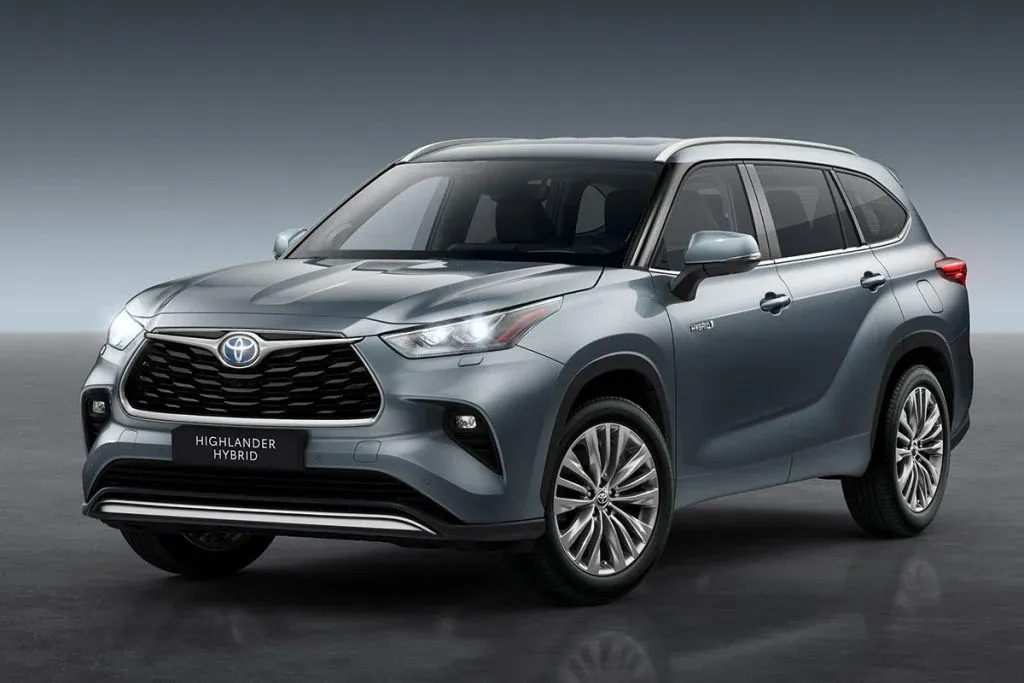
Toyota’s planned electric three-row Highlander for the U.S. market has been pushed back. The SUV had been expected to arrive late in 2026, but Toyota has now moved that timing into next year while it completes final work before production.
The delay does not appear to signal a cancellation. Instead, the change points to additional development and launch preparation for a model that would carry significant weight in Toyota’s electric-vehicle plans. A three-row EV with Highlander positioning would put Toyota into one of the most important family-vehicle segments in the U.S., where buyers often need space, range, charging confidence, and a price that makes sense against both gas-powered and hybrid alternatives.
For shoppers, the practical takeaway is simple: if you were waiting for a battery-electric Toyota family SUV with three rows, the wait is now longer. The gasoline and hybrid Highlander remain the known choices in Toyota showrooms, while the electric version is now expected after its previous late-2026 window.
Why this delay matters
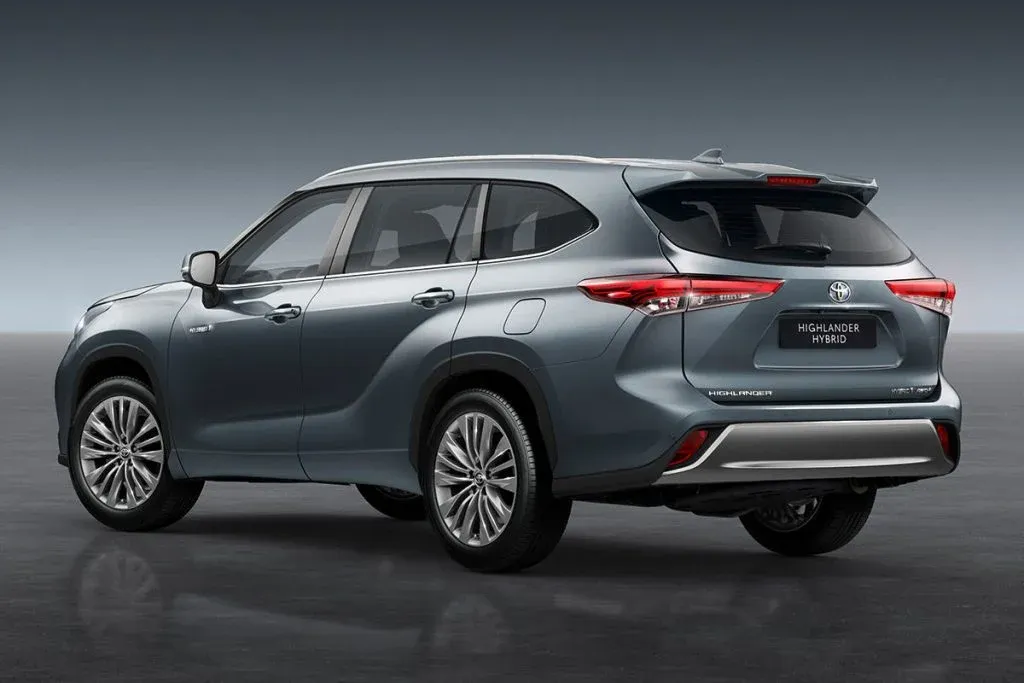
The Highlander is not a niche nameplate. For years, it has been one of Toyota’s core family SUVs, valued for its three-row layout, broad dealer support, and available hybrid powertrain. An electric Highlander would not just be another EV; it would be Toyota’s opportunity to bring a familiar family-SUV formula into a battery-electric package.
That matters because three-row electric SUVs are still a developing part of the market. Many EVs are compact crossovers, premium SUVs, or performance-focused models. Families shopping for three rows often have different priorities: usable third-row space, cargo room behind the seats, predictable road-trip range, towing capability, winter efficiency, charging speed, and long-term ownership costs. Toyota’s brand reputation among mainstream buyers could make an electric Highlander a major entry if the final product meets those needs.
A delay therefore affects more than Toyota’s product calendar. It gives competing three-row EVs more time to establish themselves and gives undecided buyers another reason to consider hybrids, plug-in hybrids, or current electric alternatives. It also shows how difficult it remains to launch a mainstream electric family SUV at scale, especially one expected to meet Toyota buyers’ expectations for durability, efficiency, and everyday usability.
What Toyota has confirmed — and what remains unknown
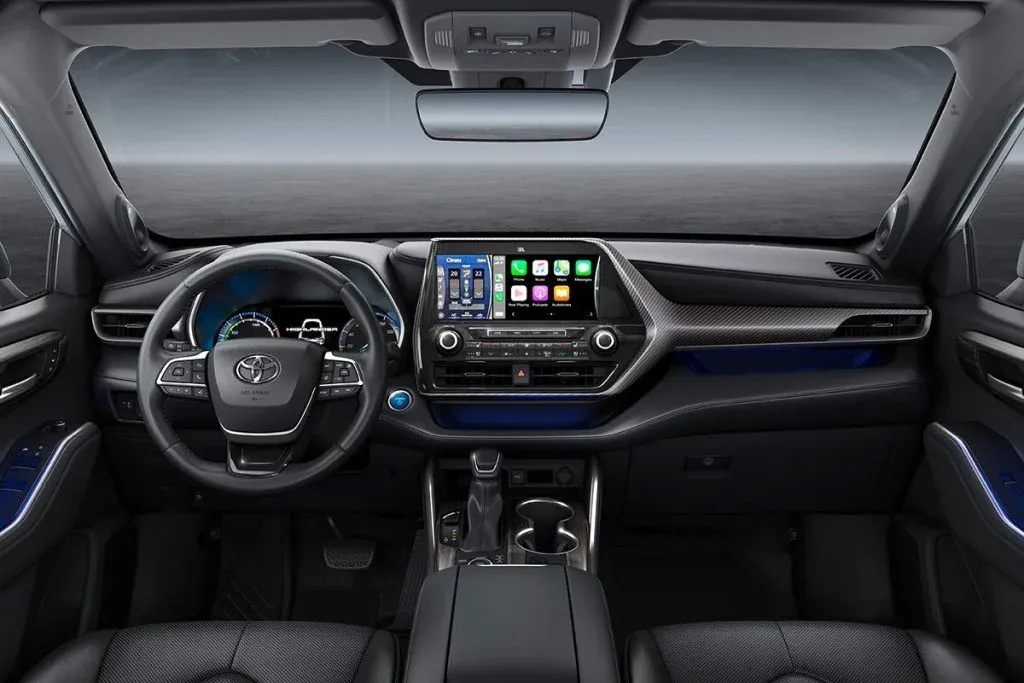
The key confirmed change is timing. The U.S. launch had been anticipated late in 2026, and the vehicle is now expected next year. Toyota’s stated reason centers on final adjustments before production.
Important details remain unconfirmed. Toyota has not publicly locked down full specifications for the electric Highlander, including battery size, estimated driving range, charging performance, motor configurations, towing ratings, trim structure, or pricing. It is also not yet clear how closely the EV will mirror the current Highlander’s packaging, whether it will use the Highlander name exactly in all markets, or how Toyota will position it relative to its existing gas and hybrid three-row SUVs.
That uncertainty matters for buyers. A three-row EV can look strong on paper but succeed or fail based on details: whether the third row is usable for older children or adults, how much cargo space remains with all seats in use, how quickly it charges on road trips, and whether it delivers enough range when loaded with people and luggage.
Buyers may stick with Highlander Hybrid for now
The most immediate beneficiary of the delay may be Toyota’s own hybrid lineup. The Highlander Hybrid already serves buyers who want lower fuel consumption without changing their refueling habits. For many households, especially those without easy home charging, a hybrid three-row SUV remains a simpler transition than a full EV.
The delay gives shoppers more time to compare the known strengths of Toyota’s hybrid approach against the promises of a future electric model. A Highlander Hybrid can be bought, serviced, and road-tripped today with no need to plan charging stops. An electric Highlander, by contrast, will need to prove itself in range, charging convenience, battery warranty confidence, and total cost of ownership.
That does not mean the EV will struggle when it arrives. Toyota has a large base of loyal owners, and many of them may be ready to move electric once there is a familiar, family-sized option. But the extra wait could push some shoppers into a current Highlander Hybrid, Grand Highlander Hybrid, or a rival EV if their lease or family needs cannot wait another model year.
A cautious EV rollout continues
Toyota has taken a more measured approach to battery-electric vehicles than some automakers, continuing to emphasize hybrids while expanding its EV plans. That strategy has helped the company meet demand from buyers who want improved efficiency but are not ready to rely entirely on charging infrastructure. At the same time, the EV market is becoming more competitive, particularly in segments where mainstream buyers expect high value and minimal compromise.
The delay of a three-row electric Highlander fits that cautious pattern. Launching too early with the wrong range, pricing, software, charging performance, or production quality would be costly. Waiting longer can allow more validation, supplier readiness, and manufacturing refinement. The risk is that the market does not stand still. Competitors already selling three-row EVs can build owner loyalty, refine software, and respond with incentives or updates before Toyota’s model reaches showrooms.
For the industry, this is a reminder that the next phase of EV adoption is not just about sleek compact crossovers or luxury flagships. The harder test is the mainstream family vehicle: a reasonably priced, durable, roomy SUV that can handle school runs, vacations, bad weather, and high-mileage ownership. Toyota’s delayed entry is significant because it targets exactly that kind of buyer.
What to watch next
The next meaningful updates will likely involve production timing, official naming, range estimates, charging specifications, and pricing. Those details will determine whether Toyota’s electric three-row SUV is a direct alternative to today’s Highlander Hybrid or a higher-priced EV aimed at a different customer.
Buyers should also watch where Toyota places the vehicle in its lineup. If it is priced close to upper-trim hybrids, it could attract mainstream families looking to go electric. If it arrives as a premium-positioned model, it may compete more directly with higher-end electric SUVs and appeal to a smaller audience.
Until then, the delay changes the decision timeline. Anyone planning to buy a three-row Toyota in the near term should not count on an electric Highlander arriving before the end of 2026. Those who can wait may get a clearer picture next year. Those who cannot still have Toyota’s gas and hybrid SUVs, along with a growing field of three-row EV competitors, to consider.
The broader point is that Toyota’s electric family SUV is still coming later than expected, and its success will depend less on the badge than on execution. In the three-row SUV market, buyers are practical. The winning formula will be space, range, charging ease, reliability, and price — not just the fact that it is electric.