Toyota Sees Hybrid Sales Topping 5 Million in 2026 as Its EV Strategy Stays Broad
Toyota’s latest outlook points to another record year for hybrids, underscoring how fuel-saving gasoline-electric powertrains remain central to the automaker’s global growth plan.
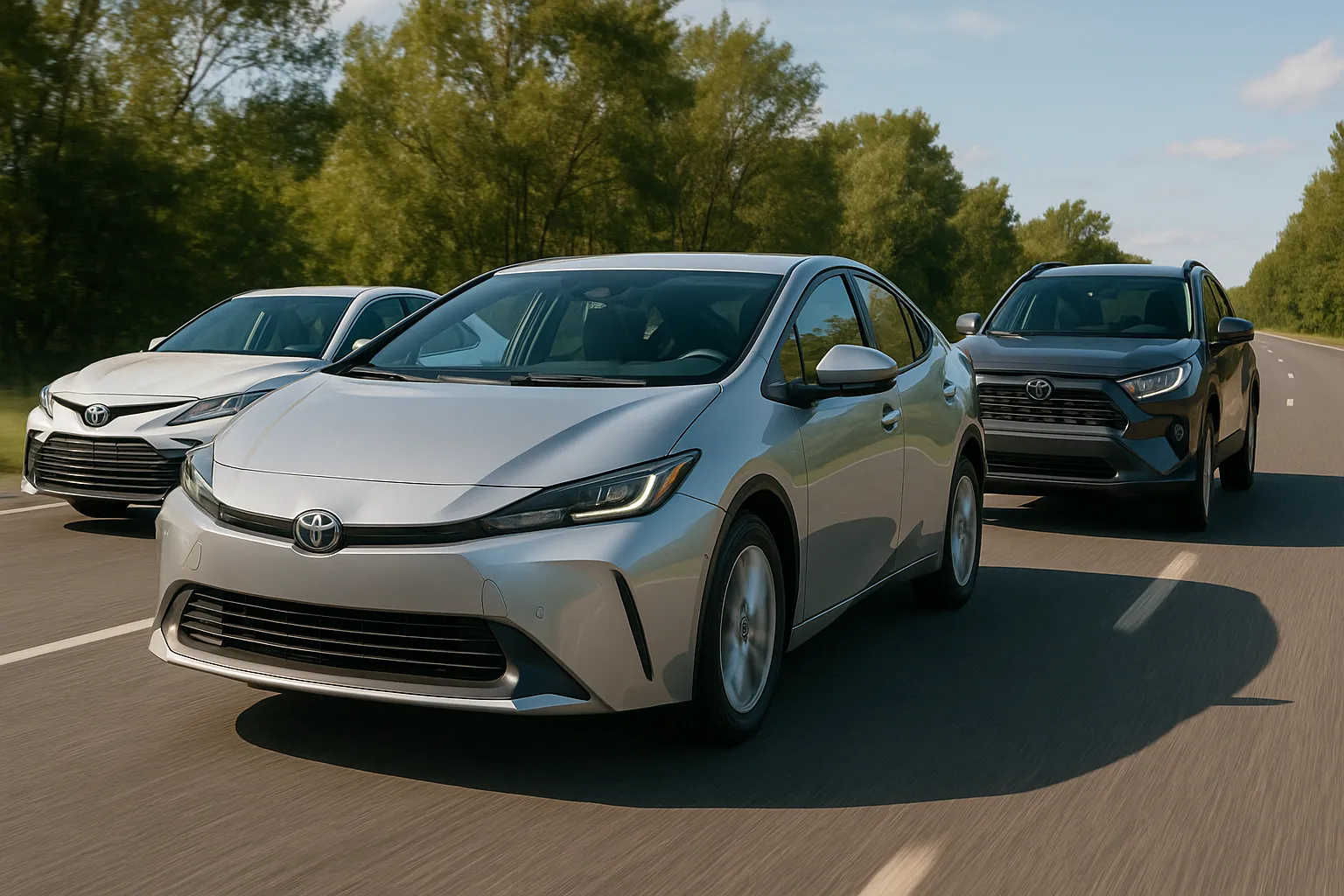
Toyota expects its hybrid sales to climb past 5 million vehicles in 2026, a milestone that would reinforce the company’s long-running bet that gasoline-electric powertrains still have a large role to play in the transition away from purely combustion-powered cars.
The forecast appeared in Toyota’s latest financial materials for the fiscal year ending in 2027. While the company continues to invest in battery-electric vehicles, hydrogen fuel-cell technology, plug-in hybrids, and more efficient combustion engines, its conventional hybrid lineup remains the volume engine of its electrification strategy.
For car buyers, the significance is straightforward: Toyota is signaling that hybrids will not be treated as a short-term bridge product. They are becoming mainstream choices across more body styles, price points, and regions. That matters for shoppers who want lower fuel consumption and reduced tailpipe emissions but may not be ready to depend on charging infrastructure or pay the higher upfront cost often associated with full EVs.
A record target for a familiar formula
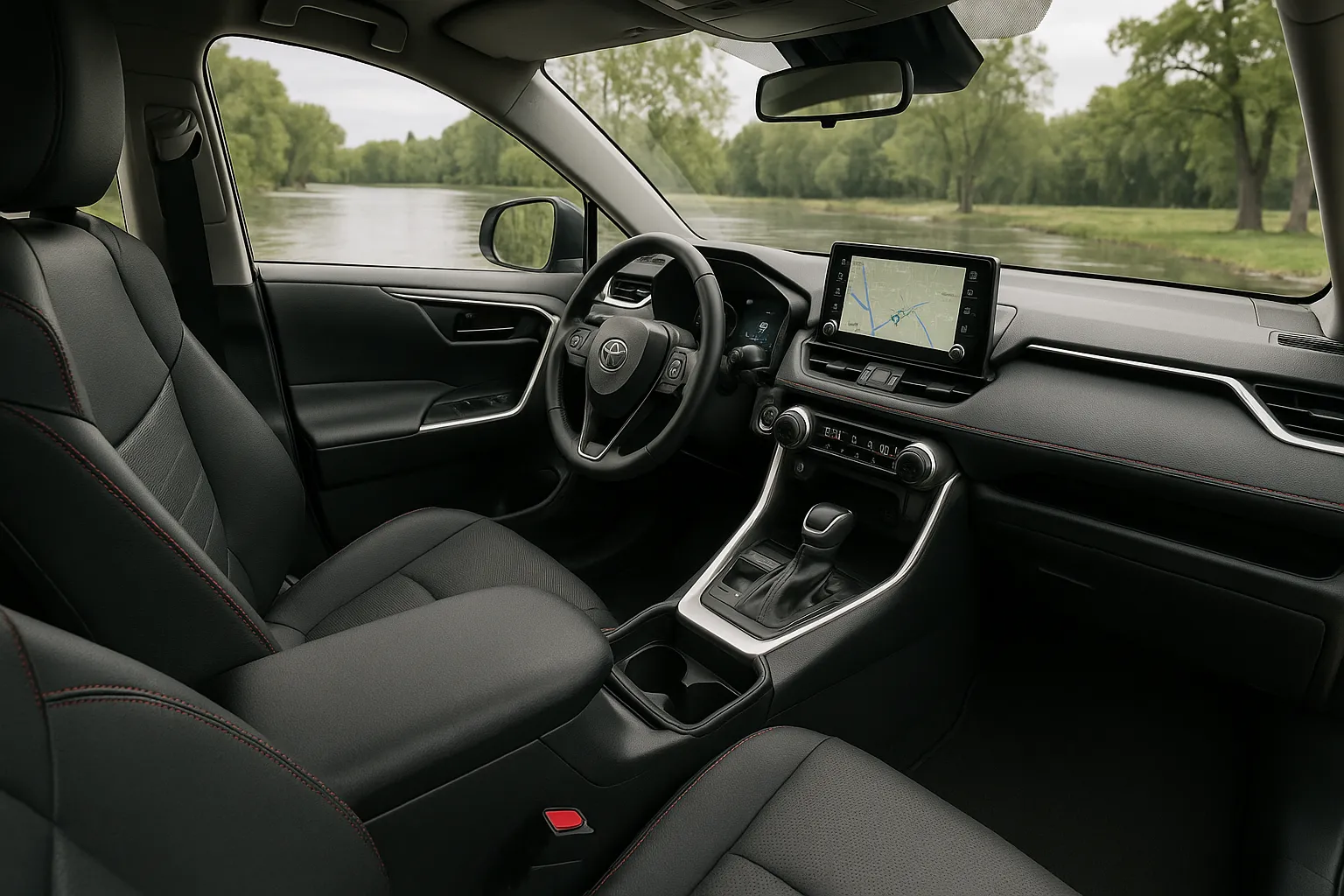
Toyota has spent nearly three decades refining hybrid systems since the original Prius reached the market in the late 1990s. What began as a niche technology has spread through much of the company’s global lineup. Today, hybrid versions of high-volume models such as the Corolla, Camry, RAV4, Highlander, Yaris, and various Lexus vehicles give Toyota a broad base that few rivals can match.
In some markets, Toyota has gone further than simply offering hybrids as optional upgrades. The latest Camry, for example, moved to an all-hybrid lineup in the United States, turning what was once an efficiency-focused variant into the default powertrain. The Sienna minivan has also been hybrid-only in recent years, and the RAV4 Hybrid has become one of Toyota’s most important products in North America.
That breadth helps explain why a 5 million-plus annual target is plausible. Toyota does not need one breakthrough model to carry the number. It can spread hybrid volume across compact cars, family sedans, crossovers, minivans, pickup trucks, and luxury vehicles.
Why hybrids are still gaining ground
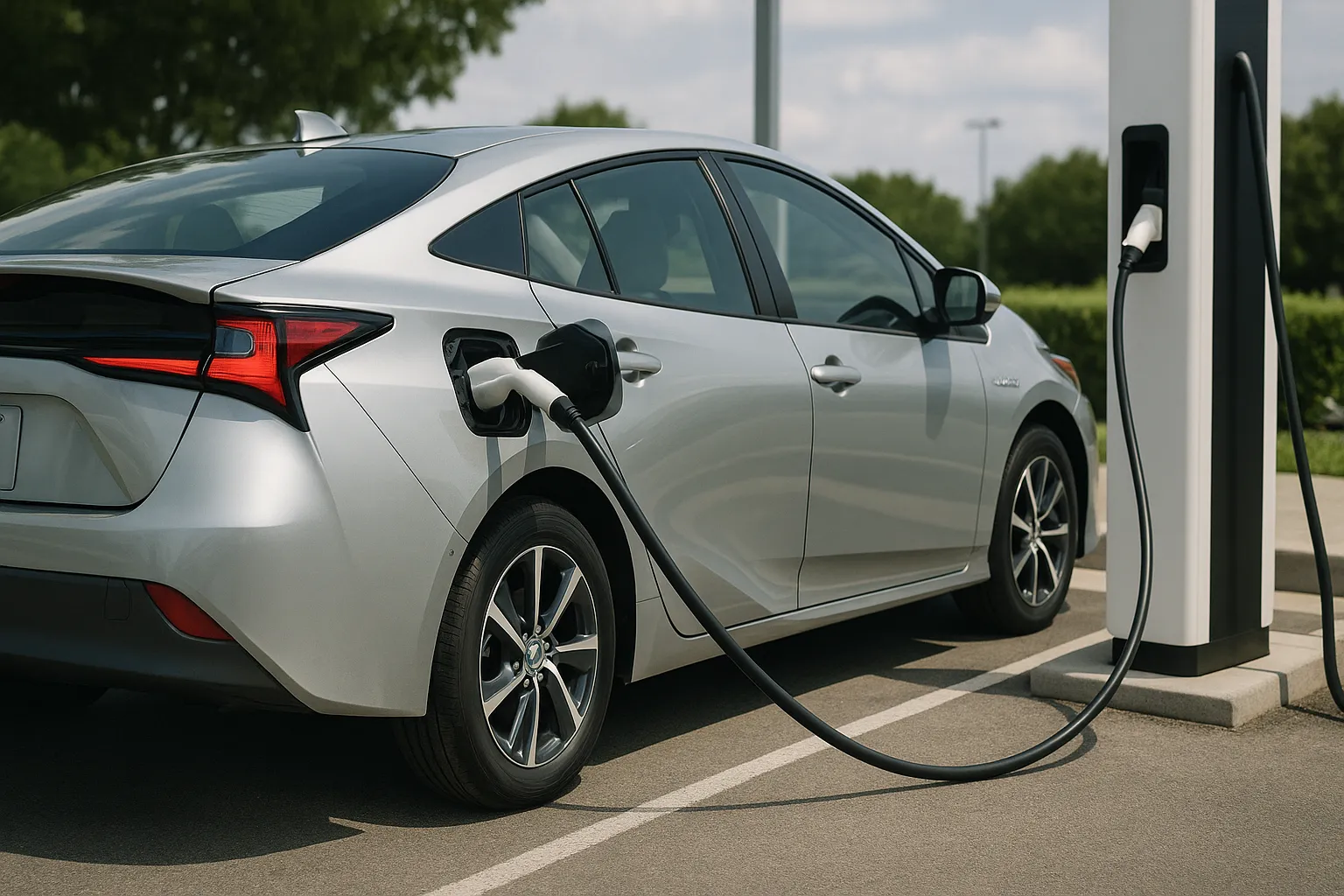
Hybrid sales are benefiting from several practical advantages. They do not require owners to install a home charger, plan routes around public charging stations, or adjust long-distance travel habits. The driving experience is familiar, and refueling takes the same amount of time as it does in a conventional gasoline vehicle.
At the same time, modern hybrids can deliver meaningful fuel savings, particularly in urban and suburban driving where regenerative braking and electric assist are most useful. For many households, that combination of simplicity and efficiency is easier to justify than a full EV, especially in regions with limited charging coverage, high electricity prices, harsh winters, or apartment-heavy housing.
Toyota’s approach also fits markets where government policy and consumer demand are moving at different speeds. EV adoption is strong in parts of China and Europe, but growth has been more uneven in the United States and many developing markets. A large hybrid portfolio lets Toyota respond to a wide range of fuel prices, emissions rules, tax incentives, and customer preferences without relying on a single technology.
What it means for EVs
The 2026 hybrid target does not mean Toyota is abandoning battery-electric vehicles. The company still plans to expand its EV lineup and develop next-generation batteries. However, the forecast shows that Toyota expects hybrids to remain a much larger part of its sales mix in the near term.
That position has been controversial in an industry where some automakers previously set aggressive timelines for EV-only futures. Toyota’s argument has been that reducing emissions quickly may require using limited battery supplies across more vehicles rather than concentrating large battery packs in fewer EVs. In practice, that means selling millions of hybrids with relatively small batteries while the company continues to build out its full-electric portfolio.
Whether that strategy proves superior depends on market conditions, regulation, battery costs, charging infrastructure, and consumer behavior. Full EVs can offer greater emissions benefits when powered by cleaner electricity, and they remove tailpipe emissions entirely. Hybrids still burn gasoline. But Toyota’s scale shows that many buyers are choosing an intermediate step rather than waiting for a perfect EV ownership case.
Implications for owners and shoppers
For shoppers considering a Toyota or Lexus, the forecast suggests continued investment in hybrid availability, parts supply, dealer familiarity, and resale support. High production volume usually helps normalize a technology. Technicians see more examples, used-car buyers become more comfortable with the hardware, and insurers and parts suppliers gain experience.
Toyota’s hybrid systems also have a reputation for durability, helped by years of use in taxis, rideshare vehicles, and family cars. That does not eliminate ownership costs, and hybrid battery replacement can still be expensive outside warranty coverage. But broad adoption has made hybrid maintenance less exotic than it once seemed.
The main trade-off for buyers is price and configuration. Hybrid models can cost more upfront than non-hybrid equivalents, though fuel savings and resale value may offset some of that difference. Availability can also vary by region and trim. In some cases, the hybrid is tuned primarily for efficiency; in others, such as certain Toyota and Lexus performance-oriented hybrids, the electric motor supports stronger acceleration rather than maximum fuel economy.
Industry pressure on rivals
Toyota’s expected 2026 hybrid volume also places pressure on competitors. Automakers that moved quickly toward EVs but kept fewer hybrid options are now reconsidering their lineups in some markets. Demand for affordable, efficient vehicles remains strong, and hybrids can help manufacturers meet emissions targets without requiring every buyer to adopt a plug.
The challenge is that Toyota has a major head start. Hybrid systems require careful integration of engines, motors, batteries, power electronics, software, and transmissions. They also need scale to be profitable. Companies that treated hybrids as a temporary step may find it difficult to match Toyota’s cost structure and model coverage quickly.
For enthusiasts, the milestone is another reminder that electrification is not a single path. Toyota’s hybrid expansion includes practical commuter cars, family crossovers, luxury models, and trucks that use electric torque to improve drivability. The technology may not generate the same attention as high-output EVs, but it is shaping what millions of everyday vehicles feel like to drive.
A benchmark year ahead
Forecasts can change with currency swings, supply constraints, economic conditions, fuel prices, and regional policy shifts. Still, Toyota’s expectation of more than 5 million hybrid sales in 2026 is a clear statement about where the company sees near-term demand.
The takeaway is not that hybrids will replace EVs or that combustion engines will remain unchanged. It is that the transition is uneven, and Toyota believes a large share of buyers will continue choosing vehicles that blend gasoline range with electric efficiency. If the company reaches its target, 2026 will mark one of the clearest signs yet that hybrids have moved from alternative powertrain to automotive mainstream.