Toyota Tacoma Production Is Coming Back to the United States
Toyota plans to resume U.S. production of the Tacoma after moving the latest-generation midsize pickup to Mexico. The shift could matter for supply, pricing stability, and domestic manufacturing strategy.
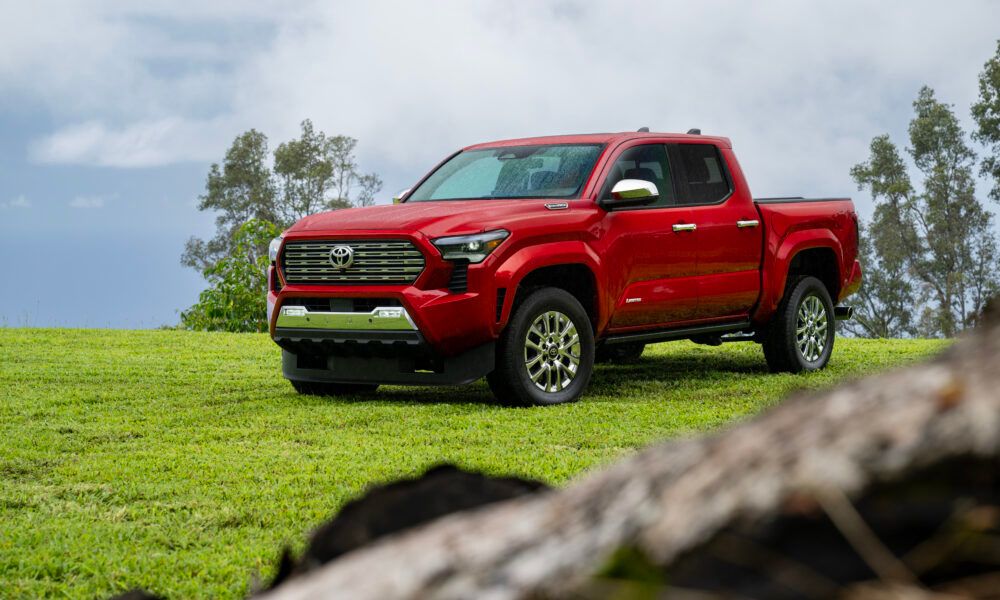
Toyota is preparing to bring production of the Tacoma back to the United States, giving its best-known midsize pickup a renewed domestic manufacturing footprint after the current generation shifted assembly to Mexico.
The move does not necessarily mean every Tacoma sold in the U.S. will be built domestically. Toyota has not publicly detailed every operational piece of the plan, including total volume, trim allocation, exact production timing, or whether Mexican plants will continue building the truck alongside a U.S. facility. Still, the decision marks an important turn for a model that has long been closely associated with the American pickup market.
For shoppers, the immediate takeaway is simple: the Tacoma is expected to regain a U.S.-built supply stream. For Toyota, the move adds flexibility at a time when automakers are paying closer attention to tariffs, logistics costs, supplier locations, and the political value of domestic manufacturing.
A return to a familiar idea
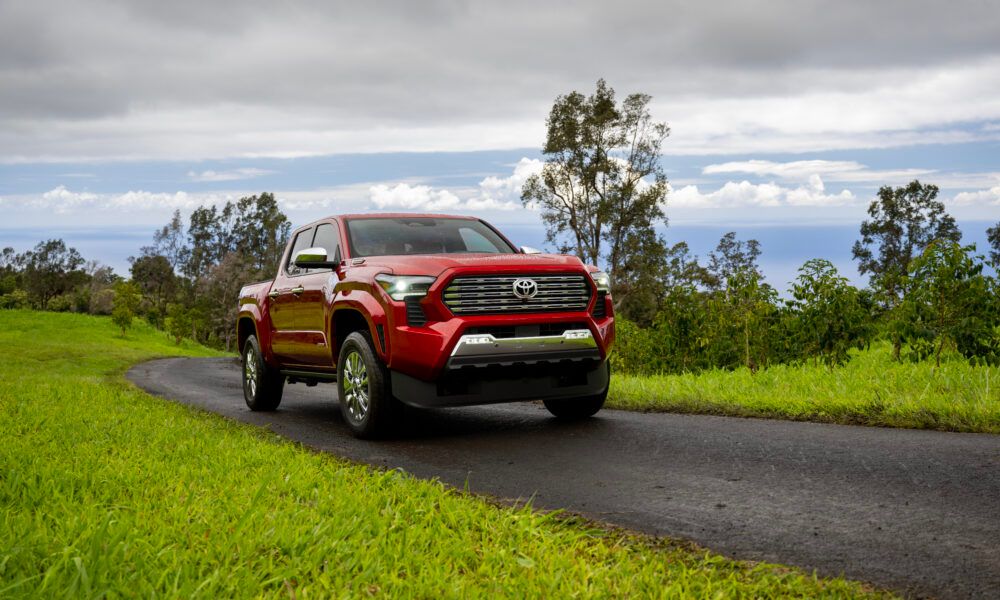
The Tacoma has a complicated production history. Earlier generations were built in the United States as well as Mexico, and for many buyers the truck carried a strong connection to Toyota’s North American manufacturing network. That changed with the latest-generation Tacoma, which arrived for the 2024 model year and consolidated production in Mexico.
That shift happened as Toyota reworked its truck manufacturing layout. The larger Tundra and Sequoia became the focus of Toyota’s Texas truck plant, while Tacoma output moved south of the border. Mexico offered Toyota established truck capacity, proximity to the U.S. market, and an integrated supplier base.
Now Toyota is reversing part of that arrangement by planning U.S. production again. The company’s decision fits a broader industry pattern: automakers are trying to reduce exposure to cross-border cost swings and make their North American production networks more resilient.
Why it matters to Tacoma buyers
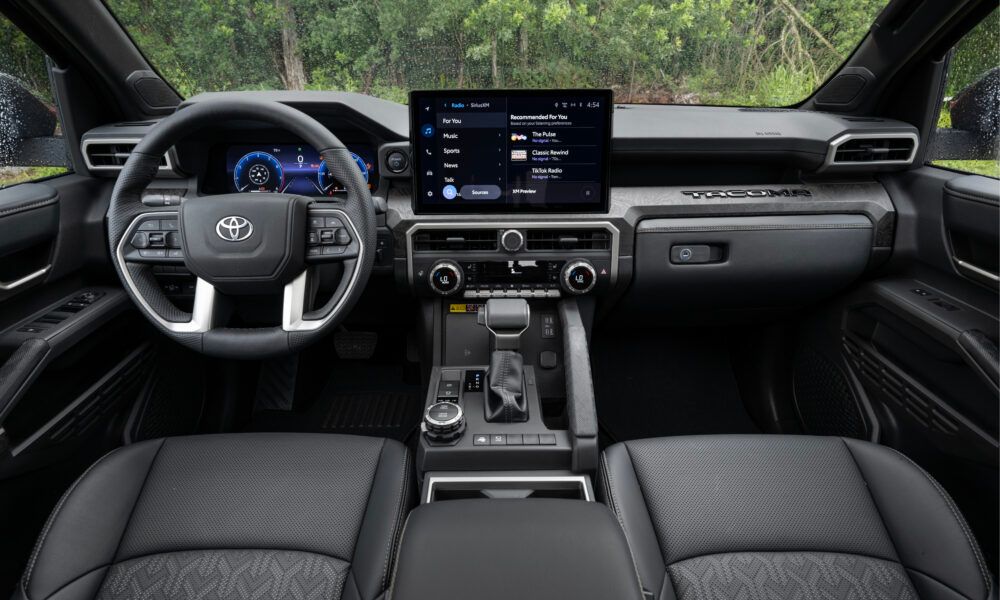
For buyers, production location usually matters less than price, availability, reliability, and equipment. But where a vehicle is built can affect all of those things indirectly.
A U.S. production source could help Toyota respond more quickly to demand in its largest Tacoma market. The Tacoma competes in a segment where shoppers often want specific combinations: two-wheel or four-wheel drive, different cab and bed layouts, TRD off-road packages, hybrid powertrains, and dealer-installed or port-installed accessories. If Toyota can add a domestic source without reducing output elsewhere, it may improve allocation flexibility.
That does not automatically mean lower prices. Vehicle pricing is shaped by labor costs, parts costs, transportation, exchange rates, tariffs, dealer inventory, and consumer demand. A U.S.-built Tacoma might reduce some logistics or trade exposure, but it could also come with higher manufacturing costs depending on plant, labor agreement, and supplier mix. The practical benefit for shoppers may be steadier availability rather than cheaper window stickers.
It may also influence purchase decisions for customers who prefer vehicles assembled in the United States. Some fleet buyers, government purchasers, and individual shoppers track final assembly location and domestic content. A U.S.-built Tacoma gives those buyers another reason to consider Toyota’s midsize pickup against rivals such as the Chevrolet Colorado, GMC Canyon, Ford Ranger, Jeep Gladiator, and Nissan Frontier.
The Tacoma remains central to Toyota’s truck business
The current Tacoma is one of Toyota’s most important North American products. It sits in the midsize pickup category, but its role is bigger than its size. The truck gives Toyota a high-volume, high-loyalty entry in a segment filled with repeat buyers and outdoor-oriented trims.
The latest generation moved to a turbocharged four-cylinder powertrain family, replacing the previous V6-centered lineup. Most versions use Toyota’s 2.4-liter turbocharged engine, while higher-output models offer the i-FORCE MAX hybrid system. The hybrid is not designed primarily as a fuel-sipping commuter setup; it adds torque and performance, especially in off-road and premium trims.
That product strategy makes production planning more complex. The Tacoma is no longer just a basic work truck with a few lifestyle trims. It spans relatively simple utility models, TRD Sport and TRD Off-Road variants, the more capable TRD Pro, and higher-end versions such as the Trailhunter. Managing that mix requires plant flexibility and a strong supplier chain for engines, batteries, suspension components, electronics, and interior parts.
Adding U.S. production could help Toyota balance that mix if demand shifts between mainstream and higher-margin trims.
Industry context: manufacturing location matters again
For years, automakers treated North America as an integrated manufacturing region, with vehicles, engines, transmissions, and parts moving across borders as needed. That system is still deeply entrenched, and it is unlikely to disappear. Mexico remains a major vehicle production hub for many global automakers, including Toyota.
But the business environment has changed. Tariff threats, trade-rule compliance, shipping disruptions, labor constraints, and changing political priorities have made final assembly location more strategically important. Automakers are also under pressure to show continued investment in U.S. manufacturing, especially for high-profile vehicles such as pickup trucks.
The Tacoma’s return to U.S. production should be viewed through that lens. It is not simply a nostalgic move back to an older manufacturing map. It is a risk-management decision for a valuable model line.
What remains unclear
Several important details remain uncertain. Toyota has not fully outlined how much Tacoma production will move to the United States, whether specific trims will be assigned to the domestic plant, or how the change will affect output in Mexico. It is also not yet clear whether shoppers will see meaningful differences in delivery times or dealer inventory once U.S. production begins.
Buyers should also remember that final assembly location can vary by configuration and model year. Anyone who specifically wants a U.S.-assembled Tacoma should check the Monroney window sticker on the exact truck being purchased. The final assembly point is listed there, along with parts-content information.
The bottom line
Toyota’s plan to bring Tacoma production back to the United States is a meaningful development for one of the most popular midsize pickups on the market. It gives Toyota more North American manufacturing flexibility, may help stabilize supply, and restores a domestic assembly connection for a truck that many U.S. buyers see as a staple of the segment.
For shoppers, the change is worth watching but not worth overreading. It does not guarantee lower prices, instant availability, or a major product update. The Tacoma’s engines, trims, capability, and pricing structure remain the more important purchase factors.
For the industry, however, the message is clear: where vehicles are built is becoming a bigger part of product strategy again, especially for trucks that sit at the center of American demand.