Updated Smart #1 Debuts in China With 800-Volt Charging Tech
Smart’s compact electric crossover has gained an 800-volt electrical system in China, cutting its claimed 10-80% fast-charge time to 12 minutes while adding more power and updated software.

Smart’s smallest crossover gets a major charging upgrade
Smart has revealed an updated version of the #1 in China, and the most important changes are not the usual facelift details. The compact electric crossover has moved to an 800-volt electrical architecture, a switch that dramatically improves its claimed rapid-charging performance and gives the model a more competitive technical foundation.
The headline figure is a 10-80% charging time of 12 minutes for the 66kWh battery. That is a large reduction compared with the current car, which takes more than half an hour for the same top-up window on a suitable DC charger. Smart has not published a single official peak charging number for all markets, but Chinese documentation points to a maximum rate of around 360kW.
For buyers, that change matters more than a mild styling revision would. Charging time remains one of the main practical differences between electric cars and combustion models, particularly for drivers who regularly make long motorway journeys or do not have reliable home charging. If the updated #1 can sustain high charging rates in real-world use, it should spend less time stopped on longer trips and feel less dependent on perfect journey planning.
Range appears broadly unchanged
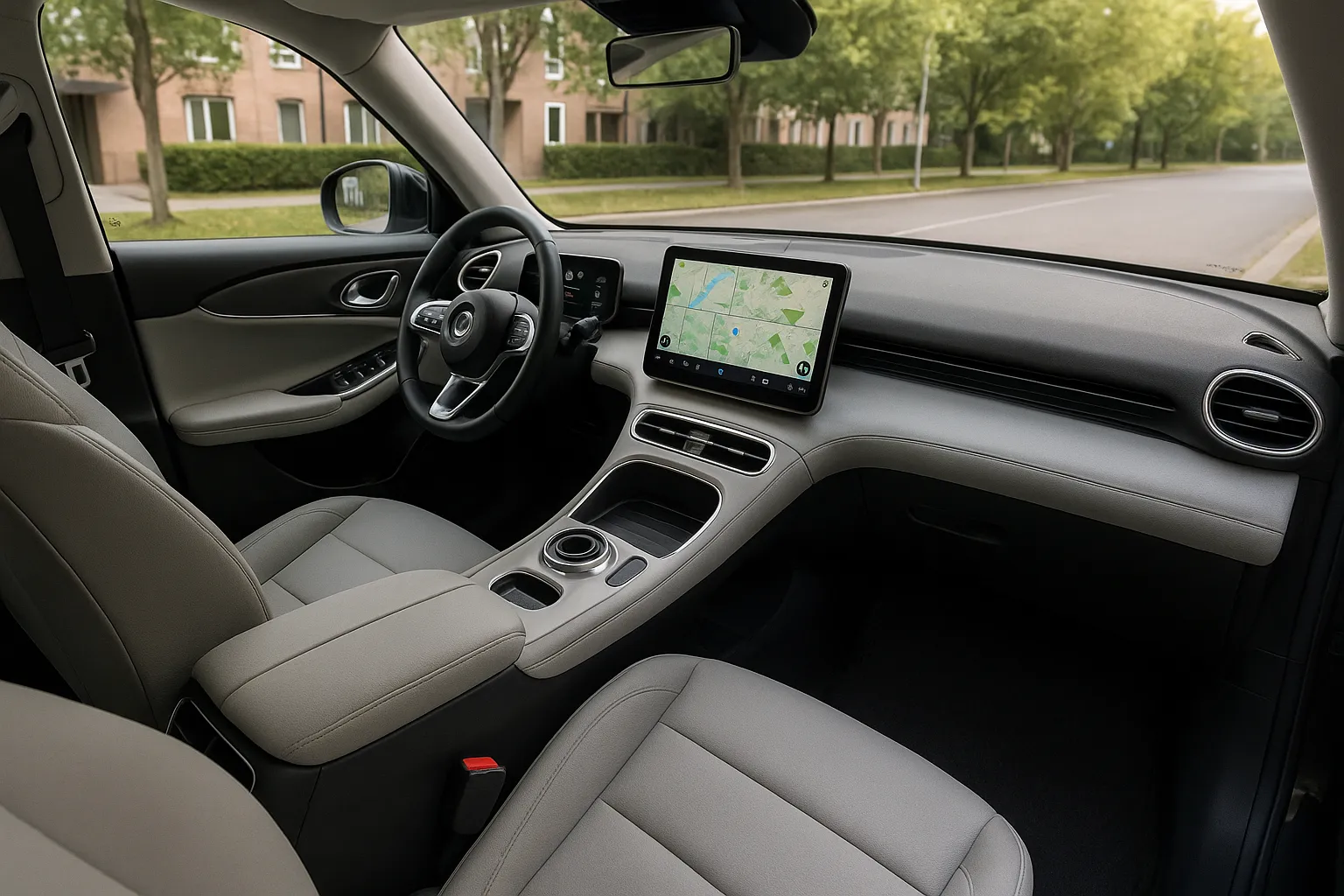
The charging upgrade does not come with a major quoted range increase. The updated #1 is rated at 331 miles on China’s CLTC test cycle. That test is generally more generous than Europe’s WLTP procedure, and the equivalent WLTP figure is expected to be roughly 272 miles.
That means the update should be viewed mainly as a faster-charging improvement rather than a longer-range reinvention. A car that can add energy quickly can still be easier to live with, but range-conscious buyers should pay attention to the test cycle used in any official figure. CLTC, WLTP and EPA numbers are not interchangeable, and real-world range will still depend on speed, weather, tyres, terrain and cabin heating or cooling use.
The continued use of a 66kWh battery is also significant. Instead of simply fitting a larger and heavier pack, Smart appears to have focused on how quickly the existing-size battery can be replenished. That approach can help preserve packaging and efficiency while addressing one of the most visible pain points in EV ownership.
More power, but torque is slightly lower
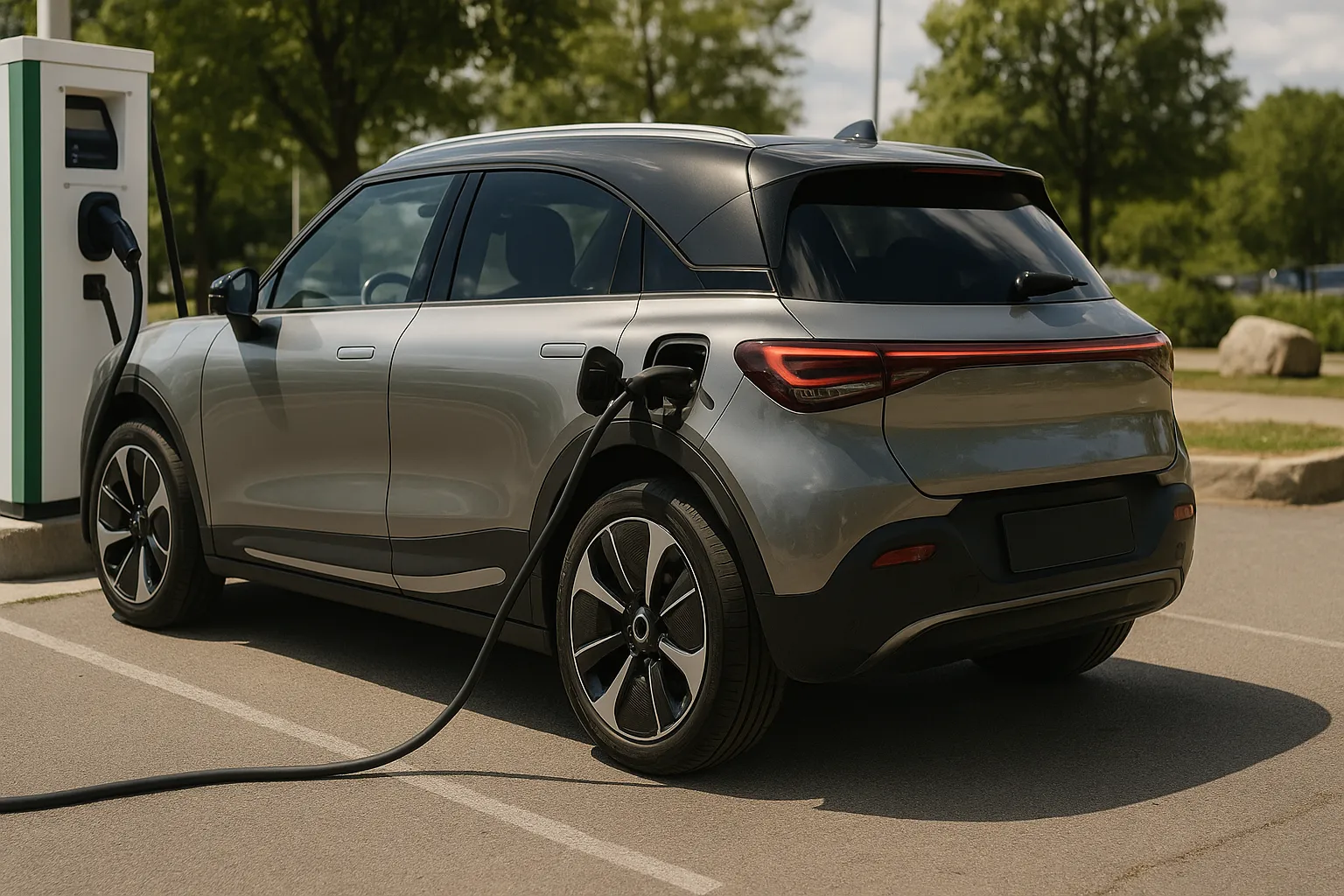
The updated Smart #1 also gets a new electric motor developed by Geely, Smart’s joint-venture partner. Peak output is listed at 328bhp and 320Nm of torque. Compared with the current UK model, that is an increase of 56bhp, although torque falls by 23Nm.
Smart quotes a 0-62mph time of 6.7 seconds. That is brisk for a compact family-focused electric crossover and should give the #1 easy performance in urban and suburban driving, as well as confident acceleration for joining faster roads.
The power and torque changes are a useful reminder that EV performance is not defined by one figure. More peak horsepower can improve higher-speed acceleration, while torque delivery, gearing, motor calibration and traction management influence how the car feels from rest and at lower speeds. Until the updated model is driven in production form, it is too early to judge whether it feels meaningfully quicker in daily use.
Software and styling changes are part of the package
Alongside the hardware changes, the China-market update introduces newer infotainment software and visual revisions. The exterior changes appear to be evolutionary rather than a complete redesign, keeping the #1’s rounded compact-crossover identity intact.
The software update may prove important for existing Smart customers and potential buyers. The #1 has been praised for its performance, efficiency and usable packaging, but infotainment execution has been one of the areas where improvement would be welcome. A newer system could make a bigger difference to day-to-day satisfaction than small design tweaks, especially if it improves response times, menu layout, route planning or charging integration.
Smart has not yet detailed every market-specific feature for Europe or the UK. Equipment, software functions, charging capability and final performance figures can vary by region, so buyers should treat the Chinese reveal as a strong preview rather than a complete local specification sheet.
Why 800 volts matters
Most early mainstream EVs used electrical systems around 400 volts. An 800-volt setup can allow higher charging power with lower current, which can reduce heat and make ultra-rapid charging easier to support when the battery, cables, cooling system and charger are all capable of it.
The technology has often been associated with more expensive EVs or performance-focused models, but it is gradually moving into more accessible segments. If Smart brings the same charging hardware to Europe, the #1 would join a growing group of electric cars using faster-charging architectures to stand out in a crowded market.
There are limits. A 12-minute 10-80% session will require a charger powerful enough to deliver very high DC output, and even then, conditions must be favourable. Battery temperature, charger availability, station reliability and the car’s charging curve all determine the actual stop time. Owners charging at home on AC power are unlikely to see a meaningful difference, because overnight charging is governed by the onboard charger and household or wallbox supply rather than the vehicle’s maximum DC rate.
Still, for public charging, the improvement is potentially substantial. Cutting a rapid-charge stop from more than 30 minutes to close to 12 minutes changes how an EV fits into a journey. It also puts pressure on rivals in the compact electric SUV segment, where charging speed can be just as persuasive as headline range.
Europe and UK timing
The updated Smart #1 has been shown first in China, with European and UK availability expected to follow in the coming months. Final pricing, trim structure and local specifications have not yet been confirmed.
That timing will matter because the compact EV market is becoming increasingly competitive. Buyers can already choose from a wide range of small electric crossovers and hatchback-based SUVs, many offering similar range figures, strong acceleration and increasingly sophisticated interiors. Faster charging could give the #1 a clearer selling point, provided it arrives without a sharp price rise.
For current #1 owners, the update does not make the existing car obsolete. The current model remains a quick, practical compact EV. But the arrival of 800-volt hardware shows how rapidly electric-vehicle technology is moving, even within a single model cycle.
For prospective buyers, the key question is whether to wait for the updated version. Those who rely heavily on public rapid charging may find the new car’s hardware worth holding out for. Drivers who mostly charge at home and use the car for shorter daily trips may find the existing model’s capability more than adequate, especially if outgoing versions become more attractively priced.
The bigger picture
The Smart #1 update is a small but telling example of where the EV market is heading. Range remains important, but charging speed, software quality and energy-management hardware are becoming just as central to the ownership experience.
By adding 800-volt charging to a compact crossover, Smart is positioning the #1 as more than a design-led urban EV. If the European version retains the same charging performance, it could become one of the more technically interesting choices in its class.