Volkswagen Group memo signals possible deeper job cuts
A reported internal memo from CEO Oliver Blume raises the possibility of 50,000 additional job reductions, underscoring the pressure on Europe’s largest automaker as it funds its EV and software transition.
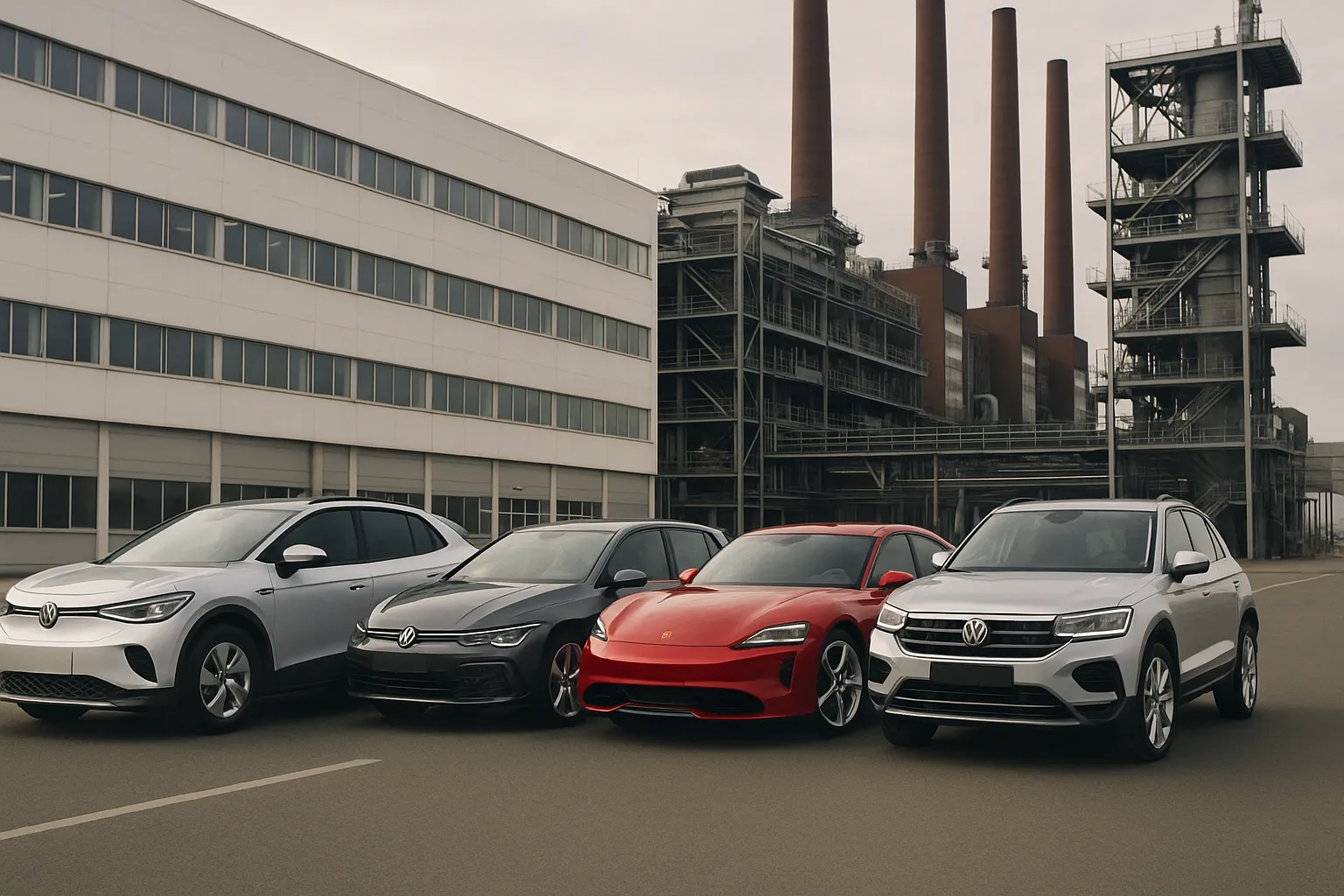
Volkswagen Group is reportedly examining a scenario that could involve cutting another 50,000 jobs, a sign that the company’s restructuring debate may be moving into a more difficult phase.
The discussion is not being presented as a finalized plan. The reported internal memo frames the additional reductions as a possible course of action rather than an approved target. Even so, the scale is significant: a further 50,000 positions would represent a major escalation for one of the world’s largest automakers and one of Europe’s most important industrial employers.
Chief Executive Oliver Blume is said to have informed employees that the company is considering deeper workforce reductions as part of its effort to become more competitive. The broader message is clear: Volkswagen Group sees its current cost base as too heavy for the next stage of the car business, where electric vehicles, software platforms, battery supply chains and competition from China are reshaping margins.
Why Volkswagen is under pressure
Volkswagen Group sits at the center of several industry shifts at once. It must keep funding combustion-engine models that still generate much of its revenue while also investing heavily in electric vehicles, software development, battery technology and digital services. That balancing act is expensive, and it comes as pricing pressure grows in key markets.
In Europe, the company faces strict emissions rules and high manufacturing costs. In China, once a major profit engine for the group, domestic brands have become much stronger in EVs and connected-car technology. In the United States, Volkswagen has been trying to expand its presence while navigating uneven EV demand and changing policy conditions. Across the business, the company is trying to reduce complexity and speed up decision-making.
The pressure is not limited to the Volkswagen brand. The group includes Audi, Porsche, Skoda, Seat/Cupra, Bentley, Lamborghini, Ducati and commercial-vehicle operations. Those brands occupy different market segments, but they share technology, factories, supplier networks and capital demands. A cost problem in one part of the group can quickly become a strategic problem for the entire company.
What is known — and what is not
The reported memo does not mean 50,000 additional jobs will definitely disappear. Automakers often model aggressive scenarios internally before negotiations with labor groups, plant managers, governments and suppliers. Those scenarios can be changed, delayed or reduced.
The important point is that such a large number is being discussed at all. If Volkswagen Group were to move from scenario planning to execution, the consequences would extend well beyond corporate offices. Job reductions of that size could affect engineering centers, factories, administrative departments, component operations and support functions. The exact locations and job categories have not been confirmed.
Volkswagen has historically had a complex relationship with labor, particularly in Germany, where employee representatives hold substantial influence. That structure can slow abrupt decisions, but it also means major restructuring usually becomes a negotiated process involving jobs, plant utilization, investment commitments and future product allocation.
What it means for car buyers
For shoppers, workforce reductions may sound distant from the showroom, but they can influence the cars people eventually buy. Cost-cutting can help an automaker keep prices competitive, especially in segments where EVs remain expensive to build. If Volkswagen can reduce fixed costs without weakening product development, buyers could see more affordable electric models, better-equipped combustion vehicles and stronger warranty support.
The risk is that deep cuts can also create disruption. Fewer engineers, software developers or production specialists may slow product launches, complicate quality fixes or delay updates. Volkswagen Group has already faced challenges in software development across parts of its EV portfolio, and the next generation of vehicles will rely even more heavily on digital systems, over-the-air updates and integrated driver-assistance features.
For owners, the biggest concern would be continuity. A large restructuring can affect parts availability, dealer communication and technical support if it is handled poorly. However, Volkswagen Group’s size and global footprint give it more resources than smaller automakers. The company is unlikely to abandon core model lines or major service obligations, but it may streamline variants, trim combinations and lower-volume projects.
Enthusiasts may feel the effects in product planning
Enthusiasts should watch what happens to niche models and performance programs. When large automakers cut costs, vehicles with modest sales volumes often face closer scrutiny. That does not mean enthusiast cars will automatically vanish, especially within brands such as Porsche, Audi Sport, Lamborghini or Cupra. But investment priorities may shift toward models with stronger margins or clearer regulatory value.
Volkswagen Group also has to decide how much money to spend on future combustion engines. Performance models still matter for brand identity, yet emissions compliance and electrification investment make them more expensive to justify. A deeper workforce reduction could accelerate the move toward shared platforms and fewer unique mechanical configurations.
At the same time, the group’s enthusiast appeal may depend on getting the transition right. Fast EVs, sharper software, better charging integration and lighter electric platforms could define the next generation of desirable Volkswagen Group products. Cutting costs alone will not create those cars; the company still needs technical focus and product ambition.
Industry implications
A potential cut of this scale would send a message across the global auto industry: even the largest legacy manufacturers are not immune to structural pressure. Automakers are being asked to build two worlds at once. One is the established business of gasoline, diesel and hybrid vehicles. The other is an electric, software-defined future with different suppliers, different skills and different profit assumptions.
That transition is proving more uneven than many executives expected. EV adoption continues to grow in many markets, but not always at the pace needed to support every investment plan. Battery costs, charging infrastructure, consumer incentives and trade policy can change quickly. In that environment, companies with large workforces and broad product portfolios are looking for ways to become leaner.
Volkswagen Group’s situation also reflects the strength of newer competitors. Chinese automakers in particular have moved quickly in EV design, battery integration, infotainment and cost control. They have raised consumer expectations for technology while putting pressure on pricing. European manufacturers now have to respond without losing the engineering quality and brand trust that built their reputations.
The bottom line
The reported memo does not confirm a final layoff program, but it shows the seriousness of Volkswagen Group’s internal cost debate. A possible additional reduction of 50,000 jobs would be a major move for the company, its employees and the regions that depend on its factories and offices.
For buyers and owners, the key question is whether Volkswagen can reduce costs while still improving vehicles, software quality and long-term support. For the industry, the message is broader: the EV and software transition is not just changing what cars look like. It is changing how automakers are staffed, how they spend money and how they decide which products survive.