Volkswagen Group Plans Broad Model Lineup Reduction
Volkswagen Group is preparing to shrink its global vehicle portfolio, a move that could simplify showrooms, reduce development costs, and reshape several of its brands.
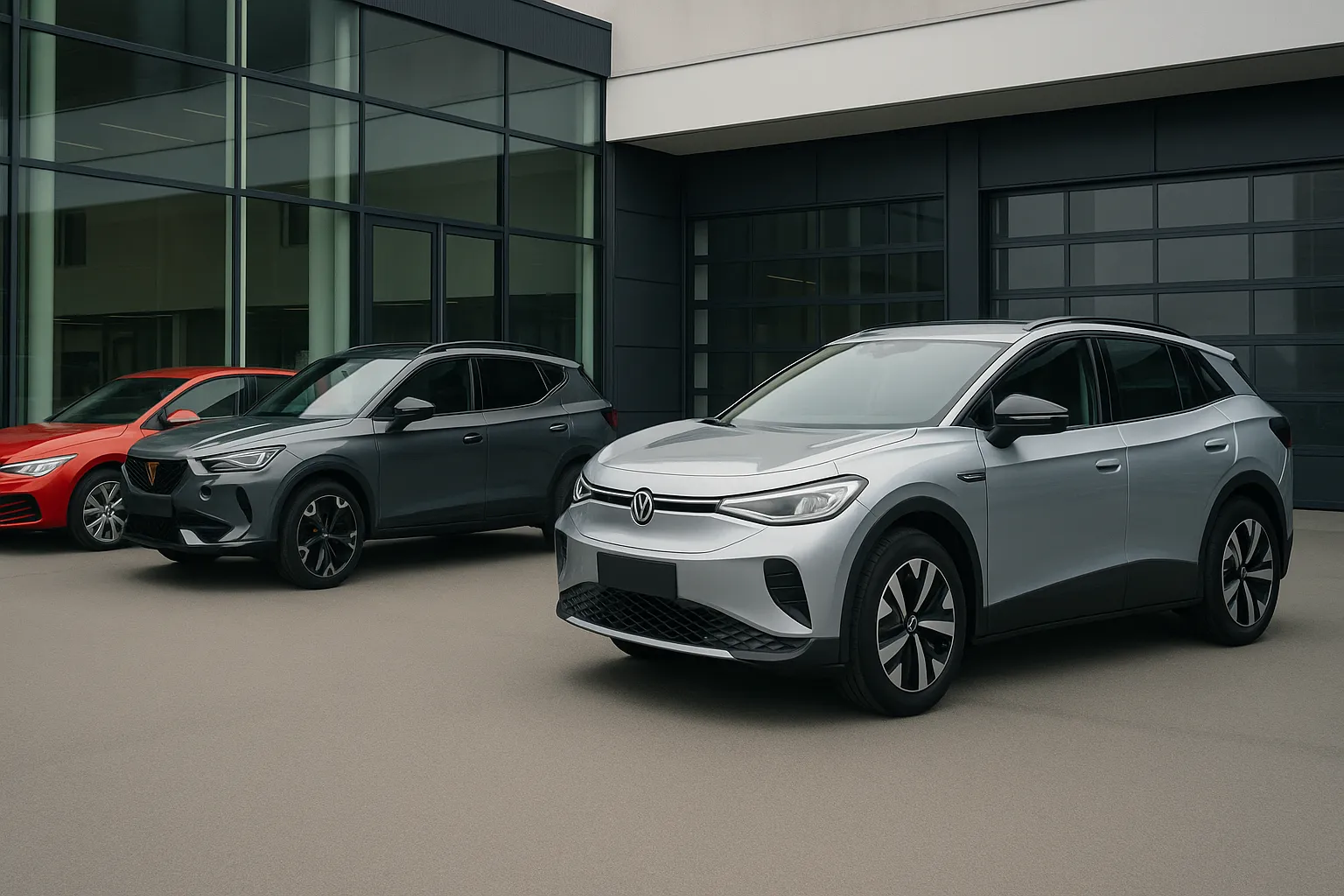
Volkswagen Group is preparing a substantial reduction of its vehicle portfolio, signaling a shift away from maintaining a wide spread of overlapping models and toward a leaner, more focused lineup. The plan could eventually remove a significant portion of the group’s nameplates, although the company has not publicly provided a final list of affected models, markets, or dates.
The move matters because Volkswagen Group is one of the world’s largest automakers, with brands spanning mass-market hatchbacks, family SUVs, electric vehicles, performance cars, luxury sedans, supercars, and commercial vehicles. A broad portfolio has long allowed the group to compete in nearly every major segment, but it also brings high development costs, complicated manufacturing plans, and internal overlap among brands.
A major cutback would mark a different approach: fewer vehicles, clearer brand roles, and more resources concentrated on models that deliver scale, profit, or strategic value.
Why Volkswagen Group would shrink its portfolio
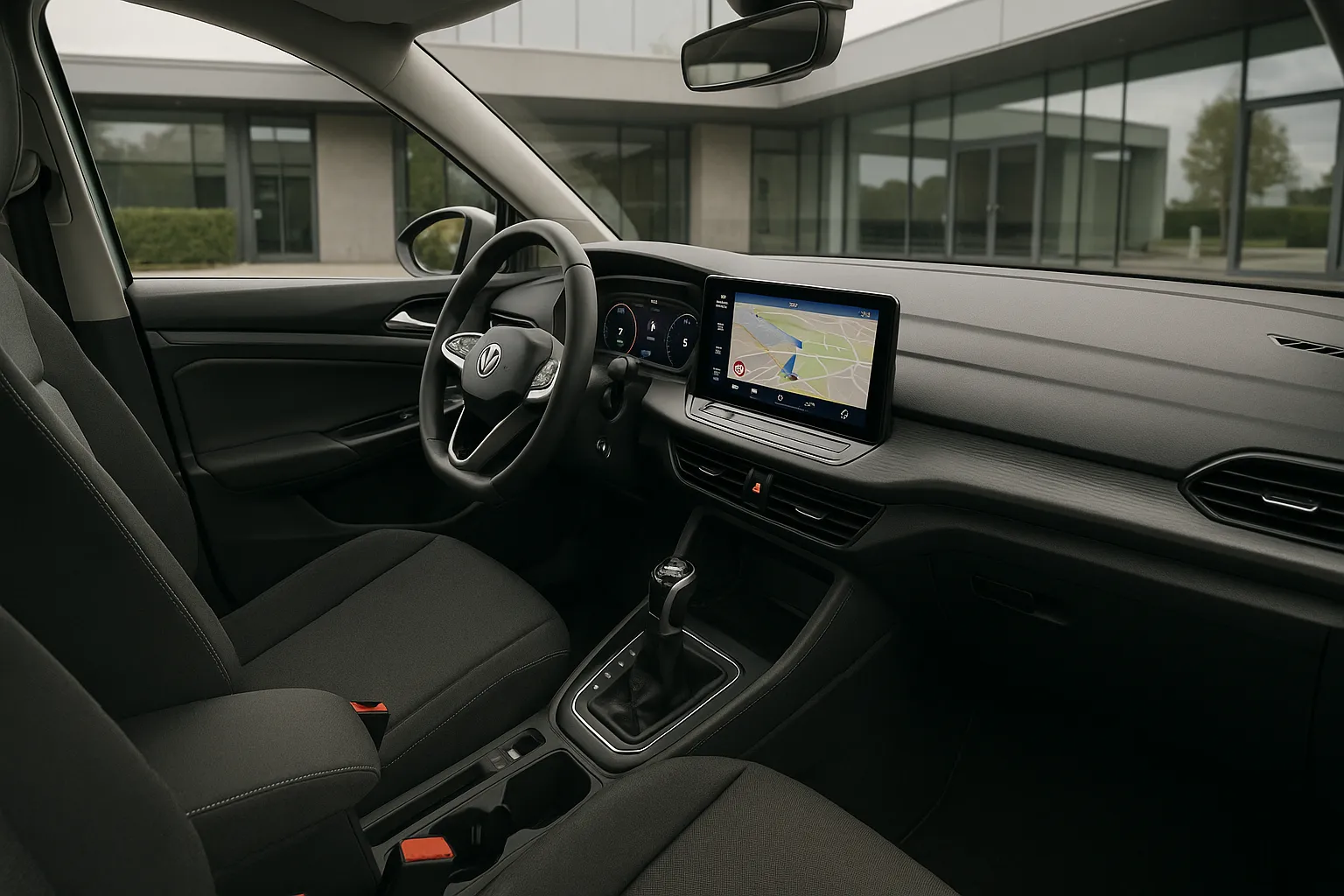
Large automakers have spent decades expanding their lineups to fill small gaps in the market. Crossovers multiplied into different sizes and rooflines. Sedans, wagons, hatchbacks, coupes, convertibles, and performance variants often coexisted even when sales volumes were modest. Within Volkswagen Group, that complexity is amplified by the number of brands under one corporate roof, including Volkswagen, Audi, Skoda, Seat, Cupra, Porsche, Bentley, Lamborghini, and others.
That strategy becomes harder to justify as the industry invests heavily in electrification, software, battery supply, emissions compliance, and new manufacturing systems. Each vehicle program requires engineering, validation, tooling, marketing, dealer training, parts support, and regulatory work. Even models that share platforms and components still consume money and management attention.
Cutting slower-selling or duplicative products can free capital for vehicles with broader appeal. It can also help factories run more efficiently by reducing the number of body styles and configurations they must support. For buyers, the most visible result may be fewer low-volume variants and fewer niche products that once existed largely to cover every possible customer preference.
What could be at risk

No confirmed cancellation list has been issued, so any model-specific discussion should be treated as uncertain. Still, the logic of a major portfolio reduction points toward several types of vehicles that are more vulnerable than core sellers.
Low-volume body styles are usually first in line when automakers simplify. Coupes, convertibles, wagons, MPVs, and sedans in markets dominated by SUVs often face tougher business cases. Region-specific models may also be scrutinized if they require unique engineering or production support. Vehicles that overlap closely with another brand’s offering could be consolidated, especially where two or more nameplates chase the same customers with similar pricing and size.
The reduction does not necessarily mean every brand will become smaller in the same way. Porsche, Bentley, and Lamborghini operate differently from Volkswagen or Skoda because lower volumes can be supported by higher transaction prices. Audi faces a different challenge: it must balance traditional luxury cars, SUVs, performance models, and electric vehicles while preserving a clear identity. Volkswagen’s namesake brand has to protect mainstream volume while avoiding internal crowding with Skoda and Cupra in Europe and other markets.
The biggest question is whether the group will cut only variants and regional models or whether entire global nameplates will disappear. The phrase “model reduction” can mean several things in automotive planning. It may include ending a body style, trimming engine choices, reducing trim levels, dropping a vehicle from one region, or retiring a nameplate altogether. Until the company lays out specifics, the scale should be understood as directional rather than fully defined.
What buyers may notice
For new-car shoppers, a smaller lineup can have mixed effects. On the positive side, fewer models and trims can make comparisons easier. Dealers may be able to stock a more consistent mix of vehicles, and automakers can spend more effort improving the products that remain. A simplified lineup can also reduce confusion when several similar SUVs or hatchbacks compete at close price points.
The downside is reduced choice. Some buyers deliberately seek body styles or configurations that are not mainstream: manual transmissions, wagons, compact sedans, affordable performance variants, two-door models, or non-SUV family vehicles. Those are often the vehicles most exposed when an automaker prioritizes volume and margins.
Owners of discontinued models should not panic simply because a vehicle leaves the showroom. Automakers are required to support service and parts availability for existing vehicles, and Volkswagen Group’s scale means many components are shared across platforms and brands. However, long-term ownership can become more complicated for unique body parts, trim pieces, or model-specific electronics once production ends.
Resale values can move in different directions. Some discontinued vehicles lose appeal if buyers worry about long-term support. Others gain enthusiast interest if they represent the end of a body style, engine type, or performance formula. The effect depends on the model’s reputation, production volume, and desirability.
The electric-vehicle connection
Portfolio trimming is closely tied to the industry’s transition toward electrification, even if the cuts are not limited to combustion vehicles. Developing electric vehicles requires major spending on battery platforms, software architecture, charging systems, thermal management, and manufacturing upgrades. At the same time, automakers still have to update combustion models in many regions because EV adoption is uneven.
That creates a costly overlap period. Companies must fund today’s gasoline and diesel models while preparing tomorrow’s electric vehicles. Reducing the number of products can help manage that transition. It may also prevent brands from launching too many EVs that compete against one another without enough differentiation.
For Volkswagen Group, this is especially important because its brands often share core technology. Shared platforms are an advantage, but they can also create too many vehicles that feel similar beneath different styling and badges. A leaner portfolio could allow each brand to build more distinct products on shared foundations.
Why enthusiasts should pay attention
Lineup reductions often remove the vehicles enthusiasts care about most, not because those models lack character, but because they lack scale. Fun-to-drive compacts, niche performance trims, wagons, coupes, and special body styles may be admired online while selling in modest numbers. When an automaker moves to simplify, emotional appeal alone may not save a model.
At the same time, fewer models do not automatically mean less interesting cars. Concentrated investment can improve the vehicles that survive. A brand with fewer overlapping products may have more room to make each one distinctive, better engineered, and more profitable. The risk is that simplification produces safer, more conventional choices; the opportunity is that it reduces clutter and sharpens priorities.
A sign of a broader industry reset
Volkswagen Group’s planned reduction fits a wider industry pattern. Automakers are reassessing how many vehicles they can afford to develop as regulations tighten, software demands grow, and customer preferences shift. The old strategy of filling every niche is harder to defend when each additional model adds cost and complexity.
The key measure will be execution. If the group cuts carefully, buyers may see clearer showrooms, stronger core products, and better-funded electric and software programs. If it cuts too deeply, it risks weakening brand identity and pushing some customers toward rivals that still offer the body styles or price points being abandoned.
For now, the important takeaway is not that a specific favorite model is confirmed dead. It is that Volkswagen Group is preparing to make its portfolio smaller and simpler. That decision could reshape what its brands sell over the next several years—and it will influence how much choice buyers have in one of the world’s broadest automotive families.