Volkswagen ID. Cross Revealed With €28,000 German Starting Price
Volkswagen’s new small electric SUV is set to become its most affordable EV crossover, with a German entry price of €28,000 and a claimed range of up to roughly 271–278 miles depending on market and battery.
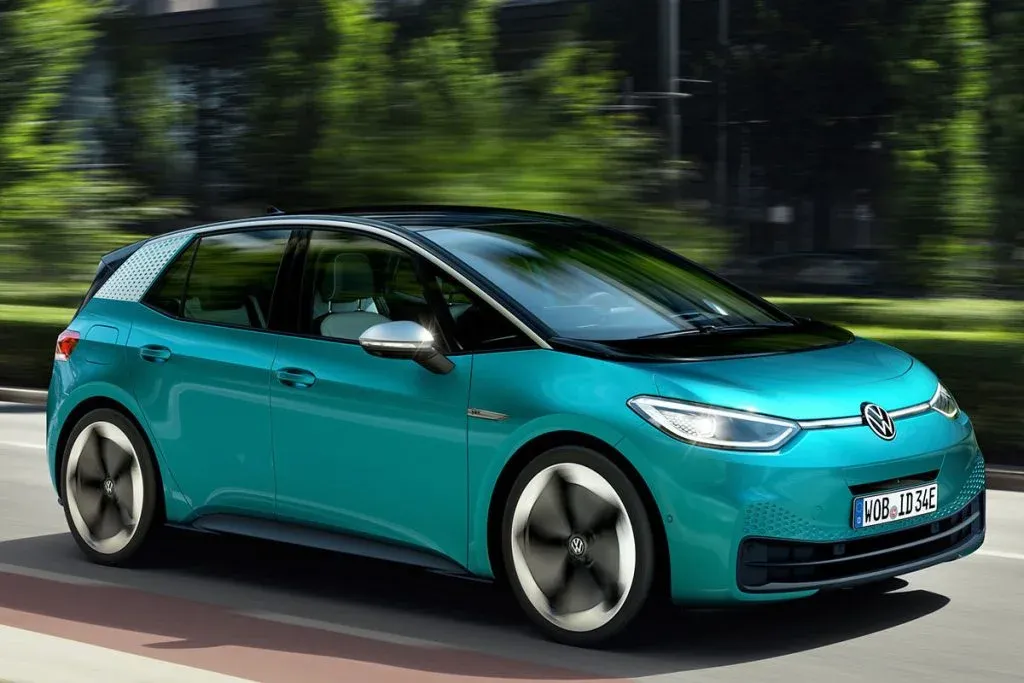
Volkswagen has revealed the ID. Cross, a small electric SUV aimed at buyers who want a more affordable route into the brand’s EV lineup. In Germany, the new model is set to start at €28,000, positioning it below Volkswagen’s larger electric SUVs and making it the company’s cheapest electric crossover so far.
The ID. Cross is expected to arrive as a 2026 model and will compete in one of Europe’s most important growth areas: compact, city-friendly SUVs with fully electric drivetrains. Its claimed maximum range is listed at around 271 miles with the optional battery in one figure, while another market reference points to 278 miles. That difference is small enough to likely reflect market-specific testing, rounding, or trim-related reporting, but buyers should treat the final homologated range as dependent on battery size, wheel choice, equipment and local test cycle.
A smaller EV SUV with mainstream ambitions
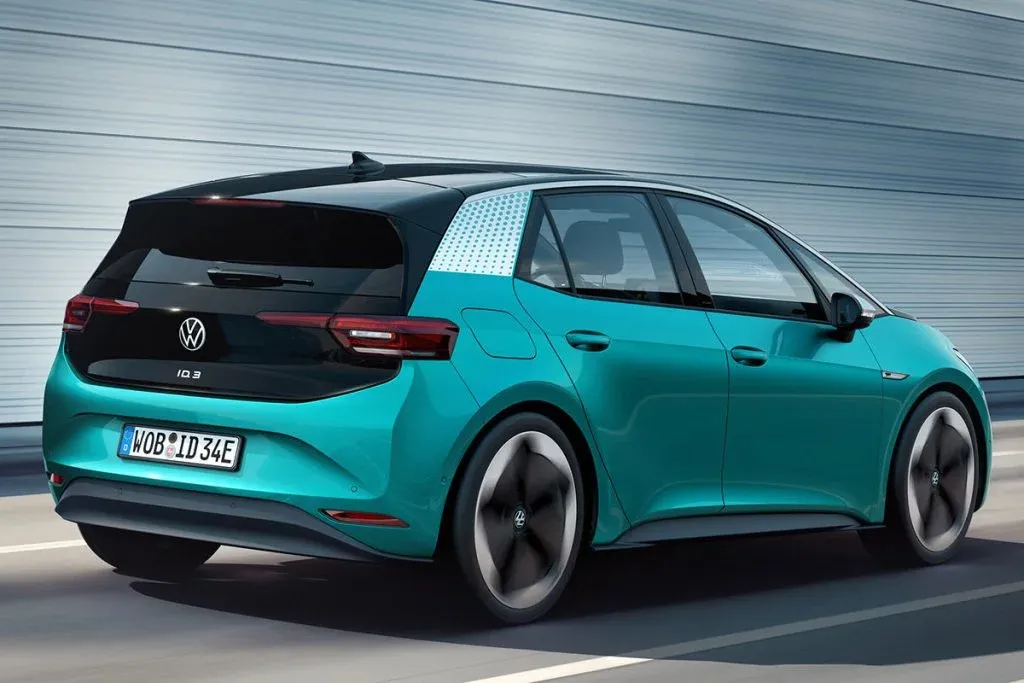
The ID. Cross matters because Volkswagen is pushing beyond early adopters and into a price band where more households begin to consider an EV as a primary car. A €28,000 starting price in Germany does not make it a bargain in the traditional small-car sense, but it is an important step down compared with many electric SUVs that have launched at higher price points.
For buyers, the key point is not just that Volkswagen has another EV. It is that the company is trying to package electric driving in the body style people are already buying: a small SUV. Across Europe, compact crossovers have become the default family, commuter and urban runabout choice, replacing many conventional hatchbacks and small MPVs. If EV adoption is to move further into the mainstream, models like the ID. Cross will play a bigger role than expensive long-range flagships.
The car also gives Volkswagen a direct answer to new and upcoming compact electric rivals, including retro-inspired and value-focused small SUVs. The ID. Cross is expected to sit in a segment where price, monthly finance cost, range, boot space and charging convenience matter more than headline acceleration figures.
Price: €28,000 in Germany, with UK positioning still market-specific
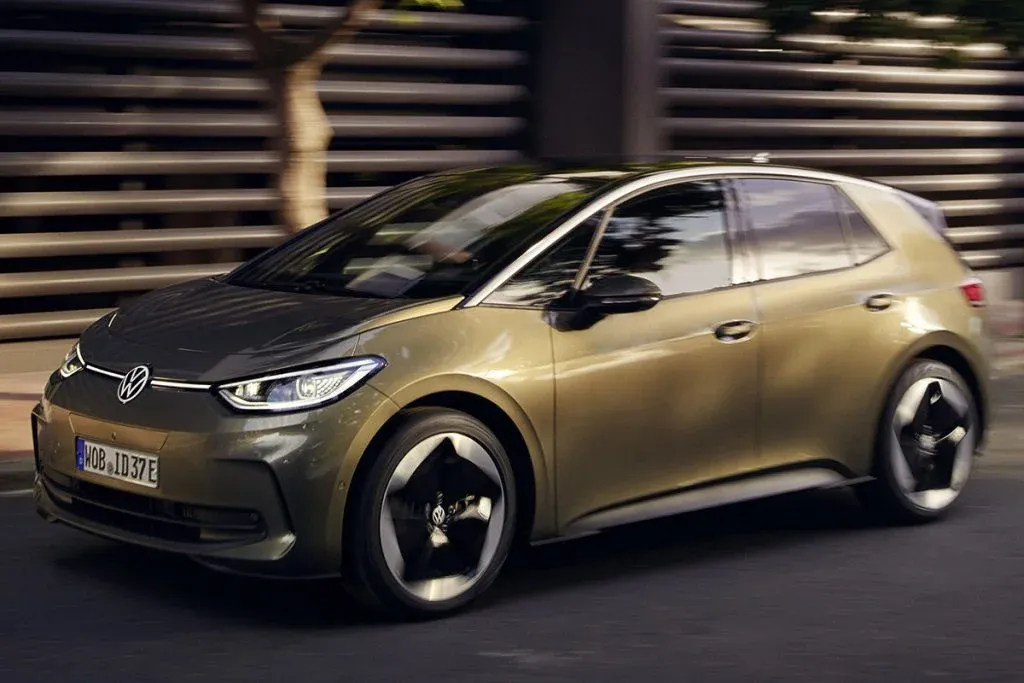
The confirmed German starting point of €28,000 gives the ID. Cross a clear place in Volkswagen’s EV range. It also signals that the brand sees affordability as a competitive requirement, not just a marketing theme.
There is also an indicated UK figure around £28,000, though pricing can vary significantly between markets because of taxes, incentives, standard equipment and trim structure. Buyers should not assume a direct currency conversion from the German price. Local specifications may include different wheels, infotainment packages, driver-assistance systems or battery options, all of which can alter the effective entry cost.
That distinction matters. A low advertised base price can help a car qualify for government incentives or company-car programs in some countries, but the version most buyers actually choose may cost more if the longer-range battery or desirable comfort features are optional. The ID. Cross will need to remain competitive not only at entry level, but also in the mid-spec versions likely to make up most private and fleet sales.
Range: useful on paper, but final details matter
The most relevant range figure currently associated with the ID. Cross is up to roughly 271 to 278 miles, depending on the market reference and battery specification. For a small electric SUV, that is a practical target. It suggests the car should be able to handle daily commuting, school runs and regional trips without constant charging stops, provided real-world efficiency is strong.
As always with EVs, claimed range is not the same as winter motorway range. Cold weather, high speeds, roof boxes, heavy loads and larger wheels can reduce driving distance between charges. Buyers considering the ID. Cross as their only car should wait for confirmed battery capacities, charging speeds and independent road-test efficiency before deciding whether the smaller or optional battery is the better fit.
Still, the headline figure is meaningful. Many consumers who were hesitant about early small EVs did so because of limited range and high prices. If Volkswagen can deliver close to this range in a compact SUV at a mainstream price, it could make the ownership calculation easier for households with home charging or reliable access to workplace charging.
Why this is important for Volkswagen
The ID. Cross arrives at a critical moment for Volkswagen’s electric strategy. The brand has already invested heavily in the ID family, but the broader EV market has become more price-sensitive. Competition from European, Korean and Chinese brands has intensified, and buyers are comparing EVs less as futuristic technology and more as ordinary cars with running-cost advantages and practical compromises.
That shift puts pressure on established automakers. Build quality, dealer support and brand familiarity still matter, but they no longer guarantee a sale if the price is too high or the range is uncompetitive. A smaller, cheaper electric SUV gives Volkswagen a better chance of attracting buyers who like the idea of an EV but have not found the right combination of size, cost and usability.
The ID. Cross also helps fill an important gap below larger models. Not every buyer wants or needs a big electric SUV, and in many European cities, compact dimensions are a real advantage. Parking, narrow streets and insurance costs all influence purchasing decisions. A smaller EV with SUV styling may be the right compromise for drivers moving out of a petrol hatchback or compact crossover.
What buyers should watch next
Several details still need close attention before the ID. Cross reaches showrooms. Final battery options will determine how attractive the base model is compared with the longer-range version. Charging speed will be just as important as range for drivers without home charging or those who regularly travel long distances. Interior space and boot capacity will decide whether the ID. Cross works as a genuine small-family car or primarily as an urban crossover.
Equipment levels will also matter. Safety technology, infotainment usability, heat-pump availability and driver-assistance features can all affect ownership satisfaction. Volkswagen’s recent EVs have faced close scrutiny over software and interface design, so the ID. Cross will need to feel straightforward as well as affordable.
Residual values and finance terms could be equally important. Many EVs are bought or leased based on monthly cost rather than list price. If Volkswagen can combine the €28,000 starting point with competitive finance, warranty cover and accessible servicing, the ID. Cross could become one of the more significant new EVs in the small SUV class.
The bottom line
The Volkswagen ID. Cross is not simply another addition to the growing electric SUV crowd. Its significance comes from its positioning: a compact EV crossover from a major mainstream brand, priced from €28,000 in Germany and offering a claimed range of up to around 271–278 miles in its longer-range form.
For car buyers, it promises a more attainable electric SUV with familiar Volkswagen branding. For the industry, it shows how quickly the EV battle is moving toward smaller, cheaper and more practical models. The final verdict will depend on specification, charging performance and real-world pricing, but the ID. Cross is clearly designed to meet the part of the market where electric cars need to win next.