Volkswagen Reportedly Cancels €1.5 Billion Autonomous-Driving Project
Volkswagen’s reported decision to halt a major self-driving program signals a more cautious phase for autonomy spending as the automaker works through profit pressure, slower sales, and cost cuts.
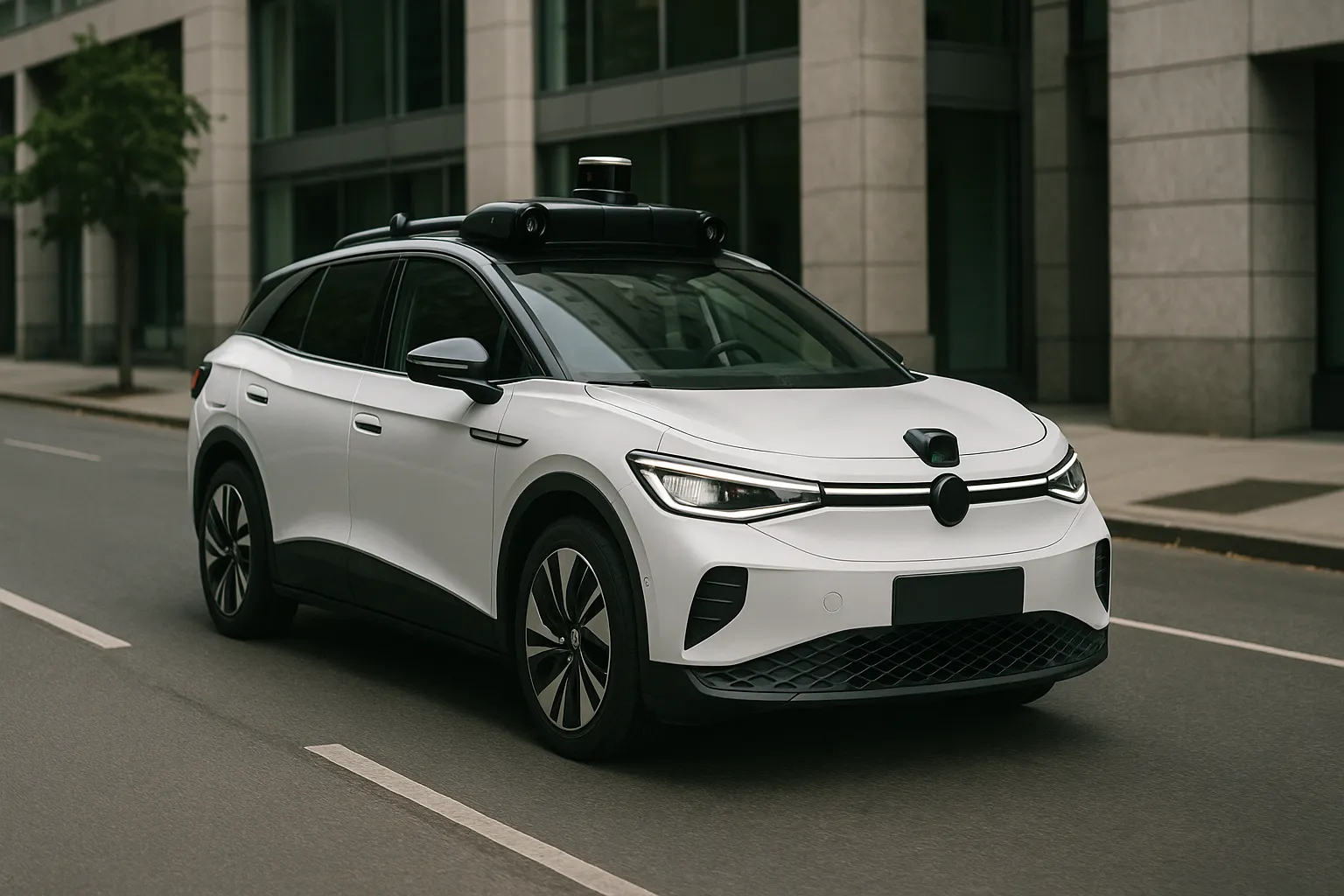
Volkswagen has reportedly canceled a €1.5 billion autonomous-driving project, a major retrenchment that reflects a broader shift in how automakers are approaching self-driving technology. The reported decision has not been framed as an end to Volkswagen’s work on driver assistance or vehicle software. Instead, it points to a more selective, cost-conscious strategy at a time when the company is under pressure to protect margins, defend market share, and fund the expensive transition to electric and software-defined vehicles.
The exact scope of the canceled program remains unclear, and Volkswagen has not publicly laid out a full replacement plan. That uncertainty matters. Autonomous-driving projects can cover a wide range of activities, from research and simulation to high-definition mapping, sensor development, robotaxi pilots, highway automation, and production-ready driver-assistance systems. Canceling one large project does not necessarily mean abandoning all automation work. It does, however, suggest that one of Volkswagen’s more ambitious or costly autonomy efforts no longer fits the company’s near-term priorities.
Why Volkswagen is rethinking autonomy spending
Self-driving development has proved far more expensive and slower to commercialize than the auto industry once expected. A decade ago, many automakers and technology companies predicted rapid progress toward vehicles that could handle most driving tasks without human supervision. The reality has been more complicated. The technical challenge is enormous, regulations vary by market, liability questions remain difficult, and consumer trust has to be earned gradually.
For Volkswagen, those challenges arrive alongside more immediate business problems. The company remains Europe’s largest automaker, but it has been dealing with falling profitability, softer sales momentum in key regions, and pressure from both established competitors and newer EV-focused brands. Cost-cutting has already become a central part of the company’s strategy, including workforce reductions and tighter controls on spending.
Against that backdrop, a €1.5 billion autonomy program is a significant target. Autonomous driving requires long development cycles and heavy investment before meaningful revenue appears. Engineers need vast amounts of data, validation mileage, computing resources, sensor hardware, safety testing, and regulatory approval. Even after that, the business case can be uncertain if customers are unwilling to pay enough for the finished feature or if the technology is limited to certain roads, speeds, or weather conditions.
What this means for car buyers
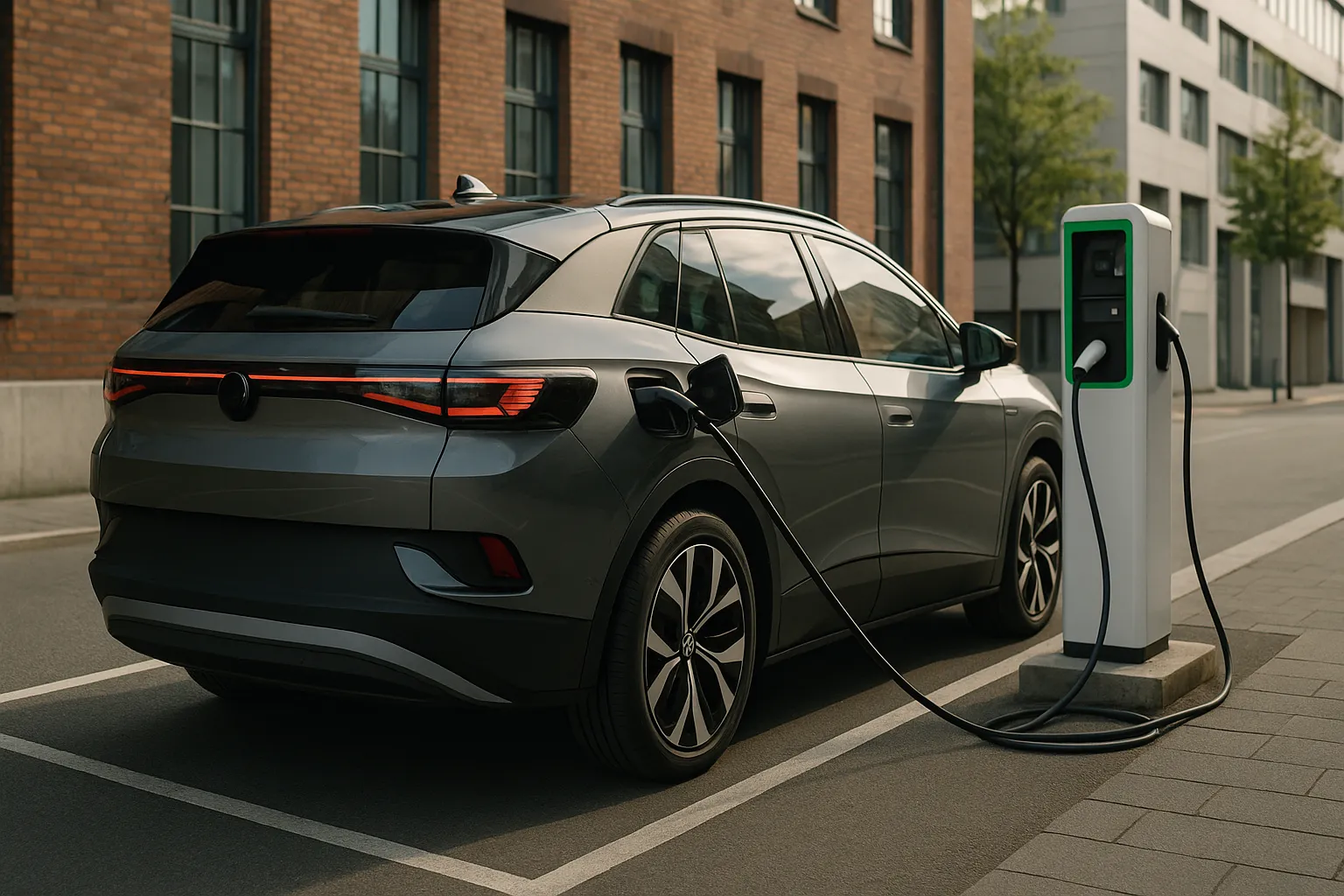
For shoppers, the key takeaway is that advanced self-driving features in mainstream vehicles may continue to arrive more slowly than earlier marketing and concept cars implied. Buyers considering a Volkswagen should judge the car on the driver-assistance technology it offers today, not on the expectation that a future update will transform it into a highly automated vehicle.
Features such as adaptive cruise control, lane centering, blind-spot monitoring, parking assistance, and traffic-jam support are still important and widely relevant. These systems can reduce fatigue and improve convenience when used correctly. But they are not the same as full autonomy. Most require constant driver supervision, and the human behind the wheel remains responsible for the vehicle.
The reported cancellation reinforces a practical rule for buyers across the industry: purchase a car for its current capabilities. Over-the-air updates can improve software, but major autonomy upgrades are not guaranteed, especially when automakers are reworking budgets and development plans.
What owners should expect
Existing Volkswagen owners should not assume that current driver-assistance features will disappear because of this report. Production vehicles are supported through normal warranty, service, and software processes, and safety-related systems remain subject to regulation and recall obligations. The more realistic implication is that future leaps in automated driving may be less aggressive or arrive later than once expected.
Owners who have been hoping for major software upgrades should also keep expectations measured. Automakers increasingly talk about vehicles as upgradeable digital platforms, but advanced automation is not like adding a new infotainment theme. It involves sensors, processors, braking and steering redundancy, safety validation, legal approval, and a clear operating domain. If a vehicle was not engineered from the start for a higher level of automation, software alone may not be enough.
A wider industry reset
Volkswagen is not alone in reassessing autonomy investments. Across the industry, many companies have moved away from broad promises of general self-driving capability and toward narrower, more achievable use cases. These include hands-free highway driving, automated parking, commercial shuttles, logistics routes, and geofenced robotaxi services in carefully mapped areas.
That does not mean autonomy is dead. It means the business is maturing. Automakers are learning that the path from advanced driver assistance to true self-driving is not a straight line. A system that performs well on a divided highway in clear weather is very different from one that can safely navigate dense urban traffic, construction zones, cyclists, emergency vehicles, snow, and unusual human behavior.
The companies most likely to make progress are those that can pair technical capability with a realistic commercial model. Premium brands may be able to charge for limited hands-free highway systems. Fleet operators may benefit from automation in predictable routes. Mass-market automakers have a harder calculation because the added cost must fit vehicles sold at much higher volume and lower margins.
The EV and software connection
The reported cancellation also highlights how closely autonomy is tied to the EV transition. Modern electric vehicles are increasingly built around centralized computing, software platforms, connected services, and advanced sensors. The same budgets that fund battery development, new EV architectures, infotainment systems, and charging technology often compete with autonomy research.
Volkswagen has to decide where each euro has the strongest return. Improving EV affordability, range, charging performance, cabin software, reliability, and manufacturing efficiency may matter more to near-term buyers than promising a distant self-driving breakthrough. In markets where Volkswagen faces intense EV competition, especially from fast-moving brands with strong software reputations, spending discipline can be as important as technological ambition.
The risk is that cutting too deeply could leave Volkswagen behind if autonomy becomes a major competitive differentiator later. Talent, data, and software expertise are difficult to rebuild once dispersed. The potential benefit is that a leaner strategy could focus resources on features customers will actually use and pay for in the next product cycle.
Why the reported move matters
This is not just an internal budget story. It is a signal that one of the world’s biggest automakers is treating autonomy with more caution. For enthusiasts, it tempers expectations around the self-driving future. For buyers, it underscores the importance of evaluating real-world driver-assistance performance rather than broad autonomy claims. For the industry, it shows that expensive moonshot programs are being measured against near-term profitability and product execution.
Volkswagen still needs strong software, better EVs, and competitive driver-assistance systems. The reported end of a €1.5 billion autonomous-driving project suggests the company may pursue those goals with fewer grand bets and more emphasis on disciplined, production-focused technology. That may be less dramatic than the self-driving promises of the past decade, but it could be more relevant to the cars customers will actually buy in the next few years.