Volkswagen Weighs Bringing China-Developed Models to Europe
Volkswagen is evaluating whether cars engineered by its Chinese operations could fill gaps in its European lineup, potentially giving buyers more choice while the brand cuts complexity and development costs.
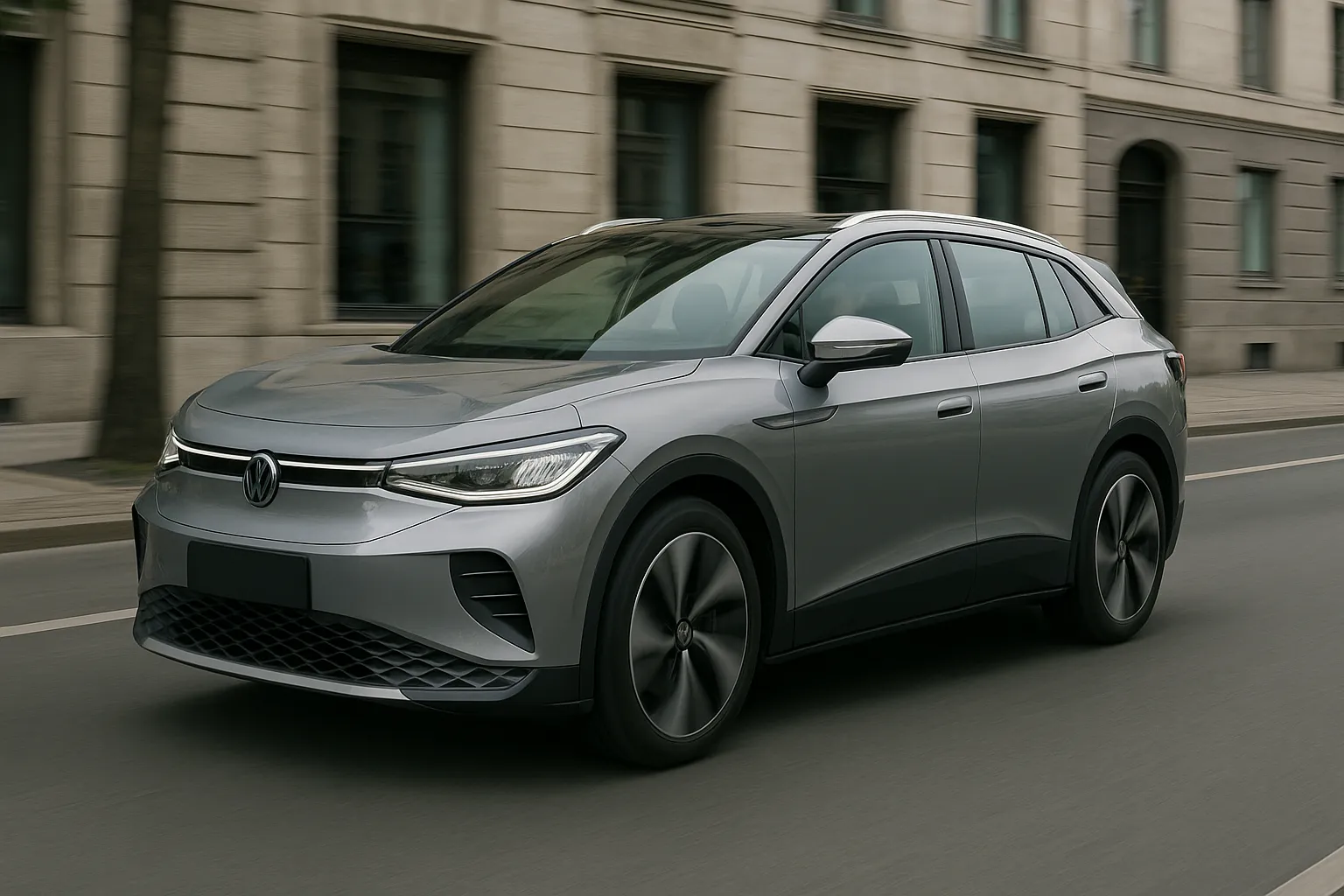
Volkswagen is considering a significant shift in how it builds its European model range: using vehicles developed by its Chinese operation to fill gaps on the continent.
The idea is not yet a confirmed product program. No launch date, model names, pricing, or final production locations have been announced. But the direction is clear enough to matter. Volkswagen is studying whether cars created under its China-focused development structure could be sold beyond China, including in Europe, as the company restructures to reduce cost, complexity and duplication across its global business.
The proposal would represent a reversal of the traditional flow of influence inside European carmakers. For decades, Volkswagen’s engineering center of gravity sat firmly in Europe, with China acting as a vast sales and manufacturing market. Now, as Chinese buyers demand rapid product cycles, advanced cabin technology and competitive electric vehicles, Volkswagen’s China operations are becoming a potential source of exportable models.
What Volkswagen is considering
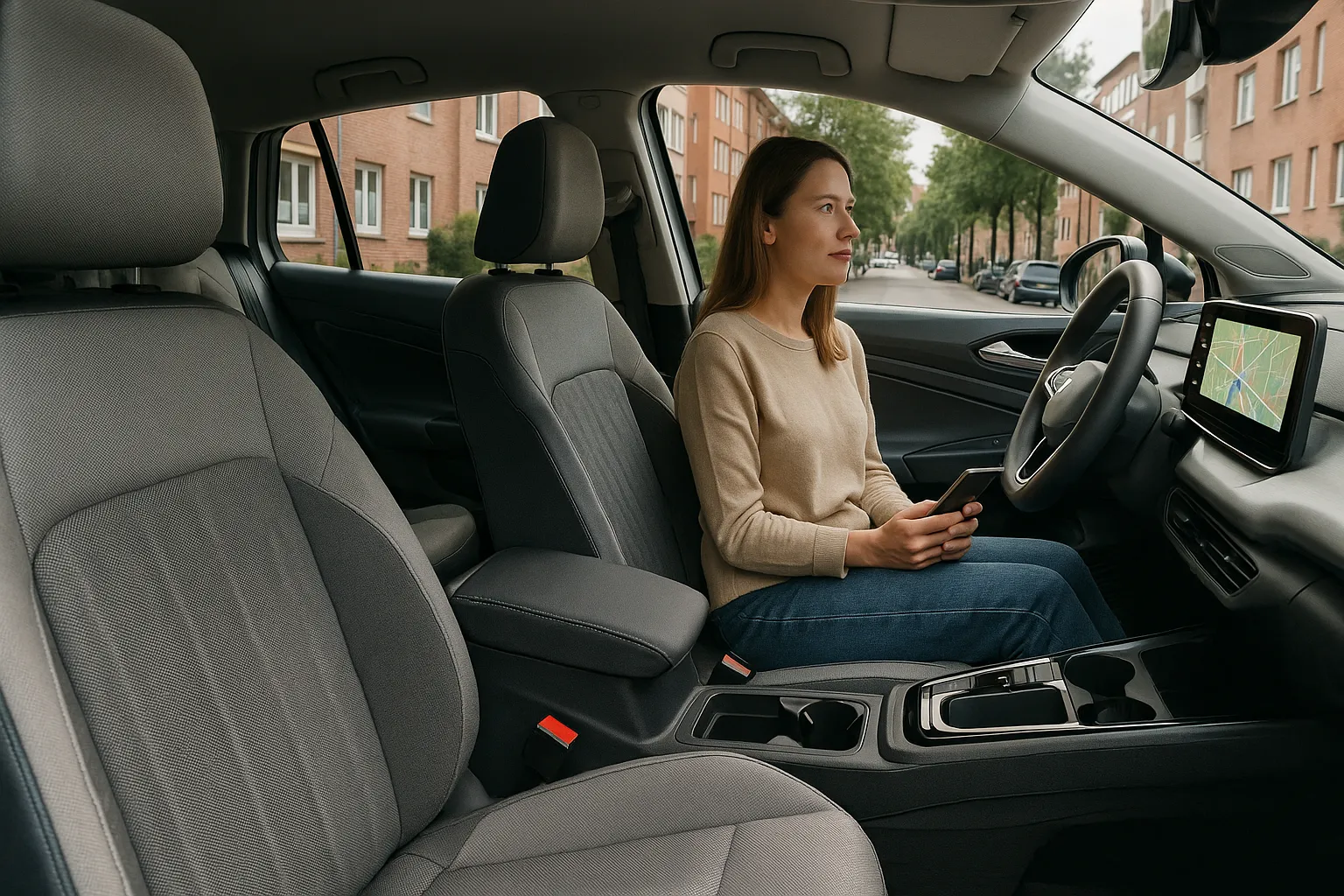
Volkswagen’s Chinese business has been developing models tailored to one of the world’s most competitive car markets. The company has described its China strategy around local engineering, local decision-making and faster response times. The next step being explored is whether some of those vehicles can serve other regions too.
Europe is part of that discussion, but with an important caveat: Volkswagen does not want China-developed cars to directly replace or undermine vehicles already designed and built for European customers. The company’s position is that any such models would be used in segments where its European lineup lacks coverage, rather than overlapping with established products.
That distinction matters. A China-developed Volkswagen arriving in Europe would not necessarily mean the brand is abandoning its European engineering base. Instead, it could mean Volkswagen is becoming more selective about where it spends development money. If a vehicle already exists within the group’s Chinese pipeline and fits a market gap elsewhere, adapting it could be cheaper and quicker than starting from a blank sheet in Germany.
Why this matters now
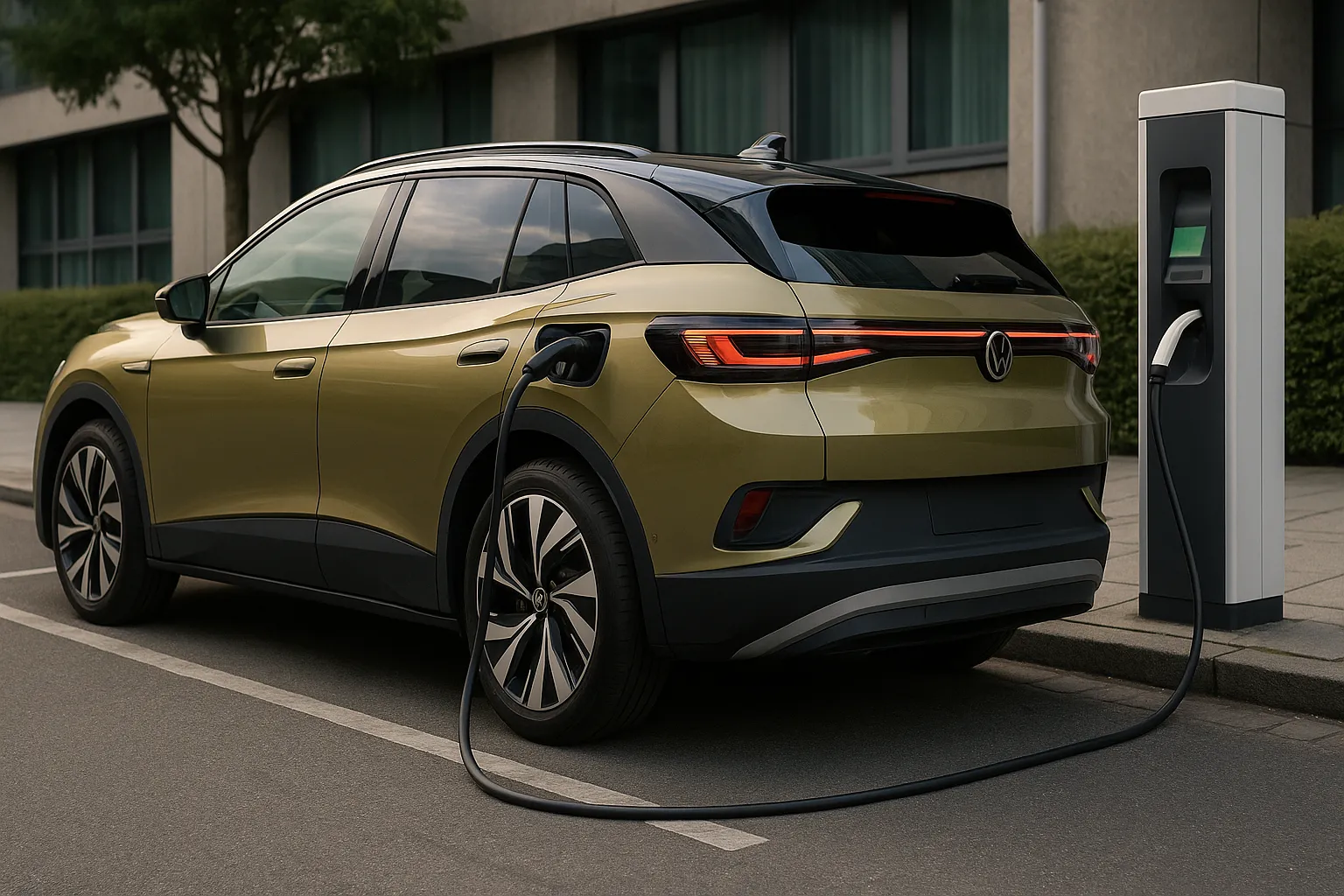
Volkswagen is under pressure from several directions at once. In Europe, the brand needs to keep funding electric vehicles, software development, combustion-to-electric transition costs and increasingly strict emissions compliance. In China, it faces intense competition from domestic brands that move quickly and often undercut legacy manufacturers on price and technology.
At the same time, Chinese automakers are expanding into Europe with electric SUVs, hatchbacks and sedans that often arrive with generous equipment lists, long warranties and aggressive pricing. Volkswagen is effectively asking whether its own Chinese-developed products can take advantage of some of the same speed and cost benefits.
The company is also trying to simplify its product structure. Large global automakers often spend heavily developing different cars for different regions, even when customer needs overlap. Using China-developed models outside China could reduce duplication, especially in niches where European development would be hard to justify on volume alone.
What kinds of cars could be involved?
Volkswagen has not identified any specific models for Europe. That makes it too early to say whether the plan would involve small EVs, family SUVs, sedans, MPVs, plug-in hybrids or other body styles.
The most likely candidates would be vehicles that do not clash with Volkswagen’s core European range. That could mean cars in segments where the brand has no current offering, models with China-led digital features, or vehicles designed around cost structures that are difficult to achieve with a Europe-only program. Any car sold in Europe would still need to meet local safety, emissions, cybersecurity and type-approval rules.
There is also an open question around manufacturing. The cars could, in theory, be exported from China, but Volkswagen is also examining whether local production in Europe could make sense for some models. Building in Europe could help with logistics, exchange-rate exposure, political pressure and potential trade measures, particularly for electric vehicles imported from China.
Buyers could gain choice, but details will decide value
For European car buyers, the potential upside is straightforward: more models, possibly arriving more quickly, with competitive technology and pricing. China’s car market has pushed manufacturers to move fast on large screens, connected services, driver-assistance features, EV efficiency and in-car software. If Volkswagen can bring some of that development pace to Europe, customers may benefit.
But the value equation is not guaranteed. A China-developed Volkswagen would still need to be priced against rivals from Hyundai, Kia, Renault, Peugeot, Toyota, Tesla, BYD, MG and others. Import duties, shipping costs, battery sourcing rules, currency movements and European homologation work could all affect the final sticker price.
Buyers should also look beyond the launch headline. Questions around parts availability, software support, battery warranty terms, repair procedures and long-term resale values will be important if these cars reach showrooms. A Volkswagen badge brings a familiar dealer network, but a model engineered on a different development path may still require clear owner support from day one.
Enthusiasts may see a different kind of Volkswagen
For enthusiasts, the move could be another sign that Volkswagen is becoming less regionally defined. The brand’s classic European identity was built on cars such as the Golf, Polo, Passat and Transporter. A future lineup supplemented by China-developed models would reflect a more global, modular approach to product planning.
That does not automatically make the cars less relevant. Some China-market vehicles are built around high-tech interiors, passenger comfort and EV packaging rather than the traditional European priorities of compact dimensions, restrained cabins and high-speed road manners. If adapted well, they could bring useful variety. If adapted poorly, they could feel out of step with European driving expectations.
The key will be calibration. Steering, suspension, braking feel, driver-assistance behavior, infotainment logic and charging performance all shape whether a car feels right in Europe. Volkswagen’s challenge would be to keep the advantages of fast Chinese development while tuning the final product for European roads and customer expectations.
A sign of a changing industry
This potential strategy says as much about the wider industry as it does about Volkswagen. China is no longer just a manufacturing base or a growth market for Western brands. It is now one of the places where new vehicle concepts, battery-electric platforms, software features and interior technology are being developed at high speed.
European automakers once exported products and know-how outward. Increasingly, they are learning to move ideas in the other direction too. Volkswagen’s willingness to consider China-developed models for Europe shows how much the competitive balance has changed.
For now, this remains an evaluation rather than a confirmed launch plan. The company still has to decide which vehicles, if any, make sense for Europe, whether they should be imported or locally built, and how they would sit alongside Volkswagen’s existing models. If the plan moves forward, it could give buyers more choice and help Volkswagen cover more segments without adding unnecessary development burden.
The important point is not simply that a European brand may sell China-developed cars in Europe. It is that global car development is becoming less predictable, and the next Volkswagen in a European showroom may owe as much to Shanghai as to Wolfsburg.