Volvo EX50 Planned for 2027 as EX30 Leaves the Lineup
Volvo is preparing a new EX50 electric SUV for fall 2027, following the EX30’s planned departure after the 2026 model year and leaving the EX40 as the brand’s temporary entry EV.
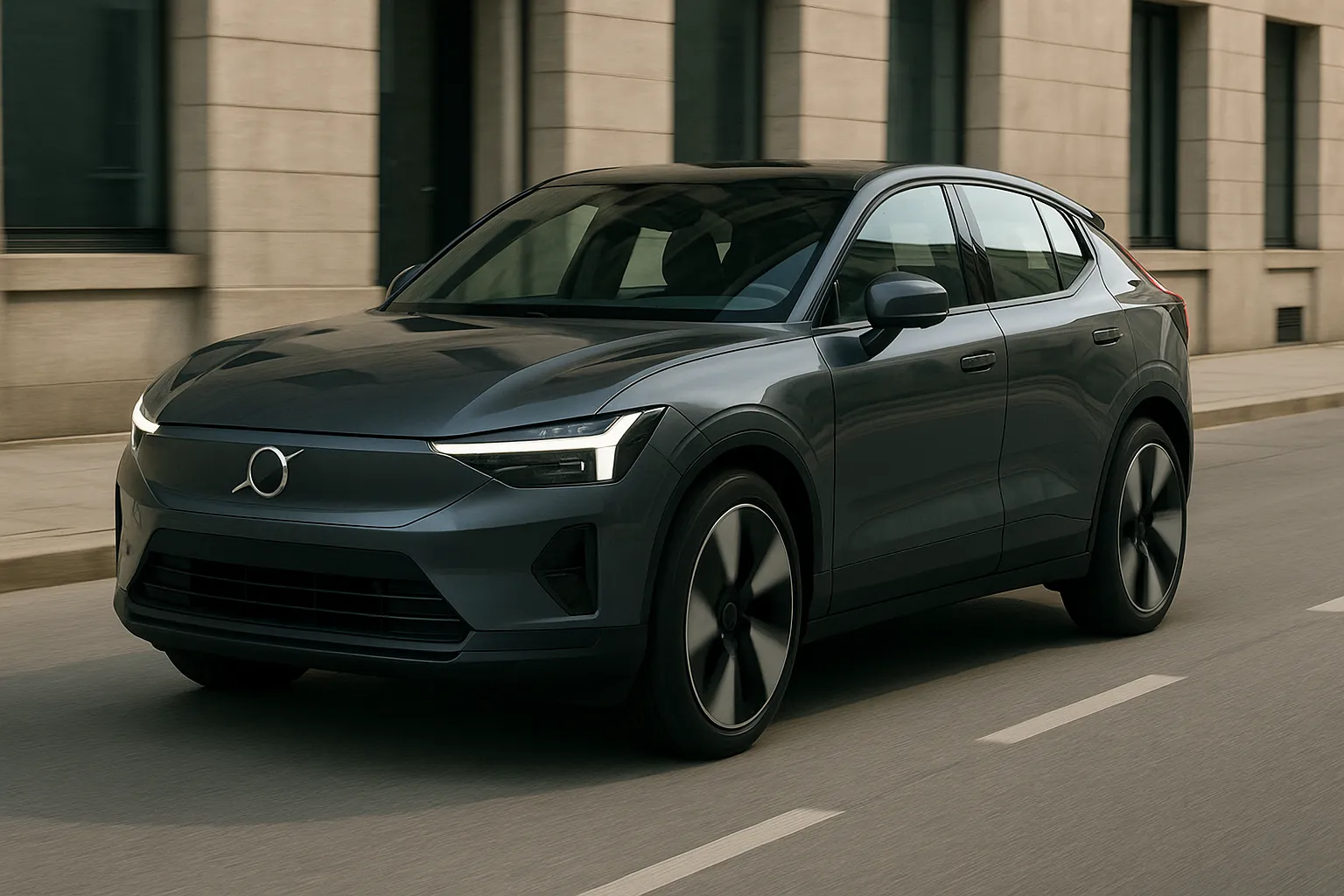
Volvo’s electric SUV lineup is headed for a notable reshuffle. The compact EX30 is set to leave production after the 2026 model year, and Volvo is preparing a new EX50 electric SUV for introduction in fall 2027. That timing creates a short-term gap at the lower end of the brand’s EV range, with the EX40 expected to serve as Volvo’s least expensive fully electric model until the EX50 arrives.
The move matters because the affordable end of the EV market is becoming one of the industry’s most important battlegrounds. Buyers who might stretch for a premium badge still want realistic pricing, useful range, manageable charging costs, and SUV practicality. Volvo has been using the EX30 to reach those shoppers with a smaller, lower-cost electric crossover. Once that model exits, the company will need a replacement that can compete not just on design and safety reputation, but also on value.
What changes in Volvo’s EV lineup

The EX30’s planned departure after the 2026 model year removes Volvo’s smallest and most accessible electric SUV from the showroom. In the interim, the EX40 becomes the entry point for buyers who want a fully electric Volvo.
That is a meaningful change. The EX40, previously known in earlier form as the XC40 Recharge before Volvo’s EV naming shift, is a more established model and sits higher in the lineup than the EX30. It gives Volvo a credible electric crossover, but it does not play the same role as a smaller entry EV aimed at first-time electric buyers or urban households looking for a premium compact SUV.
The EX50 is expected to address that space when it arrives in fall 2027. Volvo has not released full public details such as battery size, range, dimensions, trim structure, charging speeds, or pricing. The name suggests it could occupy a position between the EX40 and larger electric SUVs, though final market positioning remains unconfirmed. What is clear is that Volvo sees a need for another electric SUV below its more expensive models.
Why the EX50 matters for buyers

For shoppers, the key issue is timing. Anyone considering an EX30 near the end of its run will need to weigh the benefits of buying a smaller Volvo EV now against the possibility of waiting for the EX50. The EX30 may appeal to buyers who want the lowest possible point of entry into Volvo’s electric lineup, but a discontinued model can affect future availability, trim choice, resale expectations, and accessory support.
That does not mean existing or future EX30 owners should expect to be abandoned. Automakers are required to support vehicles with warranty service and replacement parts, and Volvo has a strong interest in keeping EV customers satisfied. Still, when a model ends quickly or changes direction, buyers often think harder about depreciation, software updates, and how long the vehicle will feel current.
For those who prefer a larger, more familiar crossover, the EX40 may be the safer short-term option. It is older, but it also sits in a more conventional compact SUV space. The tradeoff is that it is unlikely to match the EX30’s role as Volvo’s most affordable EV.
The sub-$50,000 EV challenge
Volvo’s product decision lands at a time when the under-$50,000 electric SUV segment is growing more competitive. Mainstream brands are pushing harder into practical electric crossovers, and premium brands are under pressure to offer smaller EVs that do not feel like stripped-down compliance cars.
That pressure is especially important in the United States, where EV adoption is uneven and buyers remain sensitive to purchase price, charging access, incentives, insurance costs, and resale values. A premium compact EV cannot rely on badge appeal alone. It needs enough range for highway use, charging that fits real road trips, software that feels polished, and cabin space that does not ask too many compromises.
The EX30 helped Volvo establish a presence in that conversation. The planned EX50 will likely need to do more than simply replace it. By 2027, shoppers will have even more choices, and expectations for battery performance, driver-assistance systems, charging speed, and infotainment reliability will be higher than they are today.
A naming and product strategy reset
Volvo’s current electric naming structure is built around the “EX” prefix for battery-electric SUVs. The EX30 sits at the small end, the EX40 covers the compact crossover space, and the EX90 serves as the large three-row electric SUV. An EX50 would expand that ladder, though the exact relationship between EX40 and EX50 is not yet fully defined.
That creates an interesting strategic question. If the EX50 is larger or more upscale than the EX30, Volvo may be moving away from the smallest EV category and toward a slightly more profitable size class. If it is priced aggressively, it could still function as the brand’s affordable EV anchor. Without confirmed specifications or pricing, both possibilities remain open.
Automakers frequently adjust EV plans as battery costs, tariffs, production locations, incentive rules, and consumer demand shift. Volvo’s decision to let the EX30 exit after the 2026 model year and follow with the EX50 in 2027 reflects that broader uncertainty. The EV market is still developing quickly, and model cycles are not always following the traditional pattern used for gasoline vehicles.
What to watch next
The most important missing detail is price. If the EX50 lands comfortably below $50,000, it could give Volvo a stronger foothold with buyers who want a premium EV but are not ready to pay luxury-SUV money. If it moves too far upmarket, Volvo risks leaving more budget-conscious EV shoppers to mainstream rivals.
Range will be just as important. A compact electric SUV in 2027 will need enough usable range to feel easy to own, not merely acceptable on paper. Charging performance, battery preconditioning, software stability, and route planning will matter as much as the headline range figure.
Production location and market availability will also be worth watching. Those details can affect pricing, delivery timing, and eligibility for purchase incentives in certain markets. Volvo has not yet filled in those blanks for the EX50.
For now, the takeaway is simple: Volvo’s affordable EV lineup is entering a transition period. The EX30 will not remain the long-term entry point after the 2026 model year, the EX40 will temporarily carry that role, and the EX50 is planned to become the next major piece of Volvo’s electric SUV strategy in fall 2027.