Waymo Recalls Nearly 4,000 Robotaxis for Construction-Zone Software Fix
Waymo is recalling almost 4,000 autonomous vehicles after identifying a software issue that could allow robotaxis to enter freeway construction zones. The fix will be handled through software, underscoring how recalls are changing in the self-driving era.
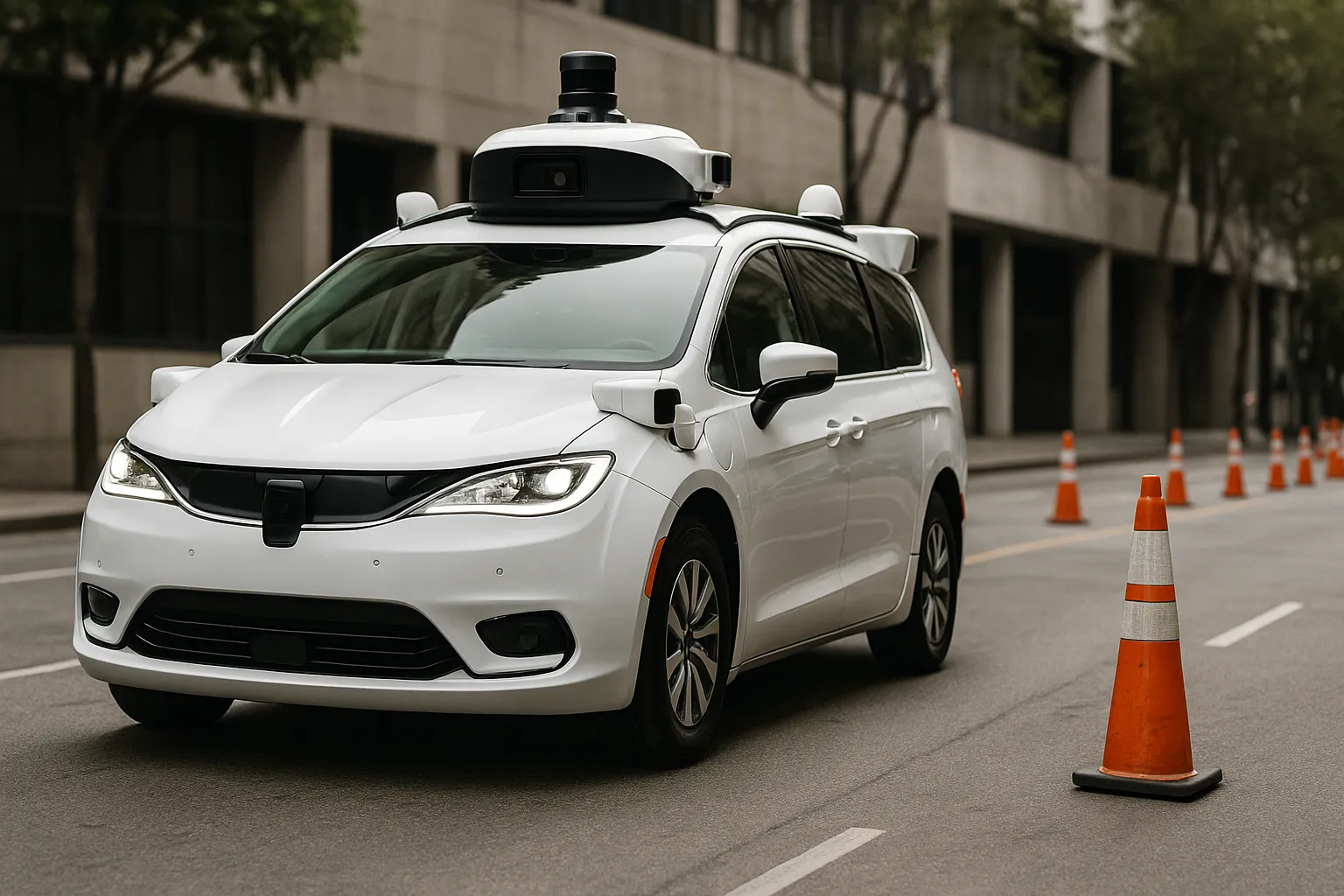
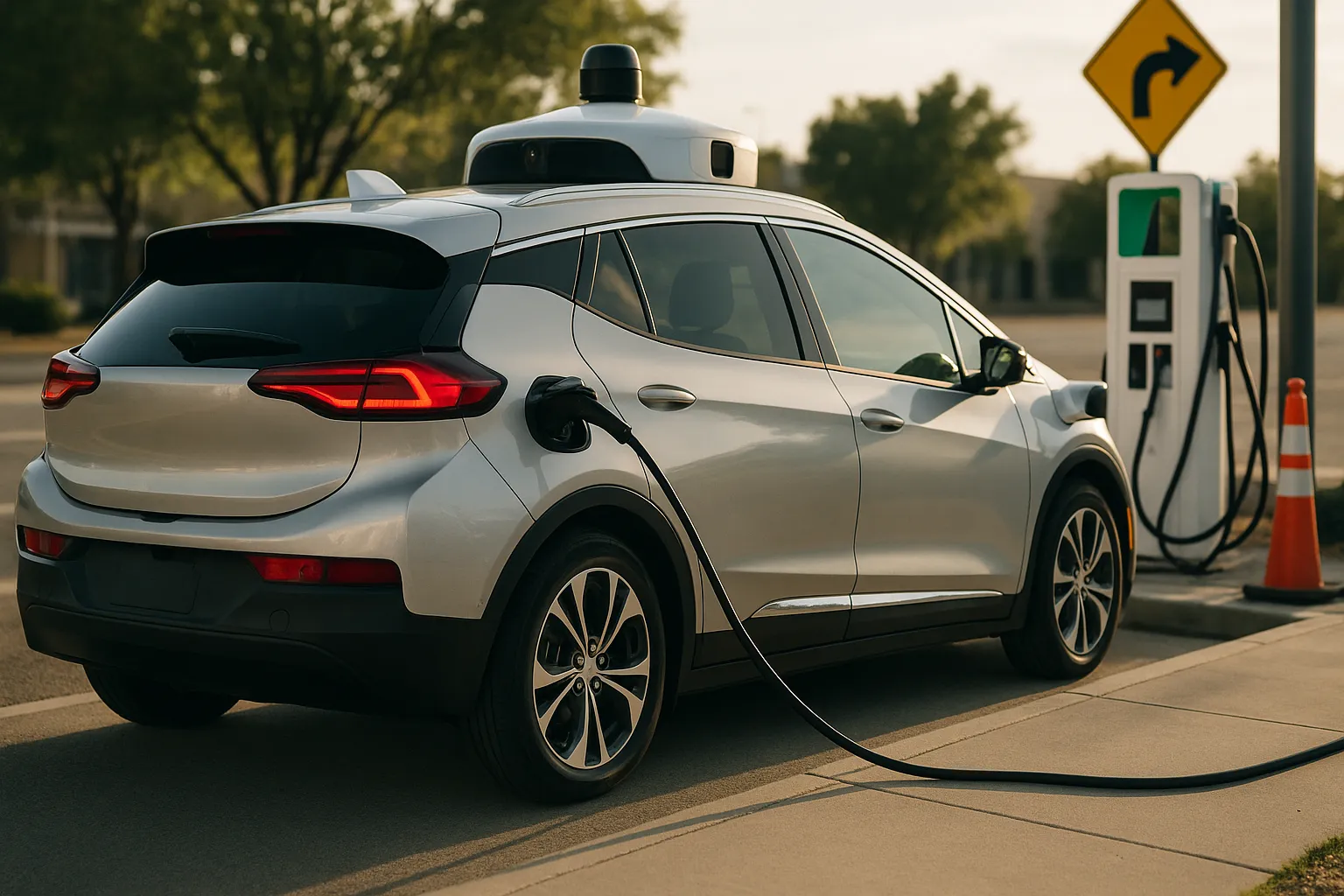
Waymo is recalling nearly 4,000 autonomous robotaxis to address a software problem linked to freeway construction zones, a reminder that self-driving vehicles can be recalled even when the repair does not involve a wrench, a lift, or a dealership service lane.
The campaign covers almost 4,000 vehicles in Waymo’s driverless fleet. The issue centers on software behavior that could allow a robotaxi to enter a freeway construction zone when it should not. Waymo plans to correct the problem with a software fix, rather than a traditional mechanical repair.
That distinction matters. As vehicles become more automated and more dependent on code, safety recalls increasingly look less like parts replacements and more like system patches. For Waymo, the recall is about reducing risk in one of the most complicated environments any automated vehicle can encounter: a road work zone.
What the recall addresses
The affected vehicles are part of Waymo’s robotaxi fleet, not privately owned cars sitting in customer driveways. That means the recall does not require individual owners to schedule repairs or wait for parts. Waymo controls the vehicles, the software stack, and the deployment process, giving it a more direct path to update the fleet.
The problem described in the recall involves the possibility that an autonomous vehicle could enter a freeway construction zone. Construction areas can include lane shifts, cones, barrels, temporary barriers, workers, closed shoulders, reduced speed limits, uneven lane markings, and unusual traffic patterns. Those conditions can change quickly and may not always match the permanent map or normal road layout.
For a human driver, a construction zone can be stressful and confusing. For an automated driving system, it is a difficult test of perception, prediction, mapping, and decision-making. The vehicle must recognize temporary signs and barriers, understand which lanes are open, avoid workers and equipment, and decide whether the situation is safe to continue through or requires a different route.
The recall indicates that Waymo identified a scenario in which its system might make the wrong call near freeway work zones. The remedy is a software update designed to change that behavior.
Why construction zones are difficult for robotaxis
Autonomous vehicles are often discussed as if the challenge is simply to “drive better than humans.” In reality, the hardest cases are often the edge cases: rare, temporary, poorly marked, or ambiguous situations that do not follow the usual rules of the road.
Construction zones are a classic example. A lane that was open yesterday may be closed today. Painted lane lines may be covered or contradicted by temporary markers. A construction worker may direct traffic by hand. Vehicles may have to merge abruptly, cross old lane markings, or follow a path that looks wrong compared with a normal freeway configuration.
Robotaxis rely on a combination of onboard sensors, software interpretation, high-definition mapping, and operational rules. The system must not only detect what is in front of the vehicle but also decide whether the road environment is within the conditions the autonomous system is designed to handle. When the software cannot confidently interpret a work zone, the safest response may be to avoid the area, stop in a controlled manner, request remote assistance, or reroute.
This recall suggests Waymo is tightening the system’s response to certain freeway construction-zone conditions. The exact software changes have not been publicly detailed in the summary information, so it is not clear whether the update changes detection thresholds, routing behavior, geofencing, decision logic, or some combination of those elements.
What changes for passengers
For people who use robotaxi services, the most immediate effect may be invisible. If the fix is applied through software, riders may not notice anything beyond possible routing changes around some construction zones or more conservative behavior near road work.
That is still important. A robotaxi passenger has no steering wheel, no brake pedal, and no ability to take over. The entire safety case depends on the vehicle recognizing when it can proceed and when it should not. A recall involving construction-zone handling goes directly to that trust.
The recall does not mean every affected vehicle is unsafe in all conditions, nor does it mean autonomous driving is broadly failing. It does show that companies deploying driverless vehicles must keep finding and correcting specific weaknesses after vehicles are already in service. That is not unique to autonomous vehicles; conventional cars are routinely recalled for software, electrical, braking, airbag, and powertrain issues. The difference is that a robotaxi’s software is also the driver.
Why this matters to car buyers
Most car buyers are not shopping for a Waymo robotaxi. But this recall is still relevant to anyone watching the future of vehicle technology.
New passenger vehicles already use advanced driver-assistance systems that can steer, brake, accelerate, park, maintain lanes, read some road signs, and respond to surrounding traffic. Those systems are not the same as a driverless robotaxi, but they rely on similar categories of technology: cameras, radar, lidar in some applications, maps, processors, and software logic.
As automation grows, buyers will need to think about vehicle safety in a new way. Traditional questions still matter: crash-test results, braking performance, visibility, reliability, and repair costs. But software support is becoming just as important. How quickly does a manufacturer fix problems? Are updates delivered over the air? Are owners notified clearly? Does the system have sensible limits, and does the company explain them?
The Waymo recall illustrates a future in which software defects can trigger safety campaigns at fleet scale. That can be a benefit if problems are fixed quickly across thousands of vehicles. It can also create new expectations for transparency, validation, and accountability.
A different kind of recall
In a conventional recall, the automaker identifies a defect, notifies owners, ships parts to dealers, and repairs vehicles one by one. That process can take months, especially when parts are scarce or customers delay service.
A robotaxi fleet is different. Waymo owns or controls the affected vehicles and can update them centrally. That can shorten the distance between identifying a defect and deploying a remedy. Fleet operation also gives the company direct access to vehicle data, which can help detect unusual behavior and verify whether a fix is working.
But central control does not eliminate the seriousness of a recall. Software updates can be complex, and changes to one driving behavior can affect others. Autonomous-vehicle developers must validate updates extensively before deploying them in public service. A conservative fix near construction zones may improve safety but could also alter trip times, routing, or service availability in areas with heavy road work.
Industry implications
The recall arrives as robotaxi companies face close scrutiny from regulators, city officials, safety advocates, and the public. Driverless vehicles operate in shared spaces with pedestrians, cyclists, emergency vehicles, road crews, and human drivers. Every software decision has public consequences.
For the industry, the lesson is not that autonomous vehicles must be perfect before deployment. No transportation system is perfect. The lesson is that companies must be able to identify narrow failure modes, explain the safety risk, and fix them promptly.
Construction zones will remain a major challenge because they are temporary by nature. Better mapping, stronger sensor fusion, improved communication with road agencies, and clearer standards for work-zone data could all help automated vehicles navigate these areas more safely. Over time, infrastructure may need to become more machine-readable, not just human-readable.
The bottom line
Waymo’s recall of nearly 4,000 robotaxis is a software-driven safety action focused on a specific road scenario: freeway construction zones. For passengers, the fix should happen behind the scenes. For the broader auto industry, it is another sign that recalls are evolving as vehicles become more automated and more connected.
For buyers and enthusiasts, the key takeaway is simple: the future of vehicle safety will be shaped not only by hardware, but by how well automakers and technology companies maintain, update, and limit the software that increasingly controls the driving experience.