Xiaomi Skynomad N70 and N90 Preview a New Luxury SUV Push
Xiaomi’s newly revealed Skynomad N70 and N90 SUVs take the Chinese tech giant into full-size luxury territory, with five- and seven-seat layouts aimed at high-end family buyers.
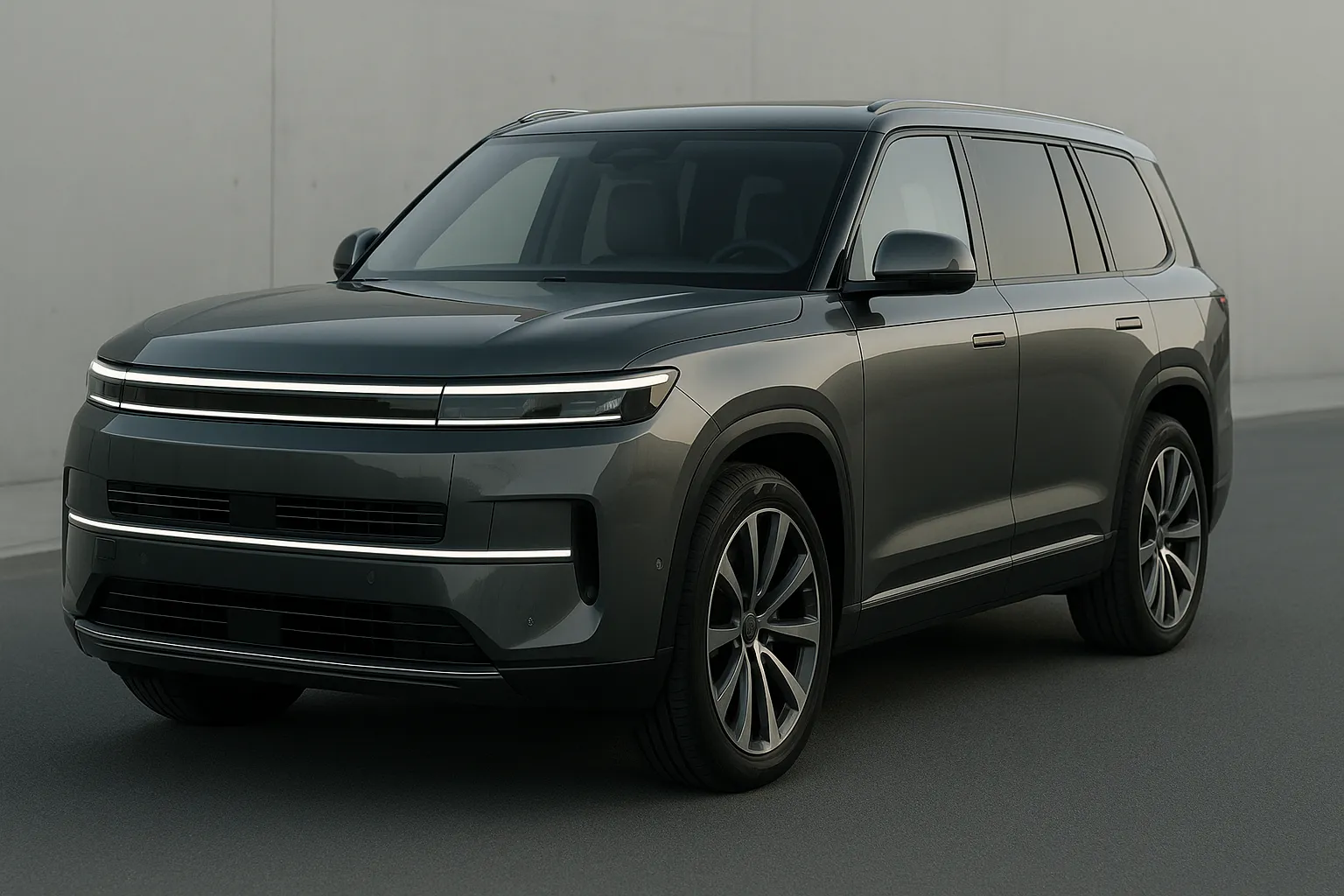
Xiaomi moves upmarket with the Skynomad SUVs
Xiaomi’s car division is expanding beyond sleek electric saloons and sporty crossovers with two large luxury SUVs: the Skynomad N70 and Skynomad N90. The reveal signals a more ambitious move into the premium family-car market, where size, cabin comfort and brand image matter as much as performance or battery range.
The two SUVs are closely related but aimed at slightly different buyers. The Skynomad N70 is the shorter model, measuring just under five metres long and using a five-seat layout. The Skynomad N90 stretches the same basic formula by around 300mm and adds a third row, giving Xiaomi a seven-seat flagship SUV for larger families or chauffeur-focused use.
That positioning puts the N70 and N90 in the same broad territory as established full-size luxury SUVs. Their footprint is comparable with vehicles such as the Range Rover, while the upright proportions and formal stance place them closer to the traditional luxury end of the SUV market than to the low-roof electric crossover trend.
A different kind of Xiaomi car
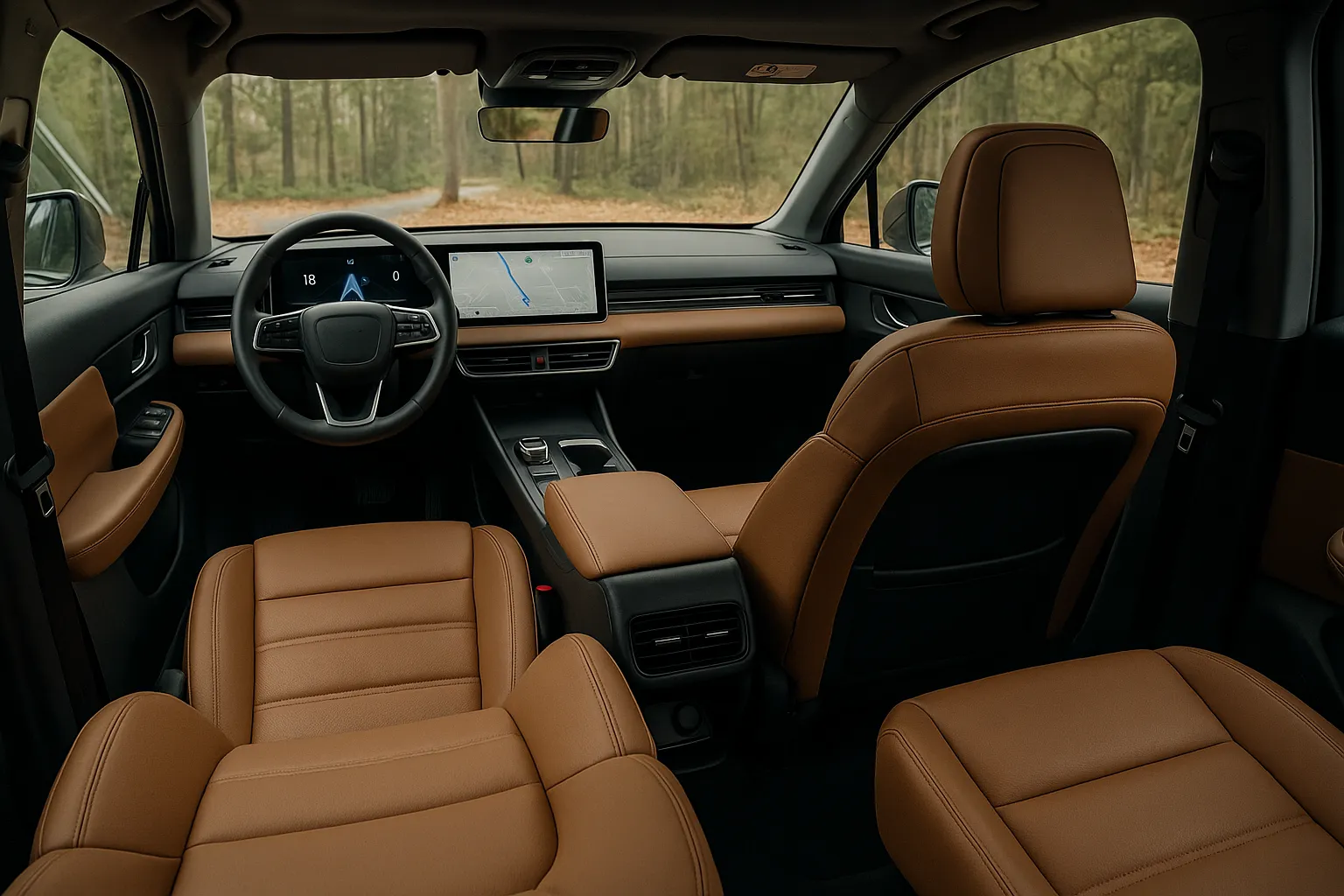
Xiaomi is best known globally as a consumer technology company, but its automotive arm has quickly built visibility with models such as the SU7 saloon and YU7 crossover. Those cars have leaned into performance, aerodynamics and a tech-forward identity. The Skynomad pair takes a different route.
Instead of chasing the look of a fastback performance EV, the N70 and N90 use a more imposing, square-shouldered design. The front end is tall and clean, with slim horizontal lighting elements that help link the SUVs visually to Xiaomi’s existing car family. The overall effect is intentionally premium and restrained rather than overtly sporty.
The resemblance to high-end European luxury SUVs is hard to ignore. The Skynomad models use a long bonnet, strong vertical surfaces and a broad glasshouse to project status and cabin space. For buyers, that matters because design language remains a major part of the luxury SUV equation. At this price point, many customers are buying presence as well as practicality.
N70 versus N90: five seats or seven
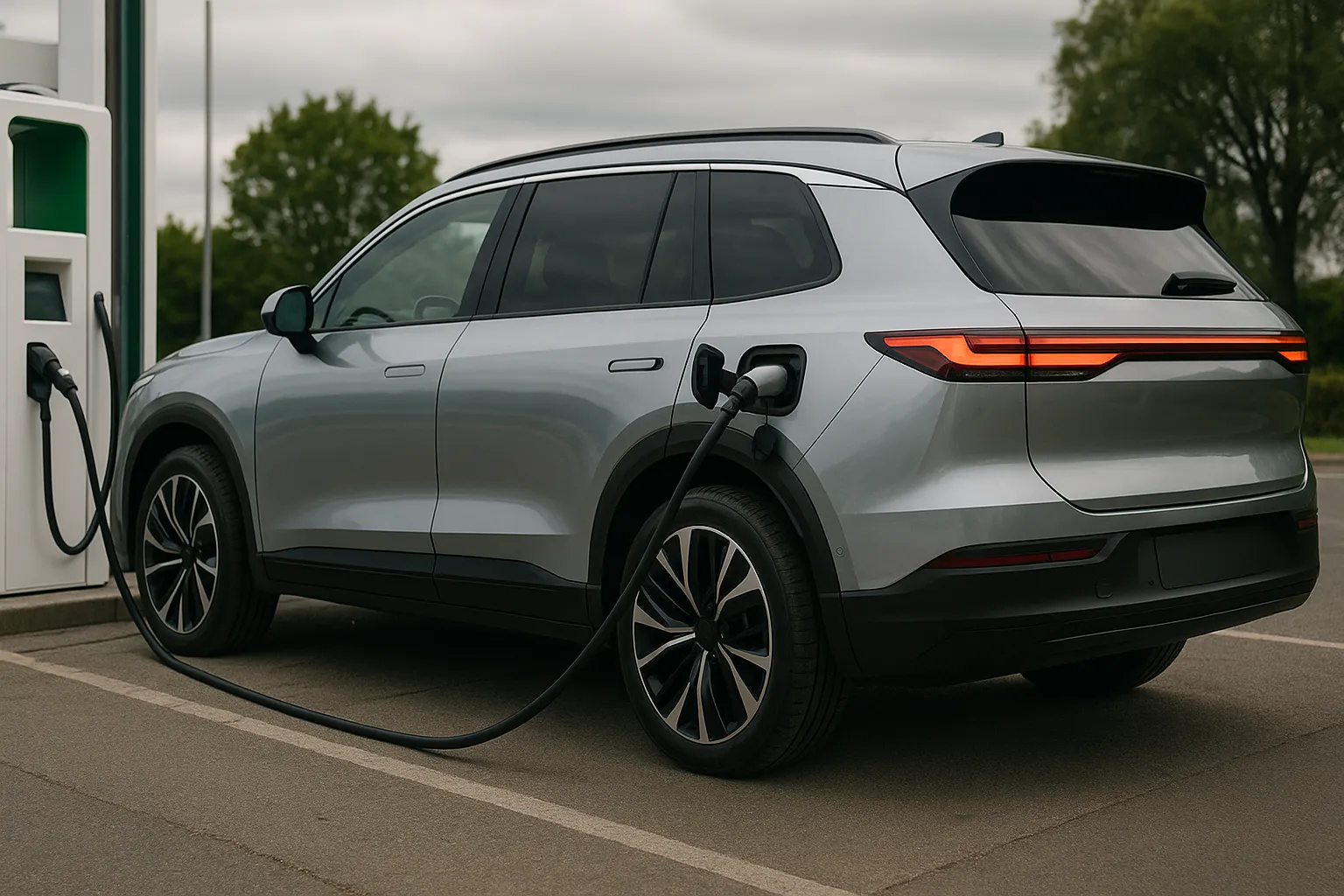
The split between N70 and N90 appears straightforward. The N70 is the more compact of the two, though “compact” is relative: at just shy of five metres, it is still a large SUV by global standards. Its two-row cabin should appeal to buyers who want generous rear-seat room and luggage capacity without needing a third row.
The N90 adds length and seating capacity. With three rows, it is aimed at families needing extra passenger space or markets where large chauffeured SUVs are especially popular. The additional 300mm should help with rear cabin packaging, although detailed dimensions for wheelbase, boot volume and third-row space have not yet been confirmed in the available information.
That uncertainty is important. A seven-seat luxury SUV can look impressive in photographs but still live or die by packaging: how easily adults can access the third row, how much cargo room remains with all seats in use, and whether the second row prioritizes family flexibility or executive comfort.
Powertrain details remain a key unknown
Xiaomi’s car business is closely associated with electric vehicles, and the brand’s existing models have been positioned around EV performance and technology. However, confirmed powertrain specifications for the Skynomad N70 and N90 are not yet available from the current reveal details.
That leaves several major questions unanswered: battery size, range, charging capability, motor outputs and whether both SUVs will use the same technical base. These details will be especially important if Xiaomi brings the models to Europe, where premium electric SUVs are judged heavily on motorway range, fast-charging consistency and software reliability.
For now, the Skynomad reveal is more about intent than final showroom specification. Xiaomi is showing that it wants to compete in a more expensive and image-sensitive part of the market, but the engineering story still needs to be filled in.
Why Europe would be a major test
Xiaomi has not yet started selling cars in the UK or wider European market, but the company has previously indicated an ambition to enter Europe around 2027. If that timeline holds, the Skynomad N70 and N90 could become part of a future European lineup, although launch timing and market availability remain unconfirmed.
Europe would be a difficult but valuable proving ground. Buyers in this segment already have access to luxury SUVs from long-established brands, and newcomers must overcome concerns about dealer support, residual values, insurance, servicing and long-term parts availability. For a technology company moving into cars, those ownership fundamentals are just as important as screen quality or acceleration figures.
At the same time, Chinese brands have become increasingly competitive in electric vehicles, especially on battery technology, software integration and value for money. If Xiaomi can combine premium cabin execution with strong range, fast charging and competitive pricing, it could pressure legacy luxury brands in a segment that has traditionally enjoyed high profit margins.
What it means for buyers
For car buyers, the Skynomad N70 and N90 matter because they point to a widening choice in the luxury SUV market. The segment has long been dominated by familiar premium names, but new entrants from China are becoming more confident and are moving beyond budget-conscious EVs into higher-margin flagship products.
A buyer considering a Range Rover, Mercedes-Benz GLS, BMW X7, Audi Q7 or high-end electric SUV may not be cross-shopping Xiaomi today. In two or three years, that could change if the brand launches with credible specifications, a strong warranty package and a well-supported retail network.
The key questions will be practical ones. How refined are the cabins? How quiet are they at motorway speeds? Does the software feel stable and intuitive? Can the vehicles tow? How well do the driver-assistance systems work on European roads? And will Xiaomi be able to deliver the aftersales experience expected by luxury buyers?
Industry significance
The Skynomad N70 and N90 also show how quickly the center of gravity is shifting in the global car industry. Xiaomi is not starting with decades of conventional automotive heritage, yet it is already presenting vehicles aimed at some of the most profitable parts of the market. That is a notable development for established manufacturers.
Luxury SUVs are not just image builders; they are business pillars. If newer Chinese brands can gain credibility in this space, they can challenge incumbents where margins are strongest. Even if Xiaomi’s first European sales focus on other models, the existence of the Skynomad SUVs suggests the company does not intend to remain confined to smaller or lower-priced EVs.
A reveal with promise, but many blanks
The Xiaomi Skynomad N70 and N90 are important because they show a clear move into full-size premium SUVs, not because every technical detail is already known. Their dimensions, seating layouts and design direction make their intended rivals obvious, but final judgment will depend on specifications, pricing, build quality and market rollout.
For now, the N70 and N90 should be viewed as a statement of ambition. Xiaomi wants to be seen not merely as a new EV maker, but as a potential luxury-car contender. Whether buyers accept that depends on what comes next: confirmed engineering data, credible European launch plans and an ownership experience that matches the image.