Aston Martin’s next generation will use one flexible platform for sports cars and SUVs
Aston Martin is preparing a new modular architecture for models due before the end of the decade, with mild-hybrid combustion power first and electric capability built in for the 2030s.
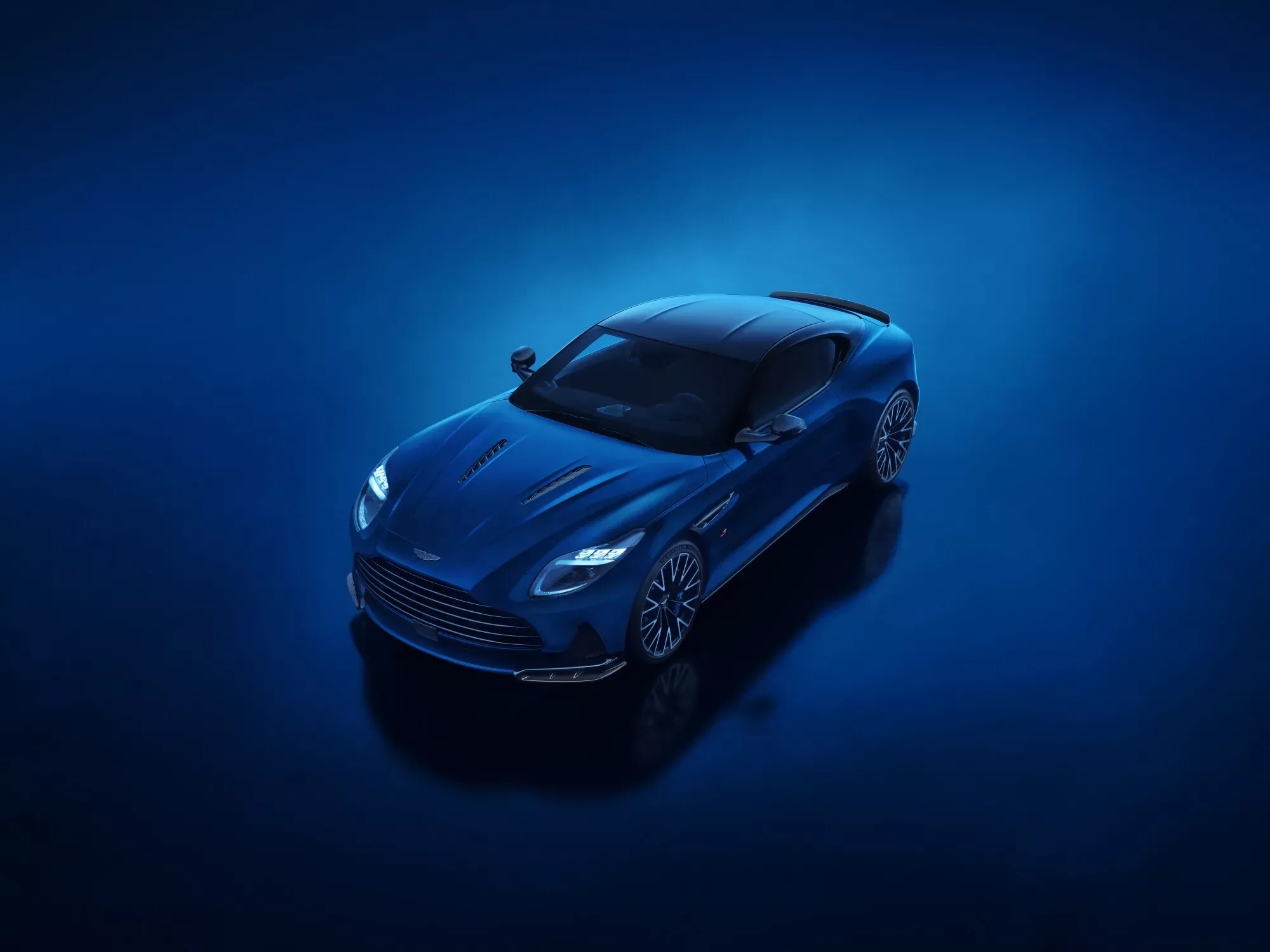
Aston Martin is preparing a major technical reset for its next generation of road cars, with a new modular platform intended to underpin both sports cars and SUVs before the end of the decade.
The plan points to a more unified product strategy than Aston Martin has used in the past. Instead of developing separate architectures for different body styles, the company is working on a flexible foundation that can share more parts across the lineup. That means future front-engined performance cars and high-riding luxury models could be engineered around common hard points, electronics and systems while still retaining distinct styling and driving character.
The first cars on the new architecture are expected to arrive in roughly three to four years. Initial models are set to use petrol engines with mild-hybrid assistance, while the platform is also being prepared for full battery-electric power later on.
A new platform to cut complexity
For Aston Martin, the most important part of the strategy may be what buyers cannot see. A common architecture can reduce the number of unique components required across the range, simplify manufacturing and make it easier to update vehicles over their life cycles.
That matters because Aston Martin operates at far lower volumes than luxury giants such as Mercedes-Benz, BMW or Porsche. Small production runs make engineering costs harder to spread across a wide customer base. A modular platform that supports a coupe, convertible, grand tourer and SUV family could help the brand spend more of its budget on the parts customers do notice: powertrains, chassis tuning, cabin quality, infotainment, driver-assistance systems and personalization.
The company is also targeting a more modern electrical and electronic structure. That is increasingly important in premium cars, where software, screens, connectivity, active safety systems and over-the-air update capability have become central to the ownership experience. For Aston Martin owners, a newer electrical backbone could mean a more competitive cabin experience as well as easier integration of future hybrid and electric hardware.
Petrol power stays central, but with hybrid support
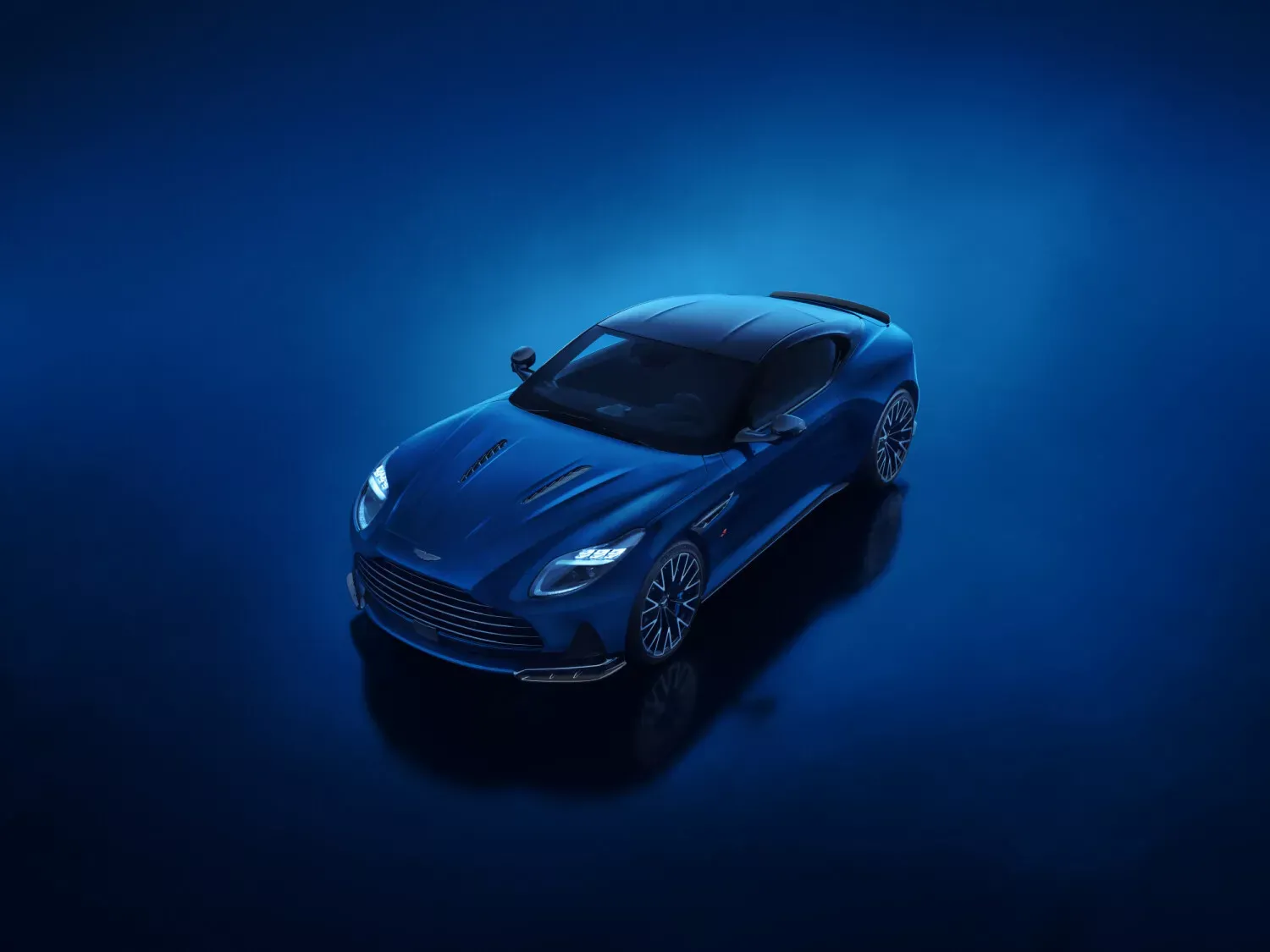
Aston Martin’s next wave of cars is expected to launch with mild-hybrid petrol power rather than immediately switching to battery-electric drivetrains. Mild-hybrid systems typically use a small electric motor-generator and compact battery to support the combustion engine, recover energy during braking and reduce load during low-speed operation. They do not usually provide meaningful electric-only driving, but they can improve refinement, emissions performance and responsiveness.
That approach fits Aston Martin’s current buyer base. Many customers still want the sound, feel and long-distance usability of a high-performance combustion engine, especially in GT cars and SUVs. Mild-hybrid assistance gives the brand a way to modernize its engines without forcing a sudden change in the character of its vehicles.
Aston Martin is also looking to simplify its combustion-engine lineup. The exact future mix has not been confirmed, and model-by-model details remain uncertain. However, the direction suggests fewer distinct engine configurations and more sharing of major components where possible.
The V12 remains a special case. Aston Martin has continued investing in its twelve-cylinder engine, and the latest planning leaves room for it to survive for as long as emissions rules and market demand allow. In Europe, the sale of new combustion-engine cars is scheduled to end in 2035 unless regulations change, while other markets are moving at different speeds. That gives low-volume performance brands a narrow but meaningful window to keep flagship engines alive.
For enthusiasts, that is significant. The V12 has long been part of Aston Martin’s identity, not merely a specification-sheet boast. If it continues into the next product cycle, it would likely be reserved for high-end or limited-production models rather than becoming a volume engine.
Electric Astons are still coming, but later
The new platform is being designed with battery-electric vehicles in mind, but Aston Martin’s first full EVs have been pushed deeper into the 2030s. The change reflects a broader reality in the luxury market: demand for expensive electric performance cars has grown more slowly and less predictably than many manufacturers expected.
That does not mean Aston Martin is abandoning EVs. Instead, it appears to be preserving the option while prioritizing the products most likely to sell in the near term. A platform capable of accepting electric power gives the company flexibility if regulations tighten, battery technology improves or customer demand accelerates.
For buyers, this could be a useful middle ground. Those who want a traditional Aston Martin experience will likely continue to find petrol-powered cars in showrooms later this decade. Those waiting for an electric Aston may have to be patient, but the engineering work now should make the eventual transition less abrupt.
What it means for future models
Aston Martin has not confirmed the exact names, launch order or specifications of the first vehicles on the new platform. The most logical candidates are successors or replacements for the core sports-car and grand-touring range, along with the next generation of the brand’s SUV offering.
Today’s lineup is built around performance coupes, convertibles and the DBX SUV family, with hybridization already appearing in the brand’s high-performance projects. The next architecture should allow Aston Martin to link those product lines more closely without making them feel identical.
That balance will be crucial. Aston Martin cannot afford for a shared platform to dilute the sense of occasion that customers expect from a car wearing the winged badge. A DBX successor, a Vantage-type sports car and a grand tourer may share unseen components, but each will need its own driving position, suspension tuning, soundtrack and design personality.
Why this matters
For car buyers, the plan suggests Aston Martin is not rushing into an all-electric future before its customers are ready. Mild-hybrid petrol models should keep familiar performance traits while improving efficiency and compliance. The possible continuation of the V12 gives collectors and enthusiasts another reason to watch the brand closely.
For owners, a new electronics architecture could be just as important as the engines. Modern luxury buyers expect fast infotainment, reliable software, advanced assistance features and seamless smartphone integration. Aston Martin has made progress in recent years, but future models will need to compete not only with Ferrari, Bentley and Porsche, but also with tech-forward EV brands.
For the industry, Aston Martin’s strategy reflects a wider recalibration among premium automakers. Full electrification remains part of the long-term path, but the timetable is becoming more flexible. Brands that sell emotion, sound and mechanical character are trying to meet emissions requirements without discarding the qualities that define them.
The next Aston Martin generation, then, is less about one single model and more about a foundation for the company’s next decade. If the new platform delivers lower complexity, better technology and the ability to support combustion, hybrid and electric power, it could give Aston Martin something it has often lacked: room to modernize without losing its character.