Ferrari 12Cilindri GTO Prototype Signals a Sharper V12 Flagship
A camouflaged Ferrari 12Cilindri prototype with added aero details and a ducktail rear spoiler points to a more focused V12 variant, potentially reviving the storied GTO badge.
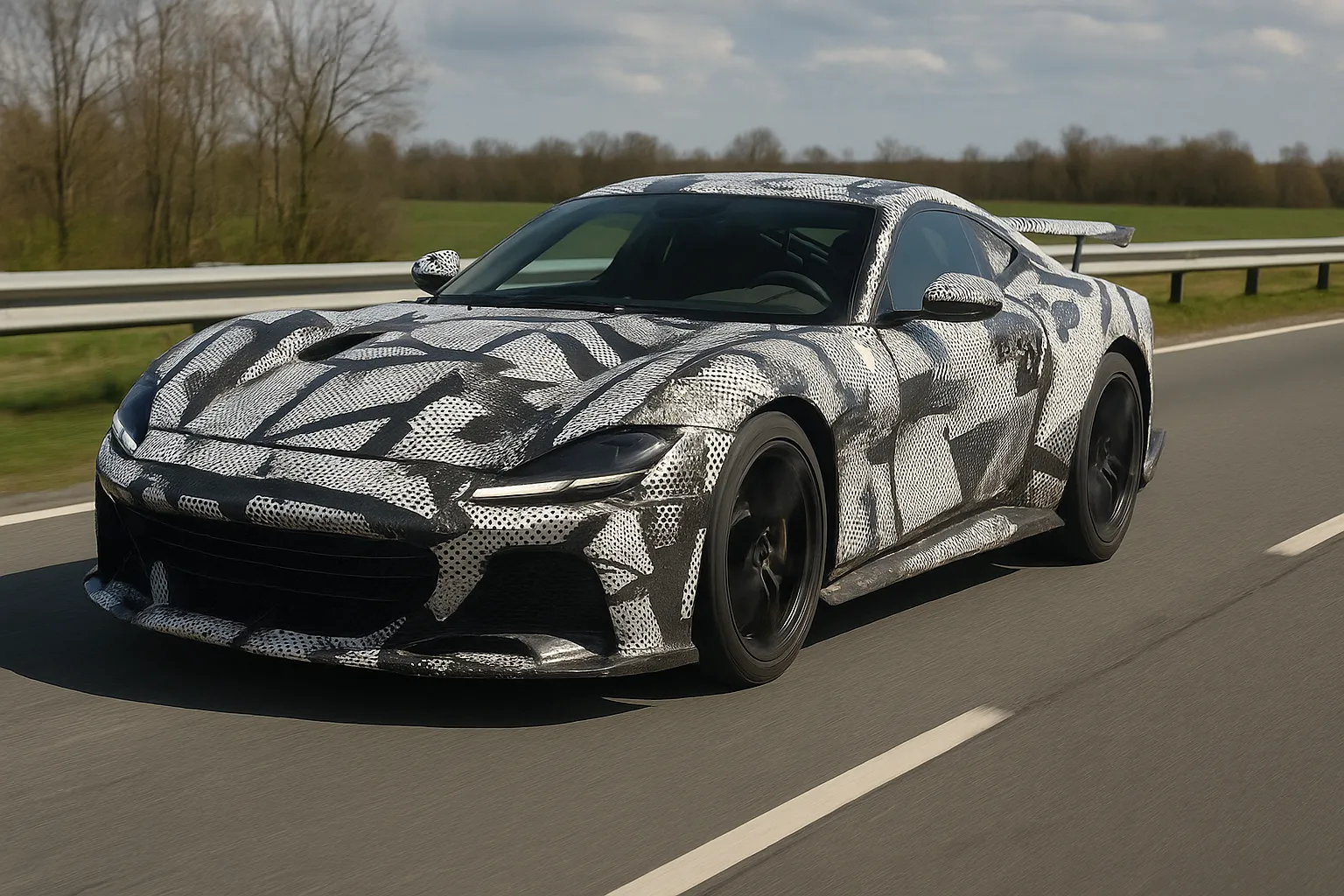
Ferrari appears to be preparing a more aggressive version of the 12Cilindri, its front-engined V12 grand tourer, and the clues point toward one of the most valuable badges in the company’s back catalog: GTO.
A camouflaged prototype has been seen testing with bodywork changes that separate it from the regular 12Cilindri. The car’s basic silhouette remains familiar, but the details are more purposeful. Up front, small aero fins have been added at the outer edges of the bumper, while the rear wears a more prominent ducktail-style spoiler. Those are the sort of changes Ferrari typically applies when turning one of its V12 GTs into a lighter, sharper, more track-capable special series.
Ferrari has not announced a 12Cilindri GTO, and the final name remains unconfirmed. However, the company has trademarked the 12Cilindri GTO name, making the badge a credible possibility rather than idle speculation. A trademark does not guarantee a production car, but combined with a development prototype wearing model-specific aerodynamic parts, it strongly suggests Ferrari is working on something beyond a cosmetic package.
Why the GTO badge matters
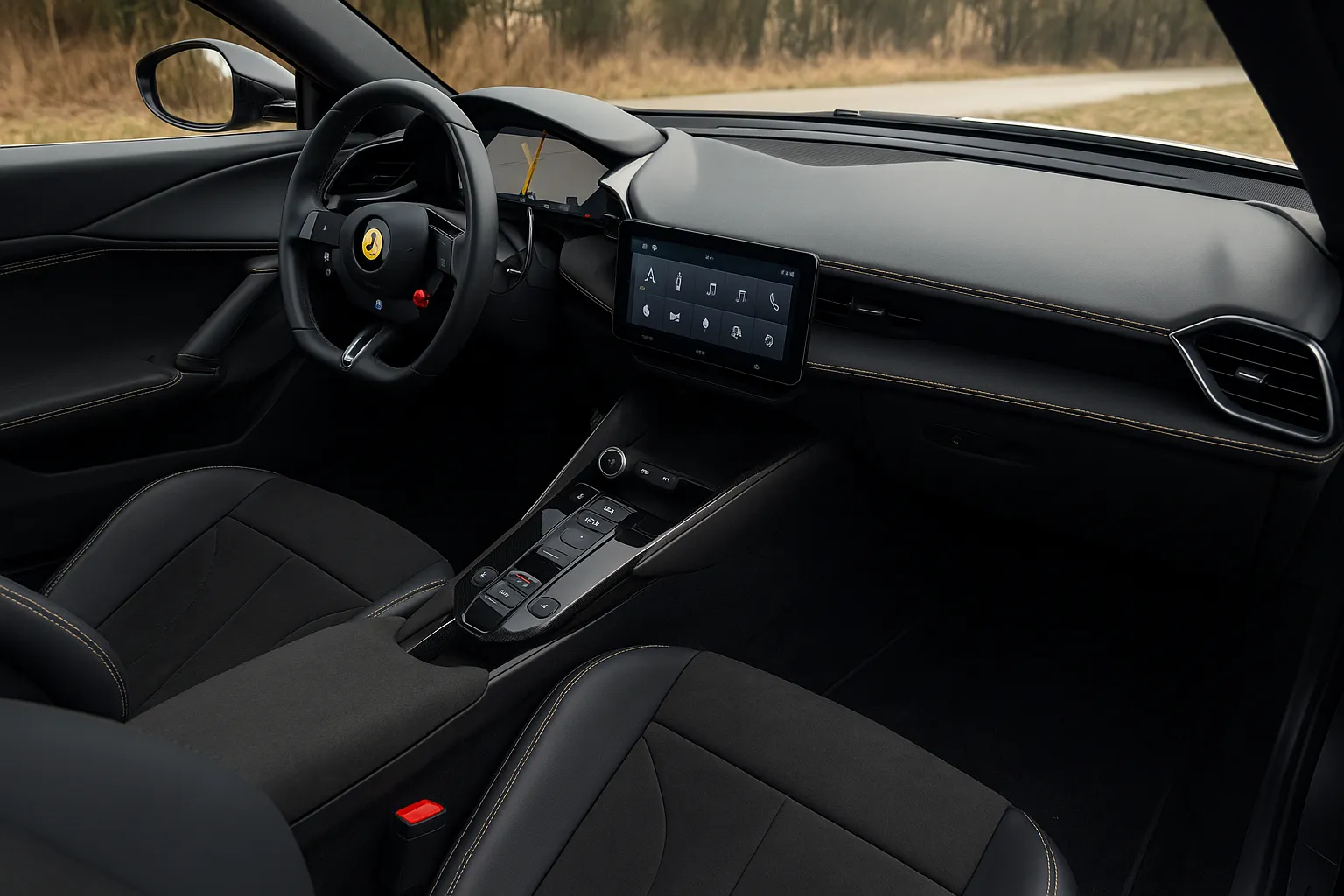
GTO is not a label Ferrari uses casually. It has appeared on a very small number of cars, most famously the 250 GTO of the 1960s, the 288 GTO of the 1980s and the 599 GTO introduced in 2010. Each represented a more extreme interpretation of an existing Ferrari formula, with additional performance and a stronger connection to competition or track use.
That history makes any new GTO significant for collectors and enthusiasts. If Ferrari does apply the name to the 12Cilindri, expectations will be high. The badge would imply more than a power bump; it would need to bring a meaningful step up in driver focus, aerodynamics, weight management and chassis response.
Ferrari has also used other names for hardcore V12 specials, including F12tdf and 812 Competizione. The prototype’s ducktail rear spoiler recalls the visual language of those limited-run models, both of which turned Ferrari’s front-engined V12 platform into something more intense than a traditional grand tourer.
What appears to be different
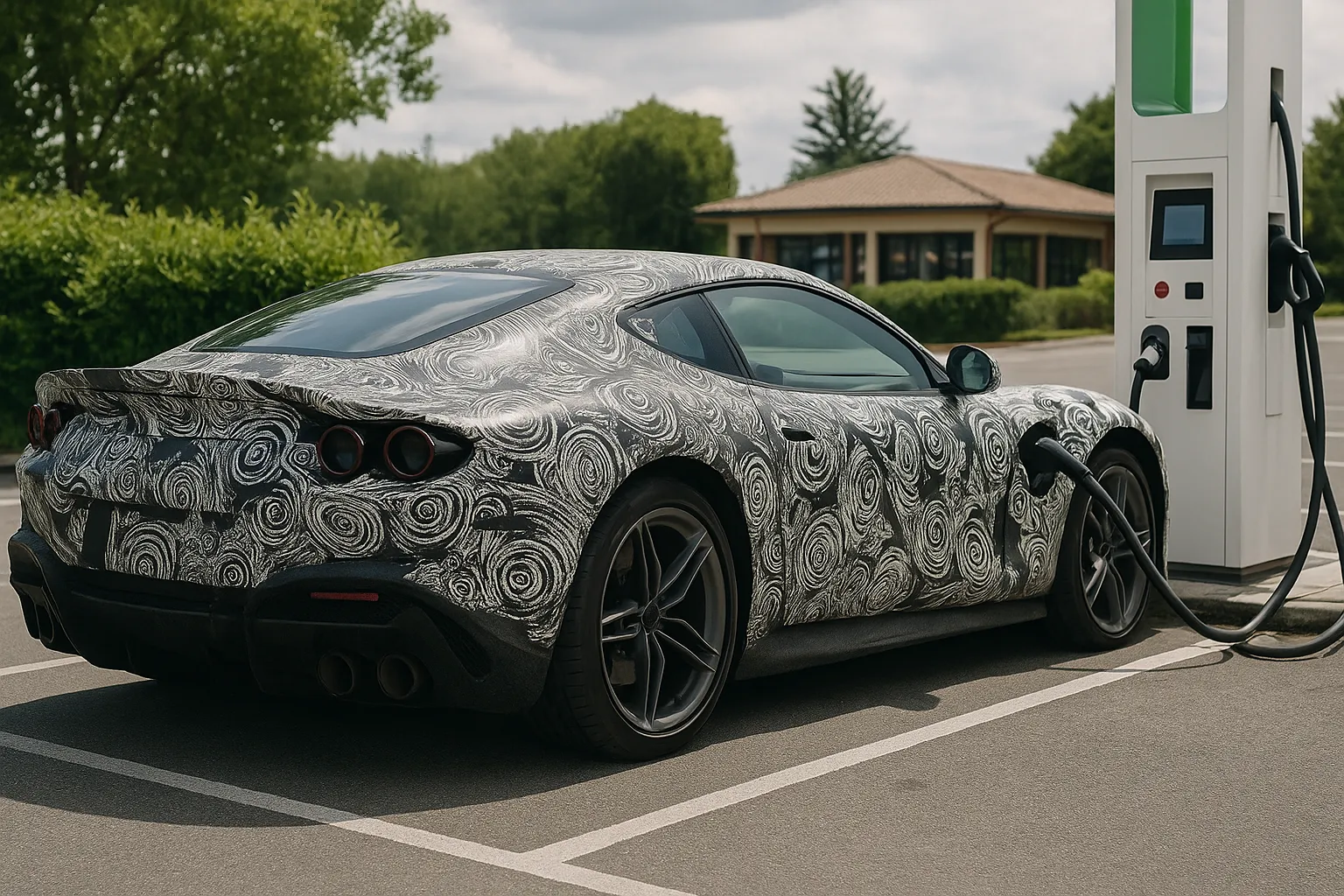
The photographed test car is still heavily disguised, so not every change is visible. The front canards are the most obvious update at the nose. These small aerodynamic elements are used to manage airflow and generate additional front-end downforce, helping the car stay more settled at high speeds and under hard cornering.
The side profile looks close to the standard 12Cilindri, and the prototype appears to run on 21-inch wheels similar to those offered on the regular model. That does not rule out changes to suspension, tires, brakes or body materials, all of which could be hidden underneath the camouflage.
At the rear, the ducktail spoiler is the clearest sign that Ferrari is chasing greater aerodynamic stability. The standard 12Cilindri already has active aero features, but a fixed or reshaped rear spoiler on a hotter model could alter the balance between drag, downforce and visual drama. Ferrari’s most focused road cars often use aero revisions not just for appearance, but to support higher cornering speeds and more confidence during repeated track use.
Engine changes are still unknown
The regular 12Cilindri uses a naturally aspirated 6.5-liter V12 producing 819 bhp, sending power to the rear wheels through an eight-speed automatic gearbox. Ferrari has also broadened the model’s appeal to purists with a six-speed manual version under the Manuale banner.
For a GTO-style variant, the obvious question is whether Ferrari can extract more from the V12. The company has a long history of refining this engine family for sharper throttle response, higher revs and more urgent character, even when peak power gains are not dramatic. The 812 Competizione, for example, showed how Ferrari can make a front-engined V12 feel more special through engine tuning, weight reduction, sound, gearing and chassis calibration.
At this stage, there is no confirmed output figure for the prototype. It is reasonable to expect Ferrari to target a higher performance level than the regular 12Cilindri, but the visible test car does not reveal whether that comes from more power, less weight, revised gearing, altered aerodynamics or a combination of all four.
Buyers should expect scarcity, not accessibility
If Ferrari puts a 12Cilindri GTO into production, it is unlikely to be a regular catalog model in the conventional sense. The company’s most focused V12 specials are typically produced in limited numbers and offered first to established clients. That means the car may be effectively sold out before many would-be buyers have a chance to place an order.
Pricing is also likely to sit well above the standard 12Cilindri. Ferrari’s special-series models usually command a major premium when new, and historically many have become highly desirable on the secondary market. For existing Ferrari owners, a new GTO could affect interest in the standard 12Cilindri and related V12 models, although long-term values will depend on production numbers, specification, reception and how different the finished car feels from the base version.
For buyers who actually want to drive the car regularly, the standard 12Cilindri may remain the more usable choice. A hotter GTO-style car would probably be louder, firmer and more demanding, with a setup designed to reward committed driving rather than long-distance comfort. That distinction matters because Ferrari’s front-engined V12 cars have traditionally balanced grand touring ability with supercar performance. A GTO would likely move that balance toward the performance side.
Why it matters for the industry
A new 12Cilindri GTO would be important beyond Ferrari’s order books. The naturally aspirated V12 is becoming increasingly rare as emissions rules tighten and the performance-car market shifts toward hybrids and EVs. Ferrari already uses electrification in parts of its lineup, but the 12Cilindri remains a statement of commitment to a traditional high-revving combustion engine.
A more focused V12 model would show how Ferrari intends to keep that format relevant: lower volume, higher exclusivity, sophisticated aerodynamics and a stronger emotional appeal. It would also reinforce the idea that combustion-only flagship models can survive for now by becoming more specialized and more collectible.
There is still plenty Ferrari has not confirmed. The production name, output, weight, transmission choices, debut timing and allocation plan remain unknown. But the prototype’s aero changes and the trademark activity around the GTO name make the direction clear: Ferrari is developing a sharper 12Cilindri, and it could become one of the most closely watched V12 debuts of the next few years.