Hyundai Aero Hatch EV Brings a Small-Car Pitch to Goodwood
Hyundai used the 2026 Goodwood Festival of Speed to show the Aero Hatch, a tiny electric hatchback that points toward a familiar but underdeveloped EV idea: smaller, more efficient cars built for real-world urban use.
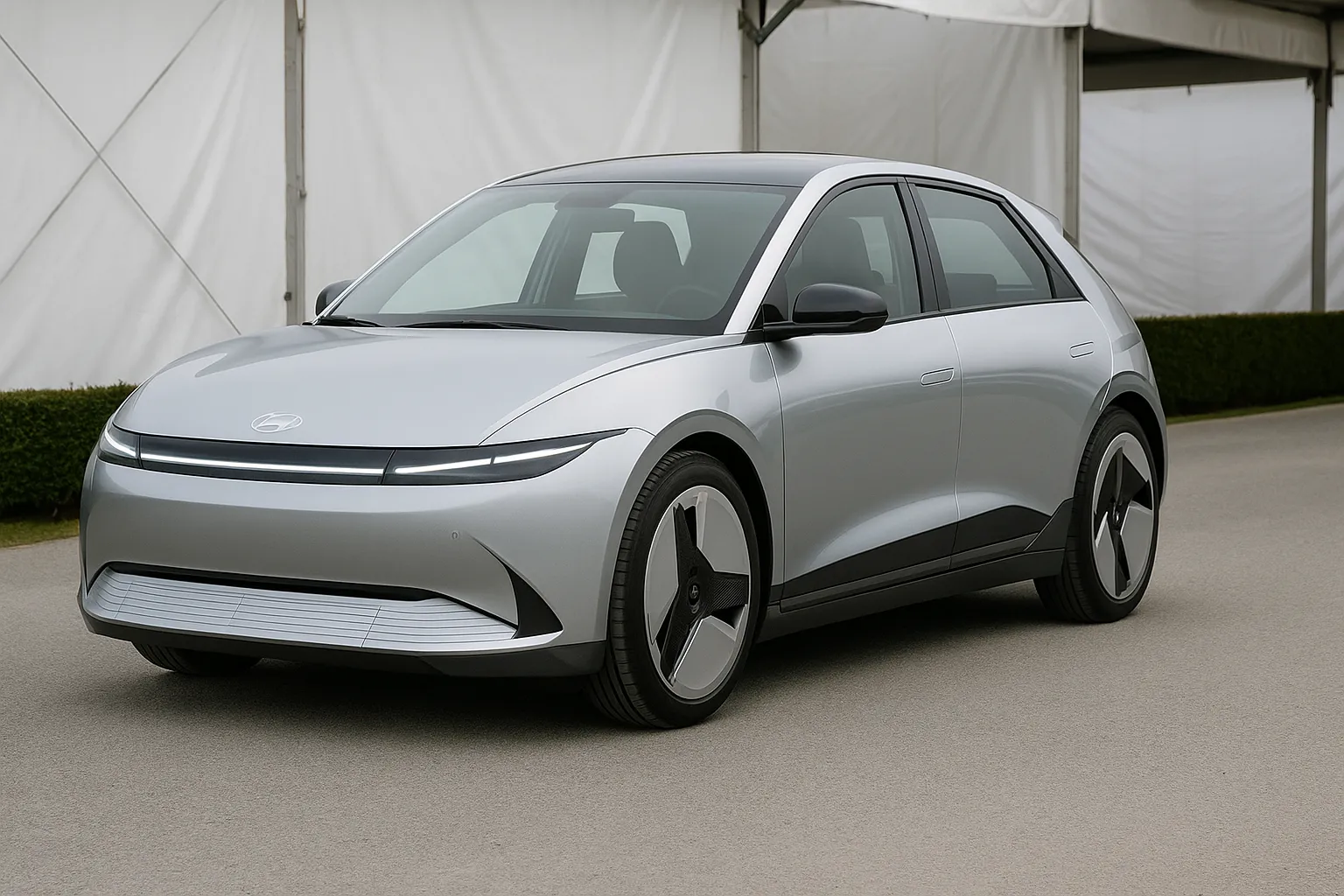
Hyundai brought a small electric car with a big strategic message to the 2026 Goodwood Festival of Speed. The Aero Hatch, shown among the event’s usual mix of performance machinery, special editions, and attention-grabbing display cars, stands out because it focuses on a part of the EV market that still feels underdeveloped: the compact electric hatchback.
At this stage, the Aero Hatch is best understood as a public showcase rather than a fully detailed production announcement. Hyundai has not paired the Goodwood appearance with a complete set of specifications, pricing, market timing, battery capacity, range estimates, or production plans. That matters, because without those details it is too early to treat the Aero Hatch as a confirmed showroom model.
Still, the car’s debut is notable. The name alone places emphasis on aerodynamic thinking, and the format points to a different answer to the EV question than the one dominating many global markets. Instead of another large crossover or premium electric SUV, Hyundai is drawing attention to a tiny hatchback-shaped EV, a type of vehicle that can be easier to park, cheaper to run, and potentially more efficient than larger battery-electric vehicles.
Why a small EV matters now
The electric-car market has grown quickly, but much of that growth has been concentrated in vehicles that are relatively large, heavy, and expensive. Crossovers remain popular because they offer the seating position, cargo flexibility, and styling many buyers want. Automakers also tend to favor bigger EVs because they can absorb the cost of large battery packs more easily and deliver stronger profit margins.
That leaves a gap at the lower end of the market. For drivers who live in dense cities, make mostly short trips, or simply want a lower-cost electric runabout, a compact hatchback can make more sense than a high-riding SUV. Smaller EVs do not need enormous batteries to be useful, and a lighter, more aerodynamic package can help stretch each kilowatt-hour farther.
This is where the Aero Hatch concept becomes interesting. Even without confirmed specs, the idea behind the car speaks to practical EV challenges: affordability, efficiency, parking space, and urban usability. Those are not niche concerns. They are central to whether EV adoption can expand beyond early adopters and higher-income households.
Goodwood is an unusual but useful stage
Goodwood is best known for speed, heritage, and spectacle. It is a place where supercars, race cars, prototypes, and celebrity-backed specials can easily dominate attention. A tiny electric hatchback is not the obvious star in that environment, but that contrast may be part of the point.
By placing the Aero Hatch at Goodwood, Hyundai put a practical EV shape in front of enthusiasts, media, and industry figures who are often focused on performance and design theater. It suggests Hyundai wants the car to be seen not only as a transportation appliance, but as an object with a point of view.
That is important for small cars. In many markets, small hatchbacks have been squeezed by crossovers and by rising development costs. To regain attention, a compact EV cannot simply be small; it needs a strong identity. Aerodynamics, clever packaging, and distinctive design can help make a small car feel intentional rather than basic.
What buyers should and should not assume
For now, buyers should be careful not to read too much into the Goodwood showing. There is no confirmed indication from the available public information that the Aero Hatch is headed to any specific market, including the United States, Europe, or South Korea. There is also no confirmed price, charging hardware, battery chemistry, performance target, or driving range.
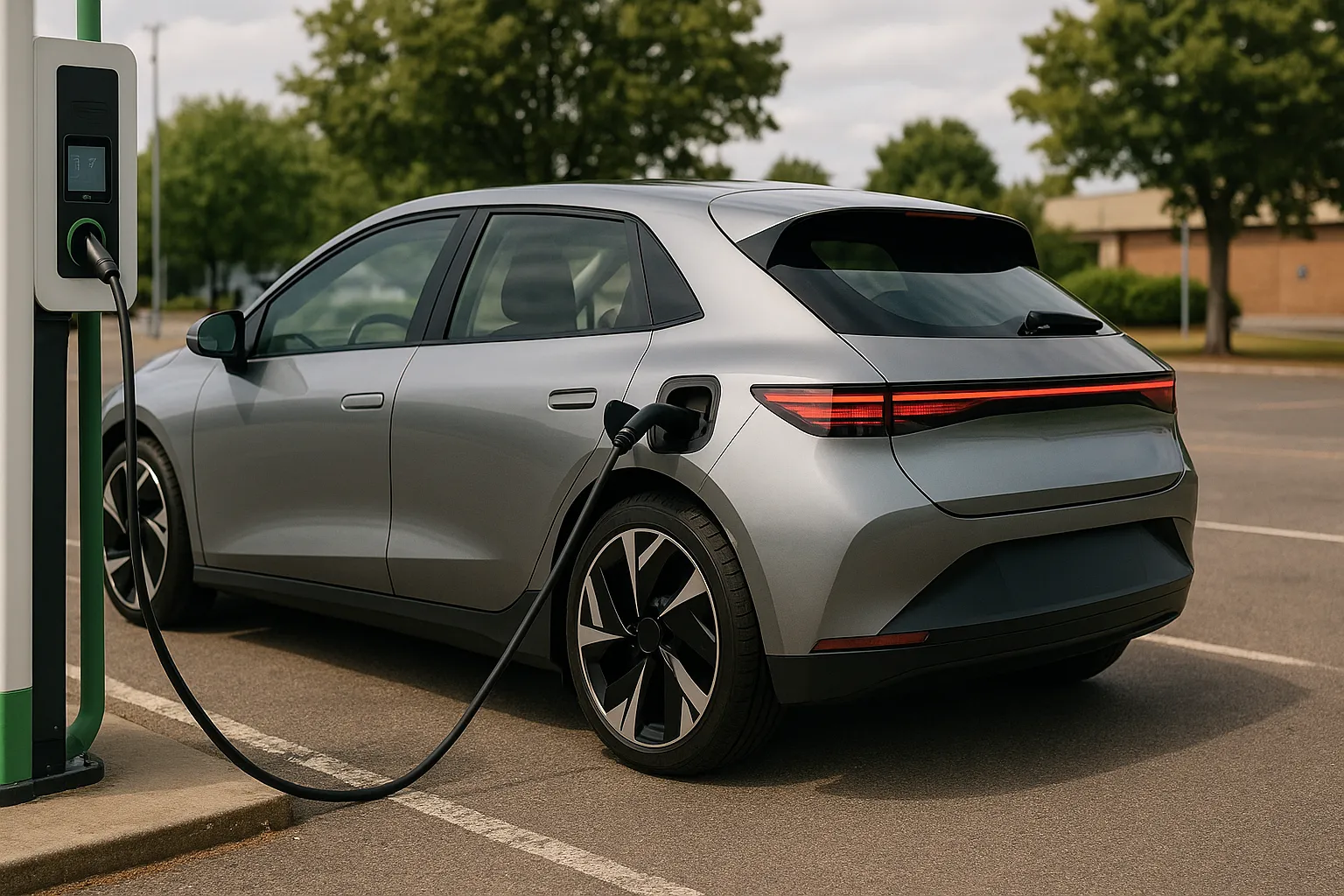
Those unknowns are critical. A small EV only becomes compelling if the numbers work. If it is priced too close to larger electric crossovers, it becomes a harder sell. If its range is too limited, it may be dismissed as a city-only second car. If it charges too slowly, even urban buyers may hesitate. Conversely, if Hyundai can pair compact size with useful range, sensible charging, and a competitive price, the Aero Hatch formula could have broad appeal.
The biggest question is whether Hyundai views the Aero Hatch as a design study, a preview of a production vehicle, or a signal for future small-EV direction. Automakers often use public events to test reaction before committing to a final model. That makes this debut worth watching, but not yet something shoppers can plan around.
Hyundai’s small-car opportunity
Hyundai already has credibility in electric vehicles through models such as the Ioniq 5 and Ioniq 6, both of which helped establish the brand as a serious EV player. Those cars showed that Hyundai could compete on design, charging technology, and efficiency in more mainstream segments.
A smaller EV would address a different part of the market. It would not need to chase huge horsepower figures or luxury-car levels of equipment. Instead, the priority would be maximizing everyday usefulness while keeping cost and weight under control. That is a difficult engineering and business problem, but it is also one of the most important areas for the next phase of EV growth.
Small electric hatchbacks are especially relevant in markets with narrow streets, expensive fuel, congestion rules, and limited parking. They can also help automakers meet emissions goals without relying only on large, expensive EVs. For owners, the appeal is straightforward: lower energy use, easier maneuverability, and potentially lower purchase and maintenance costs.
The industry signal
The Aero Hatch’s appearance at Goodwood is not just about one vehicle. It reflects a broader tension inside the auto industry. Automakers know buyers like SUVs, but regulators, cities, and many consumers are pushing for more efficient vehicles. Battery materials remain expensive, and using smaller packs more intelligently could become a competitive advantage.
Aerodynamics are also becoming more important across the EV market. In gasoline cars, poor aero can be partly masked by a larger fuel tank. In an EV, drag directly affects range, battery size, highway efficiency, and charging frequency. A small hatchback that treats airflow as a central theme could point toward a smarter kind of affordable EV, provided the production version—if there is one—keeps the same focus.
What to watch next
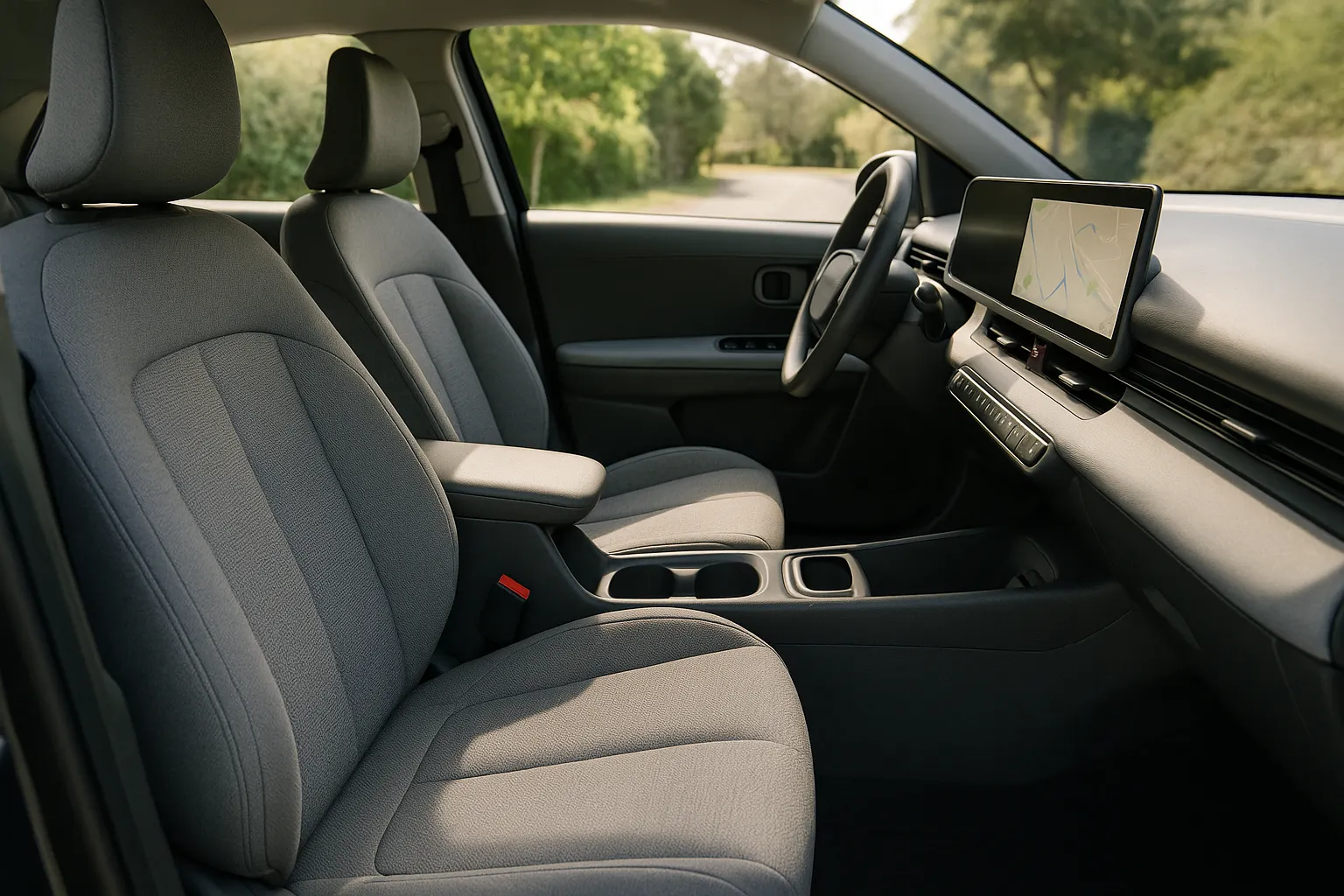
The next meaningful step would be confirmation of production intent. After that, the key facts would be dimensions, battery size, estimated range, charging speed, price, and launch markets. Interior packaging will also matter, because small EVs live or die on how well they use space.
For now, the Hyundai Aero Hatch is a compact electric statement rather than a fully defined product. But it arrives at a moment when the EV market needs more variety, especially at the smaller and more attainable end of the spectrum. If Hyundai can turn the idea into a practical, well-priced electric hatchback, the Aero Hatch could become more than a Goodwood curiosity. It could help push the conversation back toward efficient, city-friendly EVs that fit real daily driving needs.