Hyundai Plans a Body-on-Frame Midsize Pickup for the U.S.
Hyundai is preparing a more traditional midsize pickup for the U.S. market, moving beyond the Santa Cruz with a body-on-frame truck aimed at established rivals such as the Toyota Tacoma and Ford Ranger.
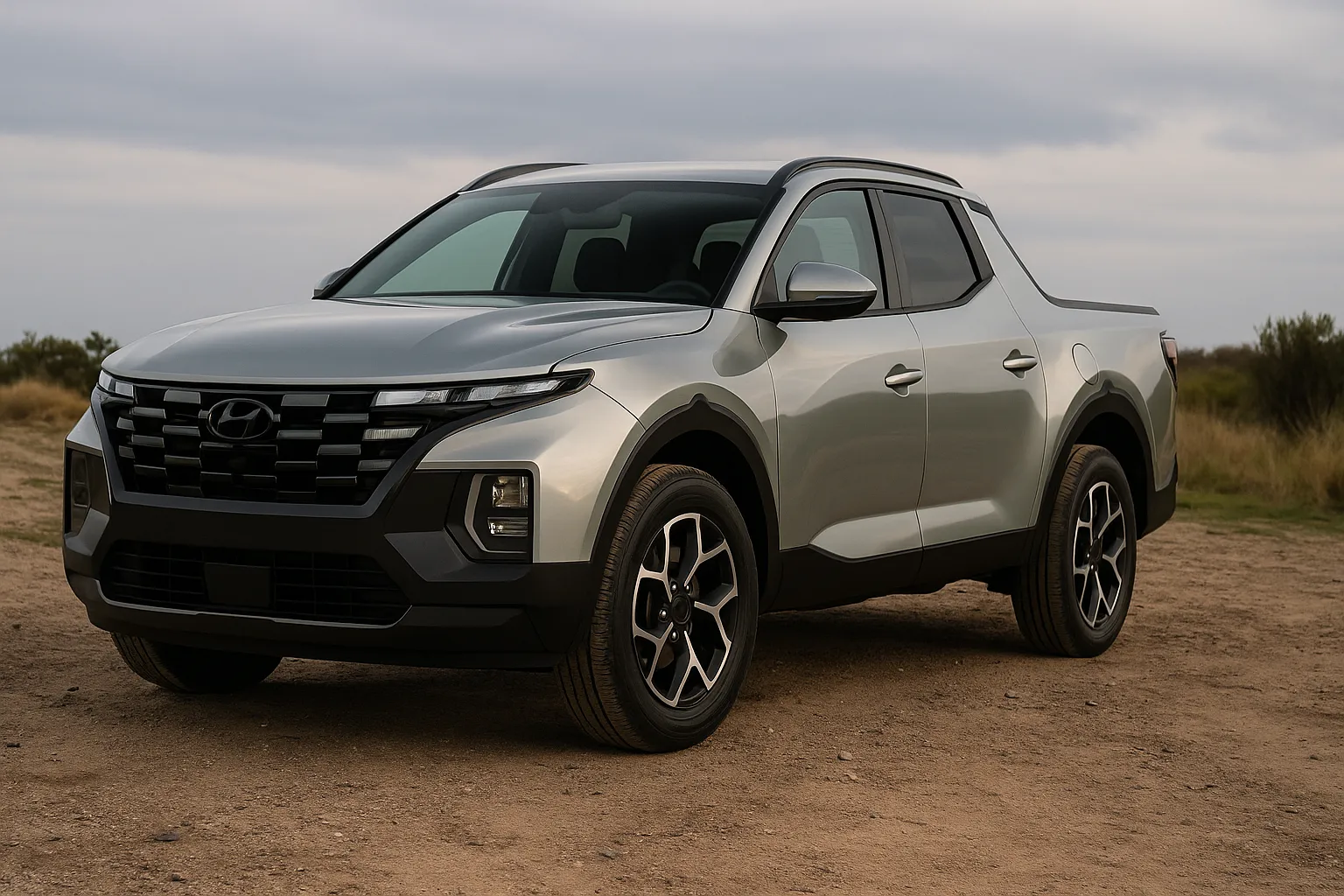
Hyundai is preparing to take a more direct run at the U.S. pickup market with a body-on-frame midsize truck, a significant shift from the Santa Cruz lifestyle pickup that has served as the brand’s only truck offering in America.
The planned model is expected to target the heart of the midsize pickup segment, where established nameplates such as the Toyota Tacoma, Ford Ranger, Nissan Frontier and Chevrolet Colorado compete for buyers who want towing capability, off-road hardware, bed utility and a more traditional truck ownership experience. Unlike the Santa Cruz, which uses a carlike unibody platform and is positioned closer to a compact adventure vehicle, the upcoming Hyundai pickup is being developed around the kind of separate-frame construction typically associated with conventional trucks.
Specifics remain limited. Hyundai has not publicly detailed the truck’s powertrains, size, production location, launch timing, towing capacity, payload rating, trim structure or whether it will offer hybrid or electric variants. What is clear is the strategic direction: Hyundai appears to be moving beyond an experimental pickup format and toward a product that can be compared more naturally with the segment’s best-known midsize trucks.
Why body-on-frame matters
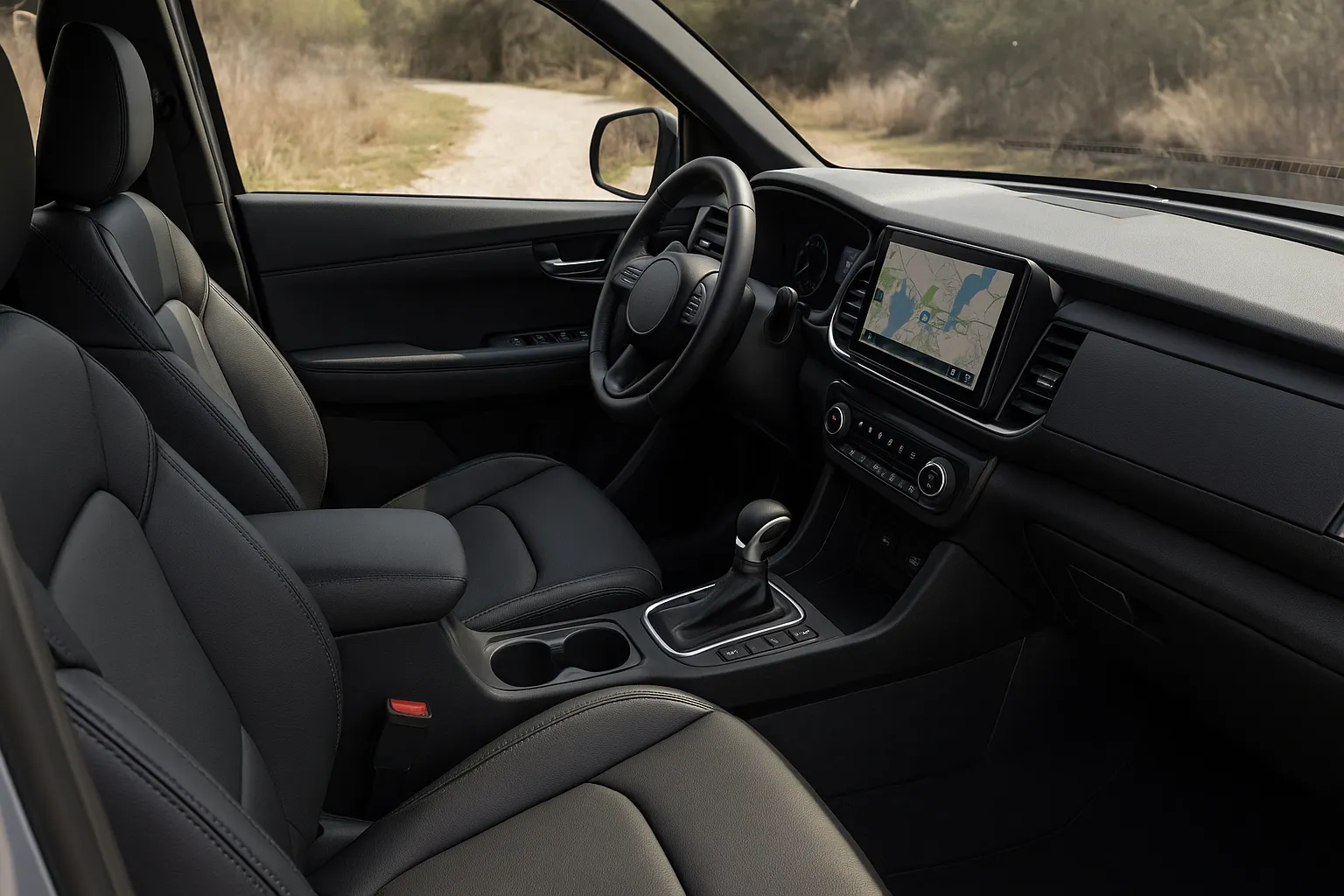
For truck buyers, the phrase “body-on-frame” is more than engineering shorthand. It describes a vehicle architecture in which the cabin and bed are mounted on a separate structural frame. This layout is common in traditional pickups and SUVs because it can better support heavy-duty use, towing loads, off-road impacts and modular body configurations.
Unibody vehicles, including the Hyundai Santa Cruz, integrate the body and structure into one shell. That approach can deliver advantages in ride comfort, handling, packaging and fuel efficiency. It also works well for buyers who want a truck bed for bikes, camping gear, gardening supplies or weekend projects, but do not need the capability or proportions of a conventional pickup.
The midsize truck market, however, still rewards traditional attributes. Many buyers expect higher towing ratings, robust four-wheel-drive systems, low-range gearing or serious off-road packages. A body-on-frame Hyundai would allow the company to compete more credibly with trucks that are already marketed around those qualities.
A different role from the Santa Cruz
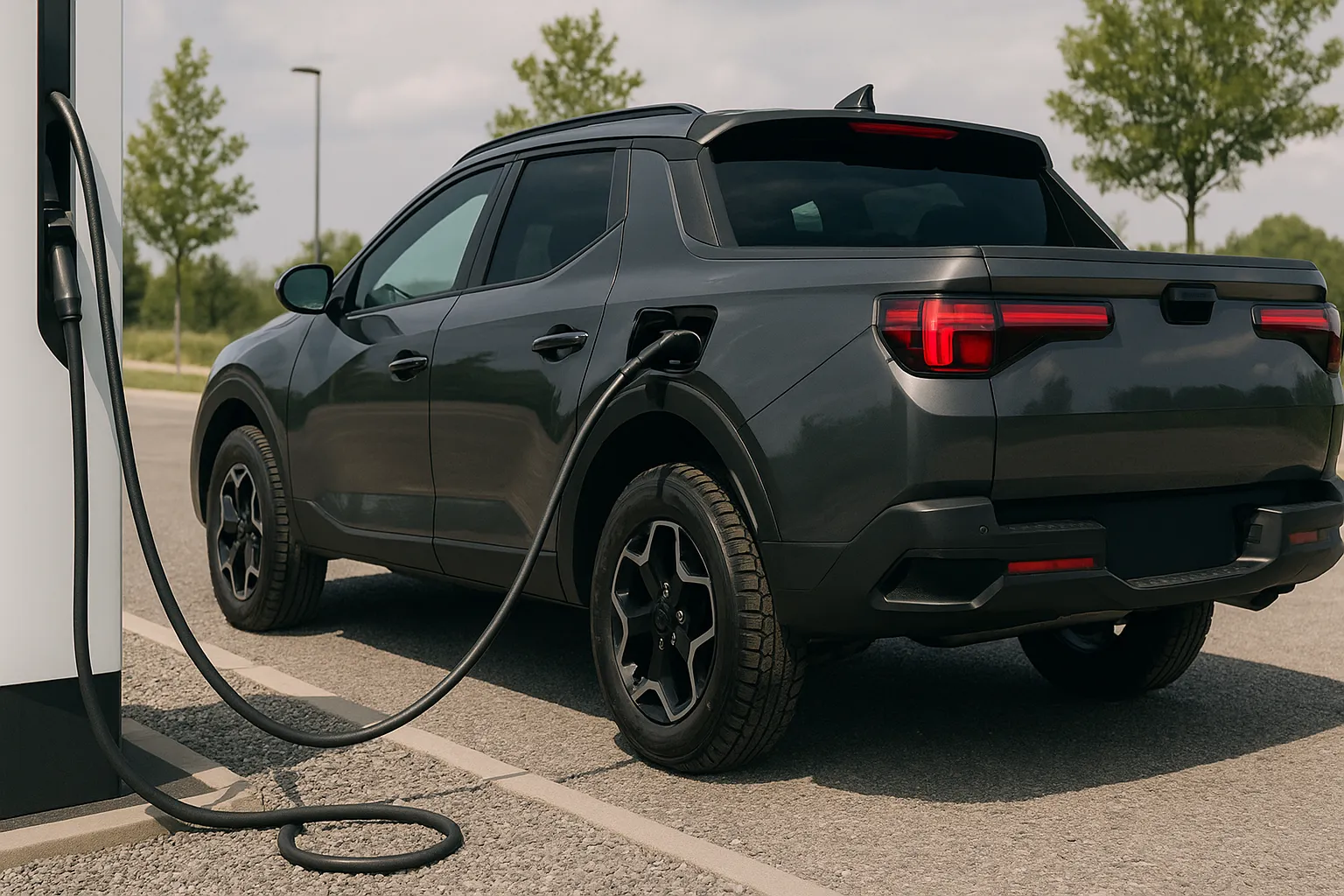
The Santa Cruz gave Hyundai a distinctive entry point into the U.S. pickup space. It is smaller than most midsize trucks, easier to maneuver in urban areas and aimed at buyers who might otherwise consider a compact crossover. Its open bed adds versatility, but its mission has never been identical to that of a Tacoma or Ranger.
That distinction matters because the Santa Cruz has faced a difficult market position. It is useful and unusual, but it does not fit neatly into the categories many truck shoppers use when comparing vehicles. Some traditional pickup buyers want more towing capacity, a larger bed, a more upright cab, stronger off-road credentials or a frame-based platform. Some crossover buyers may like the idea of the Santa Cruz but prefer an enclosed cargo area.
A body-on-frame midsize pickup would give Hyundai a clearer answer for shoppers who arrive at a dealership already considering conventional trucks. Instead of asking buyers to rethink what a pickup can be, Hyundai would be offering a truck that speaks the segment’s familiar language.
The competition will be tough
Hyundai would not be entering an empty field. The Toyota Tacoma remains one of the most recognizable midsize trucks in the U.S., with a deep reputation among off-road and resale-value-conscious buyers. The Ford Ranger has returned with fresh hardware and a performance-oriented Raptor variant. The Chevrolet Colorado and GMC Canyon have leaned into turbocharged power and off-road trims. The Nissan Frontier has retained a straightforward, traditional truck appeal.
That competitive set creates both an opportunity and a challenge. Midsize pickups are large enough to be profitable and capable, but smaller and often more manageable than full-size trucks. They appeal to outdoors-focused buyers, urban owners who still need utility, and enthusiasts who want overlanding or trail capability without stepping into a half-ton pickup.
For Hyundai, the advantage could be brand momentum. The company has built a stronger reputation in recent years with sharply designed crossovers, value-focused trims, long warranties and expanded performance and electrified offerings. A credible midsize pickup could bring new customers into Hyundai showrooms, especially if the truck combines traditional capability with the brand’s usual emphasis on features and pricing.
The challenge is authenticity. Pickup buyers can be skeptical of new entrants, especially in a category shaped by durability, owner loyalty and aftermarket support. Hyundai will need more than styling to gain traction. Towing numbers, payload capacity, four-wheel-drive hardware, bed design, accessory support, dealer readiness and real-world reliability will all matter.
What buyers should watch for
Until Hyundai releases more information, shoppers should treat the new truck as a developing product rather than a near-term buying option. The most important unknowns include:
- Powertrain choices: A turbocharged gasoline engine would be plausible, but no engine lineup has been confirmed. Hybrid assistance could help fuel economy and torque, while an electric version would require a different market and pricing strategy.
- Towing and payload ratings: These figures will determine whether Hyundai can compete directly with the segment leaders or sits closer to lifestyle-truck territory.
- Cab and bed configurations: Midsize truck buyers often look for crew-cab practicality, usable rear seats and bed lengths that fit work and recreation needs.
- Off-road equipment: Locking differentials, skid plates, all-terrain tires, underbody protection and advanced drive modes are increasingly important in this segment.
- Pricing: Hyundai’s value positioning could be a strength, but midsize trucks have become more expensive as equipment levels and off-road trims have expanded.
- Production location: Where the truck is built could affect supply, pricing and how quickly Hyundai can respond to U.S. demand.
These details will determine whether the truck becomes a serious challenger or simply a niche alternative.
Why it matters for the industry
A Hyundai body-on-frame pickup would signal that the midsize truck market remains attractive even as automakers invest heavily in crossovers and electrification. It also suggests that Hyundai sees room to grow in a segment it has only partially addressed with the Santa Cruz.
The move could pressure competitors in two ways. First, Hyundai may bring aggressive feature content, warranty coverage and pricing discipline to a class where transaction prices have climbed. Second, a new entrant could push established brands to keep improving comfort, technology and efficiency without abandoning truck capability.
For enthusiasts, the prospect is intriguing because Hyundai has not yet had a true U.S. market truck to build a reputation around. A frame-based pickup could open the door to off-road variants, factory accessories, performance trims or overland-focused packages. None of those have been confirmed, but the platform choice would make them more realistic than they would be on a crossover-based pickup.
For current Santa Cruz owners, the news does not necessarily mean Hyundai is abandoning the idea of a compact lifestyle truck. The two vehicles could serve different audiences if both remain in the lineup. The Santa Cruz can continue to appeal to drivers who want crossover comfort with a small bed, while a larger body-on-frame truck would target buyers who need more conventional truck capability.
Hyundai’s next step will be to turn the idea into a defined product with real specifications. Until then, the most important takeaway is that Hyundai appears ready to compete in the U.S. pickup market on more traditional terms. If the finished truck delivers credible capability, smart packaging and the value buyers expect from the brand, it could become one of Hyundai’s most important new U.S. models.