Hyundai’s Record First Half Shows Hybrids Are Doing the Heavy Lifting
Hyundai posted its best first-half sales result, with electrified vehicles accounting for about one-third of volume. The mix points to strong buyer demand for hybrids alongside EVs.
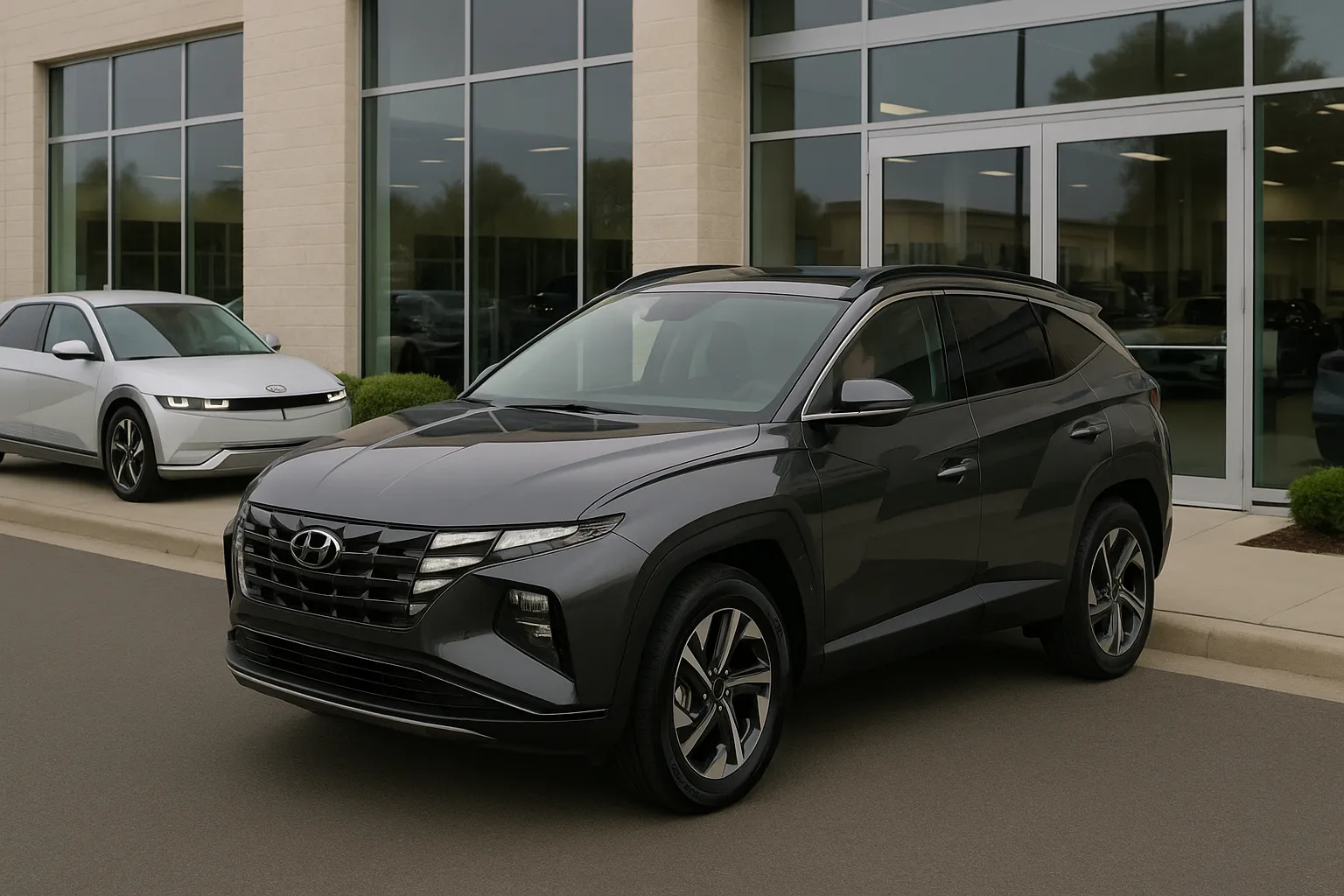
Hyundai has recorded its strongest first-half sales performance to date, and the result says as much about the state of the car market as it does about the brand’s current lineup. Electrified vehicles accounted for roughly one-third of Hyundai’s sales during the period, with hybrids playing a major role in the company’s momentum.
That distinction matters. “Electrified” is a broad industry term that typically includes conventional hybrids, plug-in hybrids, and battery-electric vehicles. In Hyundai’s case, the headline is not simply that EVs are growing. It is that shoppers are increasingly choosing vehicles that reduce fuel use without necessarily requiring a full switch to public or home charging.
For buyers, dealers, and rival automakers, Hyundai’s first-half result is another sign that hybrids have moved from a niche choice to a central part of the mainstream market.
Why hybrids are working for Hyundai
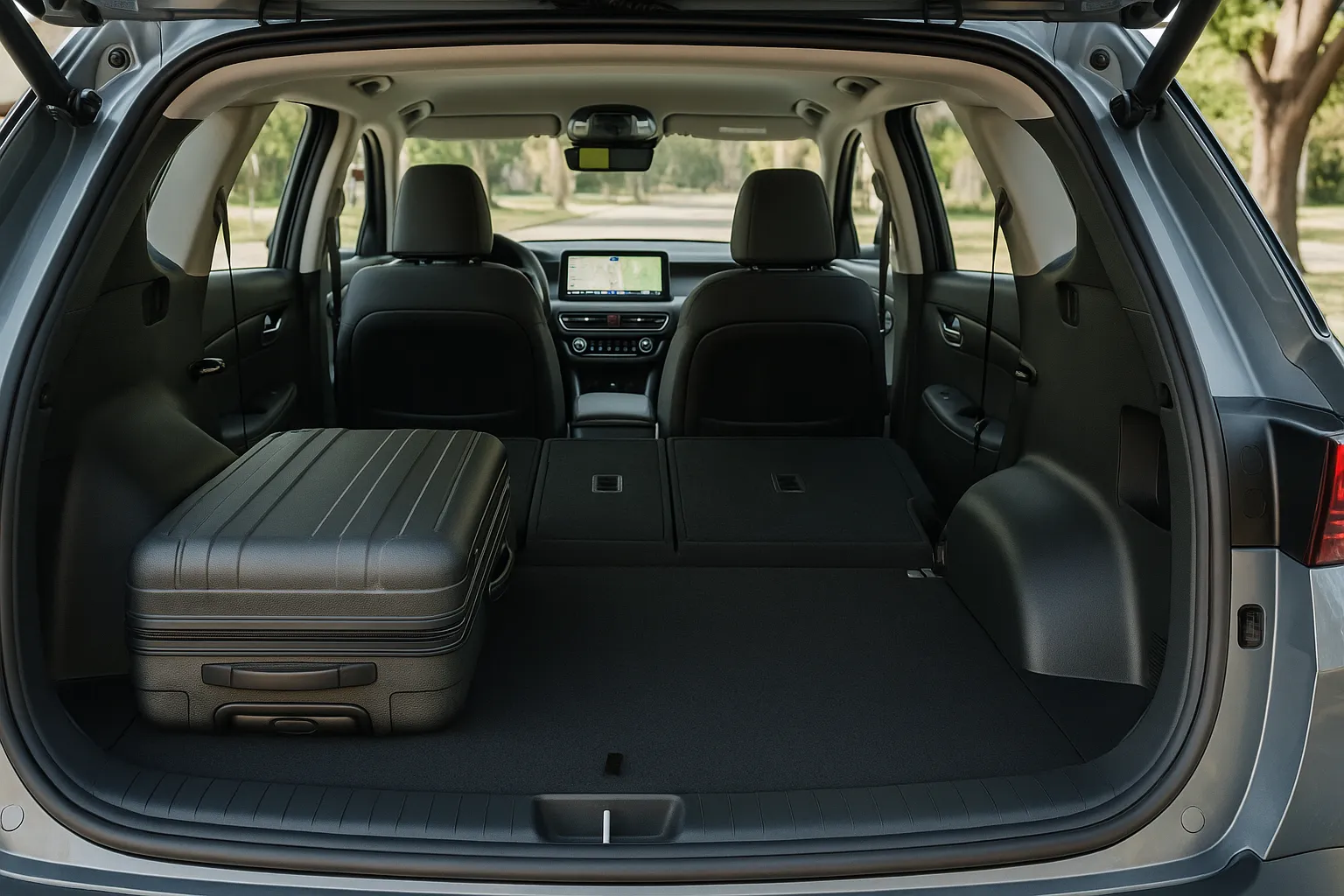
Hyundai’s lineup is well positioned for the current moment because it offers electrified options in familiar body styles. The Tucson Hybrid and Santa Fe Hybrid sit in two of the most important segments in the U.S. market: compact and midsize crossovers. The Elantra Hybrid and Sonata Hybrid add fuel-efficient options for shoppers who still want a sedan, while Hyundai’s Ioniq models serve buyers ready to move fully electric.
That range gives Hyundai a flexible answer to a complicated market. Some customers want lower fuel bills but are not ready for a battery-electric vehicle. Others live in apartments, lack access to overnight charging, or regularly drive long distances in areas where charging reliability remains uneven. A conventional hybrid avoids many of those concerns while still offering noticeably better fuel economy than a comparable gasoline-only model.
Hybrids also tend to be easier for dealers to explain. There is no charging education required, no route-planning discussion, and no need to evaluate whether a buyer’s home electrical setup can support Level 2 charging. For many households, the ownership experience is essentially the same as a gasoline vehicle, just with fewer fuel stops.
The EV slowdown did not end electrification
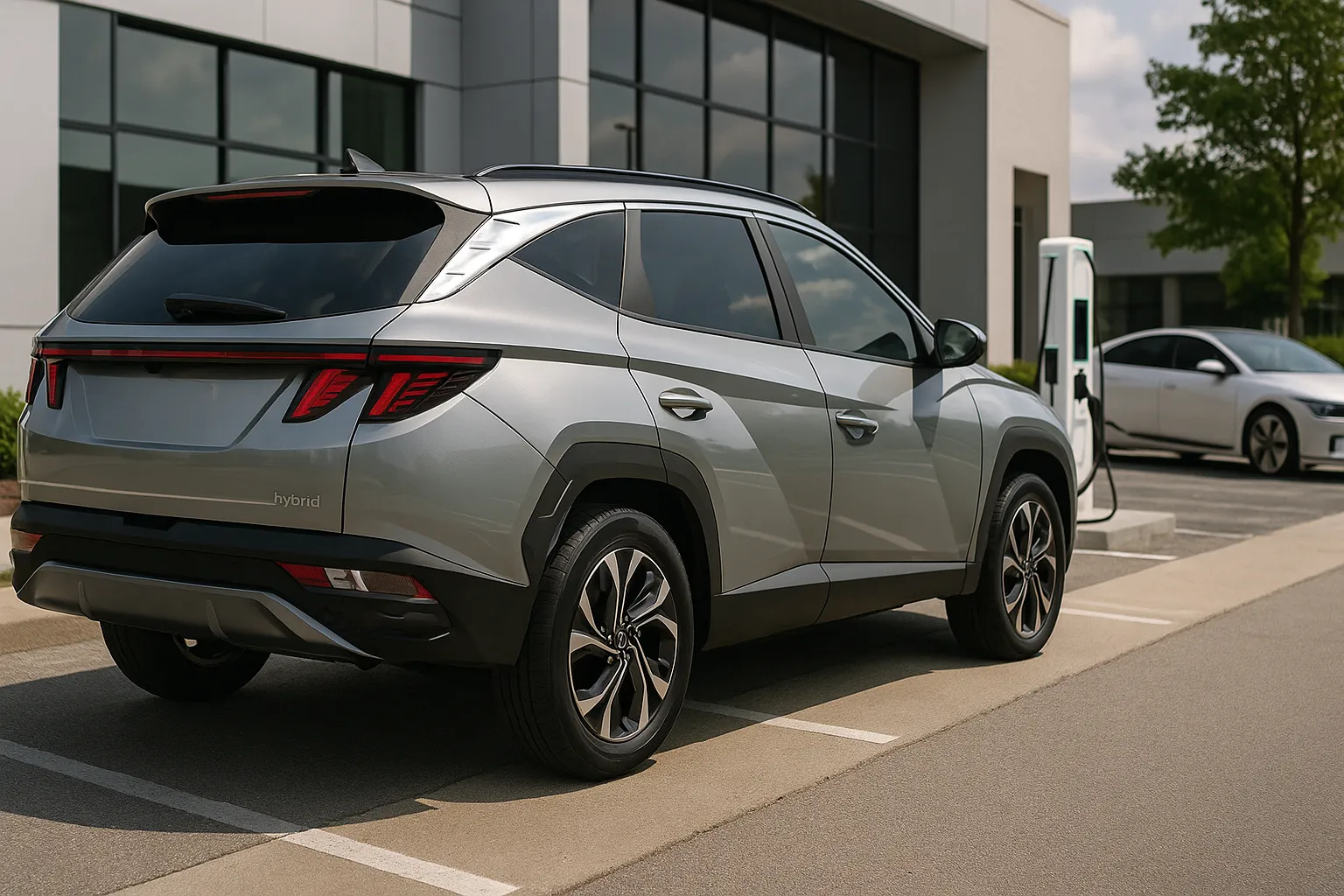
Hyundai’s record first half also helps clarify a point that can get lost in the broader electric-vehicle debate. Slower EV growth does not mean shoppers have rejected electrification. It means many are choosing a step between traditional internal combustion and a full EV.
Battery-electric vehicles remain important to Hyundai’s long-term strategy. Models under the Ioniq name have helped establish the brand as a serious EV competitor, and Hyundai has invested heavily in electric platforms, battery supply, and production capacity. But the market is not moving in a straight line. Higher interest rates, uneven charging infrastructure, insurance costs, and uncertainty around incentives have made some buyers more cautious about EVs.
Hybrids give Hyundai a way to keep those customers in the showroom. They also protect the company from relying too heavily on one technology path. If EV demand accelerates, Hyundai has products ready. If buyers continue to favor hybrids, the brand has volume models that can meet that demand now.
What this means for car buyers
For shoppers, the sales result could affect availability and pricing. Strong demand for hybrid trims may lead dealers to request more of them, particularly in high-volume crossover lines. That can be good news if it improves selection, but popular hybrid versions may also carry tighter discounts than gasoline-only models.
The value calculation will vary by vehicle and driving pattern. A hybrid can cost more upfront, but the payback improves for drivers who spend a lot of time in city traffic, where regenerative braking and electric assist are most useful. Buyers should compare the actual transaction price, fuel economy difference, insurance cost, and financing terms rather than focusing only on the window sticker.
Resale value is another factor. As hybrids become more familiar to mainstream shoppers, used-market acceptance generally improves. A well-known hybrid crossover from a major brand may appeal to a wide pool of secondhand buyers, especially if fuel prices rise. Owners should still pay attention to warranty coverage, maintenance records, and battery-related terms, but modern hybrids are no longer unusual products in the used-car market.
What this means for owners
Current Hyundai owners may see the benefit through continued investment in hybrid service, technician training, and parts availability. A higher sales mix gives automakers and dealer networks a stronger business case to support electrified powertrains at scale.
For owners of gasoline-only Hyundai models, the trend may shape future trade-in decisions. If hybrid versions of popular models become easier to find, upgrading within the same brand could be more attractive. For EV owners, the broader electrified push may help normalize features such as regenerative braking, energy-use displays, and software-based vehicle management across more of Hyundai’s lineup.
What this means for the industry
Hyundai’s performance adds pressure on competitors that have been slower to broaden hybrid availability. Toyota has long built much of its U.S. reputation around hybrid technology, and Honda has expanded hybrid offerings in core models such as the CR-V and Accord. Hyundai’s sales momentum shows that hybrid demand is not limited to legacy hybrid leaders.
The result also reinforces a likely product-planning reality: automakers may need multiple powertrain strategies at the same time. A single bet on gasoline, hybrid, or battery-electric vehicles may be too narrow for a market split by price, infrastructure, regulations, and consumer confidence.
For enthusiasts, this shift may not sound as exciting as a new performance car, but it influences what automakers can afford to build. Strong sales of profitable crossovers and hybrids can fund riskier vehicles, performance trims, and future technology. It also shapes engineering priorities, including lighter platforms, more efficient transmissions, better battery packaging, and software that manages power delivery more intelligently.
The key takeaway
Hyundai’s record first-half sales are not just a brand milestone. They are a snapshot of where many buyers are right now: interested in efficiency, open to electrification, but not always ready to rely solely on charging.
That makes hybrids a practical bridge technology, and for Hyundai, a major sales driver. The company’s challenge will be keeping enough hybrid inventory available while continuing to build credibility in EVs. If it can balance both, Hyundai will be well placed for a market that is becoming more electrified, but not in only one way.