Hyundai Weighs a Future Where Hybrids Replace Regular Gas Models
Hyundai is considering whether conventional gasoline models still need to exist alongside hybrids, a shift that could reshape pricing, fuel economy, and future model lineups.
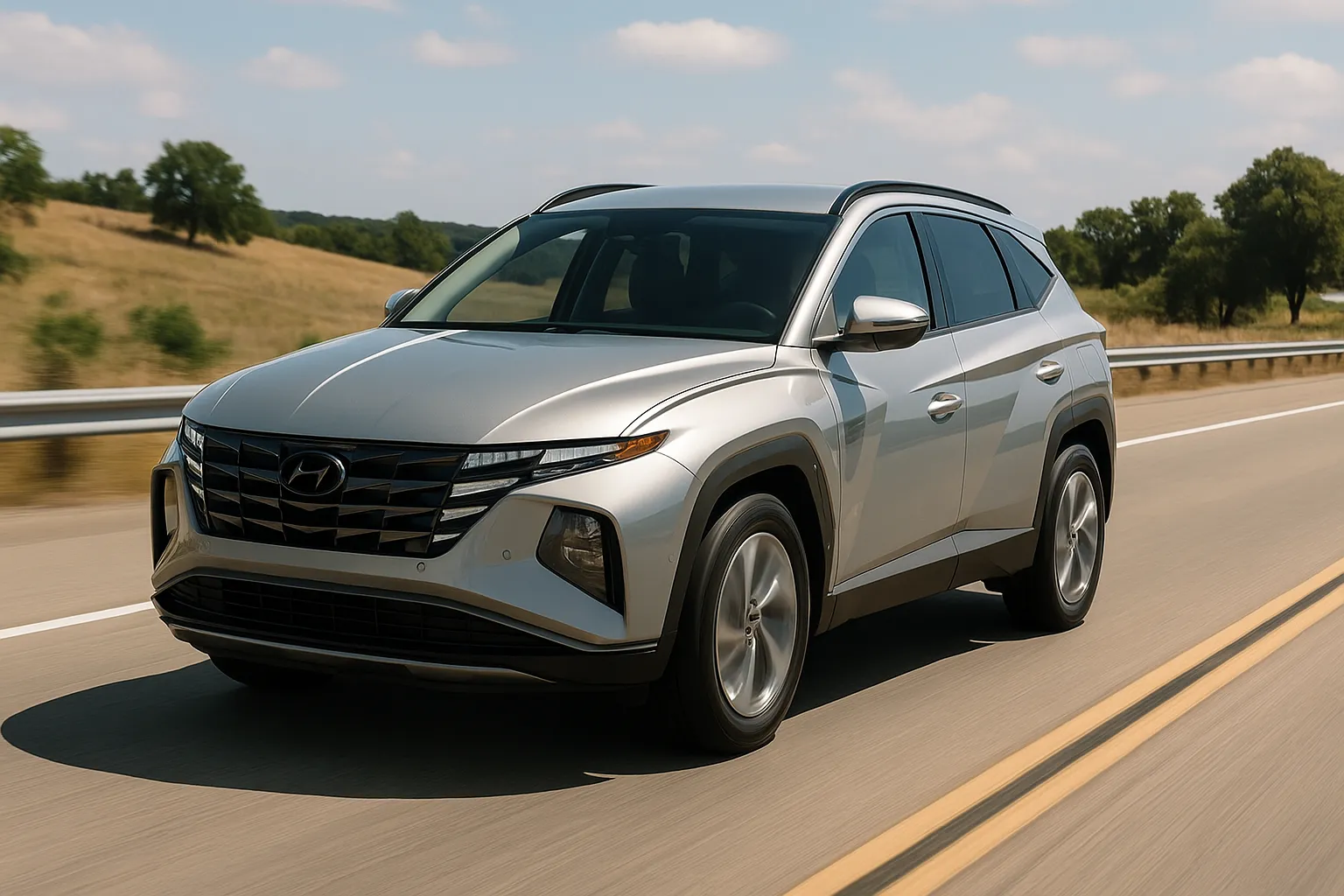
Hyundai is weighing a strategic question that could become one of the defining product decisions for mainstream automakers over the next few years: if a hybrid delivers better fuel economy, stronger low-speed response, and similar everyday usability, how much longer does the conventional gas-only version need to remain?
The company has not announced a formal hybrid-only timetable, and there is no confirmed list of vehicles that would lose traditional gasoline powertrains. But the direction under consideration is clear enough: Hyundai is looking at whether future internal-combustion models should increasingly be electrified by default, rather than offering a hybrid as the more expensive alternative.
That would not mean Hyundai is backing away from electric vehicles. It would mean the brand sees hybrids as a larger bridge technology than many automakers expected just a few years ago. For buyers, that could eventually change how Hyundai prices cars, how its showrooms are stocked, and what “base engine” means in models such as compact sedans, family crossovers, and larger SUVs.
What a hybrid-only strategy would mean
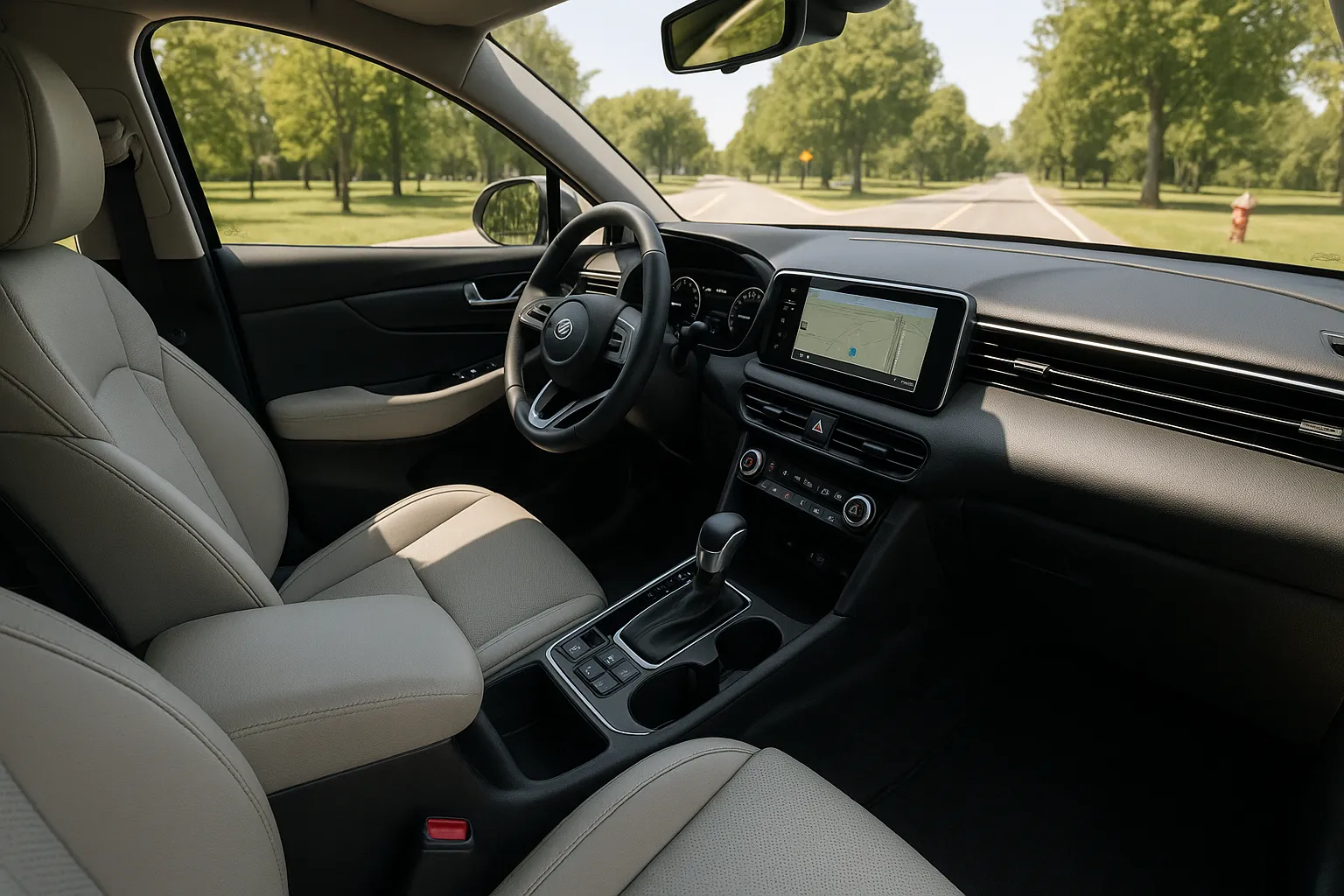
A hybrid-only approach is different from an EV-only plan. In this context, it would mean Hyundai could stop selling certain vehicles with non-electrified gasoline engines, while continuing to offer hybrids, plug-in hybrids where appropriate, and fully electric models in parallel.
Instead of choosing between a regular gas Tucson and a Tucson Hybrid, for example, shoppers might eventually find that every mainstream version uses some form of electric assistance. The same logic could apply across sedans and SUVs if Hyundai decides the cost, emissions, performance, and marketing benefits are strong enough.
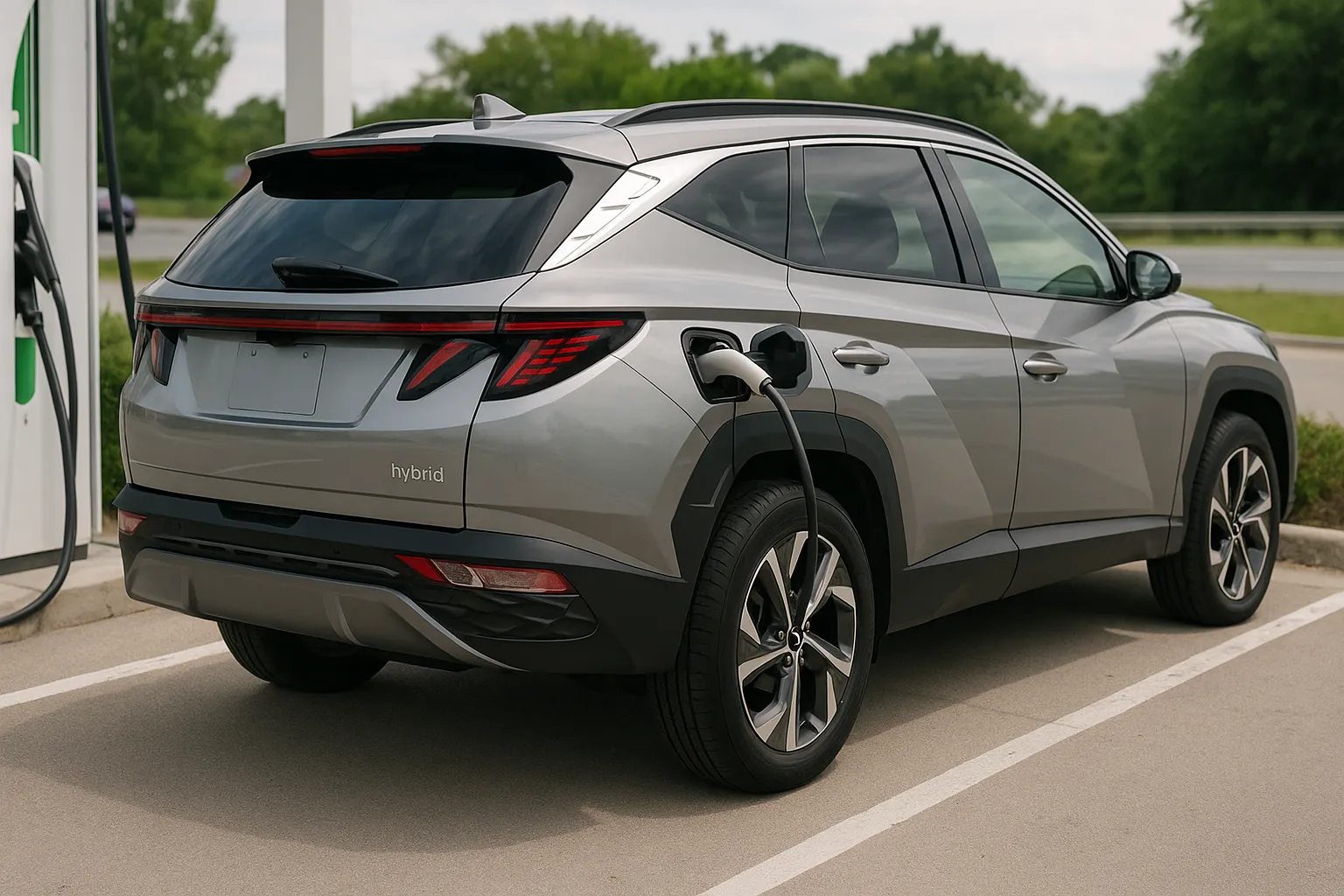
The appeal is easy to understand. A conventional hybrid does not require a plug. It typically uses a gasoline engine, an electric motor, a small battery, and regenerative braking to reduce fuel use. In stop-and-go traffic, the electric motor can move the vehicle at low speeds or assist the engine during acceleration. On the highway, the gas engine still does most of the work. To the driver, the experience is familiar; to the fuel gauge, it can be meaningfully better.
For many households, that combination is less disruptive than moving directly to a battery-electric vehicle. There is no home charging installation to consider, no public charging plan to map out, and no change in road-trip habits. The owner simply buys fuel less often.
Why Hyundai would consider it now
The timing reflects a broader industry recalibration. EV sales are still growing in many markets, but not at the pace some brands once planned for. Charging infrastructure remains uneven, battery costs remain important to transaction prices, and many consumers are still cautious about range, resale value, and cold-weather performance.
At the same time, hybrids have become far more mainstream. Once associated mainly with efficiency-focused compact cars, hybrid systems are now common in family SUVs, minivans, sedans, and even performance vehicles. They can improve fuel economy without forcing a dramatic change in buyer behavior.
Hyundai already sells a mix of hybrids, plug-in hybrids, and EVs. Its hybrid offerings have included versions of the Tucson, Santa Fe, Sonata, and Elantra, while the Ioniq-badged EV family and related electric models demonstrate the company’s longer-term battery-electric ambitions. A hybrid-heavy strategy would not replace those EVs; it would give Hyundai a stronger answer for buyers who are not ready to plug in.
There is also a regulatory angle. Automakers face tightening emissions and fuel-economy rules in many regions, though the exact requirements vary by market and can shift with politics. Selling more hybrids can help reduce fleet fuel consumption while preserving familiar vehicle formats and manufacturing flexibility.
The buyer benefits are real, but not free
For consumers, the strongest case for hybrids is simple: lower fuel use with few lifestyle compromises. In city driving especially, hybrids can deliver a large efficiency advantage over comparable gas-only models. They can also feel smoother and more responsive at low speeds because electric motors provide immediate torque.
Hybrids may also reduce brake wear thanks to regenerative braking, which recaptures energy while slowing the vehicle. Many owners also appreciate the quiet operation in parking lots and traffic, where the gas engine may shut off more often.
But there are trade-offs. Hybrids usually cost more to build than non-hybrid vehicles, and some of that cost reaches the sticker price. If Hyundai were to make hybrids standard on more models, the company would need to manage affordability carefully, particularly on entry-level trims. A more efficient vehicle is not automatically a better deal if the purchase price rises beyond what fuel savings can repay.
There is also the question of long-term ownership. Modern hybrid systems have generally proven durable across the industry, but buyers still need to understand battery warranties, repair costs, and how used-vehicle values treat aging hybrid components. Hyundai would need clear warranty coverage and transparent pricing to make a hybrid-only message reassuring rather than confusing.
What it could mean for enthusiasts
For driving enthusiasts, a hybrid-only shift is not necessarily bad news. Electric assistance can sharpen throttle response, fill torque gaps, and allow smaller engines to perform more like larger ones in everyday driving. The best hybrid systems do more than save fuel; they improve drivability.
The concern is weight and complexity. Adding motors, batteries, and power electronics can make a vehicle heavier. In performance models, calibration matters as much as hardware. A poorly integrated hybrid can feel disconnected or inconsistent, while a well-tuned one can feel stronger and more refined than the gas-only version it replaces.
Hyundai’s N performance division and sporty N Line models would be an important test case if the brand moved broadly toward electrified powertrains. Enthusiasts will judge not just horsepower and fuel economy, but steering feel, brake blending, transmission behavior, and whether the car remains engaging.
The industry signal
If Hyundai moves closer to hybrid-only gasoline lineups, it would reinforce a major shift among mass-market automakers. The industry is no longer treating hybrids merely as a niche alternative or a short-lived stepping stone. For the rest of this decade, hybrids may become the default answer for buyers who want better efficiency but are not ready for a full EV.
That has supply-chain implications. More hybrids require more batteries, motors, inverters, and control software, even if the battery packs are much smaller than those in EVs. Automakers must balance hybrid production with EV production, manage component costs, and avoid creating new bottlenecks.
It also changes competition. If one mainstream brand makes hybrid power standard on high-volume models, rivals may face pressure to match the fuel economy and drivability advantages. That could be especially important in compact SUVs and midsize family vehicles, where shoppers compare operating costs closely.
What shoppers should watch
For now, Hyundai buyers should treat hybrid-only talk as a strategy under evaluation, not a confirmed product roadmap. The key signs to watch will be future model launches, trim-level changes, and whether redesigned vehicles continue to offer non-hybrid base engines.
If Hyundai begins making hybrid power standard on redesigned high-volume models, the transition will be underway. If it keeps hybrids as optional upgrades, the company may be choosing a slower, market-by-market approach.
Either way, the question Hyundai is asking matters because it cuts to the center of the modern car market. Gas-only vehicles still have advantages in purchase price and simplicity, but hybrids are becoming harder to dismiss. For many drivers, they offer the easiest efficiency upgrade available: no charging cable, no new routine, and fewer fuel stops.
That is why a possible Hyundai hybrid-only strategy is more than a product-planning detail. It is a sign that the next phase of mainstream electrification may not be defined only by EV adoption. It may also be defined by the quiet disappearance of the traditional gas-only car from everyday showroom choices.