New Hyundai Avante previews a bold hybrid saloon with possible European ambitions
Hyundai’s next Avante points to a sharper, larger and more hybrid-focused compact saloon. A UK or European return is not confirmed, but the timing is notable as the i30 bows out.
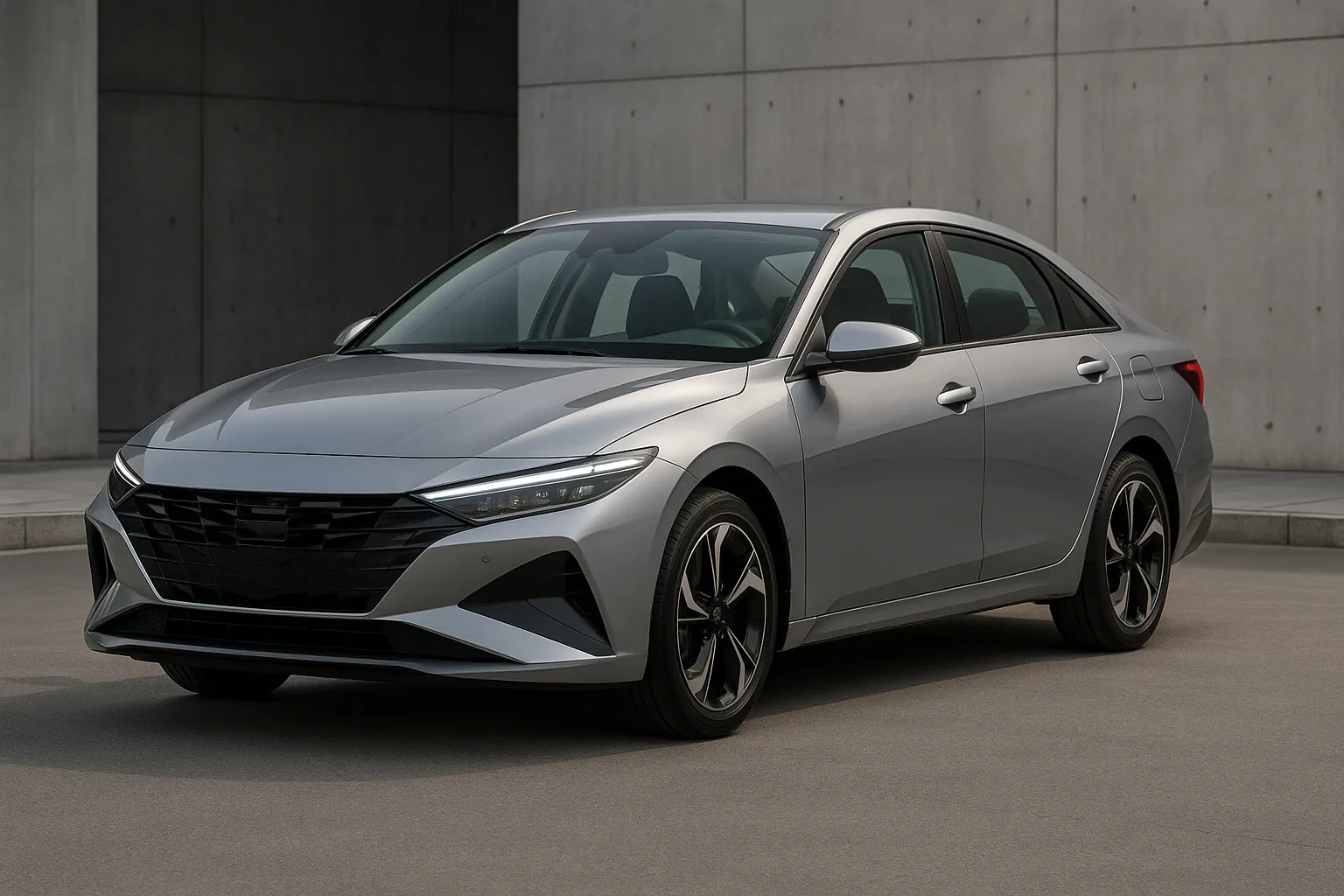
Hyundai’s next Avante signals a change in direction
Hyundai has previewed a new generation of its Avante saloon, and it is a more significant car than its four-door body style might initially suggest. The Avante is one of Hyundai’s major global models, sold in high volumes in markets such as Korea, the United States and parts of Asia. In Europe, however, Hyundai has long leaned on hatchbacks and SUVs instead, with the i30 filling the role of the brand’s mainstream family car.
That context is what makes this new Avante interesting. Hyundai has confirmed the end of the European i30, removing a familiar hatchback from its range at a time when many buyers still want relatively affordable, efficient family cars that are not SUVs. The Avante has not been a regular fixture in European showrooms for decades, but the new model’s size, styling and hybrid emphasis could make it more relevant to this market than previous generations.
A UK or wider European launch has not been confirmed. The car should therefore be treated as a preview of Hyundai’s direction rather than a guaranteed replacement for the i30. Even so, it gives a clear look at how the brand is reshaping its combustion and hybrid line-up while its electric Ioniq models continue to cover a separate part of the market.
Bigger, sharper and more upmarket in stance
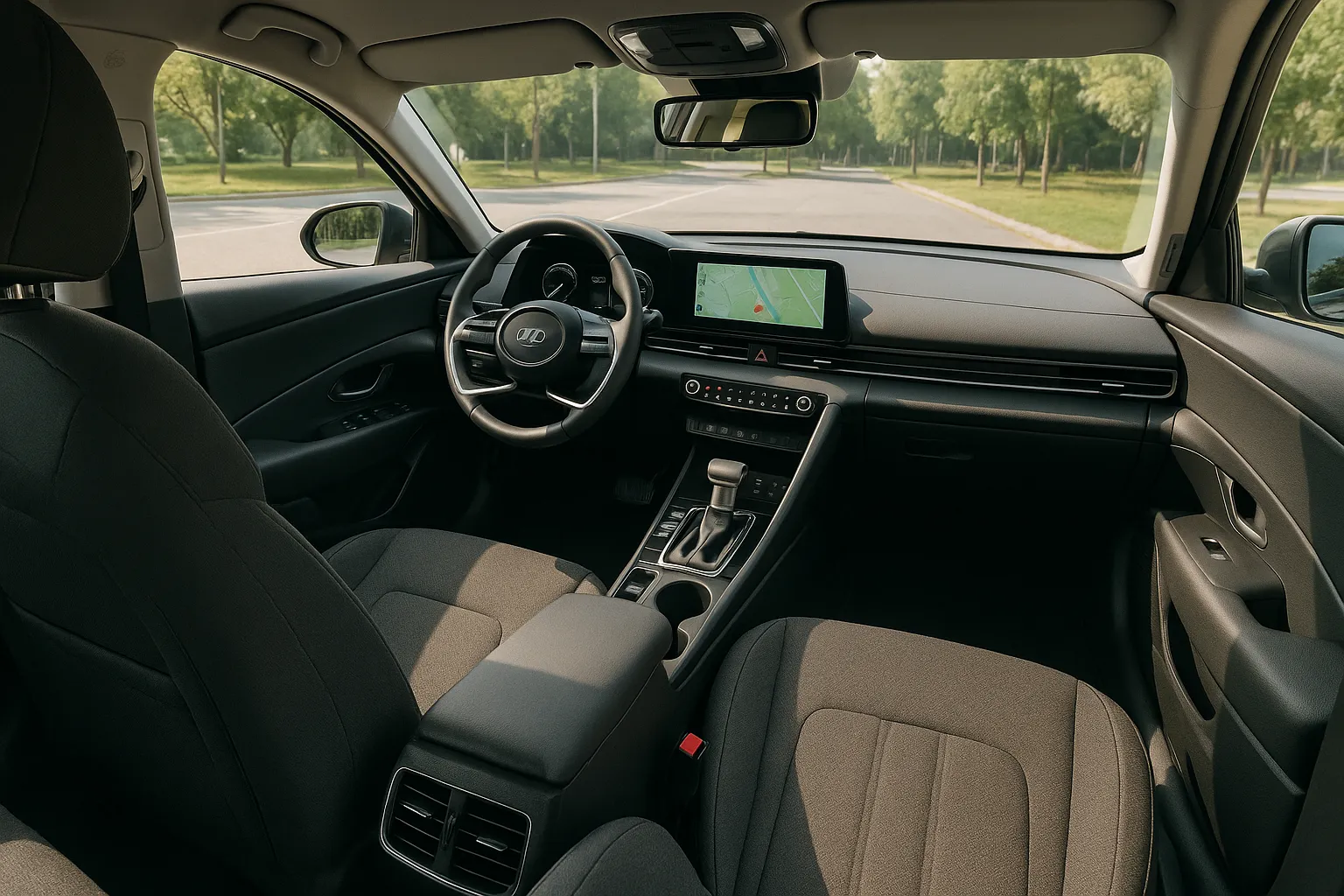
The eighth-generation Avante is no longer a modest compact saloon in the traditional sense. At 4,765mm long, it is a sizeable car by family-car standards and is close in length to some premium fastback models. That growth changes the car’s positioning: it is still linked to the compact class in spirit, but its footprint pushes it toward the upper end of that space.
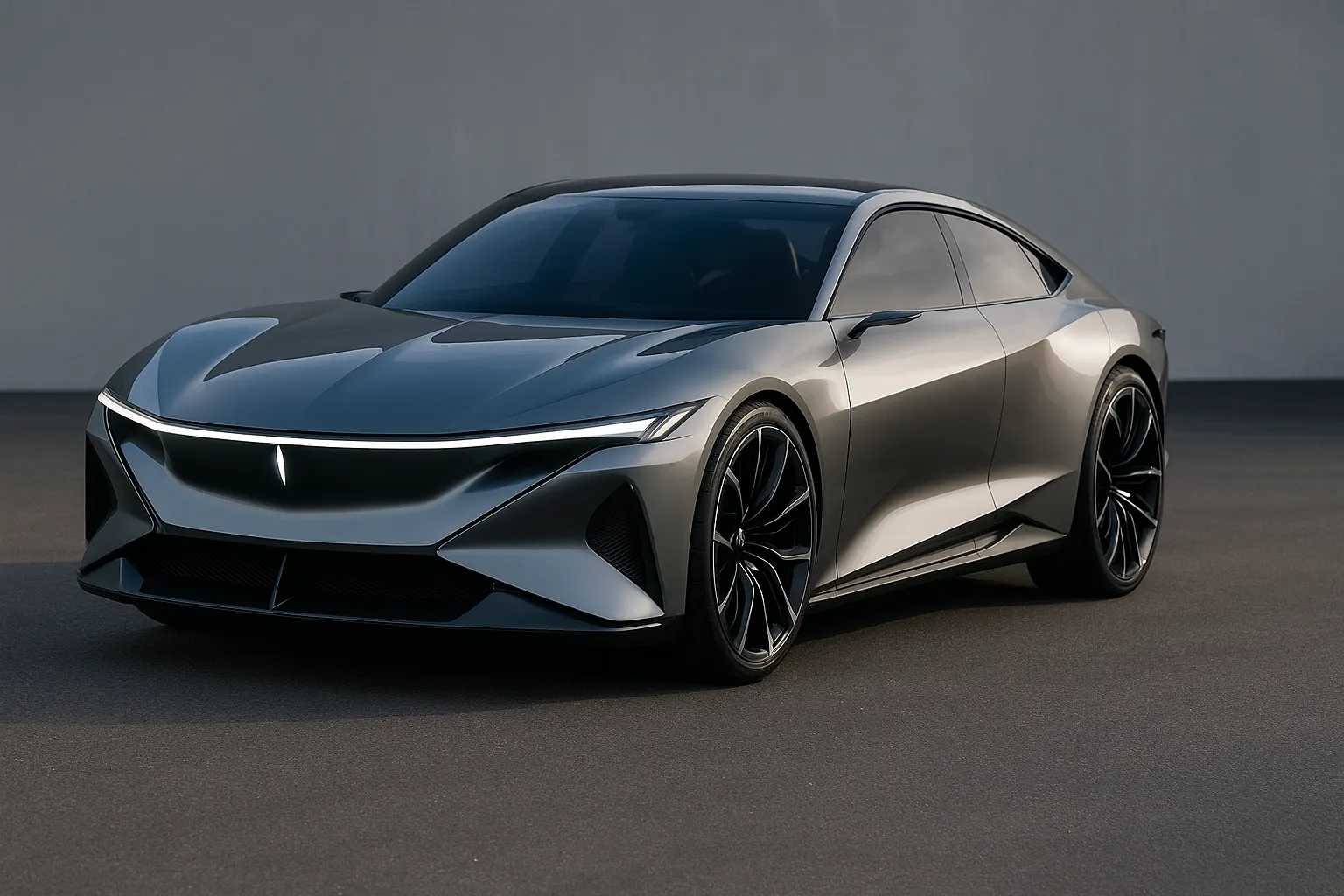
The design is also far more assertive than Hyundai saloons of the past. The new Avante uses Hyundai’s latest “Art of Steel” styling language, developed by the brand’s Korean design team. On this model, that translates into a low, pointed front end, crisp surfacing, pronounced wheel arches and slim lighting elements. The result is a car that looks more like a design-led statement than a conservative fleet saloon.
Hyundai’s recent production cars and concepts have shown that the company is willing to give different model lines distinct personalities rather than applying one face across the range. The Avante continues that approach. It is angular and technical-looking, but not in the same way as the pixel-themed Ioniq EVs. It appears intended to make Hyundai’s petrol and hybrid cars feel modern in their own right, rather than simply waiting to be replaced by electric vehicles.
The front and rear lighting are expected to be especially important. The Avante previews an H-shaped lighting graphic that is set to appear on other Hyundai combustion-powered models. Future SUVs such as the next Tucson and Kona are expected to adopt related design cues, which means this saloon is likely doing more than introducing a single model. It is previewing the next phase of Hyundai’s non-EV design identity.
Hybrid power could be the key to Europe
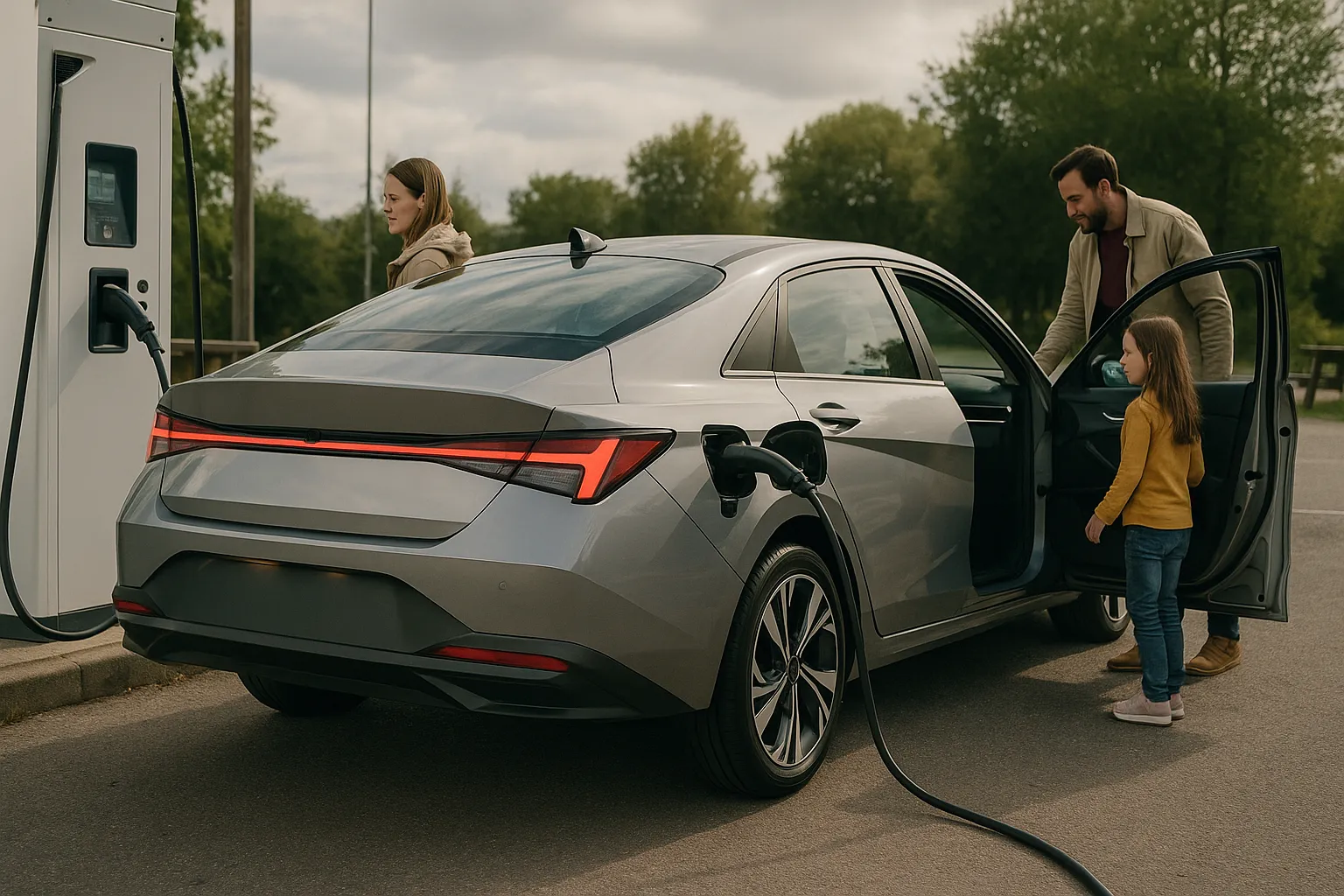
The Avante’s potential relevance to European buyers depends heavily on powertrain strategy. Conventional petrol saloons have become harder to justify in a market shaped by emissions rules, tax systems and consumer demand for lower running costs. Hybrid versions, however, remain appealing to drivers who are not ready for a full EV or who lack easy charging access.
Hyundai is expected to give the new Avante more Europe-friendly hybrid options than earlier versions. That matters because a hybrid saloon could occupy a useful space between small SUVs, used premium cars and fully electric models. For buyers, the appeal would be straightforward: better fuel economy than a conventional petrol car, lower complexity than a plug-in hybrid, and likely lower purchase and ownership costs than a comparable EV.
This does not mean Hyundai will definitely bring the Avante to the UK. Saloons are a difficult sell in many European countries, and the market has shifted heavily toward crossovers. But there are signs that the segment is not entirely dead. Some buyers still prefer the driving position, aerodynamic efficiency and booted profile of a saloon, especially if the car offers strong equipment levels and a competitive price.
The Avante could also help Hyundai avoid leaving too large a gap beneath its bigger models. With the i30 disappearing, customers who do not want a Tucson or Kona may have fewer conventional options within the brand’s range. A hybrid Avante would not be a like-for-like hatchback replacement, but it could give Hyundai a credible alternative for private buyers and company-car users who value efficiency over SUV styling.
Why it matters for buyers
For car buyers, the most important point is choice. The European family-car market has narrowed as manufacturers have dropped hatchbacks, estates and saloons in favour of SUVs. If Hyundai decides to offer the Avante in Europe, it would add another option for people who want a practical, efficient car without moving into a crossover.
The Avante’s size could be both an advantage and a drawback. At nearly 4.8 metres long, it should offer generous cabin and boot space, but it may feel large for urban drivers used to smaller hatchbacks. Buyers coming out of an i30 would need to judge whether the extra length is useful or inconvenient. The answer will depend on parking, commuting patterns and family needs.
Running costs will be another key factor. A conventional hybrid Avante could be attractive if it delivers strong real-world fuel economy and sensible insurance ratings. It would also avoid the charging requirements of an EV, which remains a major consideration for drivers without off-street parking. However, without official specifications, pricing or emissions figures, it is too early to assess whether it would beat rivals on value.
For owners of older Hyundai hatchbacks, the Avante’s possible arrival would show that Hyundai has not abandoned mainstream family cars entirely. Instead, the brand may be rethinking what form they take. Rather than continuing with a traditional European hatchback, Hyundai could use a global saloon platform with hybrid technology to serve buyers who still want something lower, sleeker and more efficient than an SUV.
Why it matters for Hyundai
The new Avante also has industry significance. Hyundai has invested heavily in electric cars, but it still needs competitive combustion and hybrid models during the transition period. Not every buyer can switch to an EV immediately, and not every market is moving at the same speed. A sharp-looking, hybrid-capable Avante allows Hyundai to keep its mainstream line-up fresh while its EV range expands.
It also shows how global carmakers are trying to make fewer model lines work harder across more regions. The Avante is already important outside Europe. If Hyundai can adapt it for European tastes and regulations, it could reduce reliance on region-specific models and fill gaps left by discontinued hatchbacks.
There is some naming uncertainty around early material, with both Avante and Avanti spellings appearing. Hyundai’s established nameplate is Avante in its home market, and that is the name used here unless the company confirms a different badge for a specific region.
For now, the new Avante is best viewed as a strong signal rather than a confirmed UK showroom arrival. It previews Hyundai’s next design language, points toward broader hybrid availability and raises the possibility that the brand’s post-i30 family-car offering may not be another SUV. For buyers tired of narrowing choices, that possibility alone makes it worth watching.