UK VAT Cut Will Make Home EV Charging Cheaper From October
Scrapping VAT on domestic electricity will trim the cost of charging an electric car at home, but drivers who rely on public chargers will not see the same benefit.
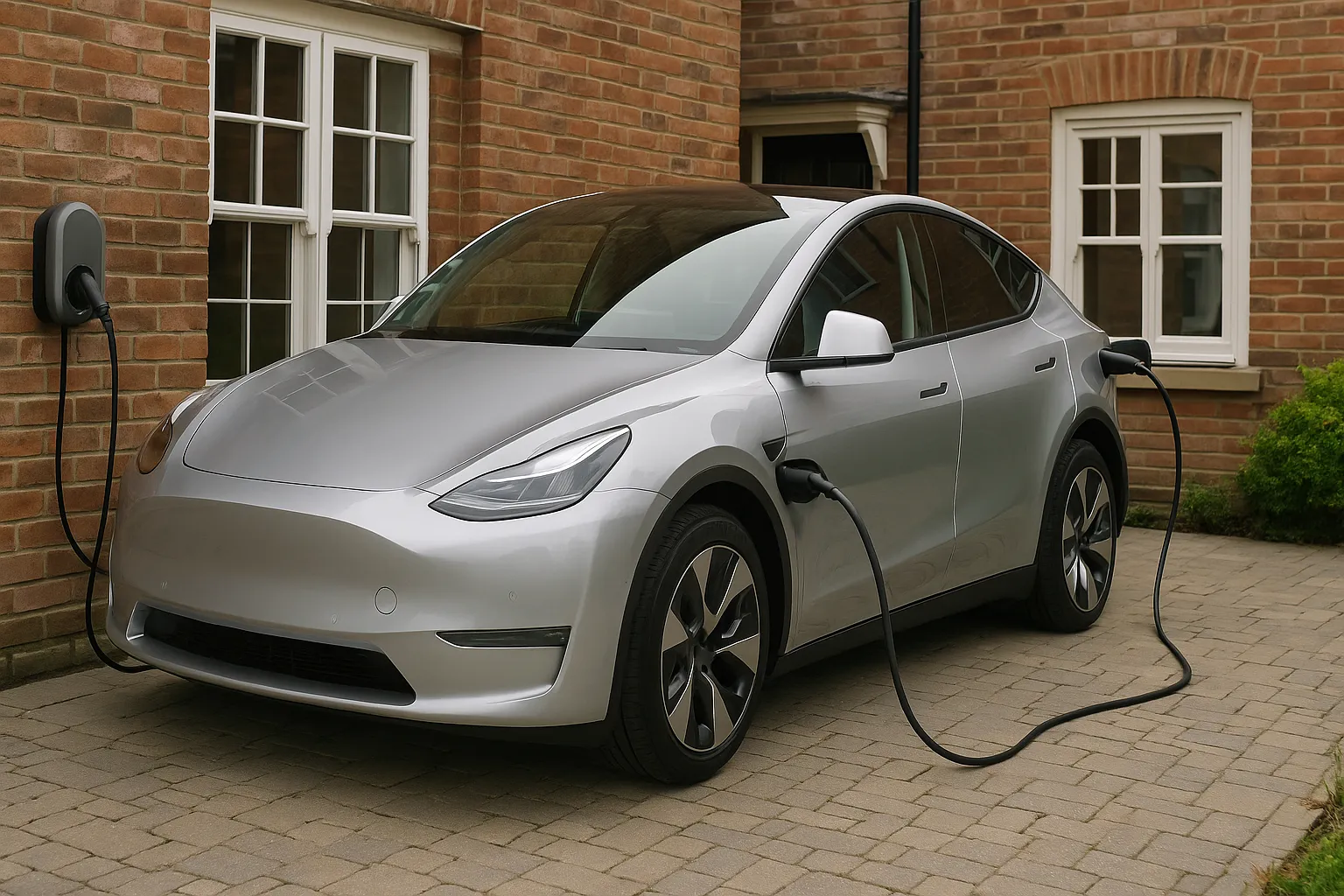
The cost of charging an electric car at home in the UK is set to fall from 1 October, when VAT on domestic electricity is due to be removed. For EV owners with a driveway, garage or allocated parking space and a home wallbox, the change will shave a small but useful amount from every charge.
The measure does not apply to public charging. That distinction matters because public chargepoints are already taxed more heavily than household energy, and the new policy will widen the running-cost gap between drivers who can charge at home and those who cannot.
What is changing?
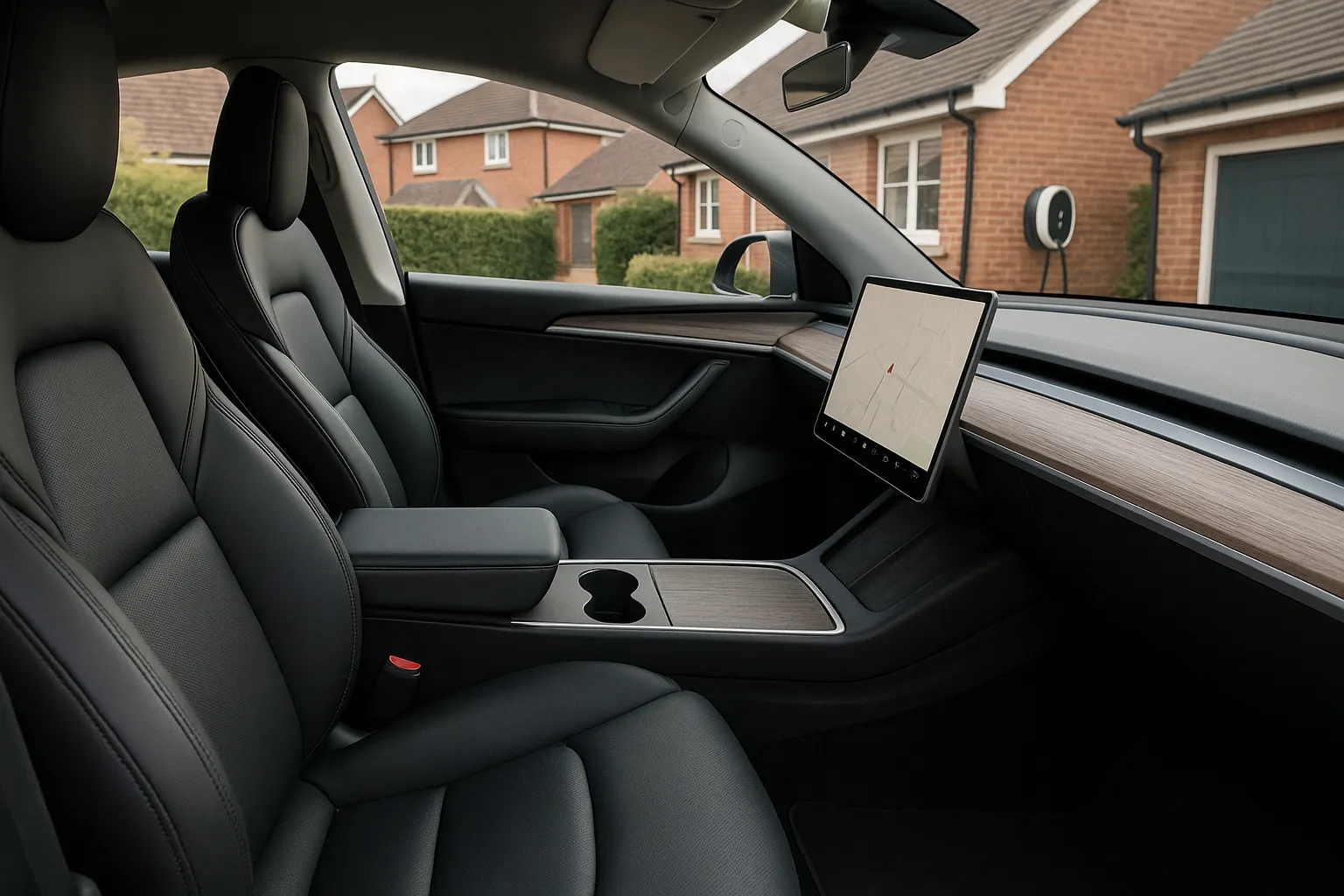
Domestic electricity is currently subject to 5% VAT. From 1 October, that rate is scheduled to drop to zero. The change applies to household electricity bills, so it will affect any EV charging done through a domestic supply, whether the car is plugged into a dedicated wallbox or a three-pin socket.
Public EV charging is different. Electricity sold through public chargepoints is generally subject to 20% VAT, and that rate is not being reduced under this measure. Rapid and ultra-rapid charging already tends to cost far more per kilowatt-hour than home charging because of infrastructure, connection and operating costs. Keeping the higher VAT rate on public charging means the tax system will continue to favour drivers with access to off-street parking.
For car buyers comparing petrol, diesel, hybrid and electric models, the VAT change is not large enough to transform the economics on its own. But it does lower the day-to-day cost of EV ownership for many households, particularly those that regularly charge at home.
How much could EV drivers save?
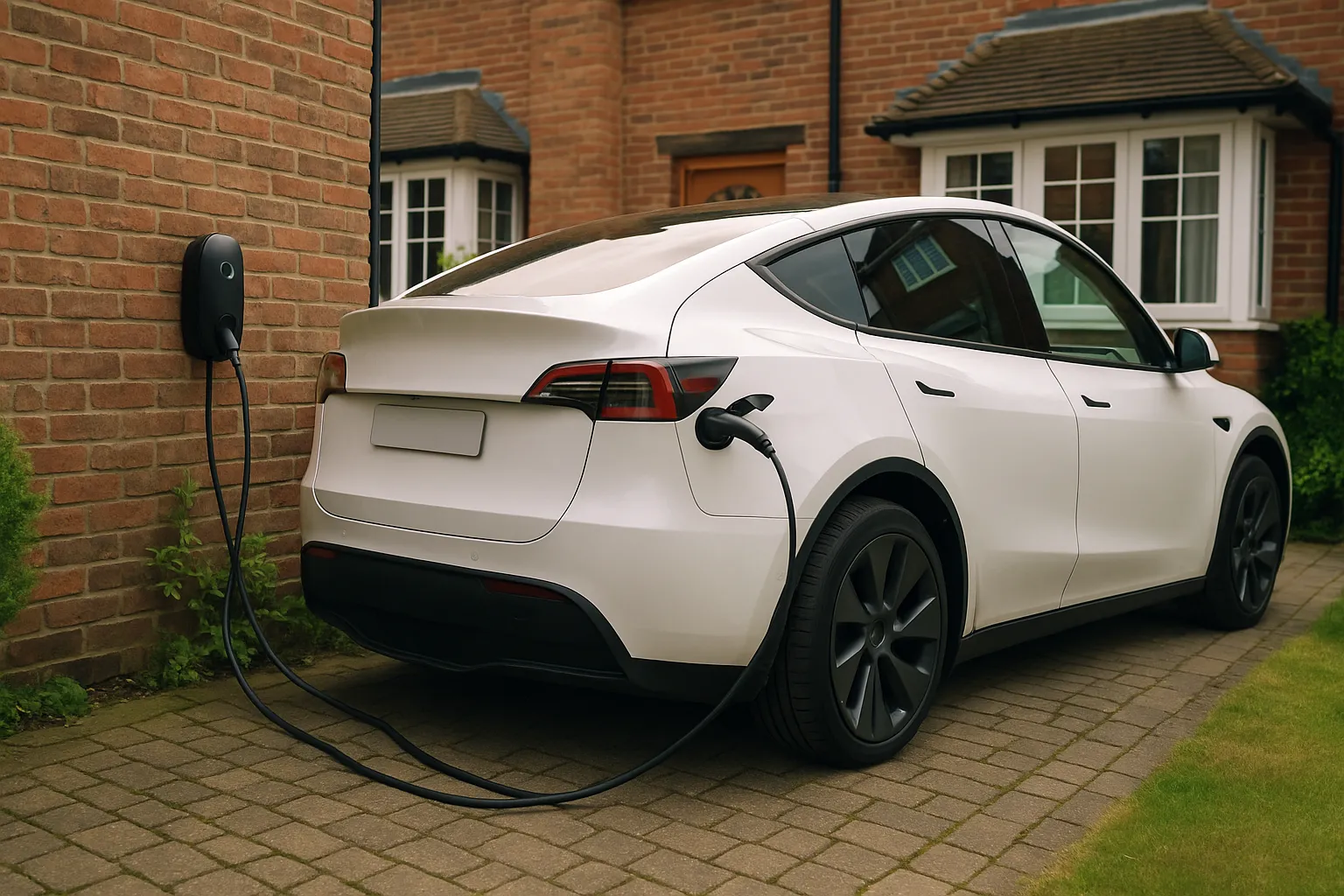
The saving depends on the electricity tariff and the size of the battery being charged. Based on the current Ofgem price cap figure of 26.11p per kWh for the July-to-September period, removing 5% VAT reduces the VAT-inclusive price by a little over 1.2p per kWh.
That means a full home charge for a large-battery EV could be around 70p to 80p cheaper than before. A Tesla Model Y, one of the UK’s most popular electric cars, would save roughly 78p on a large charge at that price level. Smaller EVs with more modest batteries would see a lower saving, with some charges reduced by only a few tens of pence.
Those figures are per charge, not per month. Over a year, the impact becomes more noticeable but still moderate. A driver covering 8,000 miles annually at around 3.5 miles per kWh would use roughly 2,285 kWh for driving. At a saving of about 1.2p per kWh, that equates to around £28 per year. A higher-mileage driver doing 12,000 miles could save closer to £40, assuming similar efficiency and electricity pricing.
Drivers on dedicated overnight EV tariffs will see a smaller cash saving per kilowatt-hour because their unit rates are often much lower than the standard price cap rate. For example, removing 5% VAT from a very cheap off-peak rate saves less in absolute pence per kWh, although those tariffs remain among the cheapest ways to run an electric car.
Why this matters for home charging
Home charging is one of the strongest financial arguments for buying an EV. Even before the VAT change, charging overnight at home could cost a fraction of the price of petrol or diesel on a per-mile basis. Removing VAT from domestic electricity strengthens that advantage slightly.
The benefit is also automatic for most drivers. EV owners will not need a new charger, a different cable or a vehicle software update. The saving should appear through the household electricity bill once the VAT rate changes, subject to how each supplier implements billing around the start date.
However, buyers should be careful not to overestimate the effect. The biggest cost differences in EV ownership still come from the electricity tariff, the vehicle’s efficiency, annual mileage, depreciation, insurance and whether the car is bought new, used, financed or leased. A low-rate overnight tariff can save far more than the VAT cut alone.
For anyone considering an EV, the practical question remains the same: can you charge conveniently where the car is parked for long periods? If the answer is yes, the cost case improves. If the answer is no, the VAT cut may not help at all.
The public charging gap gets wider
The less welcome side of the policy is its impact on drivers without access to home charging. Many urban motorists park on the street, live in flats or rent homes where installing a wallbox is not straightforward. These drivers are more dependent on public chargers, including lamppost chargers, destination chargers, rapid hubs and motorway services.
Because public charging remains subject to 20% VAT, those drivers will not receive the same tax reduction. In practice, two people driving the same EV for the same mileage could face very different running costs simply because one has a driveway and the other does not.
That unevenness has long been a concern for EV adoption. The UK’s charging network has grown significantly, but cost and convenience still vary widely by location. Some public slow and fast chargers can be reasonably priced, especially through local networks or subscription plans. Rapid and ultra-rapid chargers, particularly on major routes, can be much more expensive. VAT is only one part of that price, but it is a visible one.
For the industry, this creates a mixed signal. Lower home electricity costs make EVs more attractive for private buyers with off-street parking, company-car users and households able to install smart chargers. But keeping public charging tax at 20% does little to help renters, city drivers and lower-income households that may be less able to control where they charge.
What buyers should do now
If you are shopping for an EV, the VAT cut should be treated as a small ownership-cost improvement rather than a reason to rush into a purchase. The biggest savings will still come from choosing the right electricity tariff and matching the car’s battery size and efficiency to your real driving pattern.
Before buying, check whether you can install a wallbox, whether your home has suitable electrical capacity, and whether you qualify for any local or landlord-related installation support. Compare standard domestic tariffs with dedicated EV tariffs, paying attention to standing charges, off-peak windows and whether your car or charger can schedule charging automatically.
If you cannot charge at home, compare the public networks near your home, workplace and regular routes. Look at pence-per-kWh pricing, idle fees, membership discounts and charger reliability. A cheaper EV may not be the cheapest car to run if it has to depend mainly on expensive rapid charging.
A modest cut with a clear message
Removing VAT from domestic electricity will not dramatically change the UK car market overnight. On a single charge, the saving is often less than the price of a cup of coffee. Over a year, it may cover a few weeks of commuting energy for some drivers, but it will not offset major costs such as insurance or depreciation.
Even so, the direction is important. The change makes home charging cheaper at a time when running costs remain central to new-car decisions. It also highlights one of the biggest unresolved issues in the EV transition: the benefits of electric motoring are still much easier to access for people who can plug in at home.
For existing EV owners with home charging, October should bring a small reduction in bills. For buyers without off-street parking, the calculation remains more complicated — and the case for fairer, cheaper public charging is likely to become even harder to ignore.